
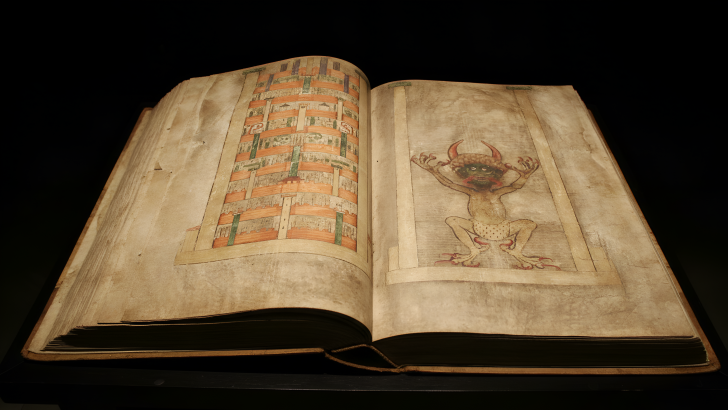
The Devil’s Bible is one of the most mysterious books in human history. Its real name is the Codex Gigas.
However, it became known as the Devil’s Bible due to a strange legend and a massive illustration of the Devil inside its pages.
This book is real, extremely large, and still exists today. It has fascinated historians, religious scholars, and curious readers for centuries.
Many questions surround why it was created, how it was written, and what it truly represents. These ten facts explain the Devil’s Bible clearly, slowly, and in detail.
1. The Devil’s Bible Is the Largest Medieval Manuscript Ever Made
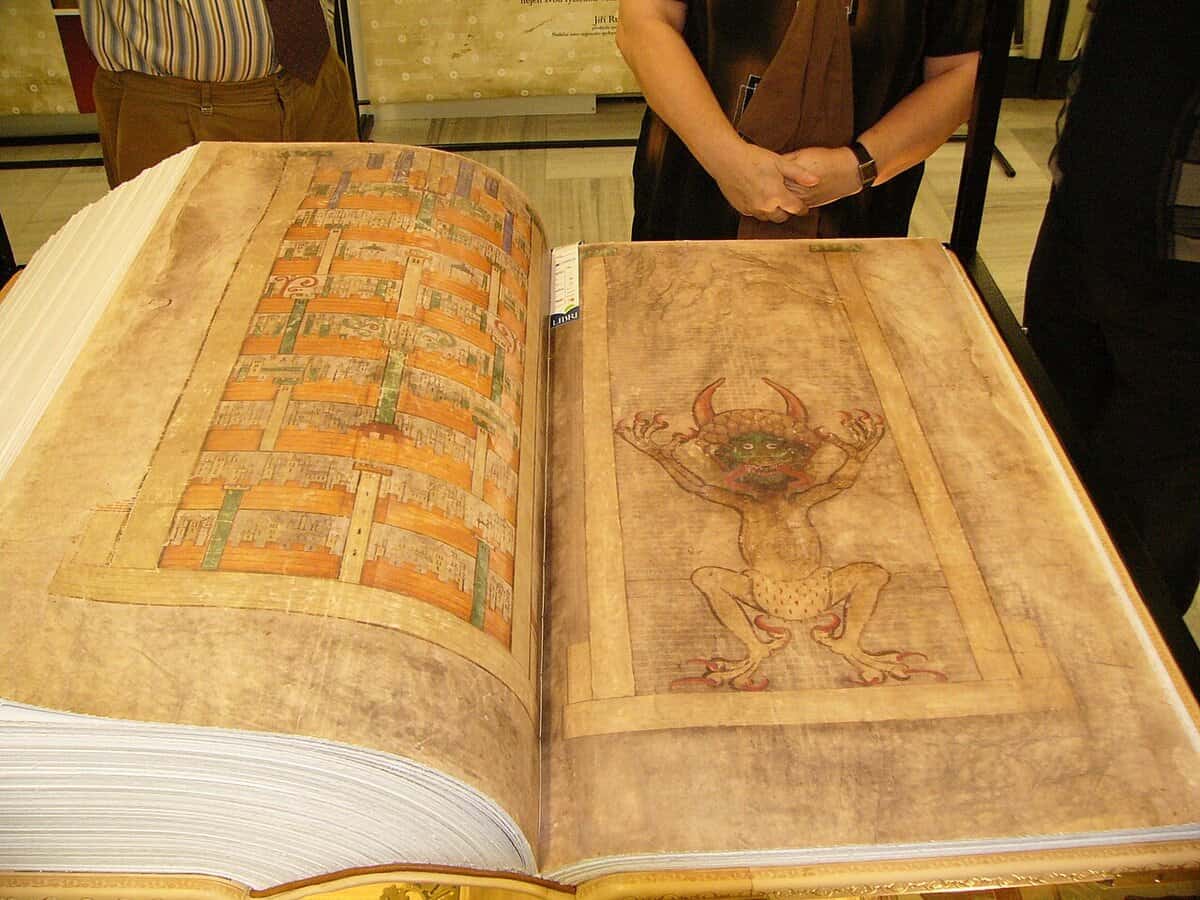
One of the most striking things about the Devil’s Bible is its size. It is the largest handwritten manuscript from the Middle Ages that still survives.
The book is about as tall as a small child and so heavy that it takes two people to lift it safely.
It contains hundreds of thick pages made from animal skin. Creating a book this large required enormous effort, time, and resources.
Each page had to be carefully prepared, written by hand, and preserved. The size alone suggests that this book was meant to be important and respected.
It was not a casual project. This fact helps explain why people believed something supernatural might be connected to its creation.
2. It Was Written by a Single Monk
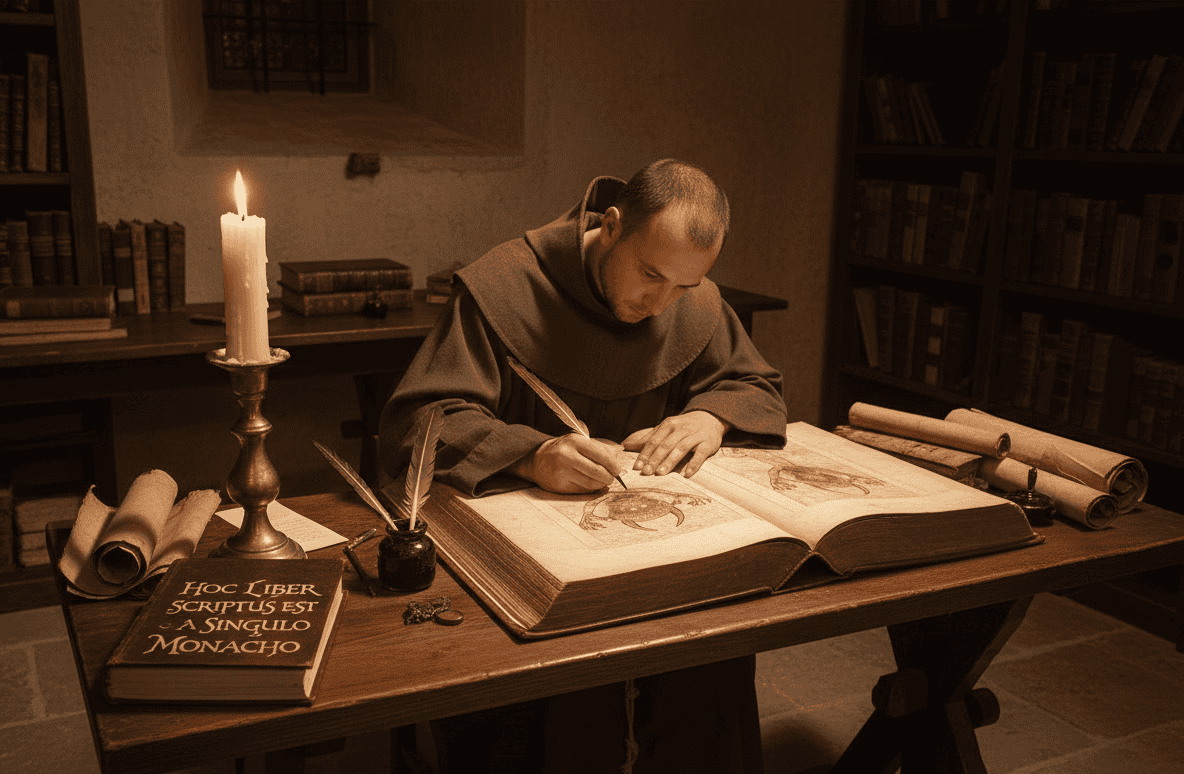
Historical research suggests that the Devil’s Bible was written by one person, most likely a monk living in a monastery in what is now the Czech Republic.
The handwriting throughout the entire book appears consistent, which is very unusual for such a massive work.
Writing this book would have taken decades of steady work. The monk would have needed discipline, patience, and isolation.
This fact is important because it shows the book was not rushed or created by many hands. It raises questions about the monk’s motivation, dedication, and mental state.
Some believe he was deeply devoted to knowledge, while others think he was driven by fear, guilt, or desperation.
3. The Famous Legend About a Deal With the Devil
The Devil’s Bible gets its nickname from a legend that says the monk made a deal with the Devil.
According to the story, the monk was sentenced to severe punishment for breaking monastery rules.
To escape his fate, he promised to write a book containing all human knowledge in one night.
Realizing this was impossible, the monk allegedly asked the Devil for help. In exchange, he offered his soul.
The Devil completed the book overnight, and the monk added a full-page illustration of the Devil as a sign of gratitude.
While historians agree this story is a myth, it reflects how impossible the book seemed to people at the time.
4. The Book Contains Both Sacred and Practical Texts
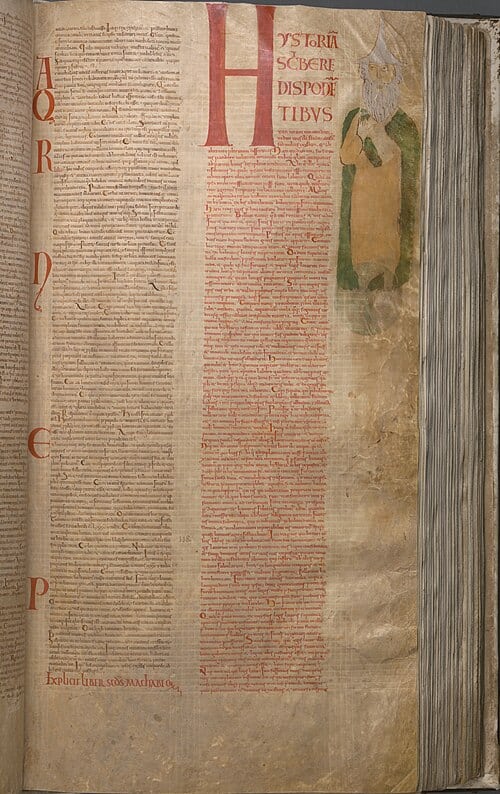
Despite its dark nickname, the Devil’s Bible is not a book of evil teachings. In fact, most of its content is religious and educational.
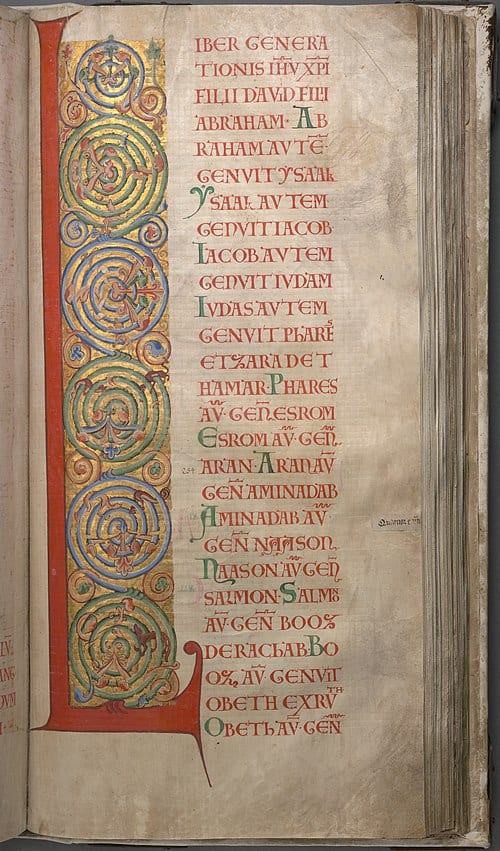
It includes the entire Latin Bible, along with historical texts, medical knowledge, calendars, and guides for daily life.
This combination shows that the book was meant to represent total knowledge, both spiritual and practical. It was a kind of medieval encyclopedia.
The presence of medical and scientific information suggests that the monk valued learning and understanding the world.
5. The Devil Illustration Is Unique and Intentional
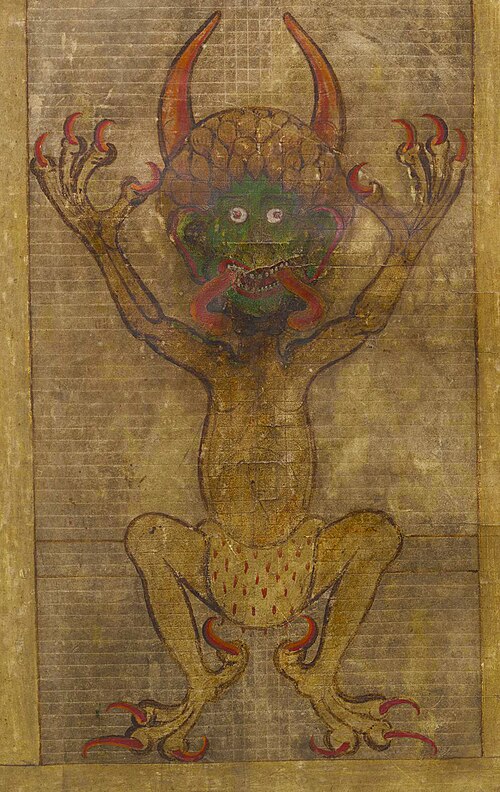
One full page of the book is dedicated to a large illustration of the Devil. This image is what truly earned the book its nickname.
The Devil is shown alone, facing the reader, with exaggerated features and a strange expression.
This illustration is unique because no other medieval manuscript presents the Devil so openly and boldly. Some scholars believe the image was meant as a warning rather than worship.
By placing the Devil inside a book filled with sacred text, the monk may have been showing the contrast between good and evil.
The image forces the reader to confront temptation and fear directly rather than hide from it.
6. A Page Was Mysteriously Removed

One of the strangest facts about the Devil’s Bible is that a group of pages is missing. These pages were carefully cut out long ago, not torn accidentally.
No one knows exactly what was on them. This mystery has led to endless speculation. Some believe the missing pages contained forbidden knowledge or dangerous rituals.
Others think they may have included personal confessions or controversial ideas.
While there is no proof of dark content, the deliberate removal adds to the book’s eerie reputation and keeps curiosity alive.
7. The Book Survived Fires, Wars, and Plague
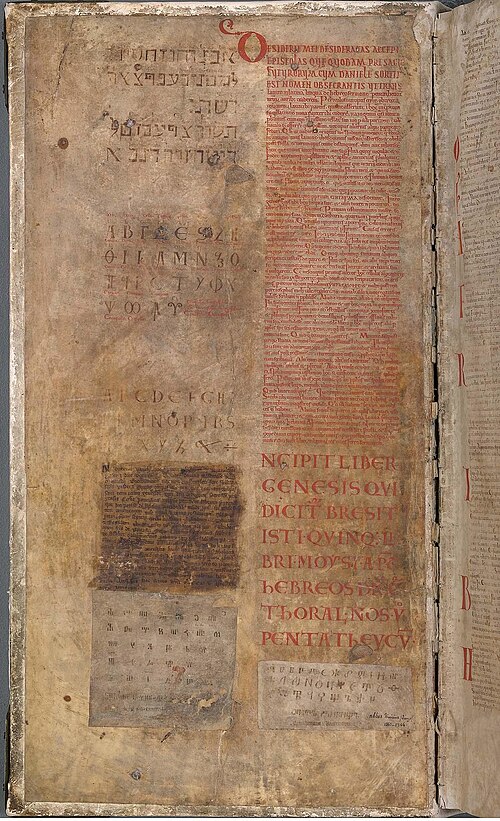
The Devil’s Bible has survived incredible dangers over the centuries. It passed through wars, monastery closures, plagues, and fires that destroyed countless other manuscripts.
Many people find it strange that such a controversial book survived when others did not.
Some see this survival as a coincidence. Others believe it adds to the book’s supernatural reputation.
From a historical view, its survival is likely due to careful protection and its perceived value.
This fact shows how much importance people placed on preserving knowledge, even when they feared or misunderstood it.
8. The Book Was Believed to Bring Misfortune
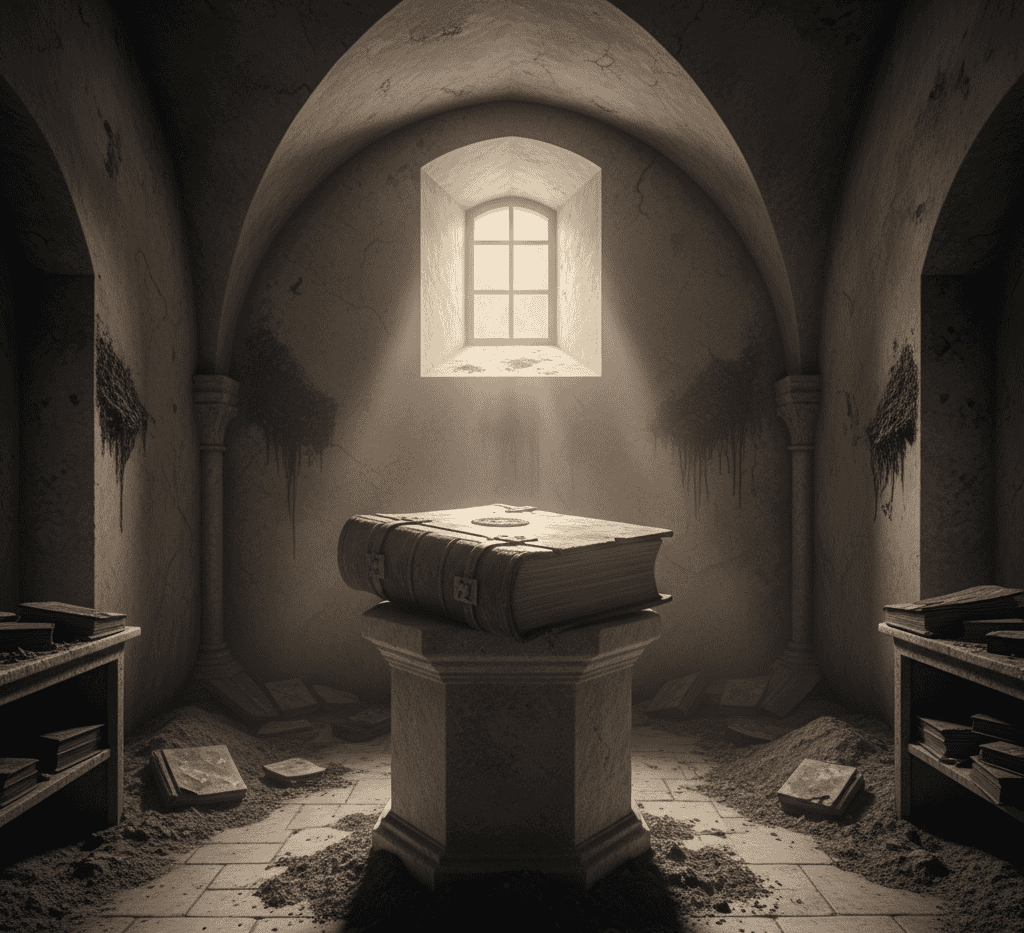
Over time, rumors spread that the Devil’s Bible brought bad luck to those who owned it.
Some owners experienced illness, political downfall, or sudden loss after acquiring the book. These stories increased fear and fascination.
In reality, powerful books were often blamed for misfortune because people needed explanations for tragedy.
The book became a symbol of forbidden knowledge, and fear grew around it.
This fact reveals how humans react to things they do not fully understand, especially when religion and superstition are involved.
9. Scholars Believe the Legend Was a Moral Warning
Most historians agree that the legend of the Devil helping write the book was meant as a moral story.
It warned people about pride, ambition, and breaking religious rules. The story taught that shortcuts to greatness come at a terrible cost.
The monk likely created the Devil illustration intentionally to support this message. By placing fear inside the book, readers were reminded of the dangers of temptation.
This fact shows that the Devil’s Bible may be less about darkness and more about responsibility, humility, and discipline.
10. The Devil’s Bible Is Now a Cultural Treasure
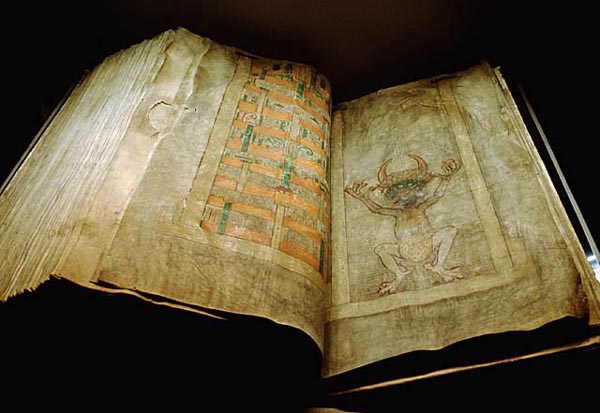
Today, the Devil’s Bible is preserved in a museum and studied by experts. It is considered one of the most valuable medieval manuscripts in the world.
People no longer see it as cursed, but as a window into the medieval mind.
The book teaches us about fear, faith, knowledge, and storytelling. Its legend shows how humans explain the impossible when faced with great achievement.
The Devil’s Bible remains powerful not because of evil, but because it represents the tension between belief, curiosity, and the limits of human effort.

Ho sempre sentito una forte connessione con il Divino fin dalla mia nascita. Come autrice e mentore, la mia missione è aiutare gli altri a trovare l'amore, la felicità e la forza interiore nei momenti più bui.