

Long before modern books about manifestation and positive thinking, people across the ancient world sought help from gods and goddesses associated with prosperity.
Farmers prayed for successful harvests. Merchants asked for profitable trade. Kings sought blessings for their kingdoms, while ordinary people hoped for good luck, stability, and opportunities.
These deities were often connected not only to money but also to fertility, growth, abundance, and the forces that helped life flourish.
While different cultures understood prosperity in different ways, many shared the belief that divine powers could influence success and fortune.
In many traditions, rituals, offerings, and seasonal festivals were created to honor these beings, hoping to maintain balance between human effort and divine favor.
Here are seven ancient goddesses closely connected to prosperity and abundance.
1. Lakshmi – Hindu Goddess of Wealth and Fortune

Lakshmi is one of the most beloved goddesses in the Hindu tradition.
She is associated with wealth, abundance, beauty, fortune, and prosperity.
In artwork, Lakshmi is often shown standing or seated on a lotus flower while gold coins flow from her hands.
This imagery symbolizes both material blessings and spiritual abundance.
Millions of people honor Lakshmi during festivals such as Diwali, seeking blessings for success and well-being.
Her symbolism goes beyond money alone. She also represents generosity, gratitude, harmony, and the wise use of prosperity.
For many believers, true abundance includes both material comfort and inner contentment.
Devotees often keep her images in homes and businesses, believing her presence brings steady growth, harmony, and positive energy into everyday life and important financial decisions.
2. Fortuna – Roman Goddess of Luck
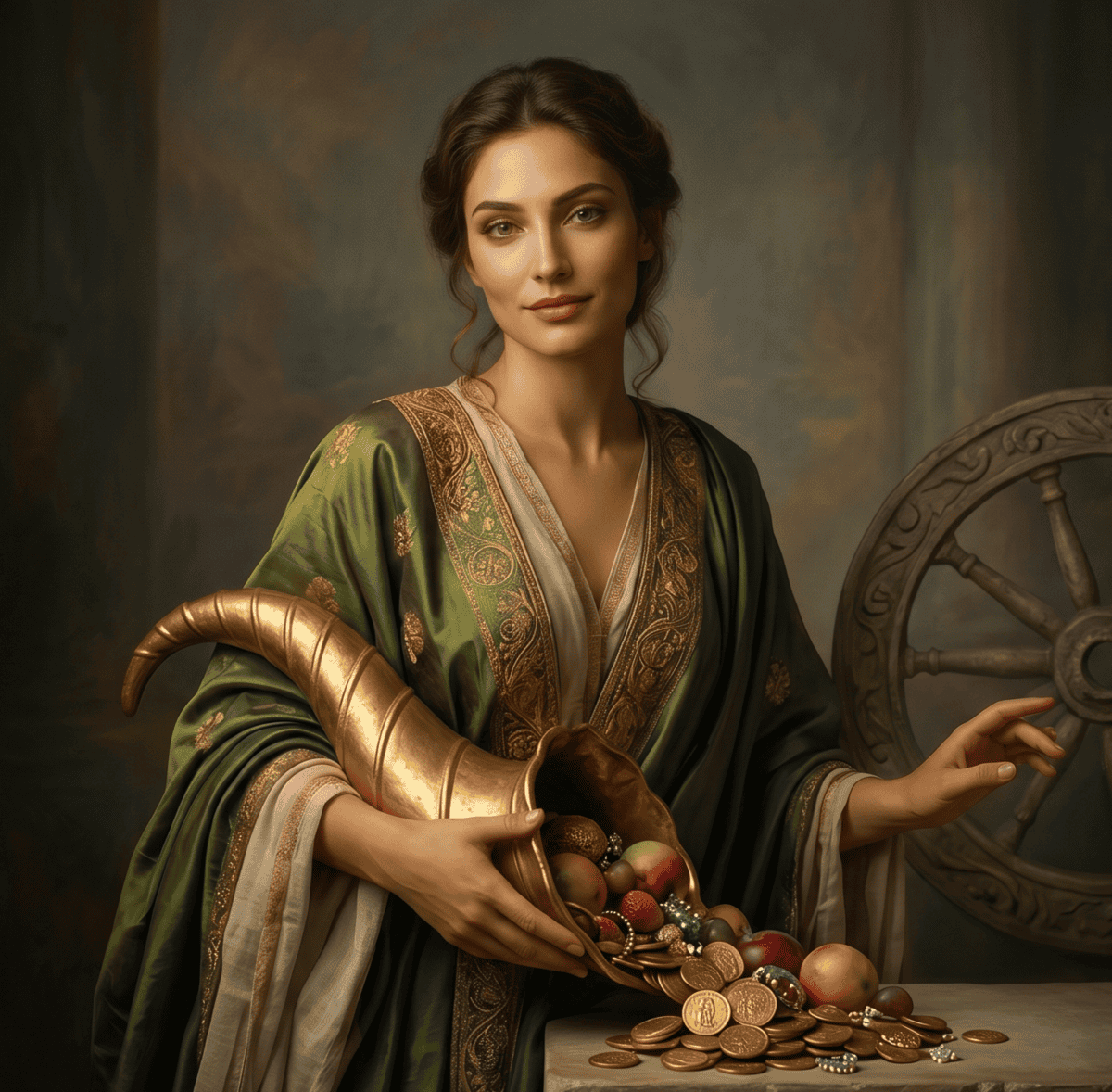
Fortuna was one of the most important goddesses connected to luck and destiny in ancient Rome.
People believed she could influence success, opportunity, and unexpected changes in fortune.
Fortuna was often depicted holding a cornucopia, a horn overflowing with food and abundance.
She was also sometimes shown with a wheel, symbolizing the unpredictable nature of fate.
Merchants, soldiers, rulers, and ordinary citizens all sought her favor.
The Romans understood that fortune could rise or fall unexpectedly, making Fortuna a powerful reminder of both opportunity and uncertainty in human life.
Temples dedicated to her were visited before major decisions, as people hoped to influence outcomes that felt beyond human control and timing.
3. Freyja – Norse Goddess of Abundance

Freyja is often remembered as a goddess of love and beauty, but she was also strongly connected to fertility, prosperity, and abundance.
In Norse culture, successful harvests and healthy families were essential forms of wealth.
Freyja’s blessings were believed to support growth, fertility, and well-being throughout the community.
She was associated with beauty, precious treasures, and valuable possessions.
Many ancient Norse people viewed prosperity as something that included both material success and the flourishing of life itself.
Freyja’s popularity throughout Scandinavia reflects how important these blessings were to everyday people.
She was also connected to magic and spiritual practices, making her influence extend beyond material wealth into deeper ideas of fate, desire, and personal transformation in Norse belief systems.
4. Demeter – Greek Goddess of Harvests
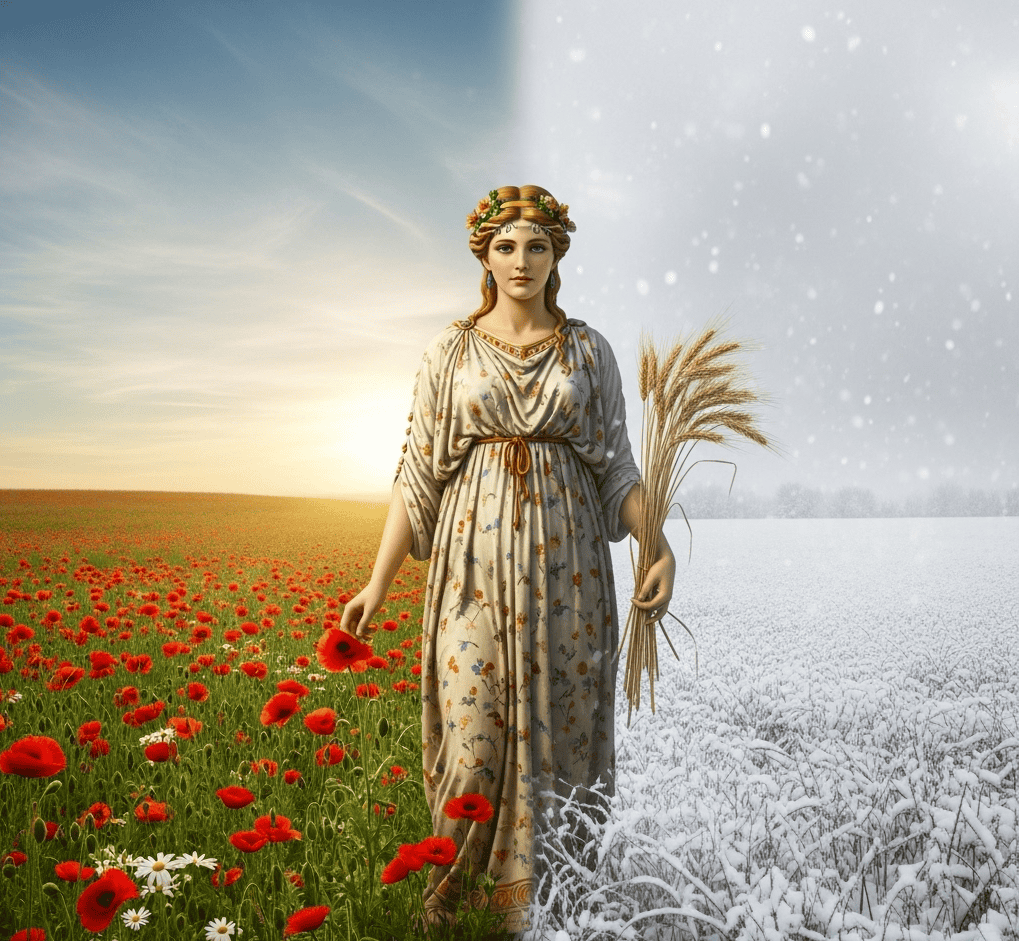
Demeter played a central role in the prosperity of the ancient Greek world.
As the goddess of grain, agriculture, and harvests, she was directly connected to survival and abundance.
A successful harvest meant food, stability, and economic security. Without healthy crops, entire communities could suffer.
Because of this, Demeter was one of the most respected deities in the Greek religion.
People honored her through festivals, offerings, and ceremonies designed to ensure fertile fields.
Her connection to prosperity reminds us that wealth in the ancient world often began with the ability to grow food and sustain life.
Farmers closely followed seasonal rituals dedicated to her, believing that respect and devotion could influence the success of entire agricultural cycles and community survival.
5. Abundantia – Roman Goddess of Plenty
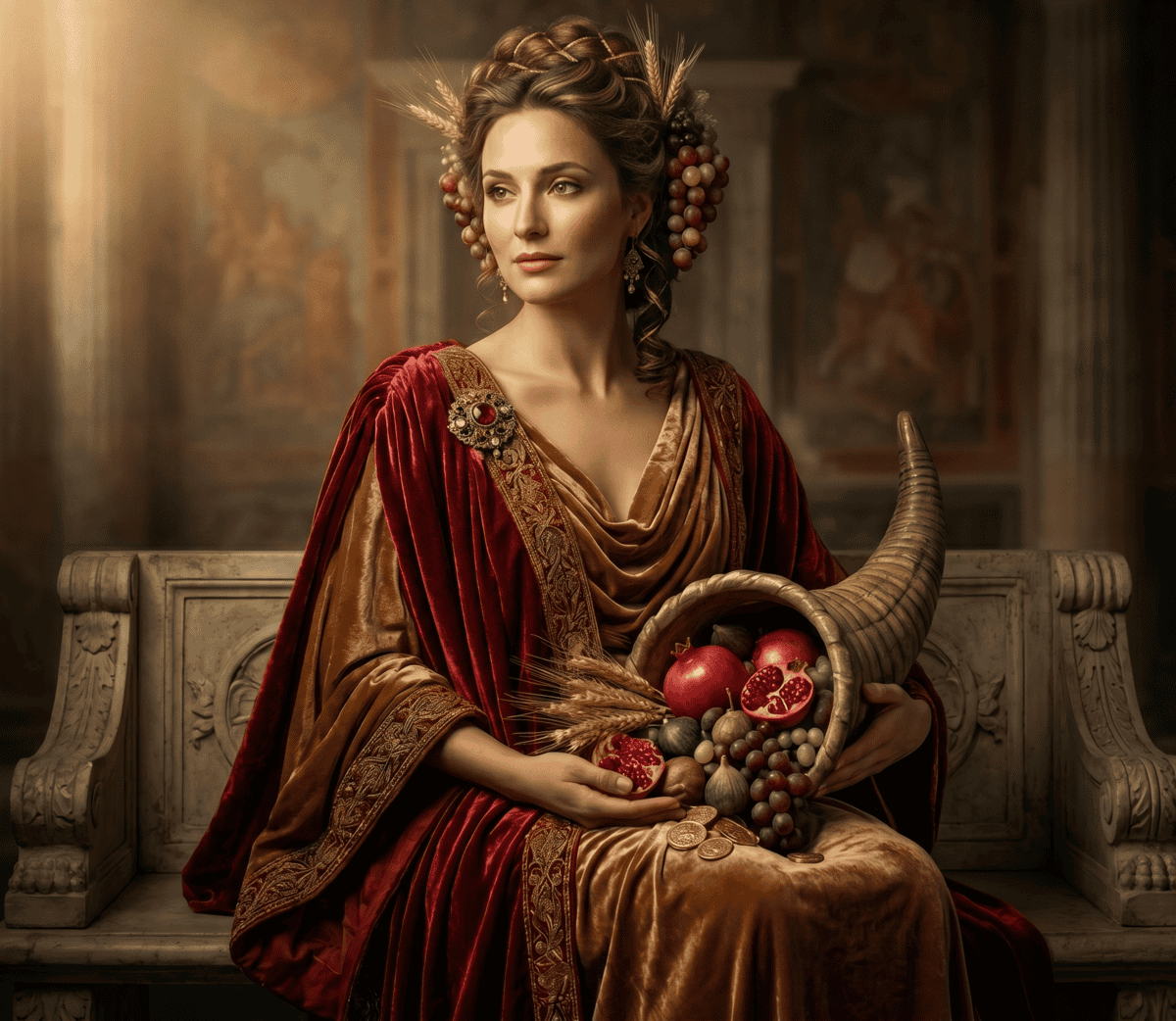
Abundantia was the Roman personification of prosperity, success, and plenty.
She was commonly shown carrying a cornucopia overflowing with fruit, grain, coins, and other symbols of wealth. Her very name became associated with abundance.
Ancient Romans viewed her as a source of blessings that could bring prosperity to households, businesses, and communities.
Unlike deities connected to specific forms of wealth, Abundantia represented the broader idea of having enough and enjoying a flourishing life.
Her imagery influenced later symbols of abundance that remained popular for centuries.
People often invoked her during trade, harvest celebrations, and important transitions, believing she could open paths toward stability, success, and continuous flow of resources in daily life.
6. Oshun – Yoruba Goddess of Prosperity and Sweetness

Oshun is one of the most revered deities in the Yoruba tradition of West Africa.
She is associated with rivers, beauty, love, fertility, and prosperity.
Oshun is often connected to flowing water, which symbolizes life, nourishment, and abundance.
Her blessings are believed to support harmony, creativity, and opportunities for growth.
Many traditions influenced by Yoruba spirituality continue to honor Oshun today.
Her connection to prosperity reflects the idea that abundance is not limited to wealth but also includes joy, healthy relationships, and emotional fulfillment.
In many stories, she is described as compassionate yet powerful, reminding followers that prosperity flows more easily when balance, respect, and kindness are present in human relationships and community life.
7. Inanna – Mesopotamian Goddess of Power and Success

Inanna was one of the most important deities in ancient Mesopotamia.
She was associated with love, beauty, political power, fertility, and success.
As cities grew and trade flourished, Inanna became closely connected to prosperity and influence.
Rulers often sought her favor because they believed her blessings could strengthen kingdoms and increase wealth.
Her temples were among the most significant religious centers in the ancient world.
Inanna’s connection to prosperity highlights how ancient cultures often linked abundance with leadership, growth, opportunity, and the ability to thrive during changing times.
She was also connected to transformation stories that symbolized rising after struggle, suggesting that success often comes through cycles of challenge, renewal, and personal evolution in both myth and human experience.

Ho sempre sentito una forte connessione con il Divino fin dalla mia nascita. Come autrice e mentore, la mia missione è aiutare gli altri a trovare l'amore, la felicità e la forza interiore nei momenti più bui.