
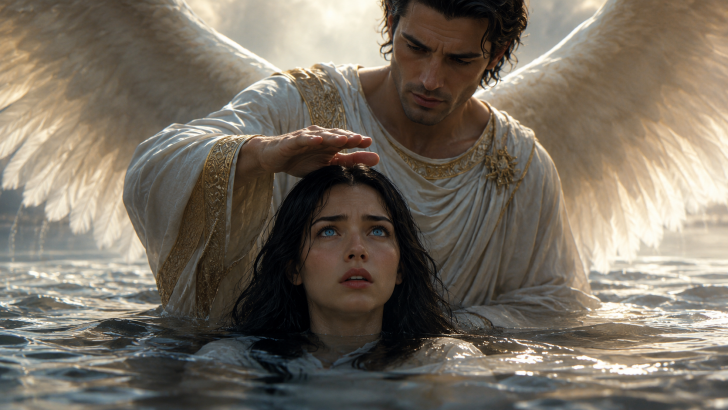
Throughout the Bible and many religious traditions, one phrase appears again and again during encounters between humans and angels.
“Do not be afraid.” When angels appear, their first words are often not instructions, warnings, or explanations.
Instead, they begin by calming the person who sees them. This repeated phrase has fascinated scholars, believers, and storytellers for centuries.
At first glance, it may seem surprising. If angels are considered messengers of hope and divine guidance, why would their first message be about fear?
Many traditions explain that angelic encounters are overwhelming because they represent something beyond ordinary human experience.
The appearance, presence, or message of an angel can completely change the way a person sees their situation.
The phrase “do not be afraid” becomes more than simple reassurance. It represents comfort, trust, faith, and the idea that people should not allow fear to prevent them from receiving guidance.
Here are ten reasons angels are often described as saying “do not be afraid.”
1. Angelic Encounters Were Powerful and Overwhelming

One reason angels often begin with reassurance is that their presence was believed to be extraordinary.
In many biblical stories, angels are not described as ordinary visitors. They appear as heavenly messengers carrying important announcements or divine instructions.
For the people who encountered them, such moments were unexpected and difficult to understand.
Imagine living an ordinary day and suddenly meeting a being connected with the divine.
The experience would naturally create surprise, confusion, or even fear. The phrase “do not be afraid” acknowledges this human reaction.
Rather than ignoring the person’s emotions, the angel first addresses the fear before delivering the message.
The reassurance allows the person to become calm enough to listen and understand what comes next.
2. The Message Was More Important Than the Appearance

Angels often appeared in stories because they had something important to communicate.
Their purpose was not to create fear or amazement but to deliver a message.
By saying “do not be afraid,” the angel directs attention away from the unusual encounter and toward the meaning behind it.
This phrase encourages the person to focus on the words rather than the extraordinary circumstances.
Many spiritual traditions teach that guidance should lead people toward wisdom, hope, and understanding.
Sometimes people become distracted by how something happens instead of considering what they can learn from it.
The phrase reminds people to look beyond the unexpected and focus on the purpose behind the experience.
3. Angels Represent Comfort During Uncertain Times
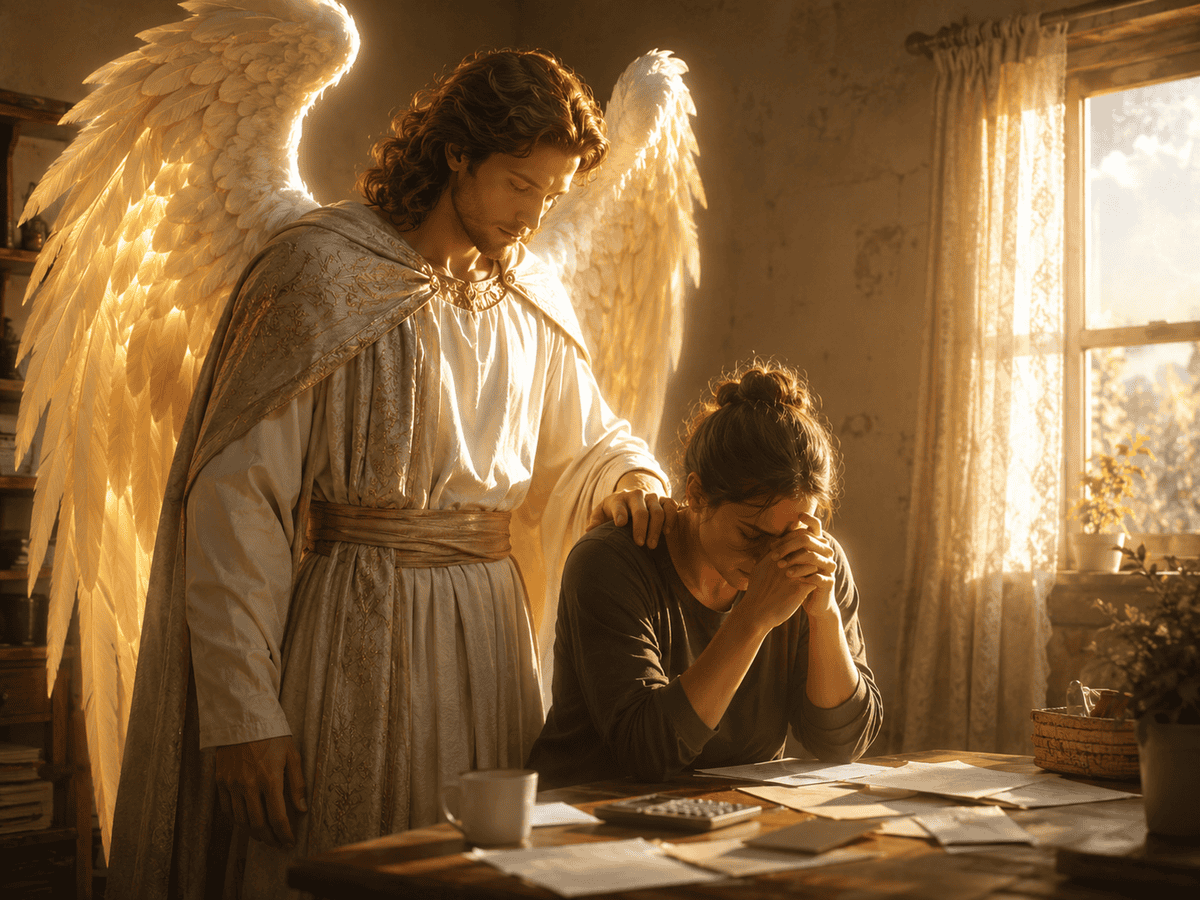
Many angelic appearances in religious texts happen during moments of uncertainty.
People receive messages about difficult decisions, major changes, or events they cannot fully understand.
Fear often appears when the future feels unknown. The phrase “do not be afraid” becomes a reminder that uncertainty does not always mean danger.
It suggests that a greater purpose may exist even when the situation feels confusing.
Throughout history, people have turned to angelic stories during their own challenging moments.
Angels often symbolize hope when circumstances seem overwhelming.
Rather than promising that challenges will disappear, the message encourages courage while facing them.
4. Fear Could Prevent People From Accepting Guidance

Another interpretation is that fear can make people unable to hear or accept important messages.
When someone feels overwhelmed, it becomes harder to think clearly or make decisions.
By calming the person first, the angel creates space for understanding.
The phrase “do not be afraid” allows the individual to move from panic toward awareness. This theme appears in many areas of life.
People often miss opportunities because they are afraid of change. They avoid new experiences because uncertainty feels uncomfortable.
They hesitate to follow meaningful paths because they worry about failure. Angel stories often use this phrase to represent the importance of courage.
5. Angels Were Seen as Beings of Peace

Although some angelic figures are associated with battles and protection, angels are generally viewed as messengers of peace and divine connection.
The phrase “do not be afraid” reflects their peaceful purpose. It shows that their arrival is not meant to harm but to guide.
In many traditions, angels represent hope, mercy, and reassurance.
Their presence is often connected with moments when people need encouragement.
The phrase helps establish this peaceful relationship between humans and heavenly beings.
Instead of creating distance through fear, the angel creates trust through comfort.
6. The Phrase Shows Understanding of Human Nature

One interesting aspect of these stories is that angels seem to understand human emotions. They do not criticize people for being afraid.
They recognize that encountering something beyond ordinary experience would naturally create fear.
The phrase demonstrates compassion. It acknowledges the person’s reaction while offering reassurance.
This detail makes many angelic stories feel more personal. The angel is not simply delivering information.
The angel is also responding to the emotional state of the person receiving it.
This idea has made these encounters meaningful for generations. The phrase reminds people that fear itself is not a failure.
7. “Do Not Be Afraid” Often Introduces a Life-Changing Message
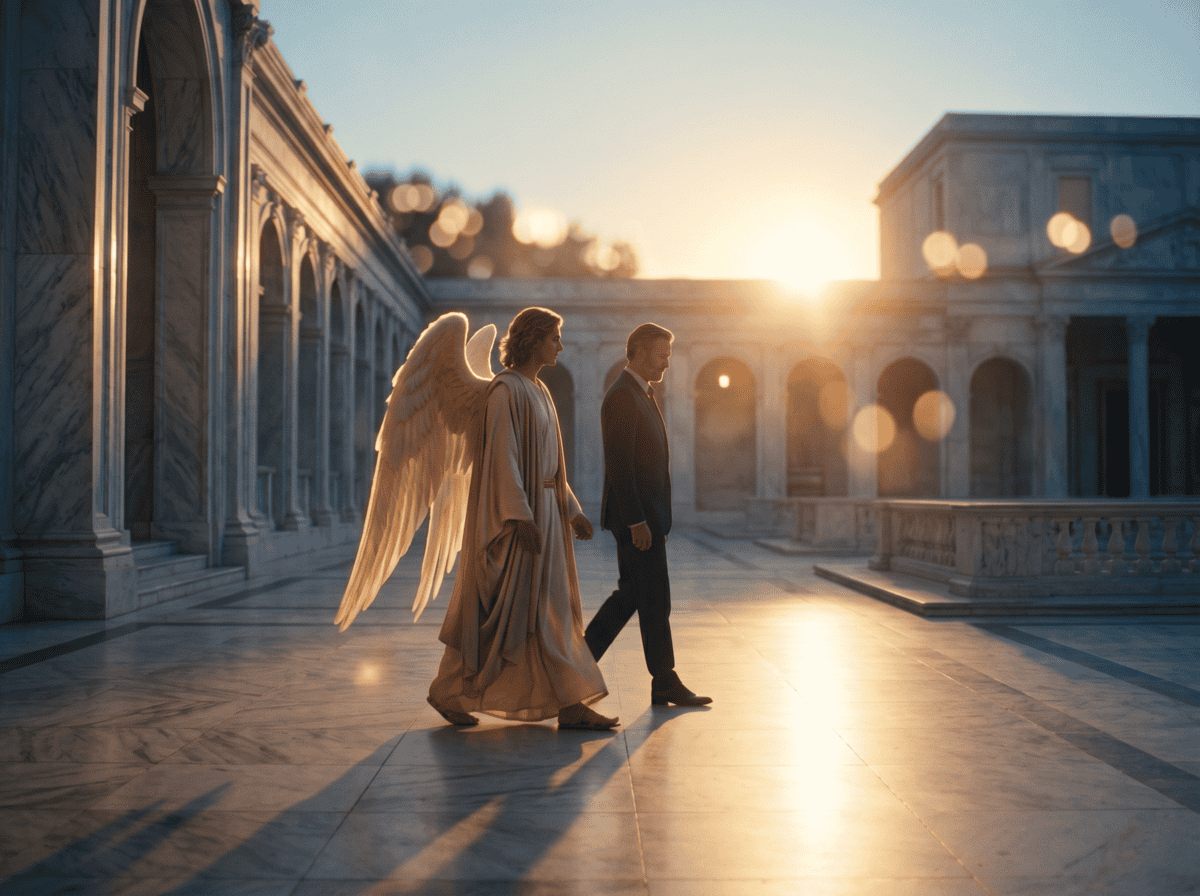
In many biblical stories, the phrase appears immediately before a significant announcement.
An angel may reveal a future event, provide direction, or explain a divine plan.
The reassurance prepares the person for something important. It suggests that great changes often begin with uncertainty.
The message is not that fear will never appear. Instead, it encourages people not to let fear prevent them from moving forward.
8. It Represents Trust in Something Greater

Another meaning behind the phrase involves trust. Angelic encounters often require people to believe in something beyond their understanding.
The instruction not to fear encourages confidence that there is a greater purpose behind the situation.
For believers, this can represent trust in divine plans. For others, it can symbolize the importance of trusting life during uncertain moments.
The message encourages patience and faith. Not every answer appears immediately.
Not every path becomes clear at the beginning. Sometimes people must continue forward while still learning and growing.
9. The Phrase Separates Divine Guidance From Fear

Many spiritual traditions distinguish between guidance that brings peace and emotions that create confusion.
The repeated use of “do not be afraid” emphasizes that divine messages should ultimately lead toward hope.
Fear can create isolation and uncertainty. Guidance encourages understanding and connection.
This contrast is one reason the phrase appears so often in angelic stories. It represents the movement from anxiety toward reassurance.
The person begins frightened but ends with knowledge, purpose, or renewed confidence.
10. The Message Remains Relevant Today
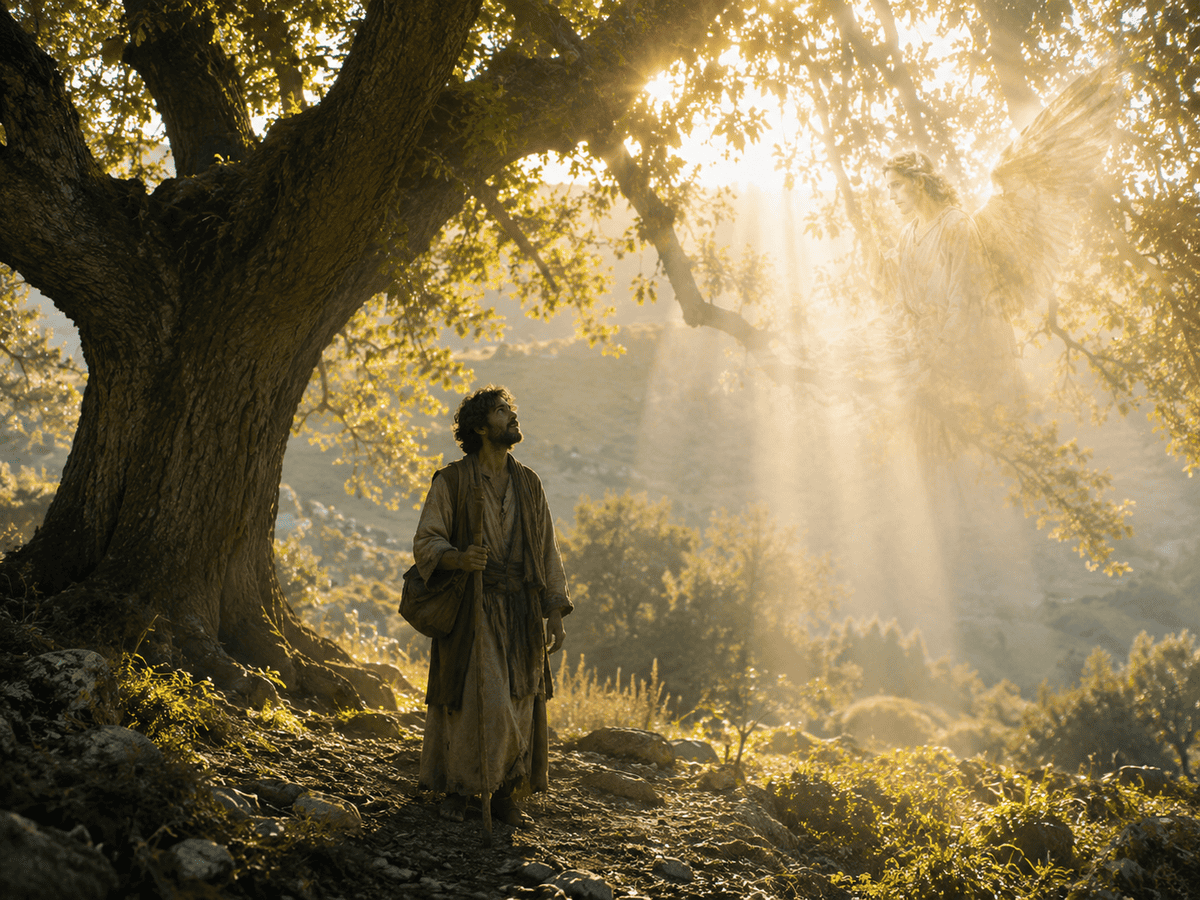
Even though angelic encounters belong to ancient stories, the phrase continues to resonate with modern audiences.
People still experience fear when facing change, uncertainty, and important decisions.
The reminder to not let fear take control remains meaningful.
Whether interpreted as a religious message or a symbolic lesson, the phrase encourages courage and openness.
It reminds people that unexpected moments do not always signal danger.
Sometimes they introduce growth, understanding, and new possibilities.

Ho sempre sentito una forte connessione con il Divino fin dalla mia nascita. Come autrice e mentore, la mia missione è aiutare gli altri a trovare l'amore, la felicità e la forza interiore nei momenti più bui.