

Many people have noticed that their bodies react differently to different people. Your body doesn’t always give relationship signals consciously.
Many times, before we can even put a thought to a feeling, our body has already responded, sometimes dramatically, sometimes not.
In general, the body reacts before the mind has the ability to explain why it responded. These signs can be very small and can easily go unnoticed until they accumulate to an eventual larger impact.
1. You Feel Tired After Spending Time Together

A certain person might make you feel tired. You feel heavy, like you can’t regain energy. Even if you only see this person for a very brief time, you can end up feeling drained.
You are working hard to keep your body in alignment and balanced, but you are not feeling restored; rather, depleted.
After a time, you will notice this happening more and more frequently, and you will see the energy drain happening also due to emotional communication.
2. Your Sleep Changes

You might find it hard to fall asleep or stay asleep after being with this person, as you may replay things that have happened or conversations you’ve had.
When you feel tired, your body might still be alert, which could indicate that there is still work to be done to resolve an issue. Sleep can often be impacted by how comfortable your body feels.
Sleep patterns can be small but important changes in how your body handles stress in relation to how well you feel in general over time.
3. You Experience Small Physical Discomfort
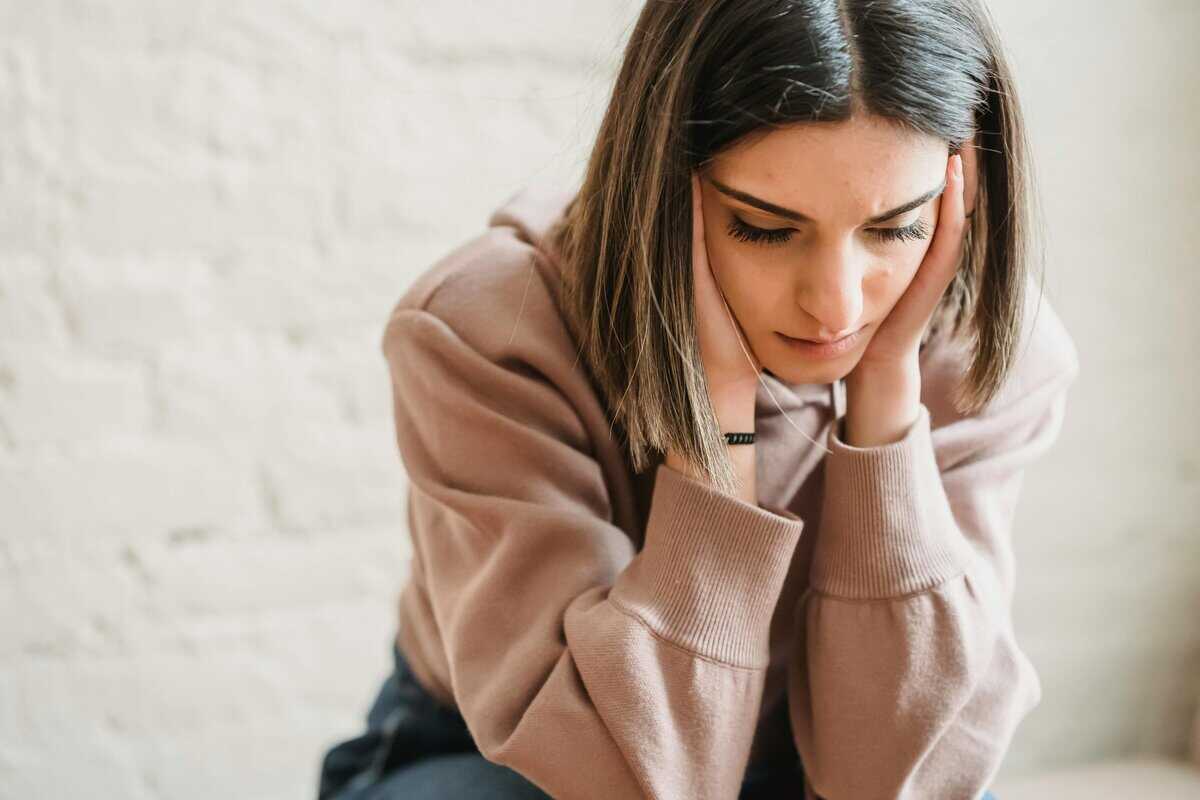
When you interact with someone, you may also experience physical tension in your shoulders, stomach problems, or even headaches in your head.
Although these may be very separate experiences, they will often present themselves together (at different times). Your body’s stress is held in a physical way.
These are often little indications that you aren’t experiencing and/or expressing discomfort through your words. By being aware of when these occur, you can see the connection.
4. Your Breathing Feels Shallow

Il tuo breath patterns can change when you’re with someone who is not right for you. Breath may be fast or shallow as a reaction to subtle stressors.
You may not realize it initially, but it will change how your body feels. If your breath is shallow, then it can cause tension and make you feel less relaxed (indicating that you’re not at ease).
By paying attention to your breathing, you can identify how you respond differently in certain situations.
5. You Feel Restless Without a Clear Reason

You’re uncomfortable or unable to relax with this person; there isn’t a clear reason why. Feeling restless may form into fidgeting or requiring movement, reflecting discomfort within yourself.
Your body responds before your brain understands why. The feeling of restlessness could go away when you are alone, thus highlighting how much your atmosphere is impacting your emotional state.
6. Your Appetite Changes
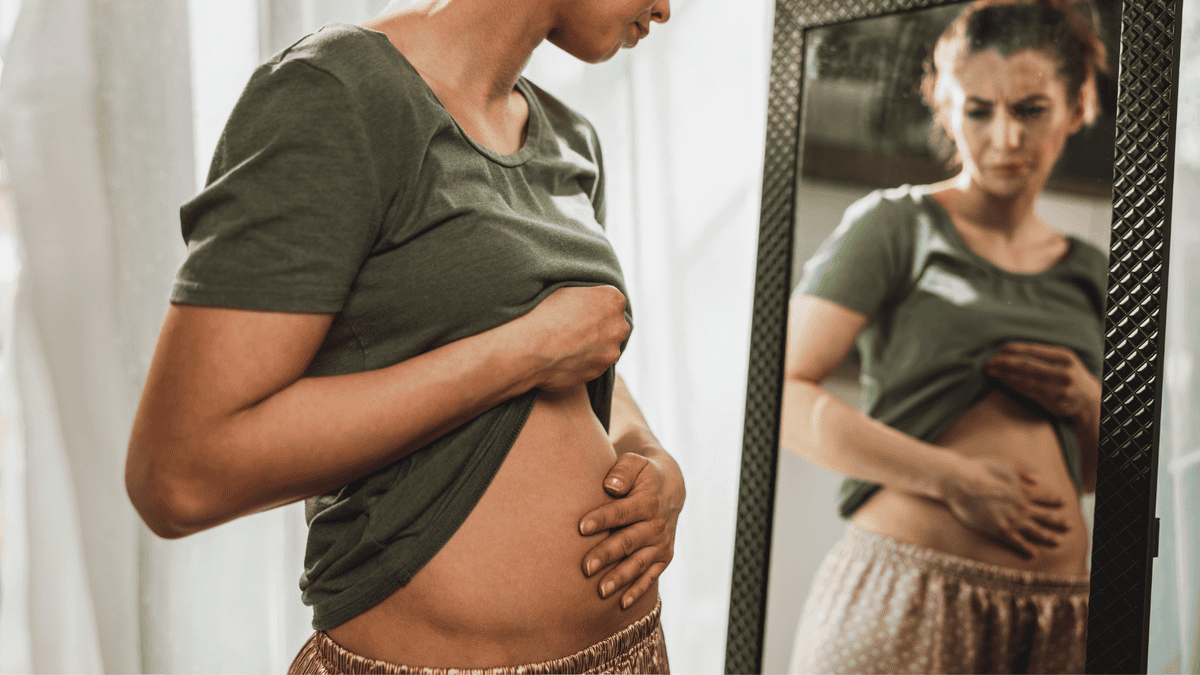
Your eating habits may change; for example, you could cease feeling hungry, or you may wish to have an excessive amount of food.
These changes stem from your brain’s emotional reaction to stress. The body has many ways that it responds to the stress of your mind; an example of a response would be that your body is hungry just after you have finished eating.
While this may appear to be a small change, it actually is an internal imbalance. If you watch your behaviors over time, you can gain insight into your own experiences.
7. You Avoid Physical Closeness
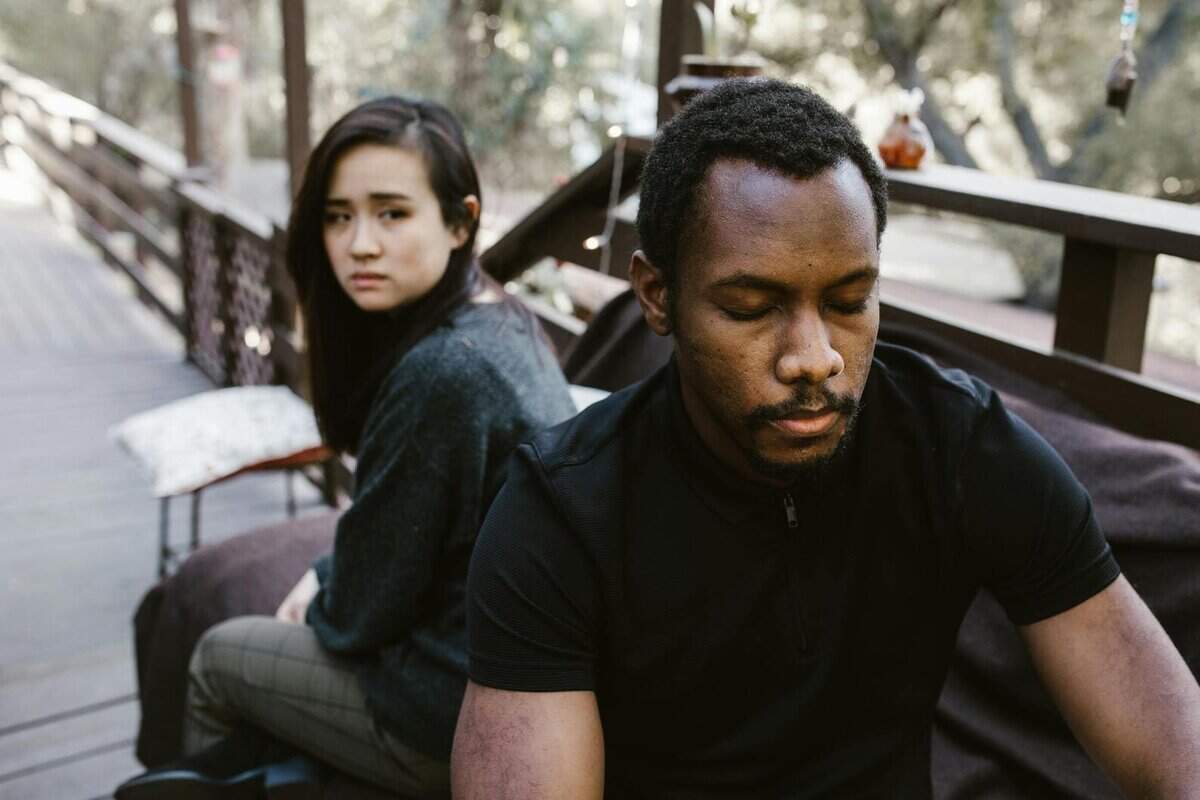
You could become wary of this person touching you, even if you’re close to them. An automatic response from your brain conveys this wariness; thus, it might not be a conscious thought.
You will want to isolate from them after some time, and you may even start wanting more and more alone time.
This is a sign that you are not feeling connected to this person if it happens too often.
8. You Feel Relieved When They Leave
When you and your partner spend time together, sometimes, after being with them for some time, you may feel a little bit of relief to return to a place where you are alone.
It’s not that you need space in a healthy way (like needing to take a break); it’s that you feel a release rather than balance.
To see the difference between being with them vs. being alone can help you understand how your energy changes based on your situation; relief is often a very strong indicator of returning to balance.
Recognizing this pattern can help you have better clarity about your experience.
9. You Second-Guess Simple Actions

You might start doubting some small decisions or words when you’re around this person, causing a build-up of tension between you two. You could change how you speak to or act towards the other person.
This is a pattern of behavior that tends to show feelings of doubt, and this will put your body in a state of readiness.
This constant state of readiness is tiring to experience over an extended period of time and can lead to a lack of confidence in otherwise simple situations. A small but equally significant sign.
10. Your Mood Shifts Quickly Around Them

When you interact with people who are not right for you, your mood can shift dramatically. One minute you are calm and relaxed; the next, your mood may change without any apparent reason.
New cues from your body may be responsible for some of these changes. Most mood changes are connected to your environment.
Frequent mood changes may indicate an imbalance. Learning to notice your mood changes will help you understand your responses better.
11. You Feel More Like Yourself When You Are Alone

The most obvious sign is how you feel when they’re not around. Are you more relaxed, clearer, and/or more stable when you’re alone?
The difference in the two states is important because it demonstrates a change in your state from one situation to another.
The presence of a healthy relationship generally creates a supportive atmosphere for your true self. If you feel more like yourself when you are alone than when you’re with them, then you have probably misaligned in your relationship.
Being able to recognize this misalignment will help direct your decision-making.

Born and raised in Bosnia and Herzegovina. Ever since I was a little girl, my imagination knew no bounds. I remember vividly how I’d scribble down short stories, each page bursting with adventures and characters conjured up from the whimsy of my mind. These stories weren’t just for me; they were my way of connecting with my friends, offering them a slice of my fantasy world during our playtimes. The joy and excitement on their faces as we dived into my fictional realms motivated me to keep writing. This early passion for storytelling naturally evolved into my pursuit of writing, turning a childhood hobby into a fulfilling career.