
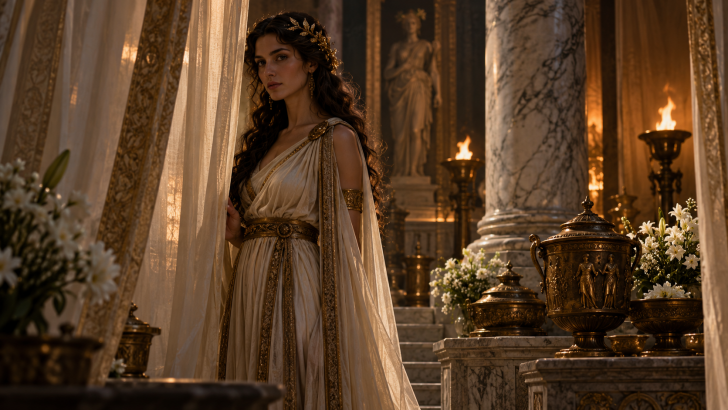
Ancient Rome had plenty of powerful goddesses. Venus ruled over love and beauty.
Diana ruled hunting and the wilderness. Juno protected marriage and held an important place among the Roman gods.
But one goddess was surrounded by more secrecy than almost any other. Her name was Bona Dea, which means the Good Goddess.
She was associated with women’s well-being, fertility, healing, and protection. Yet some of her most important religious ceremonies were closed to men.
Even her true identity remains a mystery. Ancient writers disagreed about who she really was, and several stories attempted to explain her unusual traditions.
Some connected her with the goddess Fauna. Others believed she had once been a mortal woman who became divine.
Her worship included sacred rituals, female attendants, medicinal plants, and one of Rome’s most famous religious scandals.
Here are eight fascinating things you probably didn’t know about Bona Dea, Rome’s mysterious goddess.
1. Bona Dea Was Not Necessarily Her Real Name
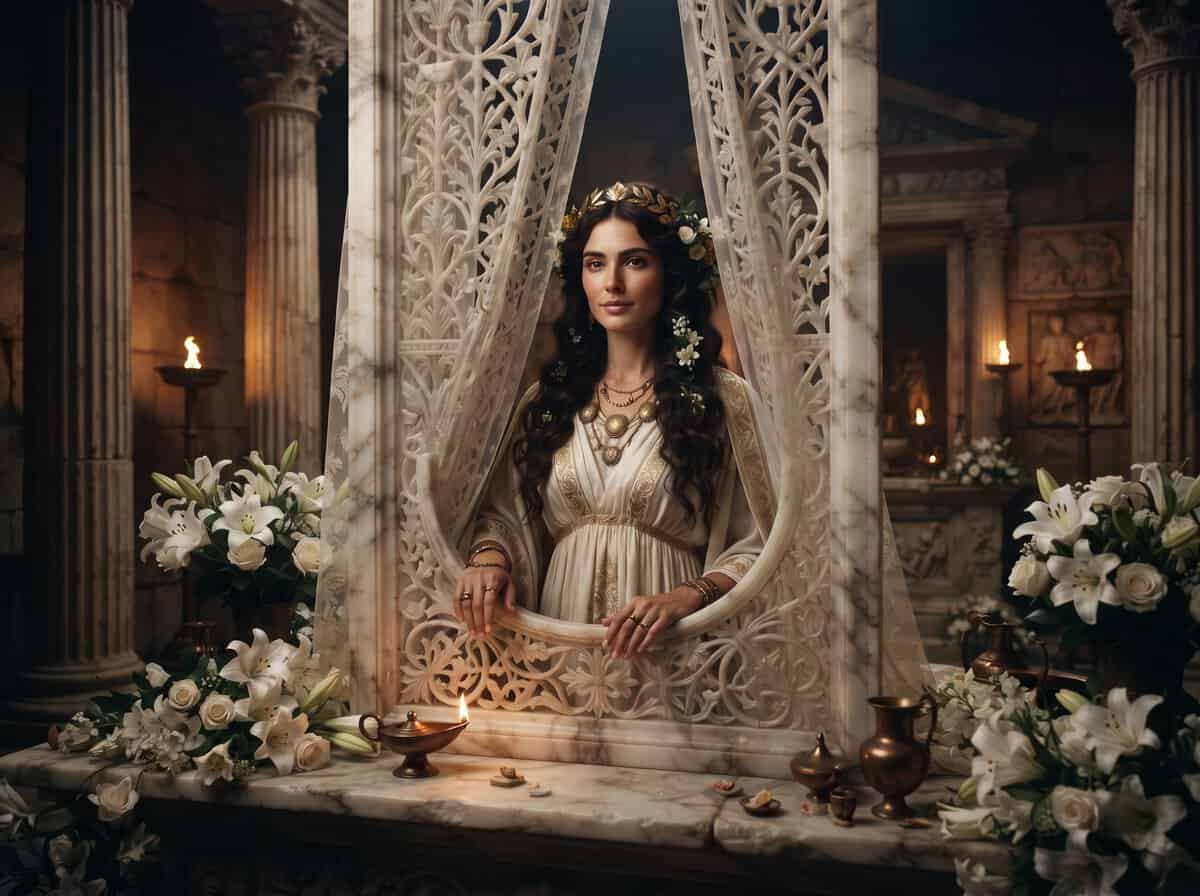
The first mystery surrounding Bona Dea is her name. Or rather, the possibility that it was not her original name at all.
Bona Dea simply means the Good Goddess in Latin. It sounds more like a respectful title than a personal name.
Ancient writers offered different explanations for her identity. Some associated her with Fauna, a Roman goddess connected with nature and fertility.
Others linked her with the wife or daughter of Faunus, a rustic god associated with the countryside.
There were also attempts to identify her with other goddesses. But no single explanation became universally accepted.
She was clearly important enough to receive public worship, yet the Romans themselves preserved different stories about who she was.
Her title may have emphasized her beneficial powers. After all, calling a goddess Good was a fitting way to honor someone believed to protect health, fertility, and well-being.
And perhaps the mystery surrounding her name made her feel even more sacred. Some divine things were not meant to be discussed casually.
2. Men Were Excluded From Her Most Famous Ceremony
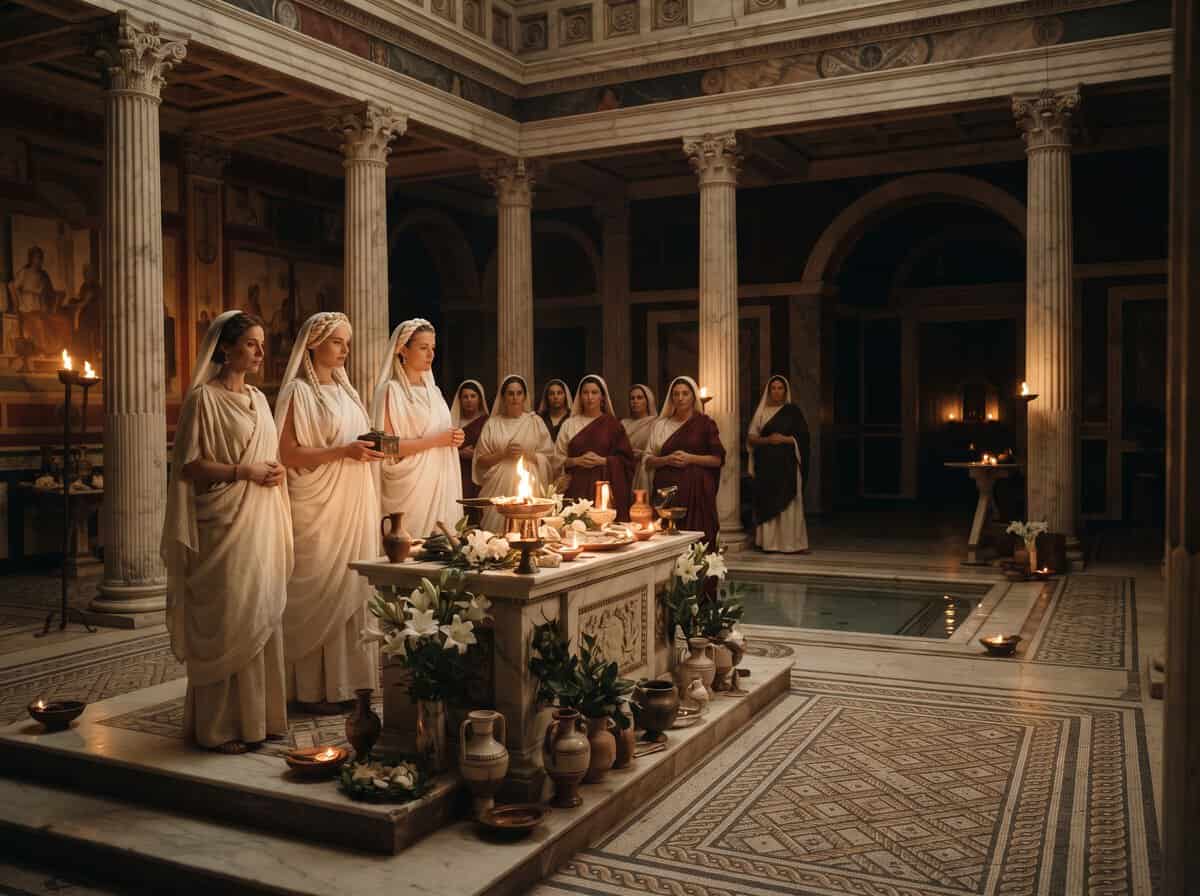
One of the most unusual things about Bona Dea was her December festival.
The ceremony took place at night in the home of a leading Roman magistrate.
It was organized by women, including the magistrate’s wife and other prominent female participants.
The Vestal Virgins also played an important role. But there was one strict rule. Men were not allowed to attend.
Even male members of the household were expected to stay away while the sacred ceremony took place.
This was remarkable in ancient Rome, where men controlled much of public religious and political life.
For one important ritual, women held religious authority. They prepared the sacred space, conducted the ceremonies, and maintained the traditions.
Unfortunately, the exact details of what happened during the festival remain uncertain.
The participants were expected to preserve its secrecy. Ancient writers described certain features, but they did not provide a complete account.
That has left historians with plenty of questions. What prayers were spoken? What offerings were made?
And which parts of the ceremony were considered too sacred for outsiders to know?
The secrecy became one of Bona Dea’s most recognizable characteristics.
3. Her Worship Was Connected With Healing and Medicinal Plants
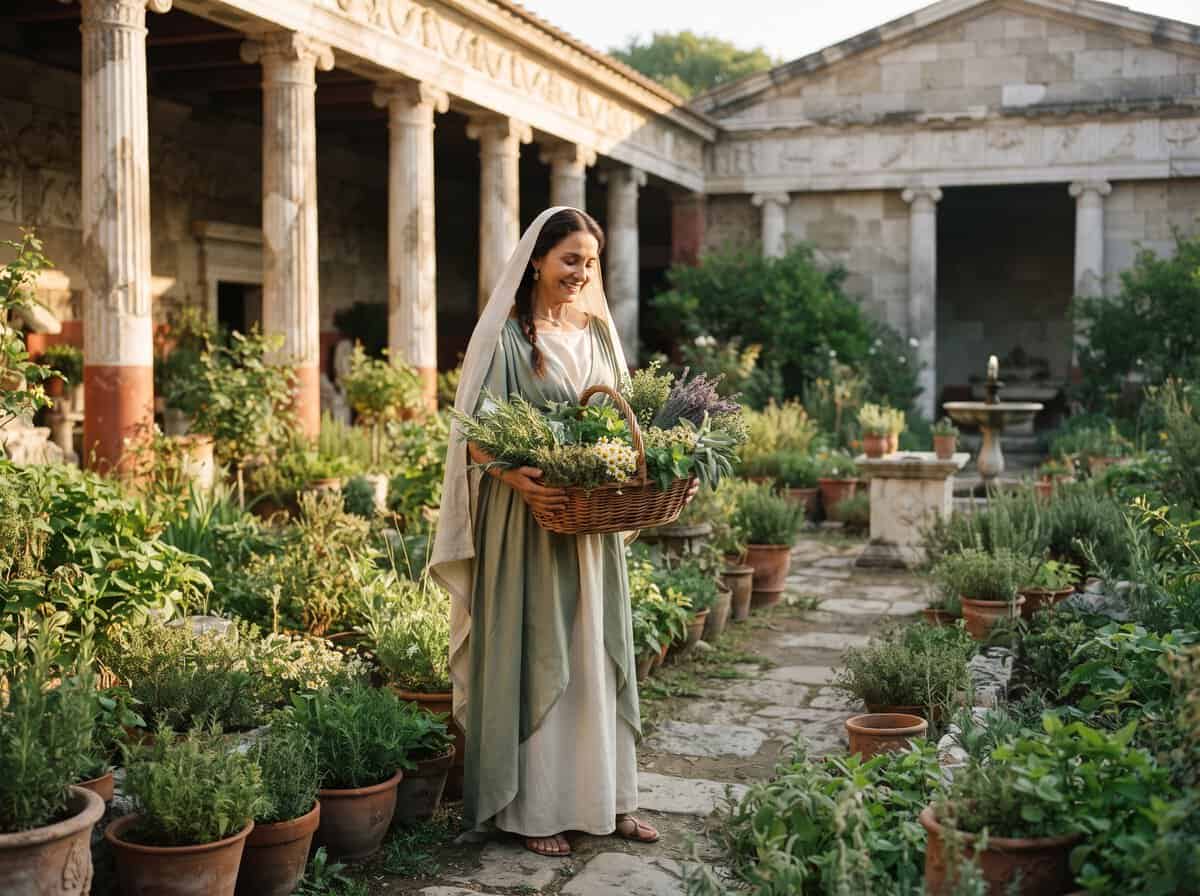
Bona Dea was more than a mysterious goddess with unusual ceremonies. She was also associated with healing.
Her worship had connections with health, fertility, and the well-being of women.
Medicinal plants were particularly important to her religious identity.
Ancient accounts describe a sanctuary connected with Bona Dea where healing herbs were cultivated or used.
This association fits her reputation as a protective and beneficial goddess.
In a world without modern medicine, people often turned to both practical remedies and divine assistance when facing illness.
A healing goddess could offer spiritual comfort alongside the use of traditional treatments.
Bona Dea’s connection with plants also gave her a close relationship with the natural world.
Her sacred spaces were not simply places for prayer. They could be associated with gardens and the useful plants growing within them.
That makes her different from goddesses whose powers were mainly expressed through warfare, political authority, or dramatic myths.
Bona Dea’s influence was closely connected with everyday human needs. Health. Protection. And the hope that suffering might be relieved.
4. Snakes Were Sacred Symbols Associated With Her
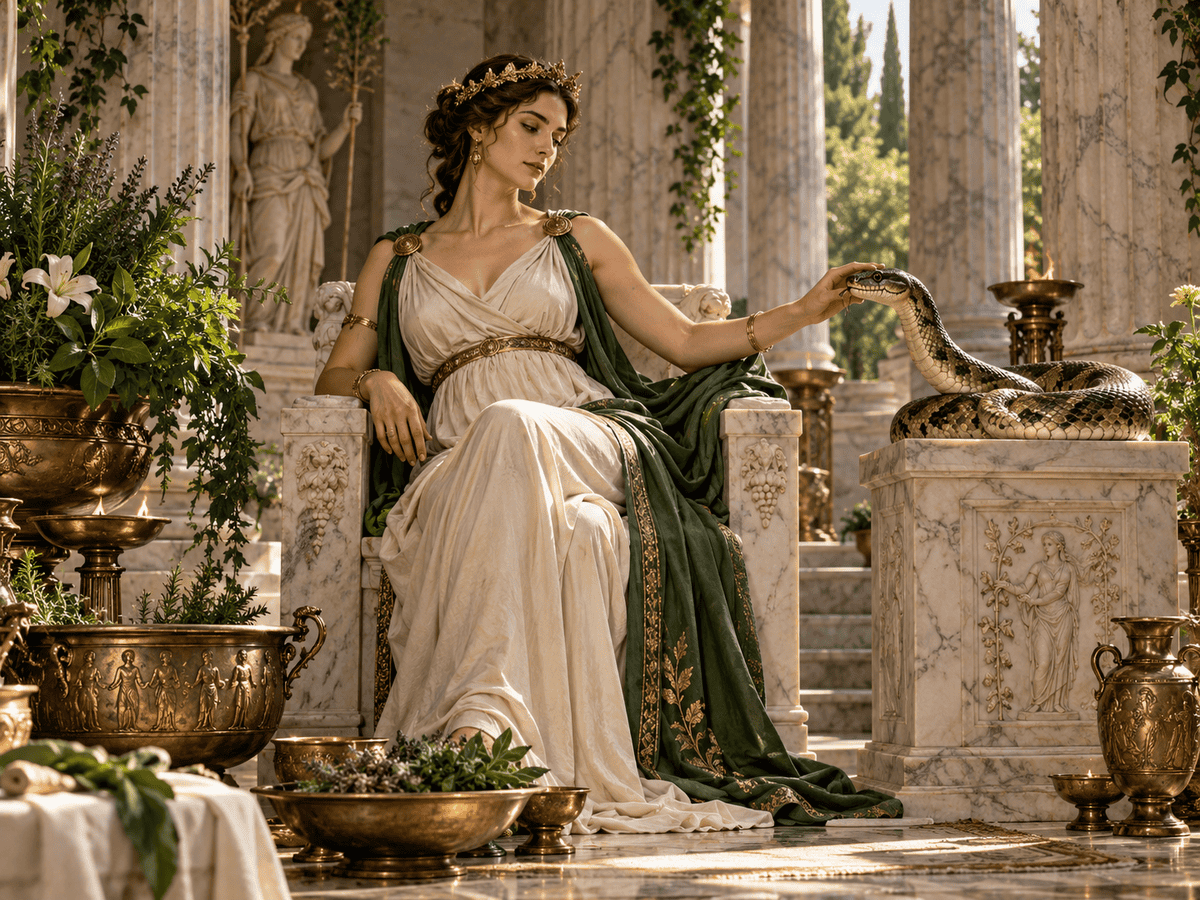
Snakes might seem like an unusual symbol for a goddess connected with healing.
But in the ancient Mediterranean world, they frequently appeared in religious traditions involving health and renewal.
The Greek healing god Asclepius, for example, was famously associated with a serpent.
Bona Dea also had connections with snakes. Ancient sources mention serpents in relation to her sacred spaces and rituals.
In Roman religious imagery, snakes could represent protective divine powers and the mysterious forces of nature.
Their ability to shed their skin also made them suitable symbols of renewal.
For Bona Dea, the serpent reinforced her connection with healing and sacred protection.
This does not mean every snake represented the goddess. But the animal held an important place within the symbolism surrounding her worship.
It also added another layer of mystery. Imagine entering a Roman sanctuary dedicated to a goddess whose ceremonies were already surrounded by secrecy.
Then discovering that serpents were among the animals associated with her sacred presence. It would certainly make the experience memorable.
5. Wine Was Served Under a Different Name During Her Rituals
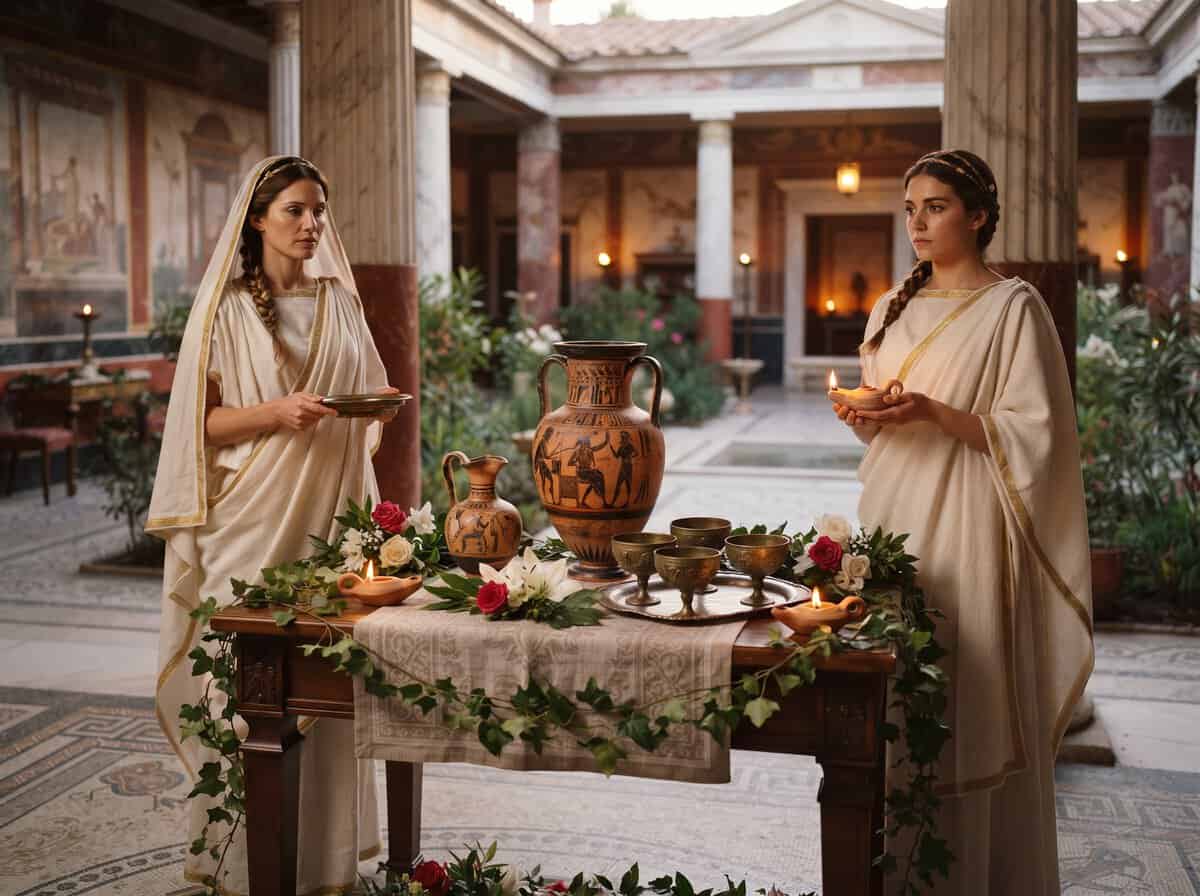
One of the strangest details about Bona Dea’s ceremonies involves wine. According to ancient accounts, wine was used during her secret festival.
But it was not openly called wine. Instead, it was referred to as milk. And the container holding it could be called a honey pot.
Why use different names for ordinary things? Ancient writers connected this custom with stories about the goddess and restrictions involving wine.
One legend described a woman associated with Bona Dea who was punished after drinking wine.
The story helped explain why wine became such a sensitive subject in her worship.
But the ritual still included it under symbolic names. This unusual practice shows how important language could be in Roman religion.
Words were not always casual descriptions. They could carry sacred meanings.
Changing the name of a substance might help distinguish its ritual use from ordinary everyday life.
The custom also reminds us that ancient religious ceremonies could contain rules that seem surprising today.
For the participants, however, those details were part of honoring the goddess properly.
6. Julius Caesar’s Household Became Involved in a Scandal About Her Festival
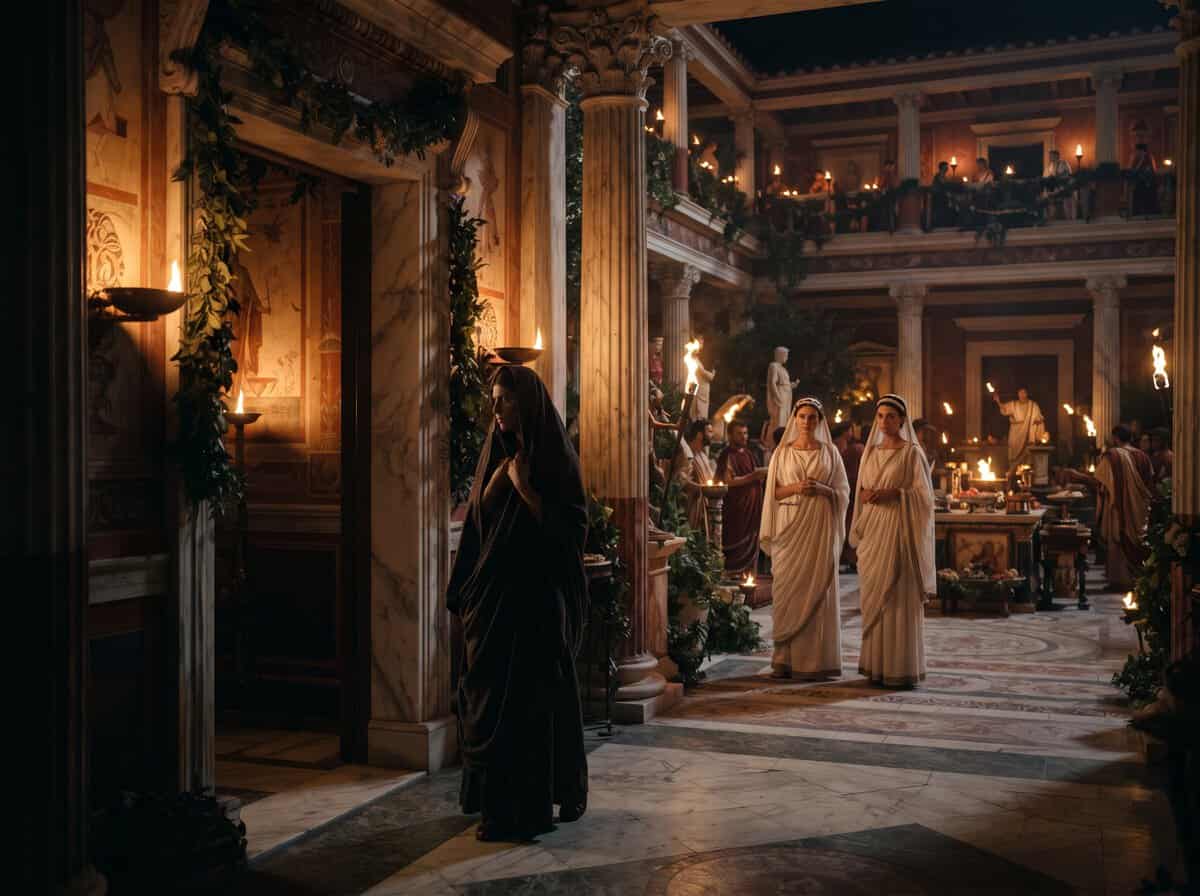
Bona Dea’s most famous appearance in Roman political history happened in 62 BCE.
That year, her secret festival was held in the house of Julius Caesar, who was serving as pontifex maximus, Rome’s chief priest.
Caesar’s wife, Pompeia, was involved in hosting the ceremony. Everything should have followed the usual rules.
Only women were supposed to be present. But a young Roman aristocrat named Publius Clodius Pulcher allegedly entered the house disguised as a woman.
Ancient accounts claimed he was attempting to meet Pompeia. His presence was discovered, and the incident caused an enormous scandal.
It was not simply a matter of someone attending a private gathering without permission.
Clodius had violated the restrictions surrounding an important religious ceremony.
The affair became a major political controversy. Clodius was eventually tried on a charge connected with sacrilege, although he was acquitted.
Caesar also divorced Pompeia. Later writers connected the divorce with the famous idea that Caesar’s wife must remain above suspicion.
Whether every detail of the surviving accounts is accurate remains debated. But the scandal shows how seriously Romans could take Bona Dea’s sacred rules.
A single violation became an event remembered for more than two thousand years.
7. Bona Dea Had a Temple on the Aventine Hill
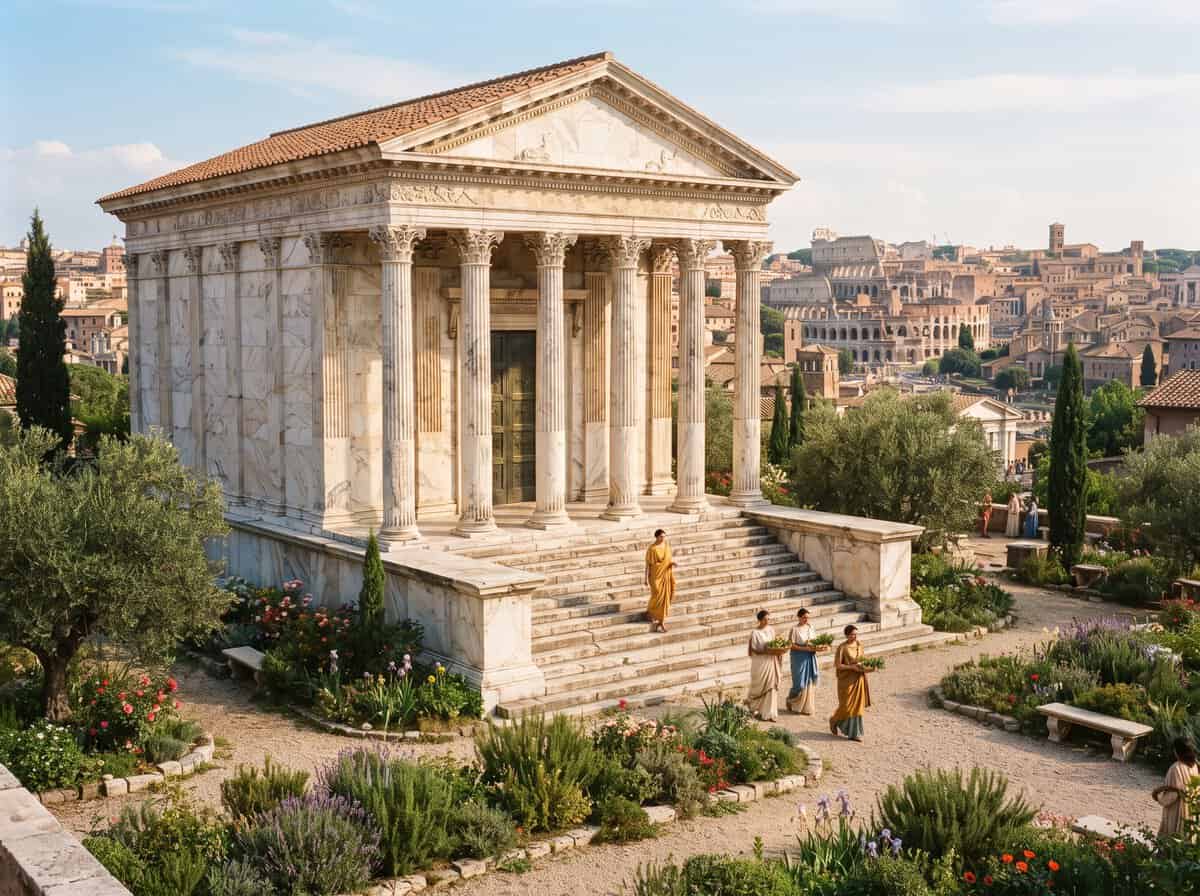
Although her December festival was famously private, Bona Dea was not worshipped only inside wealthy Roman homes.
She also had a sanctuary on the Aventine Hill. The Aventine was one of Rome’s seven hills and had associations with important religious traditions.
Bona Dea’s temple gave her a recognized place in the city’s sacred landscape.
Ancient sources connect the sanctuary with women’s religious activity and healing.
The temple also helps us understand that Bona Dea’s worship had more than one form.
Her secret December ceremony was only part of her religious life. She was also honored through public religious institutions and other observances.
A festival associated with her took place on May 1. That springtime date seems especially fitting for a goddess connected with fertility, health, and the natural world.
The existence of a temple also reminds us that secrecy did not make Bona Dea unimportant.
Quite the opposite. Her worship was established enough to occupy a place within Rome itself.
She belonged to the religious life of the city, even if some of her most sacred traditions remained hidden.
8. Her Mysteries Were Never Completely Revealed

Perhaps the most fascinating thing about Bona Dea is how much remains unknown. Ancient Roman writers were curious about her.
They recorded stories explaining her identity, discussed her sacred rules, and described the scandal involving Clodius.
Yet none of these accounts gives us a complete picture of her most private ceremonies.
We do not know every prayer spoken during her festival. We cannot reconstruct all the rituals performed by the women who attended.
And we cannot be certain which explanations of her identity were accepted by the worshippers themselves.
That uncertainty is important. Ancient religious life was not always recorded in books for future generations.
Some traditions were preserved through participation. Others depended on knowledge passed between specific groups.
Bona Dea’s secret ceremonies belonged to a world where sacred knowledge could be restricted.
And because the participants protected that knowledge, much of it disappeared with the religion itself.
Still, the surviving details reveal a remarkable goddess. She was connected with healing, fertility, protection, sacred plants, and women’s religious authority.
She had her own temple, festivals, and traditions. And she became involved in one of the most memorable scandals of Roman history.
But beneath all those stories, Bona Dea remains the Good Goddess. A divine figure whose greatest mysteries were never fully explained.
Perhaps that is exactly why she continues to fascinate people today.

Ho sempre sentito una forte connessione con il Divino fin dalla mia nascita. Come autrice e mentore, la mia missione è aiutare gli altri a trovare l'amore, la felicità e la forza interiore nei momenti più bui.