

People have, throughout history and around the world, carried things they thought might save them from unseen powers. An amulet can be a religious symbol, a stone, a written prayer, a piece of jewelry, an object sanctified in a spiritual ritual, or an eye-shaped charm.
Some were designed to deflect envy. Others were said to provide protection against curses, illness, misfortune, or evil spirits.
Science has yet to prove that an amulet may generate a magical protective barrier, but belief in these things persists astonishingly.
Can a normal item be made spiritually potent, or is it the belief in what others see it represent that protects it?
1. Protective Amulets Are Much Older Than You Might Think
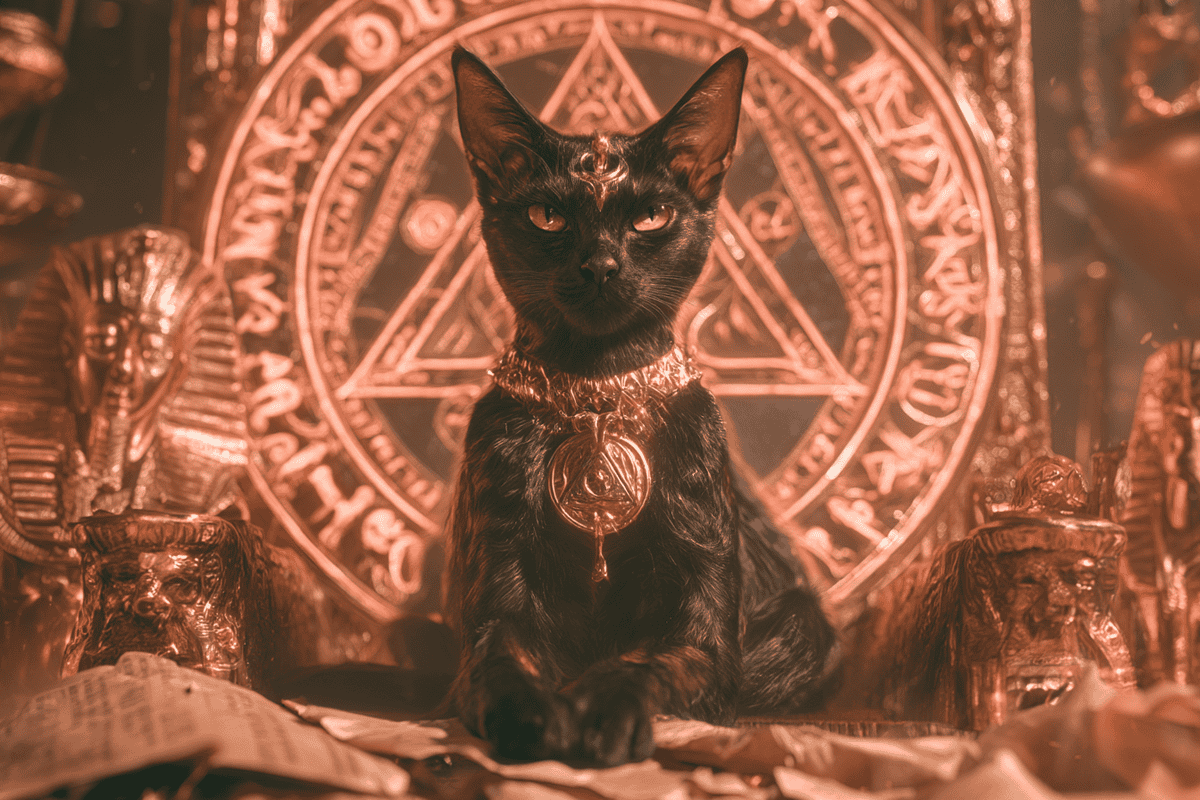
Spirituale protezione isn’t a new idea. Small artifacts were made by ancient civilizations to defend their owner from perils, both physical and spiritual.
Egyptians were famed for making amulets in countless varieties, and protective charms popped up all over the Mediterranean, Middle East, Europe, Asia, and beyond.
Their purposes were different depending on the culture. Some were associated with gods, some with health, fertility, luck, or protection against evil powers.
The amazing thing is not that one society believed in them; it’s how geographically different tribes came up with the same notions again and again: that danger may be rejected, that protection could be built.
2. The Evil Eye Is One Of The Oldest Fears Behind Them
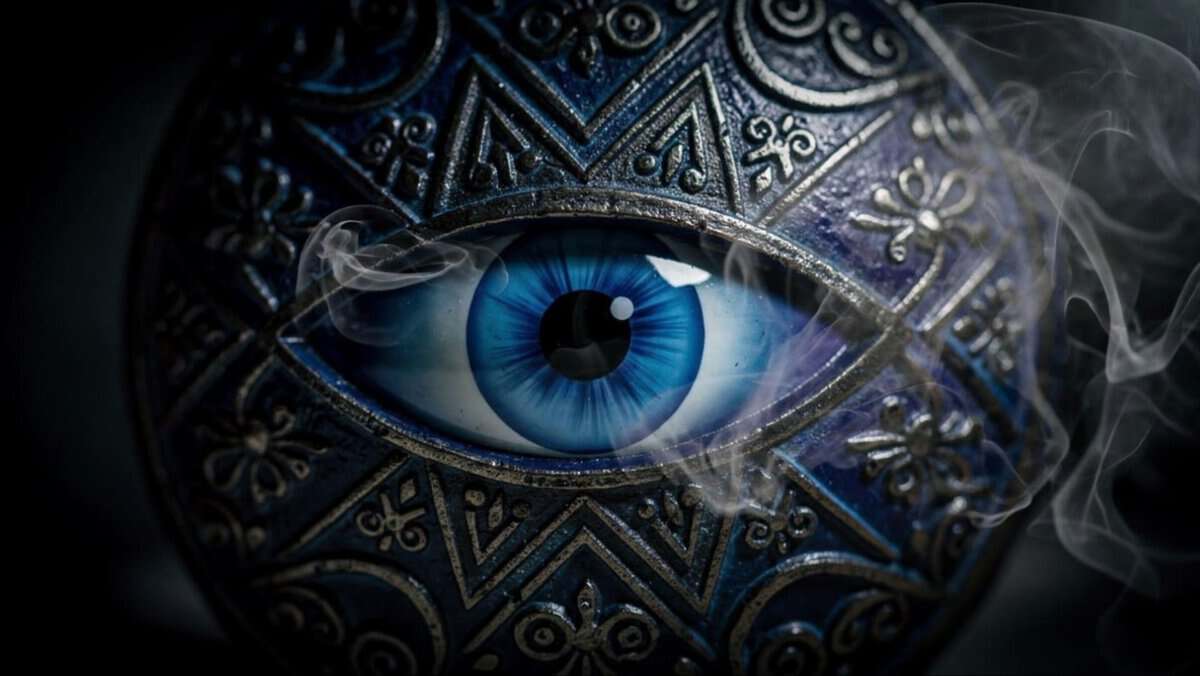
Amulets were worn to protect against the evil eye, an ancient superstition, which is one reason why they were so common. In many civilizations, envy or a hostile glance was believed to cause misfortune, illness, or other problems.
In particular, eye-shaped charms were popular as symbolic protection against this menace. Variations are still frequent in the Mediterranean, Middle East, Balkans, and adjacent areas.
The concept stems from an old human fear: not everyone who admires your happiness has your best interests at heart. The amulet was a symbolic barrier between personal benefits and the negativity of others.
3. Some Traditions Believe The Amulet Absorbs The Harm

One particularly bizarre idea is that an amulet is not just a negation of negativity. It may soak it up. Or intercept it. And hence, the sudden breakdown of a protective charm can have special significance in some spiritual readings.
Some think the object was carrying something nasty intended for its owner, and that breaking it was bad luck. Sure, jewelry breaks for any number of physical reasons, and there’s no scientific means to prove such a thing absorbed supernatural energy.
But the symbolism is still potent. A shattered protective charm can feel like a dramatic message. Others believe that it stopped harm from coming to you. Whatever was coming your way hit the protection first.
4. The Material Itself Can Carry Spiritual Meaning
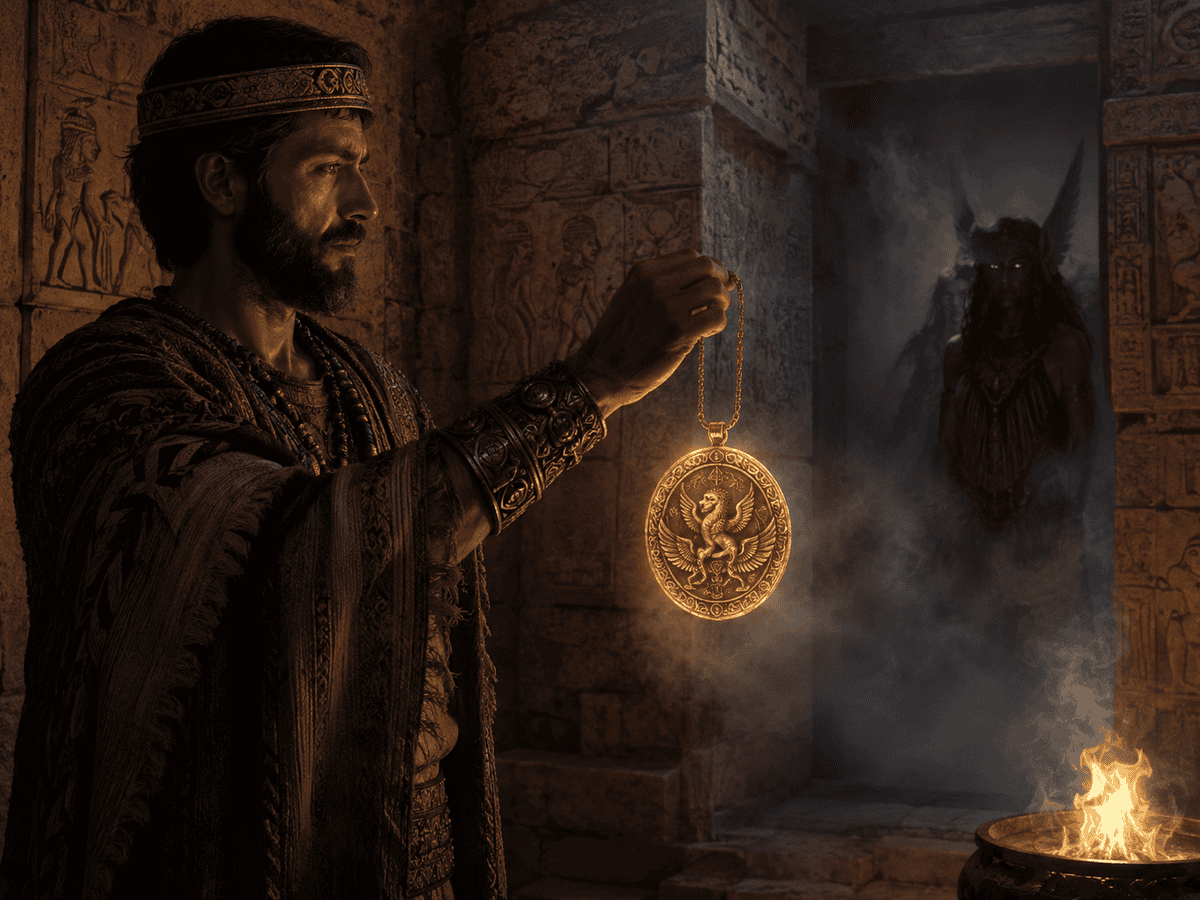
Traditional amulets aren’t constructed out of just anything. In many cultures, certain stones, metals, plants, colors, symbols, and natural items have been assigned protective meanings.
Iron, for example, is associated with protection against otherworldly beings in European mythology. Many stones have developed spiritual connections throughout generations.
These traditions differ greatly, and there is no single “protective material.” Common stones and metals are not scientifically believed to be able to stop otherworldly forces. However, the symbolic choice of a particular material can associate the wearer with generations of spiritual belief and practice.
5. Some People Believe An Amulet Must Be Activated

In certain spiritual beliefs, just buying an object is not seen to be enough to make it protettivo. The amulet may require blessing, prayers, cleansing, charging, or dedication for a specific purpose.
In reality, the actual practice varies widely from one religion or spiritual tradition to another. Some believe that the power of the amulet is in the purpose. Some believe that the amulet itself does not have power and that protection comes from a divine or other sacred source.
There is no scientific proof that rituals actually give physical items supernatural characteristics. But psychologically and spiritually, ritual can modify the experience of an object. It stops being just decorative; it becomes an intentional guarantee of safety.
6. Religious Traditions Don’t All View Amulets The Same Way

Adding religion to the debate complicates the spiritual meaning of amulets. Some believers wear religious items as a reminder of divine protection, prayer, or faith.
Other theological beliefs caution against assuming that an object possesses supernatural power in and of itself.
Do people trust the sign, the thing the symbol represents, or some invisible force they think has been imbued into it? Different traditions will answer the question differently.
7. Believing You’re Protected Can Change How You Feel

Even in the absence of supernatural proof, a protective object can have a real psychological effect. Something worn that has to do with safety may help a person feel calmer, more confident, or spiritually connected.
Such a change in mindset can affect their reactions to stressful circumstances. For example, a charm you inherited from your grandmother may be comforting since it symbolizes love, family, and continuity.
It proves that symbols can influence human feelings in profound ways.
8. Strange Coincidences Keep The Belief Alive

The occurrence of the strange events is what makes an amulet story truly interesting. A charm is broken just before an accident is stopped. A protecting necklace is lost in a time of trouble.
Someone gets an amulet and then suddenly a streak of bad luck ends. When these tales happen to us personally, they can seem impossible to ignore. Humans tend to remember events that seem to be tied together.
In spiritual terms, some would call this synchronicity, not coincidence. Supernatural or not, these encounters are one reason why belief in protection artifacts has lasted for generations.
9. An Amulet Should Never Replace Real Protection

No matter how much you believe in spiritual protection, an amulet is no substitute for practical action.
A charm does not substitute for medical treatment, personal limits, home protection, professional guidance, or getting out of a truly dangerous situation.
Spiritual practices are safer when they supplement, rather than replace, real-world measures. It’s not enough to just put on protection and keep enduring it if someone is continually hurting you. The same goes for health or physical danger.
10. Perhaps The Real Power Is What The Amulet Represents

So, can an amulet really protect against evil? There is no concrete proof that charms can ward against curses, spirits, or supernatural forces. But that argument doesn’t really explain the longevity of protective objects across thousands of years.
For believers, an amulet can be prayer, divine protection, ancestral tradition, intention, or the notion that unseen negativity is not all-powerful. Perhaps its greatest influence is to remind the user of what they trust when dread comes.
Whether the protection is supernatural, psychological, symbolic, or spiritual is a question of belief. Maybe that uncertainty is why amulets are so interesting.

Born and raised in Bosnia and Herzegovina. Ever since I was a little girl, my imagination knew no bounds. I remember vividly how I’d scribble down short stories, each page bursting with adventures and characters conjured up from the whimsy of my mind. These stories weren’t just for me; they were my way of connecting with my friends, offering them a slice of my fantasy world during our playtimes. The joy and excitement on their faces as we dived into my fictional realms motivated me to keep writing. This early passion for storytelling naturally evolved into my pursuit of writing, turning a childhood hobby into a fulfilling career.