
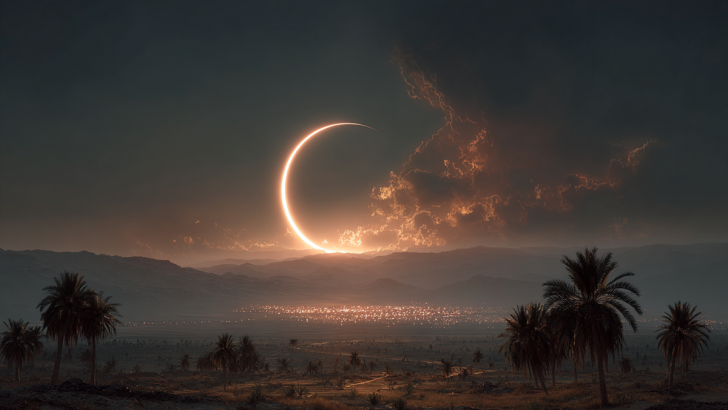
Before telescopes, space agencies, and people arguing online about astrology, ancient civilizations looked up at the sky and saw something far more personal: divinity with a schedule.
When the heavens did something unusual, it wasn’t “a rare astronomical event”—it was a god showing up, making demands, or silently judging humanity.
Here are ten celestial events that ancient cultures didn’t just observe, but actively worshipped, feared, and occasionally tried to appease with offerings.
1. The Sun Rising (Yes, Every Single Day)

To ancient cultures, the sun wasn’t a star—it was a living god pulling off the ultimate daily miracle. Egyptian Ra sailed across the sky by day and fought chaos monsters by night, while the Inca worshipped Inti as the literal source of life and power.
The fact that the sun kept coming back was proof that the universe still approved of humanity… for now.
2. Solar Eclipses
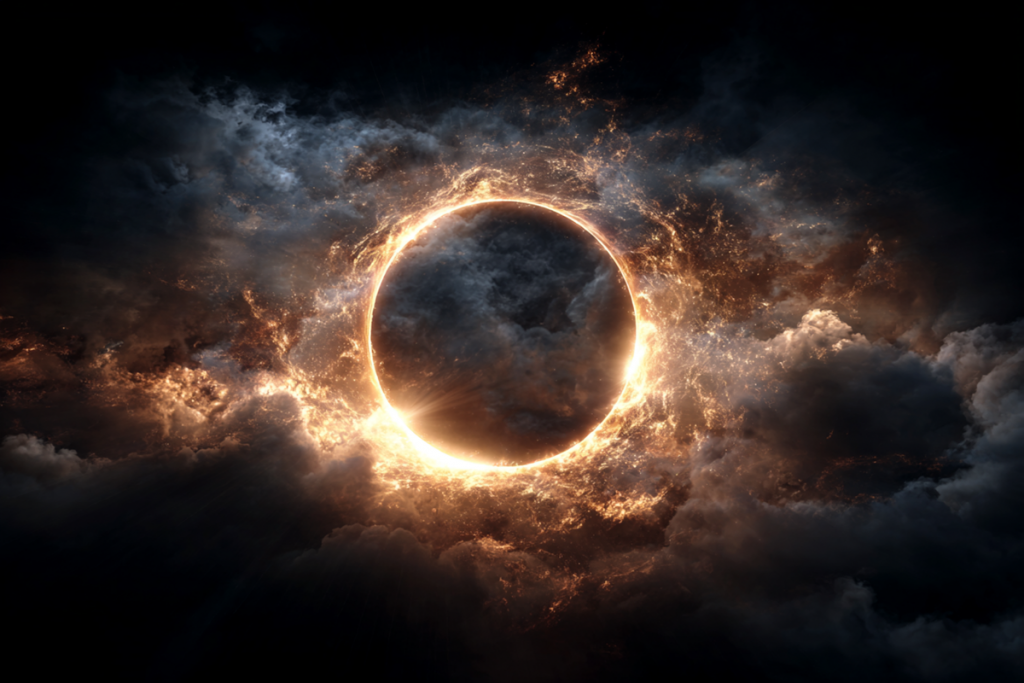
Nothing says “the gods are furious” like the sun abruptly disappearing in the middle of the day. Ancient cultures worldwide believed solar eclipses were divine warnings, cosmic battles, or gods temporarily withdrawing their favor.
Drums were beaten, prayers shouted, and sacrifices offered—all in hopes the sun would return and not take civilization with it.
3. Lunar Eclipses
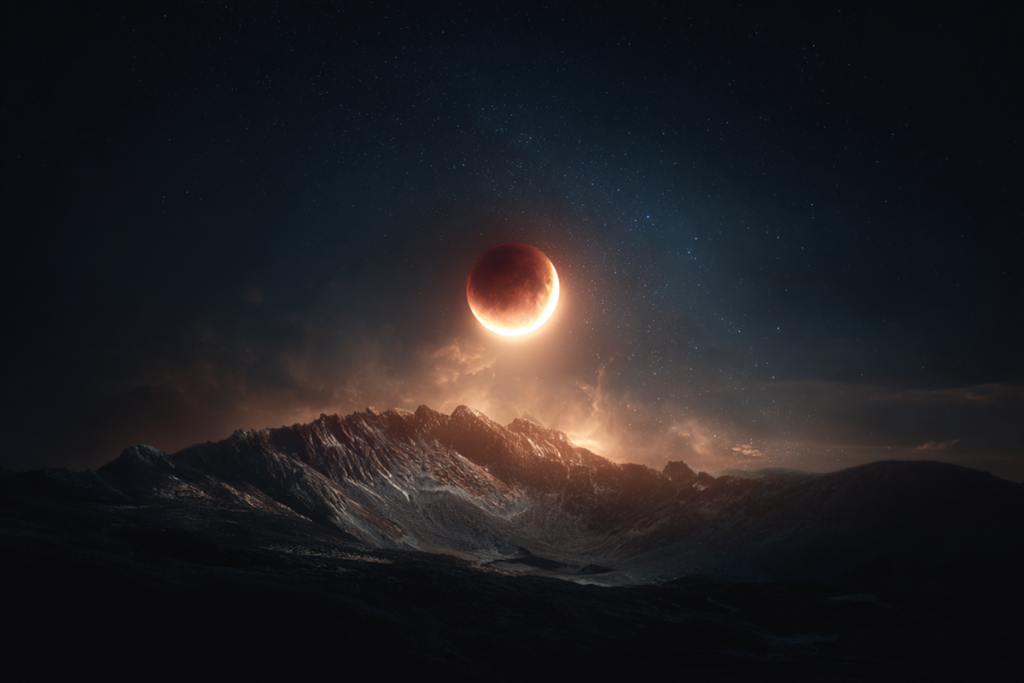
If the moon turned red, it clearly meant something had gone terribly wrong. Many cultures believed a demon, jaguar, or dragon was attacking the moon, prompting frantic rituals to scare the creature away.
The idea that Earth’s shadow caused the event would have sounded deeply underwhelming—and far less terrifying.
4. The Full Moon
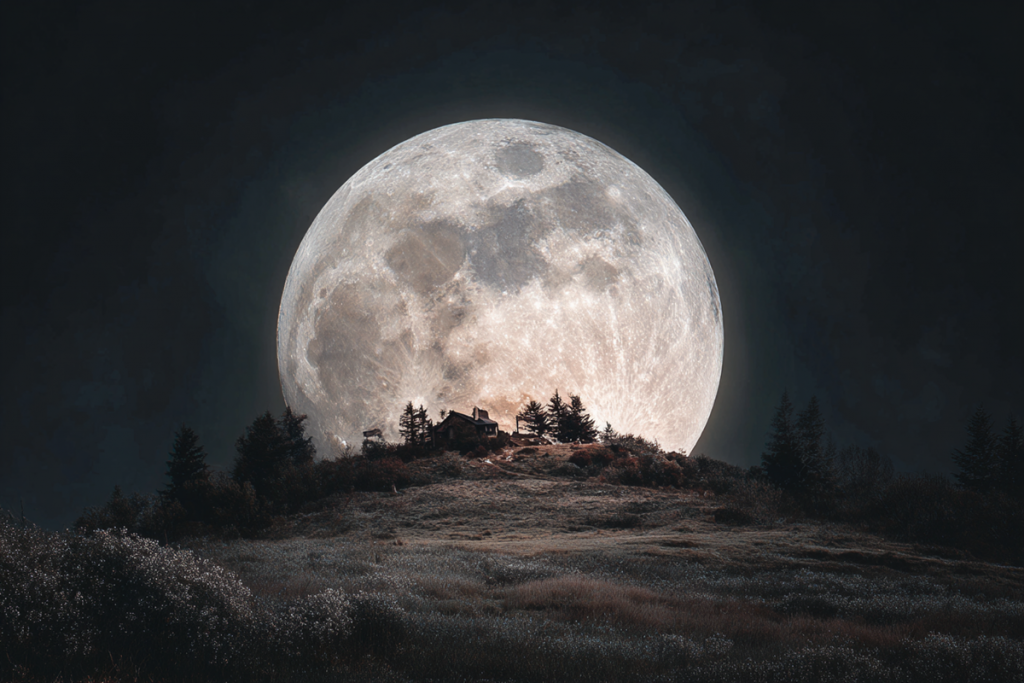
The full moon wasn’t just pretty—it was powerful, moody, and emotionally suspicious. Ancient societies linked it to fertility, madness, prophecy, and spiritual heightened states.
Moon deities like Selene, Artemis, and Chandra ruled over cycles, intuition, and the strange realization that people really do act differently under a full moon.
5. The New Moon
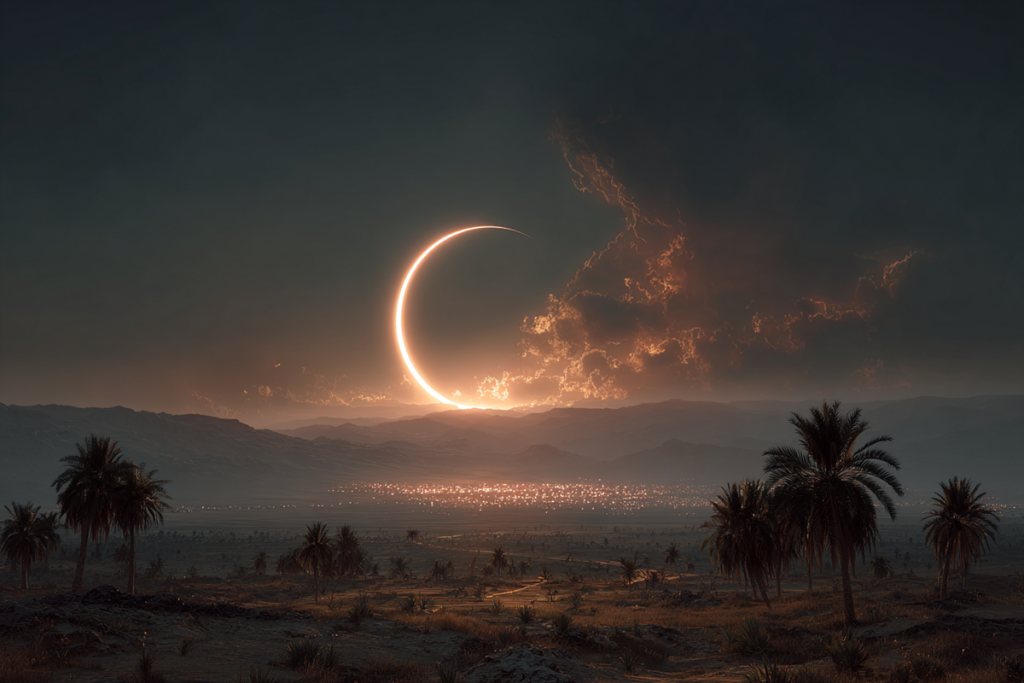
Invisible but influential, the new moon was seen as a sacred reset point.
Ancient cultures believed it marked divine beginnings, soul renewal, and spiritual rebirth. It was the moon quietly whispering, “Start over—but do it wisely this time.”
6. Planets That ‘Wandered’ the Sky
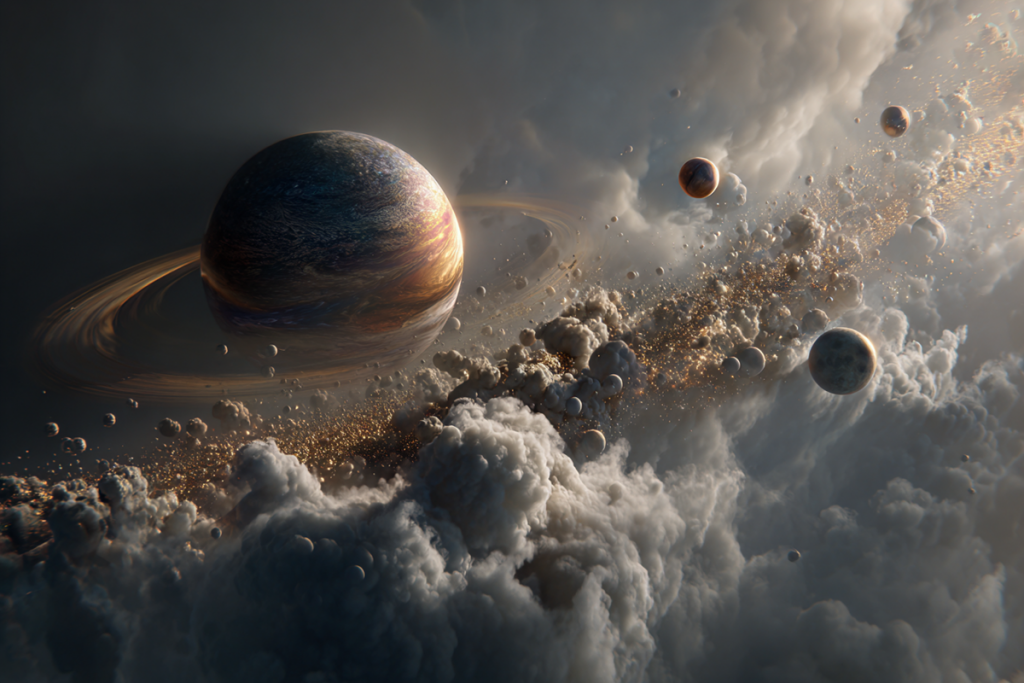
Unlike fixed stars, planets moved—and ancient astronomers found this deeply suspicious.
These wandering lights were interpreted as gods walking through the heavens, influencing war, love, death, and fate. Mars wasn’t just red; it was arrabbiato. Venus wasn’t just bright; it was irresistibly seductive.
7. Comets
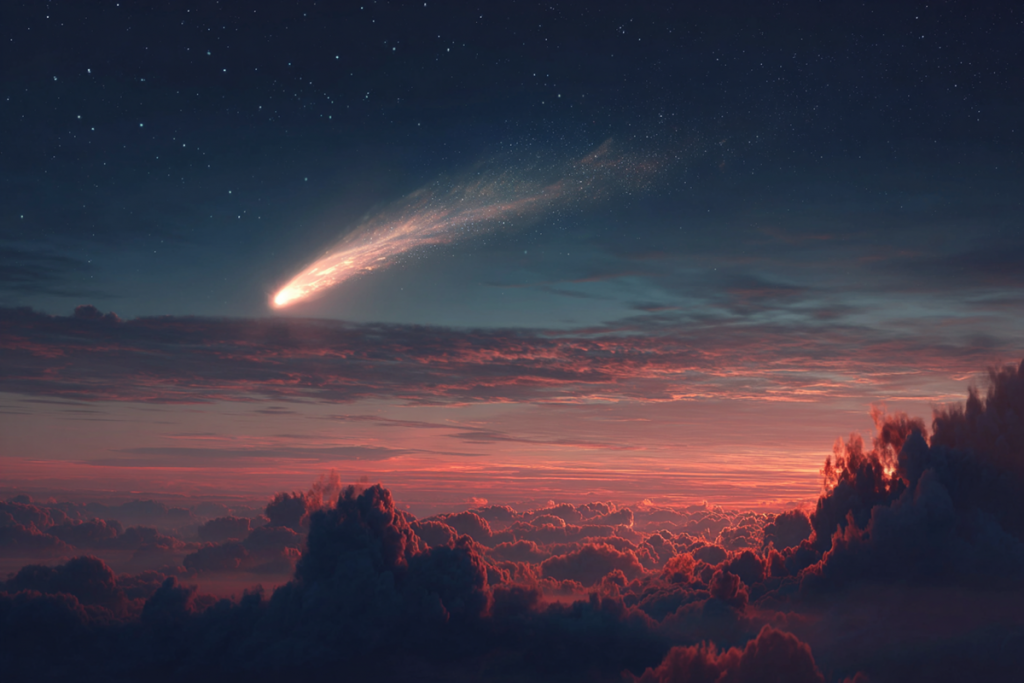
Comets were the ultimate celestial drama queens.
Appearing without warning and refusing to follow rules, they were viewed as gods of destruction, messengers of doom, or cosmic announcements that something—usually unpleasant—was imminent. If a comet appeared, rulers panicked and priests got very busy.
8. Meteor Showers
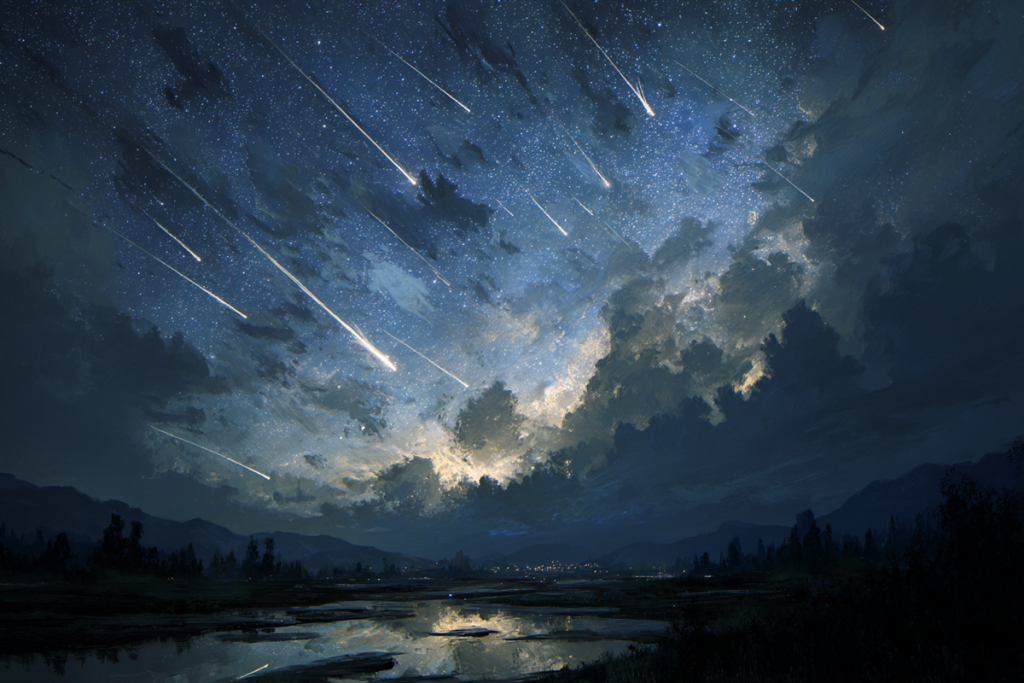
When the sky literally started throwing fire, ancient people assumed the heavens were either celebrating or losing patience.
Falling stars were seen as divine messages, blessings, or souls traveling between worlds. Even today, the instinct to make a wish proves some beliefs never fully went extinct.
9. The Milky Way
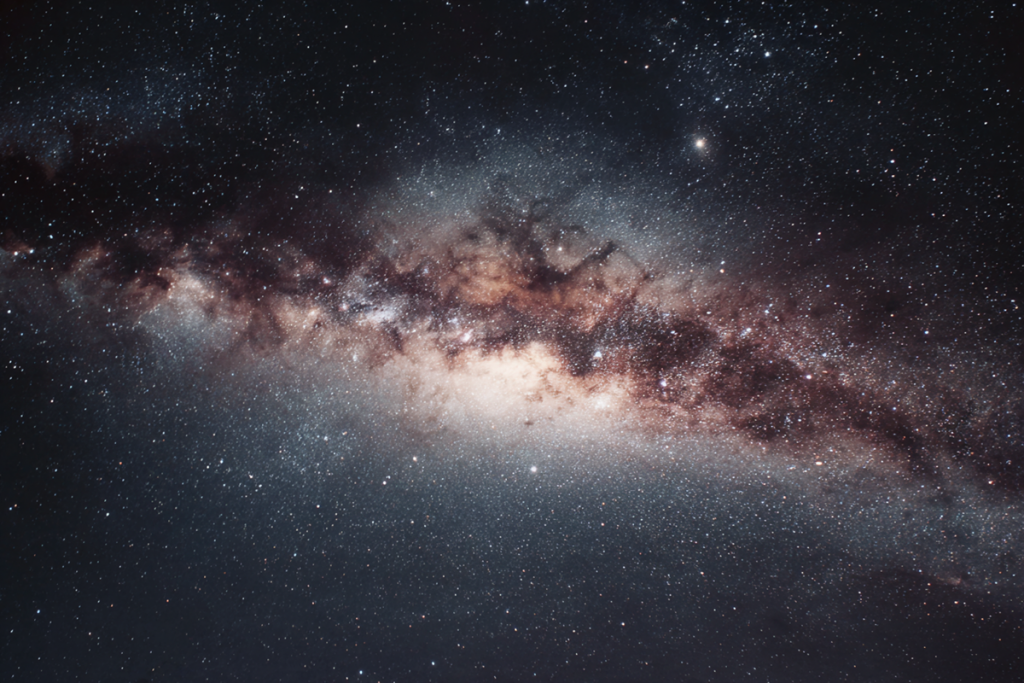
That glowing river across the night sky was interpreted as a divine path, cosmic milk, or the souls of the dead traveling home.
In many mythologies, it was the road gods used to move between realms. A galactic highway, but significantly more sacred.
10. The Changing Seasons
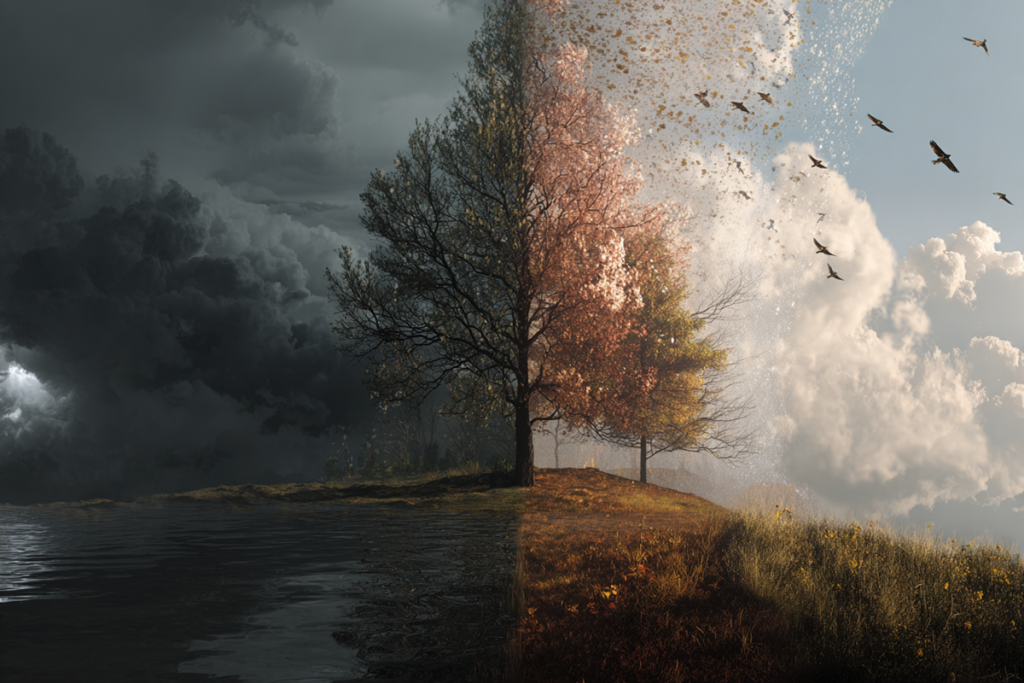
While technically caused by Earth’s tilt, ancient cultures credited gods with controlling the rhythm of time itself.
Deities like Demeter, Persephone, and Osiris governed death, rebirth, and harvest cycles. When winter arrived, it wasn’t weather—it was divine grief.

Lover of good music, reading, astrology and making memories with friends and spreading positive vibes! 🎶✨I aim to inspire others to find meaning and purpose through a deeper understanding of the universe’s energies.