
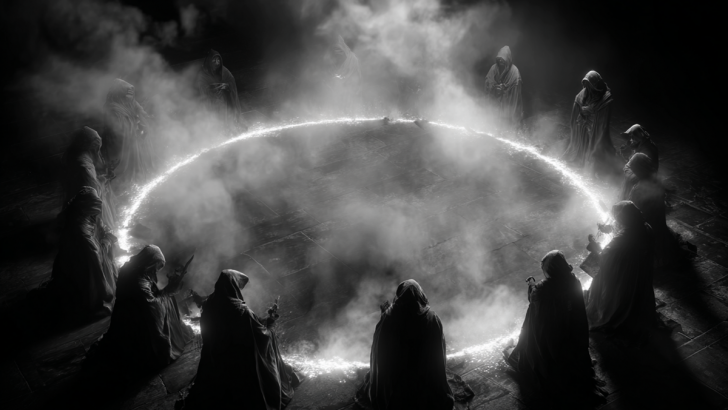
America’s small towns are often associated with quiet streets, close-knit communities, and comforting traditions. But beneath the surface, many towns preserve eerie rituals, legends, and customs that have been passed down for generations.
Some originated from religious fear, others from misunderstood events, and many from deeply rooted folklore. While most of these practices are symbolic rather than genuinely dangerous, their chilling origins reveal how fear, superstition, and storytelling shaped local traditions.
Here are seven dark rituals and legendary practices from small towns across America that continue to fascinate, disturb, and intrigue.
1. The Bell Witch Summoning Ritual – Adams, Tennessee
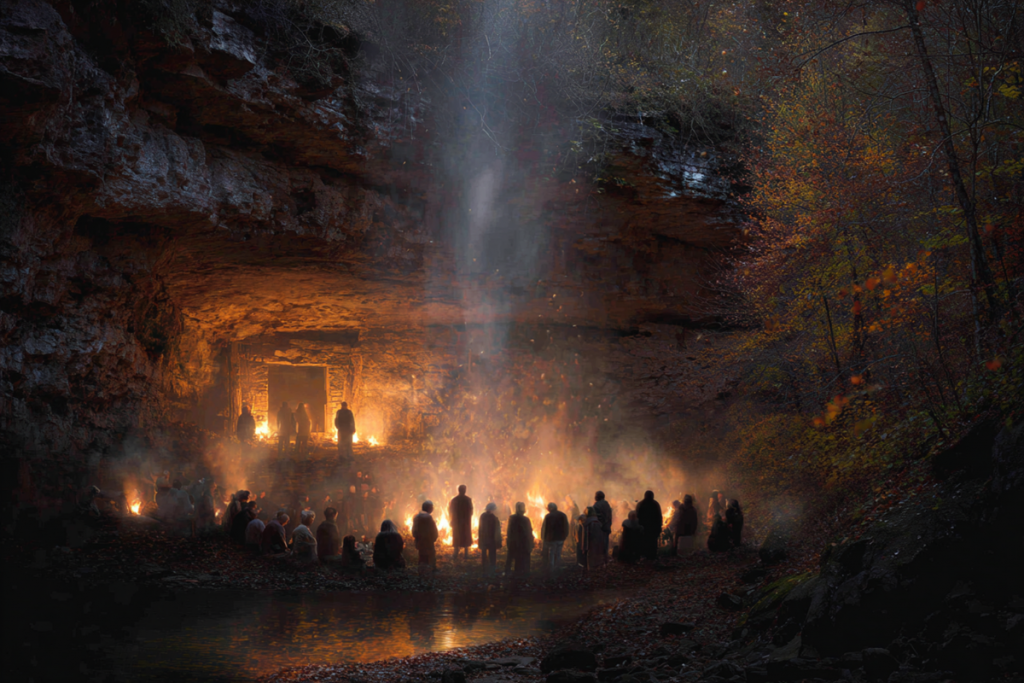
One of America’s most famous paranormal legends centers around the Bell Witch haunting of Adams, Tennessee, dating back to 1817. According to historical accounts, the Bell family was tormented for years by an unseen entity that could speak, move objects, and physically attack family members.
Over time, locals developed rituals to attempt communication with the spirit, including nighttime gatherings, spoken invitations, and prayer-based séances performed near the Bell family property. Some even claimed the spirit responded to direct questioning.
These summoning rituals were meant to either calm the spirit or prove its existence, though they often fueled further hysteria. The Bell Witch legend remains one of the most thoroughly documented supernatural cases in American folklore.
2. Masonic Cave Ceremonies – Malheur Cave, Oregon
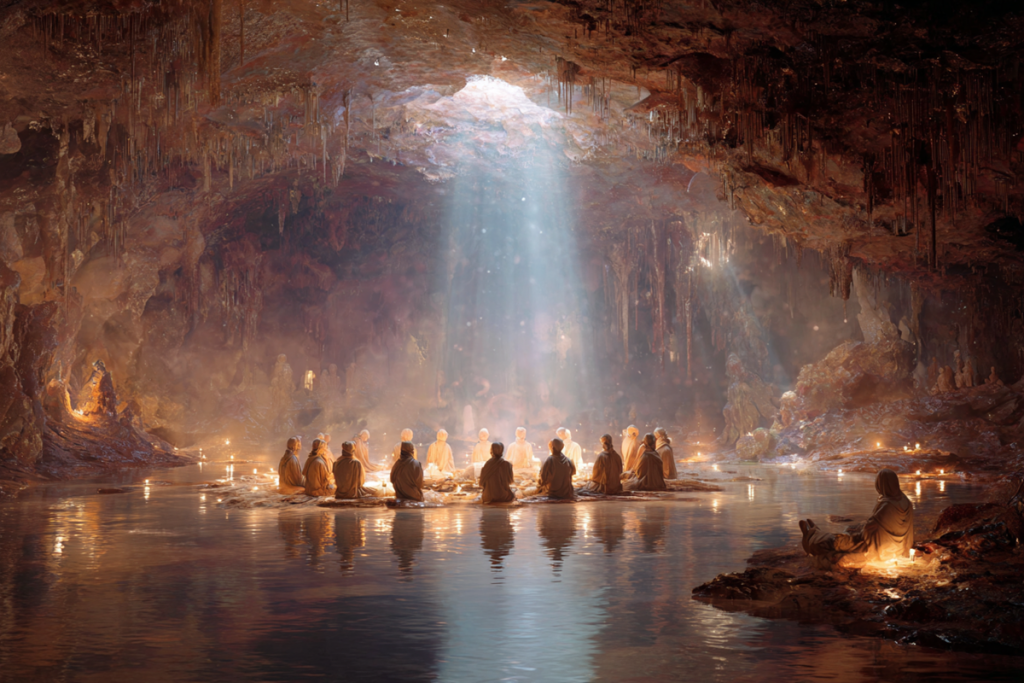
Malheur Cave in rural Oregon has long been associated with secretive ceremonial gatherings. Since the late 1930s, members of a local Masonic lodge reportedly used the massive lava-tube cave for invitation-only meetings involving symbolic rites, candle-lit ceremonies, and ritualized speeches.
While modern conspiracy theories exaggerate these gatherings as “satanic rituals,” historical sources confirm structured ceremonial traditions tied to Freemasonry. The cave’s underground lake, natural stone altar, and secluded location only fueled rumors.
Though the meetings themselves were symbolic and ceremonial rather than sinister, their secrecy gave rise to chilling folklore that continues to surround the cave today.
3. The Jersey Devil Birth Curse Ritual – Pine Barrens, New Jersey
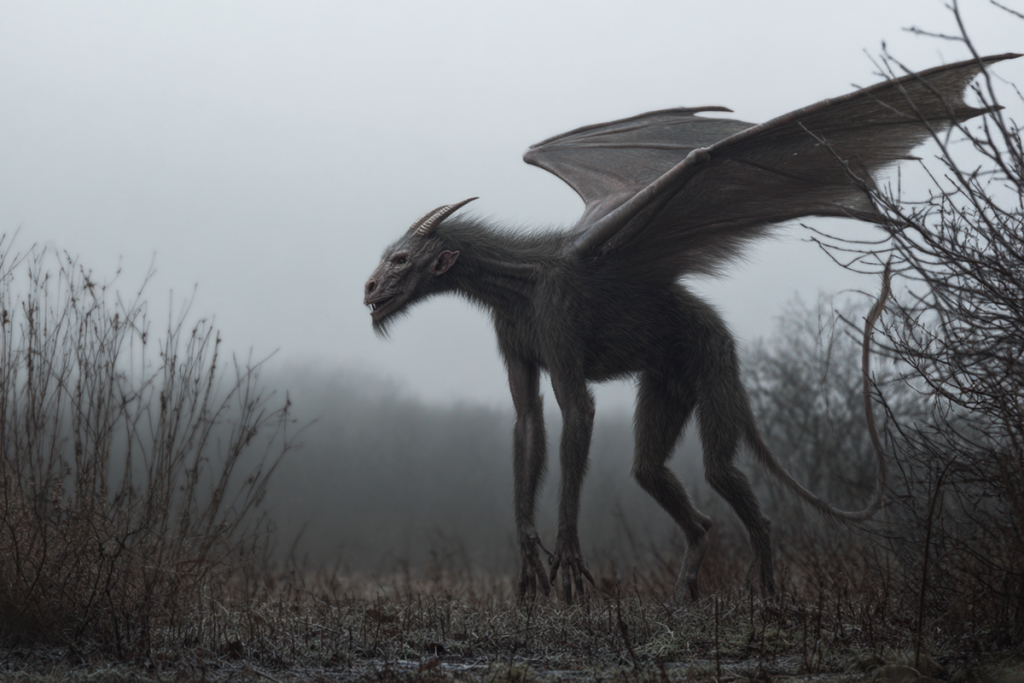
The legend of the Jersey Devil traces back to 1735, when Mother Leeds allegedly cursed her unborn 13th child, causing it to transform into a monstrous creature. According to folklore, local settlers practiced protection rituals to ward off the beast, including hanging talismans, carving protective symbols into trees, and performing spoken blessings at night.
While there’s no proof these rituals had any supernatural effect, they became a communal coping mechanism against fear. The Pine Barrens remains one of America’s most famous supernatural hotspots, and sightings of the Jersey Devil continue to fuel local superstition centuries later.
4. The Edna Collins Bridge Summoning Ritual – Indiana
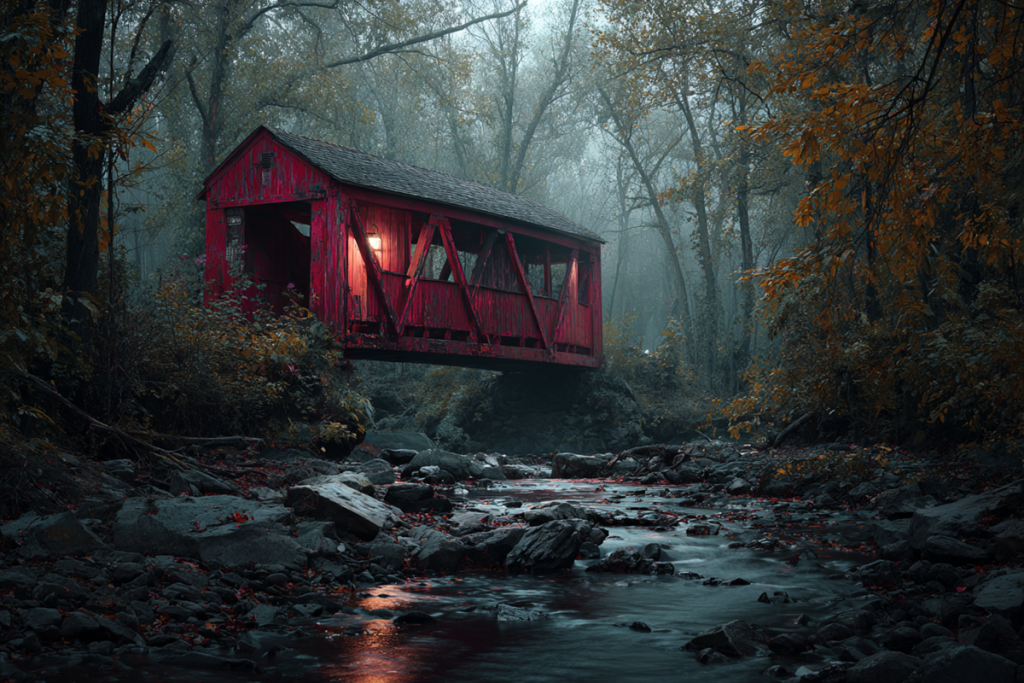
In Putnam County, Indiana, a chilling ritual developed around the haunted Edna Collins Bridge. Local legend claims that honking three times while parked on the bridge can summon the ghost of a drowned young girl.
Some versions of the ritual involve turning off the car engine, sitting in silence, and waiting for unexplained noises, handprints, or shadowy figures. The practice became a rite of passage among teenagers, blending fear, curiosity, and folklore.
Though the ghost story lacks historical verification, the ritual itself has persisted for decades, reinforcing how ritual behavior can grow around local tragedy narratives.
5. Vampire Grave Staking Tradition – Lafayette, Colorado
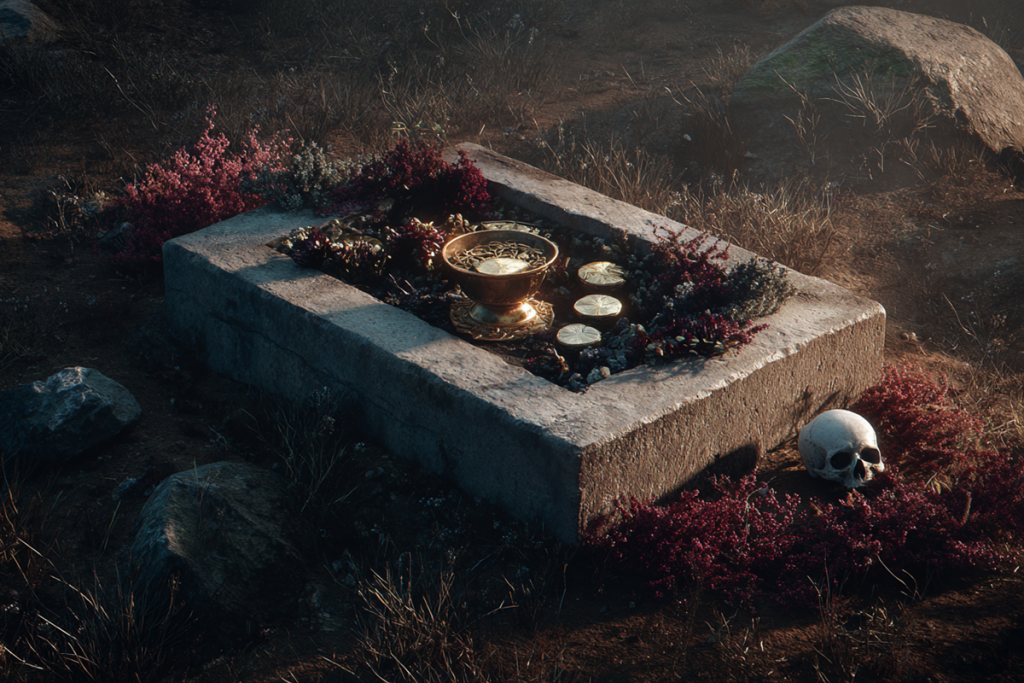
The legend of the Lafayette Vampire dates back to the early 20th century and centers on Teodor Glava, a Romanian immigrant buried in the local cemetery. His gravestone listing “Transylvania” sparked rumors that he was a vampire.
Local folklore claims townspeople exhumed his body and drove a stake through his heart as a protective ritual.
Though historical records show no evidence of grave tampering, symbolic rituals soon developed, including leaving offerings, protective charms, and visiting the grave during full moons. This ritualized folklore transformed an ordinary burial site into one of Colorado’s most chilling legends.
6. Goatman Luring Rituals – Louisville, Kentucky
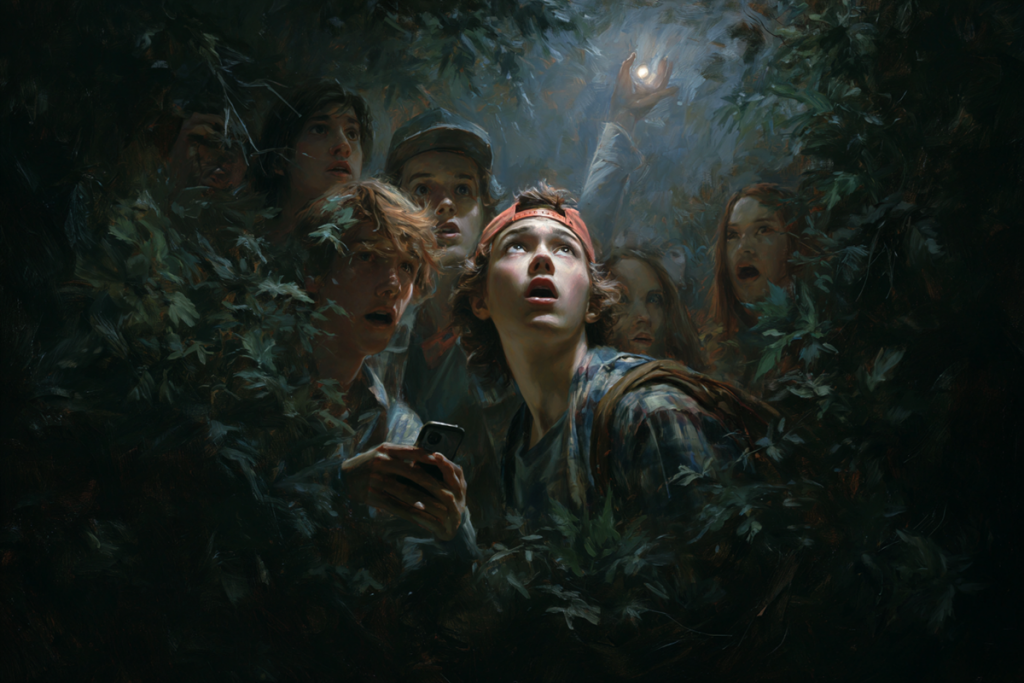
The Pope Lick Monster, also known as the Goatman, is said to inhabit a railway trestle near Louisville, Kentucky. Urban legend claims that chanting the creature’s name, calling into the darkness, or daring friends to cross the bridge can summon it.
These rituals, often performed by teenagers seeking thrills, have resulted in tragic accidents due to train traffic. Despite the obvious dangers, the summoning rituals remain part of local lore, demonstrating how legend-driven behavior can carry real-world consequences.
7. Satanic Panic Forest Rituals – Crawford Road, Virginia
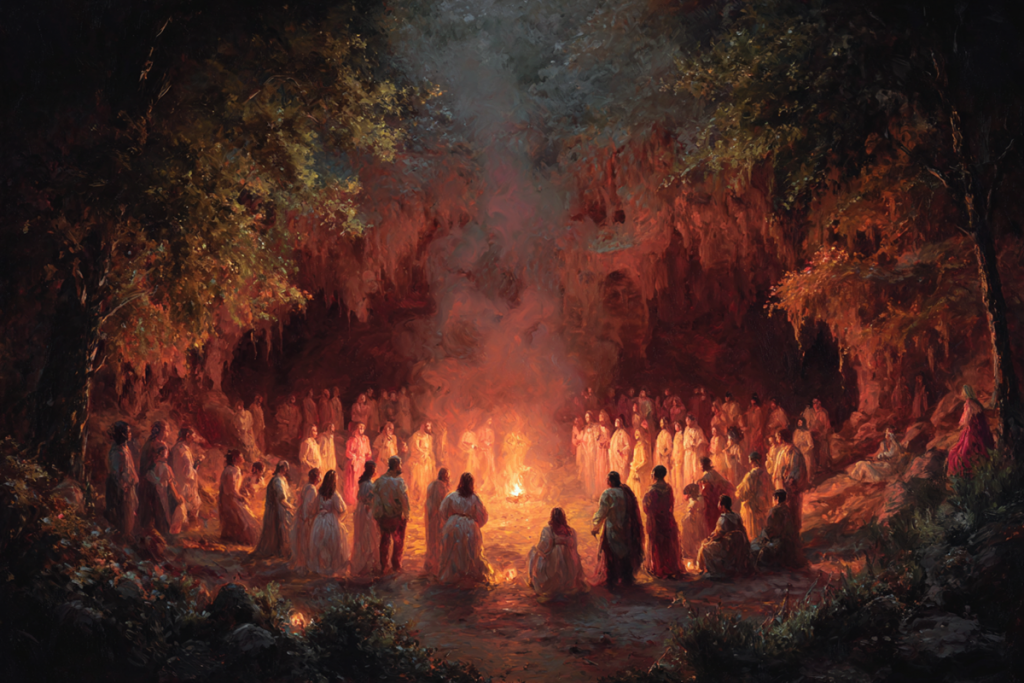
During the 1980s and 1990s Satanic Panic, wooded areas near Crawford Road in Yorktown, Virginia became associated with rumors of cult rituals and animal sacrifices. Local teens spread stories of midnight gatherings, makeshift altars, and whispered chants meant to summon dark forces.
While law enforcement never confirmed organized cult activity, the fear-driven rituals persisted among locals, becoming a symbolic expression of paranoia and cultural anxiety. Even today, the area remains infamous, proving how fear itself can generate ritualized behavior.
8. Final Thoughts
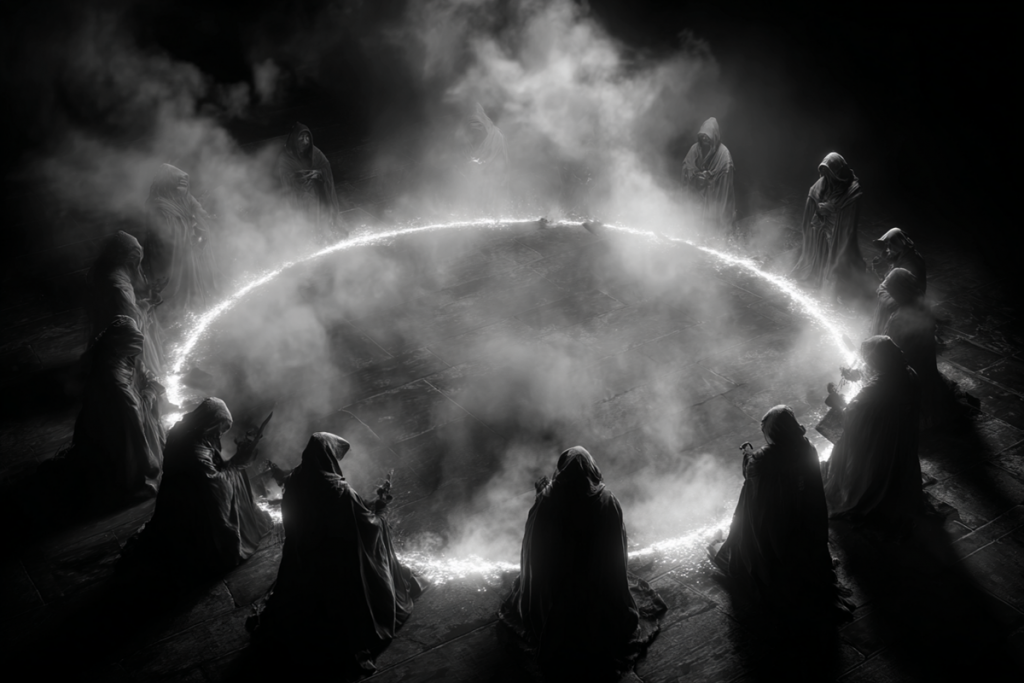
These dark rituals reflect humanity’s long-standing need to explain fear, tragedy, and the unknown. Most originated not from evil intent, but from grief, misunderstanding, or collective anxiety. Over time, stories hardened into rituals, and rituals transformed into legend.
While none of these practices are proven to involve real supernatural forces, their cultural power remains undeniable. They remind us that even in America’s quietest towns, shadows of history, belief, and imagination continue to shape how people interact with fear—and with each other.

Lover of good music, reading, astrology and making memories with friends and spreading positive vibes! 🎶✨I aim to inspire others to find meaning and purpose through a deeper understanding of the universe’s energies.