
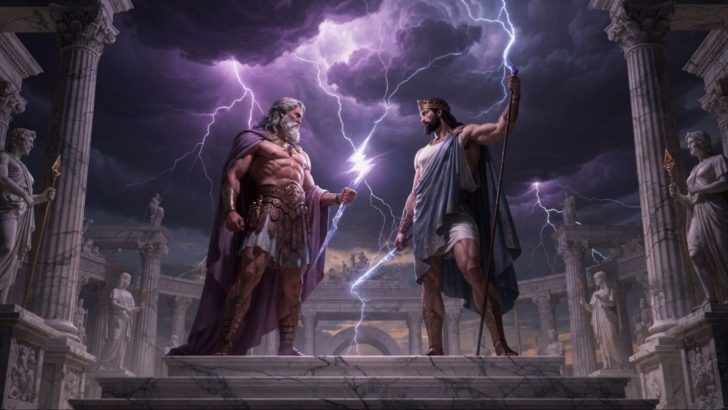
Many people view the Greek and Roman mythologies as two sides of the same coin.
It’s well known that the Greeks had a massive cultural influence on Rome, so much so that older Roman myths largely ended up forgotten.
However, there are some very important differences between how these two civilizations perceived the world, life, death, gods, etc.
And all of these differences reflect their distinct mentalities and lifestyles.
1. Distinct Philosophies
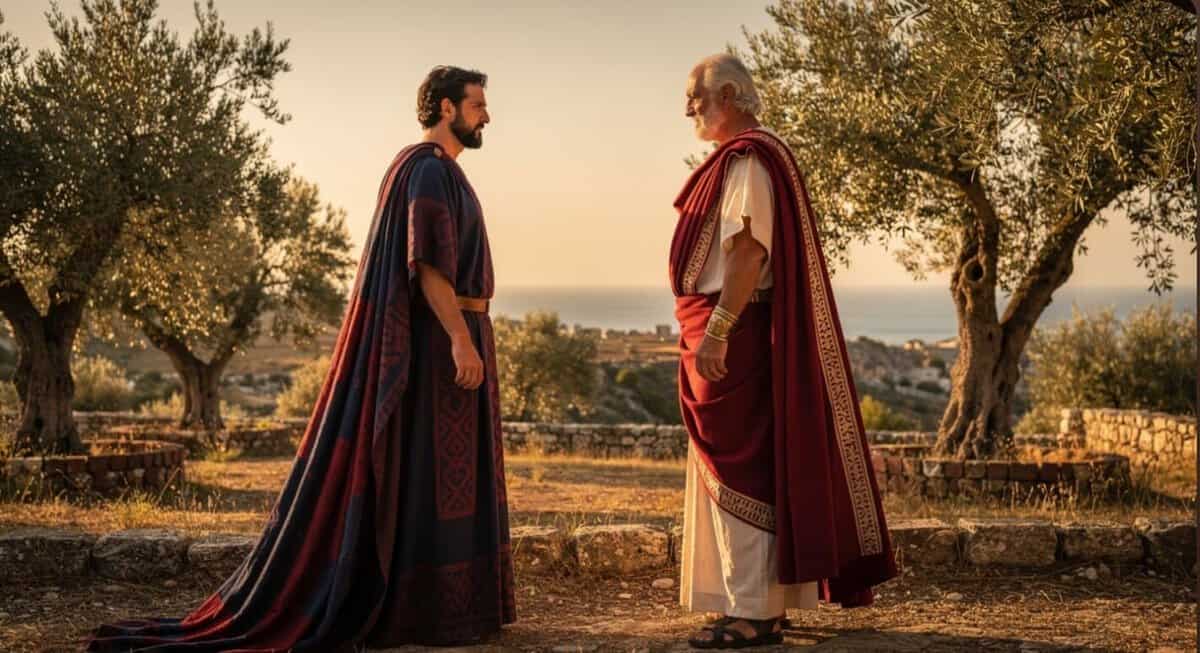
The unique philosophies of these two cultures created the foundation of their belief system.
Greek mythology is individualista. Both the epic and tragic heroes express raw emotion, and often, the unpredictability of human nature is at the core of everything.
These tales speak of complex men and women who chase personal glory, constantly trying to resist their own fate.
Things are very different in Roman mythology.
Romans didn’t dwell much on personal tragedy and desires. They instead prioritize pietas, which means duty to the state, to family, and to the gods.
Personal desire stood no chance against the greater good of Rome.
Essentially, the Greeks celebrated the flawed individual, while the Romans celebrated the obedient citizen.
2. The Appearance of the Gods
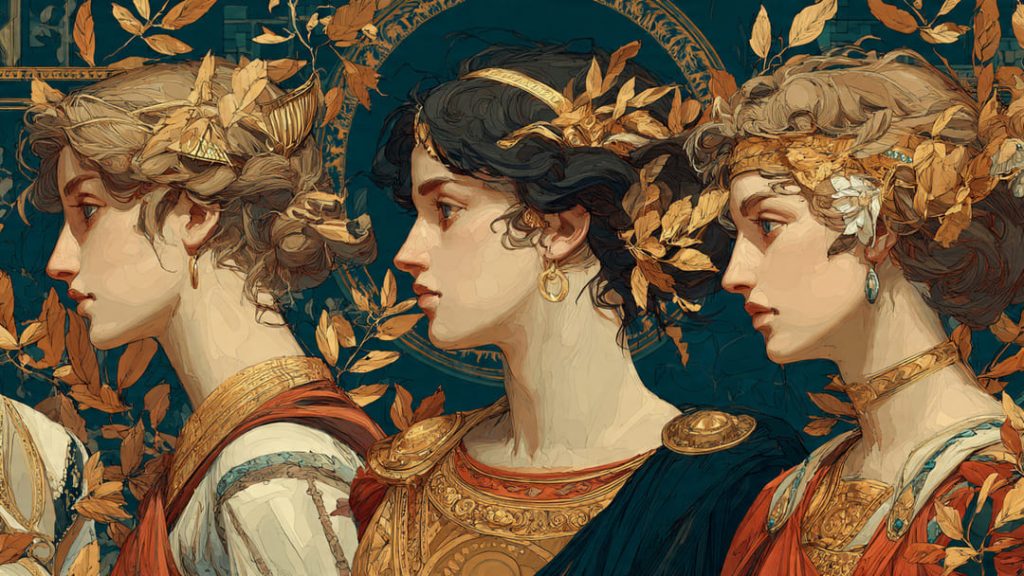
Ancient Greeks placed a lot of importance on physical excellence. They worshipped beauty, aiming to come as close to the ideal as possible.
Similarly, their own deities were presented with idealized, gorgeous bodies, always standing gracefully.
Even when sculpting a tragic scene, sculptors made sure to prioritize peaceful, beautiful expressions rather than capture any heavy feelings.
Ugliness was strictly reserved for mythological monsters, such as Medusa or Scylla.
Now, Romans approached their early gods in a much more abstract way. They were the forces of nature rather than beings of flesh and blood.
Later Greek influence had changed this a little, but still, they were focused on physical power rather than just beauty.
3. Zeus and Jupiter
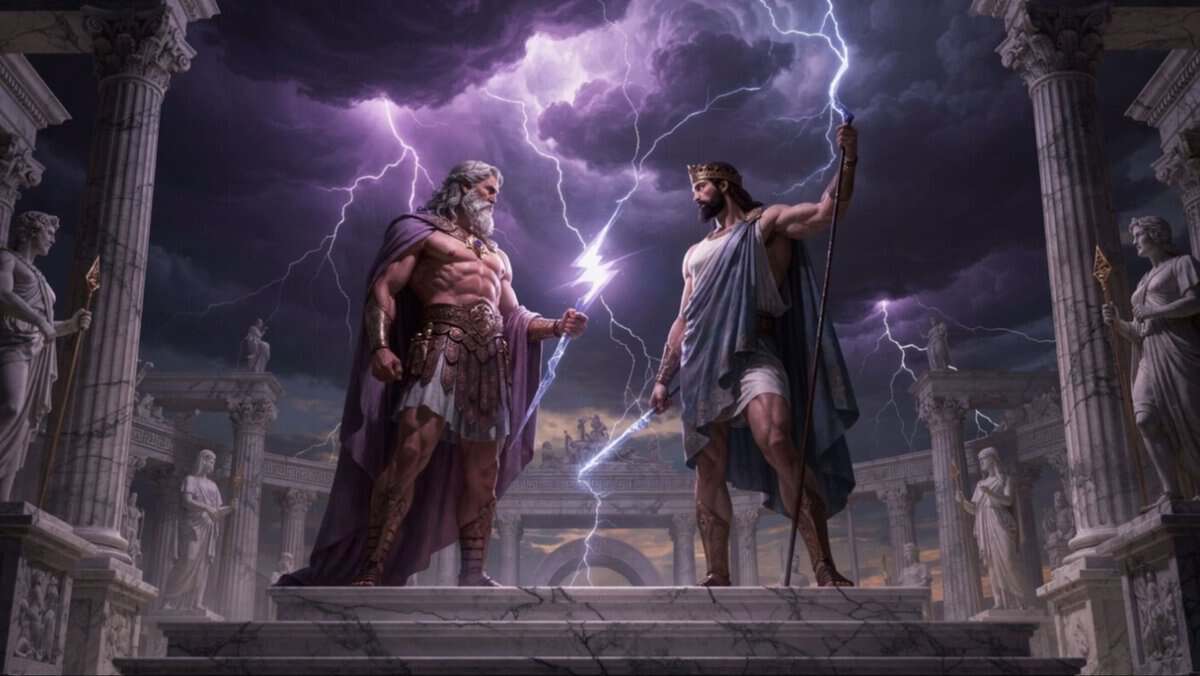
We tend to view Jupiter as Roman Zeus, but these two deities show the difference in the Greek and Roman mentality better than any others.
Zeus is the ruler of Mount Olympus, and he’s notoriously capricious.
From the very beginning, Zeus was trouble! He waged war against his father and the other Titans, and once he took the throne of the gods, he found himself a different amusement: mortals.
He constantly interfered in mortal affairs, tricking people, and having little demi-gods all across Greece. He’s lustful and envious, and completely chaotic!
Giove is different, and that is an understatement. He rules the pantheon with strictness and discipline.
His primary focus is the Roman state, as well as justice and victory.
Both happen to be thunder gods, but that’s where all similarities end.
4. Ares and Mars
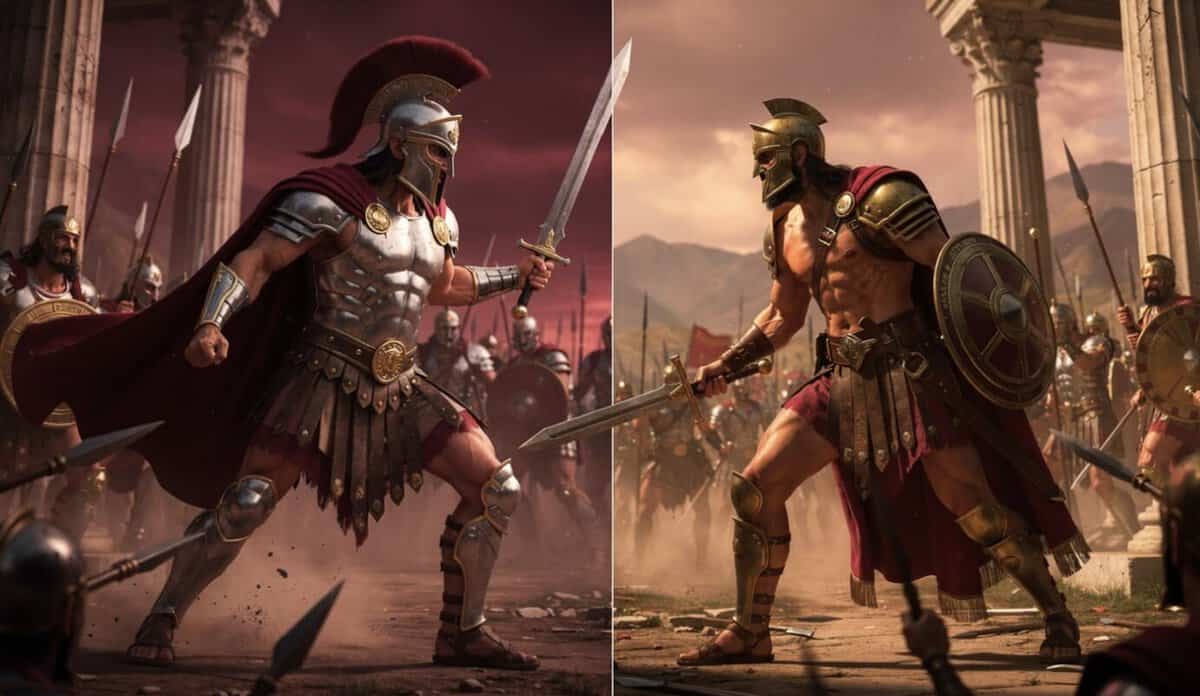
Ares and Mars clearly show how differently the Greeks and Romans viewed warfare.
Ares was not a favored god among the Greeks. He was despised, viewed as brutal and bloodthirsty. He represented the ugliest side of human conflict.
Here, mythology pretty much tells us how the Greeks saw war: as something to be endured if there’s no better alternative.
But Rome was a military state. War and conquest were glorified above all else, and so Marte was one of the most noble gods of the Roman pantheon.
And he was not a savage, but a disciplined and powerful protector of Rome’s borders.
He was also considered a divine ancestor of the Roman people, the true father of Romulus and Remus.
This paints a clear picture of how the Romans viewed warfare: as something to take pride in.
5. Venus, Aphrodite, and Neptune
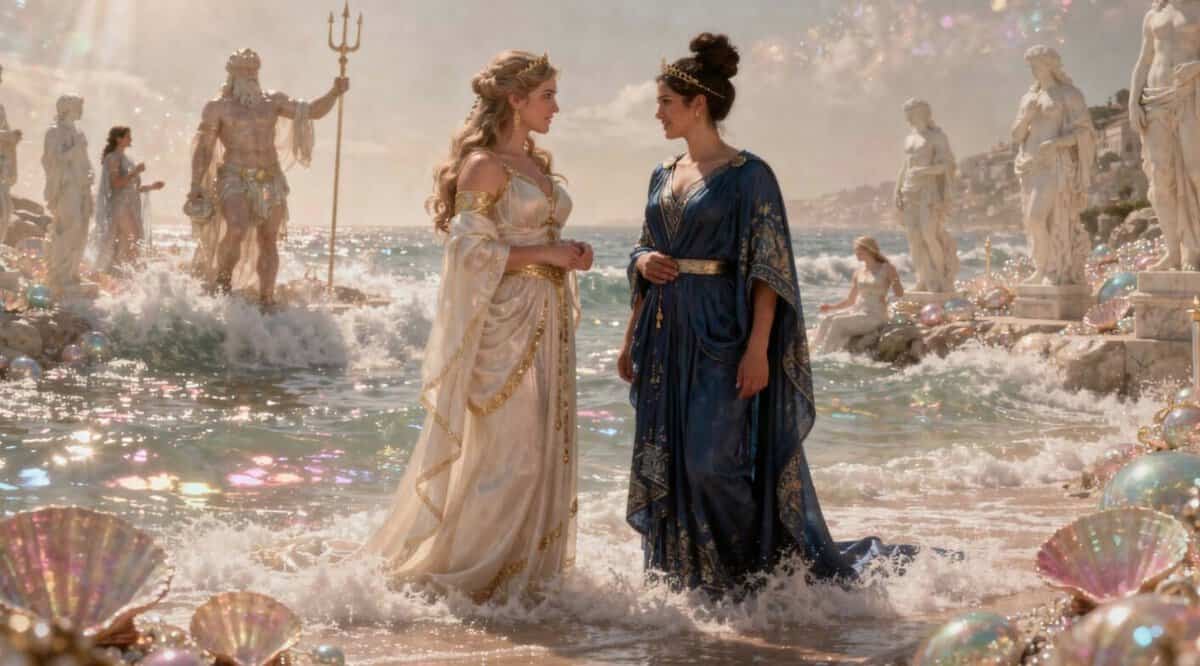
The importance of the sea can’t be overstated when it comes to either Greek or Roman civilization, and it’s reflected in their mythology.
Both were Mediterranean cultures whose food, trade, culture, and warfare depended upon the sea.
Aphrodite is the Greek goddess of love and beauty, and much like Zeus, she’s known for her many scandalous affairs.
She was married to Hephaistos, but had an affair with Ares. She’s the mother of Eros, who constantly accompanies her. Her name even inspired the word afrodisiaco.
Il Romans adopted her as Venus, but she represents fertilità e il imperial lineage of Rome rather than free passion.
Poseidon and Neptune are the same.
Poseidon is one of the most aggressive and vengeful gods of Greek mythology. He fathered some of the strangest creatures and gave a lot of trouble to Greek heroes.
And while Neptune also holds the trident and rules the seas, his personality and function were much more practical.
He’s simply the guardian of Roman trade routes and naval power.
6. Origin Myths
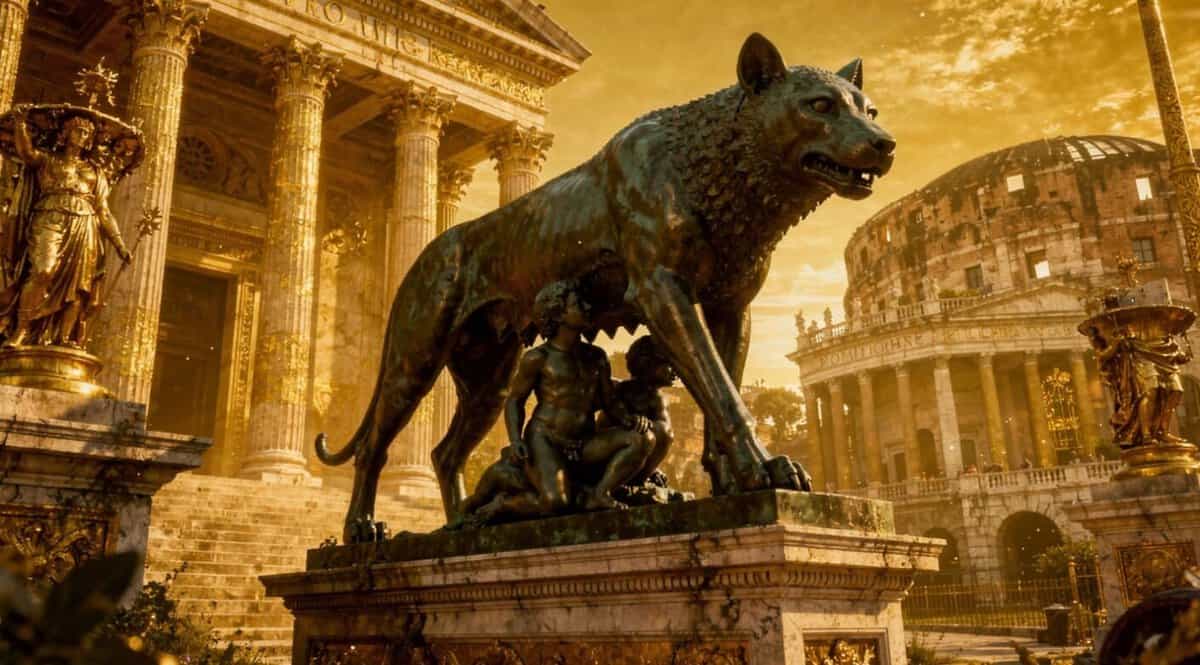
Even their origin myths show a clear distinction between these two cultures.
Greek mythology starts with primordial entities like Gaia and Tartarus, which emerged directly from Chaos, the cosmos before order.
It’s a story about the universe awakening.
Tuttavia, il Roman origin myth is focused entirely on the founding of their city.
It doesn’t feature beings of chaos; instead, it all begins with human heroes, Romulus and Remus, and Aeneas.
You can clearly see their priorities. The Greeks were thinkers, interested in the universe and the beginning of all life.
The Romans were much more grounded.
7. The Status of Gods and Mortals
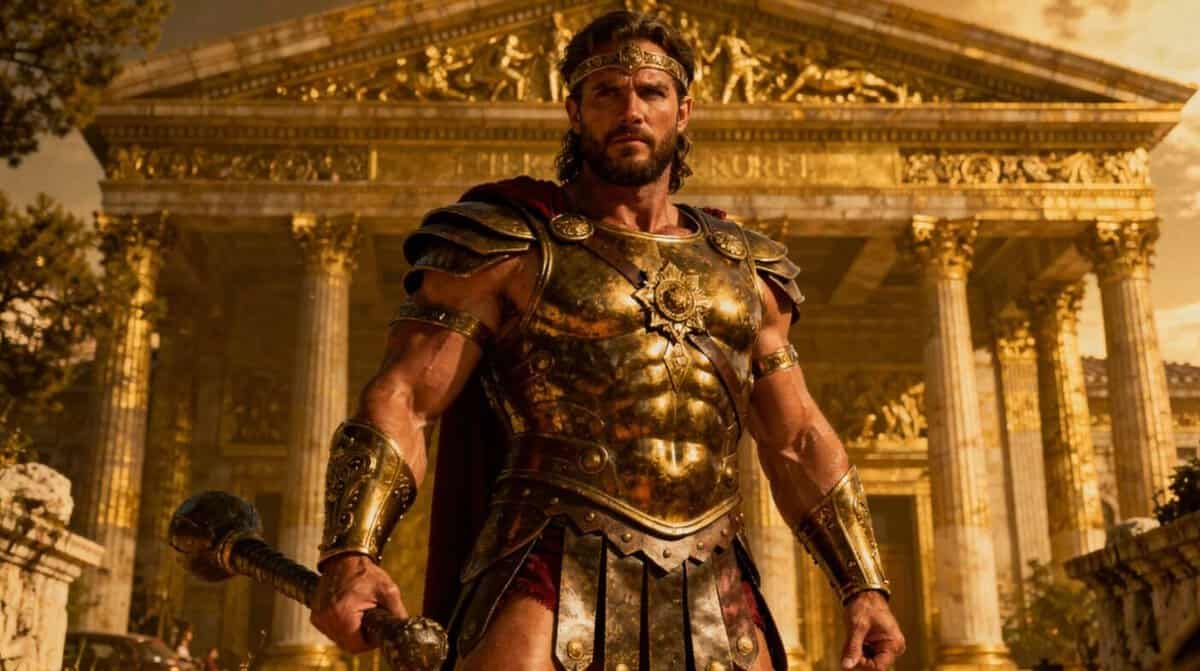
Perhaps the most inspiring difference lies in how mortals were expected to relate to the divine.
Il Greeks saw divine status as absolutely unattainable by mortals. A Greek person understood they were at the bottom of the cosmic ladder.
They were expected to contribute to society and honor the deities, and try to attain personal success by taking inspiration from gods and heroes.
Il Romans, however, had a somewhat higher view of mortals.
They believed that every individual should aspire to live like il gods they worshipped. The gods were their role models, inspiring civic duty and virtue.
This makes it clear that they didn’t just see themselves as servants of gods.
8. The Afterlife
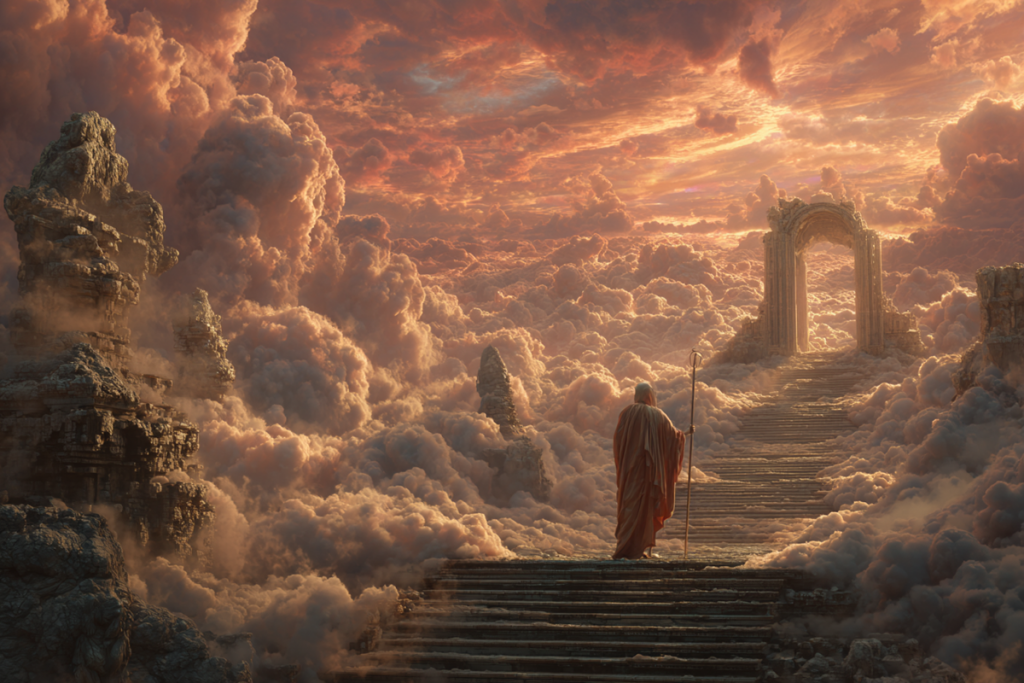
Because the Greeks believed that the divine ideal was unattainable, their afterlife also looked quite bleak.
The afterlife didn’t hold much importance in Greek mythology because a mortal’s only reward was the memory of their good deeds on earth.
Hades, as portrayed in the Odyssey, was a place of shadows and misery. It wasn’t punishment; it was simply what the Greeks thought awaited them after death.
The Romans turned this concept on its head!
To them, death was a transformation that allowed mortals to live among the deities.
This is essentially an ancestor cult. They believed that in the afterlife, they would be actively worshipped by their family members and the state.
They became guiding spirits, still serving Rome from the beyond.

A little Aquarius, devoted to writing and embroidery. Through my writing, I hope to empower readers to align with their true selves and navigate life’s mysteries with confidence.