
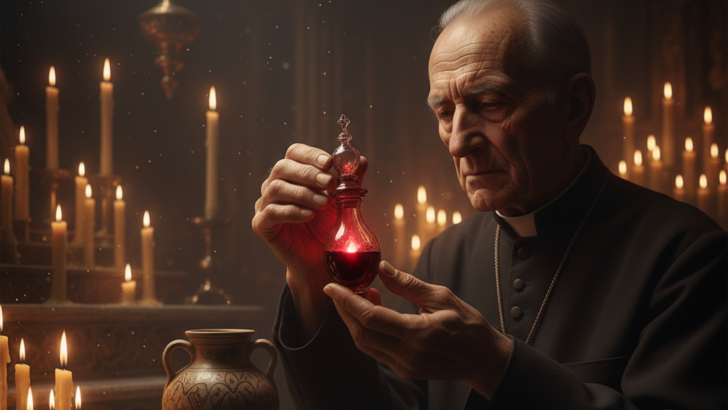
For centuries, the Catholic Church has preserved objects believed to be closely connected to saints, miracles, and sacred moments.
These relics are not displayed as curiosities, but as physical links to faith, sacrifice, and devotion. To believers, they are reminders of holiness and divine presence.
To others, they can feel unsettling or even disturbing. Hair, bones, preserved bodies, and objects tied to suffering challenge modern ideas about death and the sacred.
Many of these relics are kept behind closed doors, protected in churches, vaults, and reliquaries, rarely seen by the public.
Their stories blend faith, history, and mystery. When explored closely, these relics reveal how deeply the medieval and early Christian world believed that the holy could live on through the physical body.
These preserved remains continue to inspire awe, discomfort, and endless questions.
Relics of the Body and the Meaning of Holiness
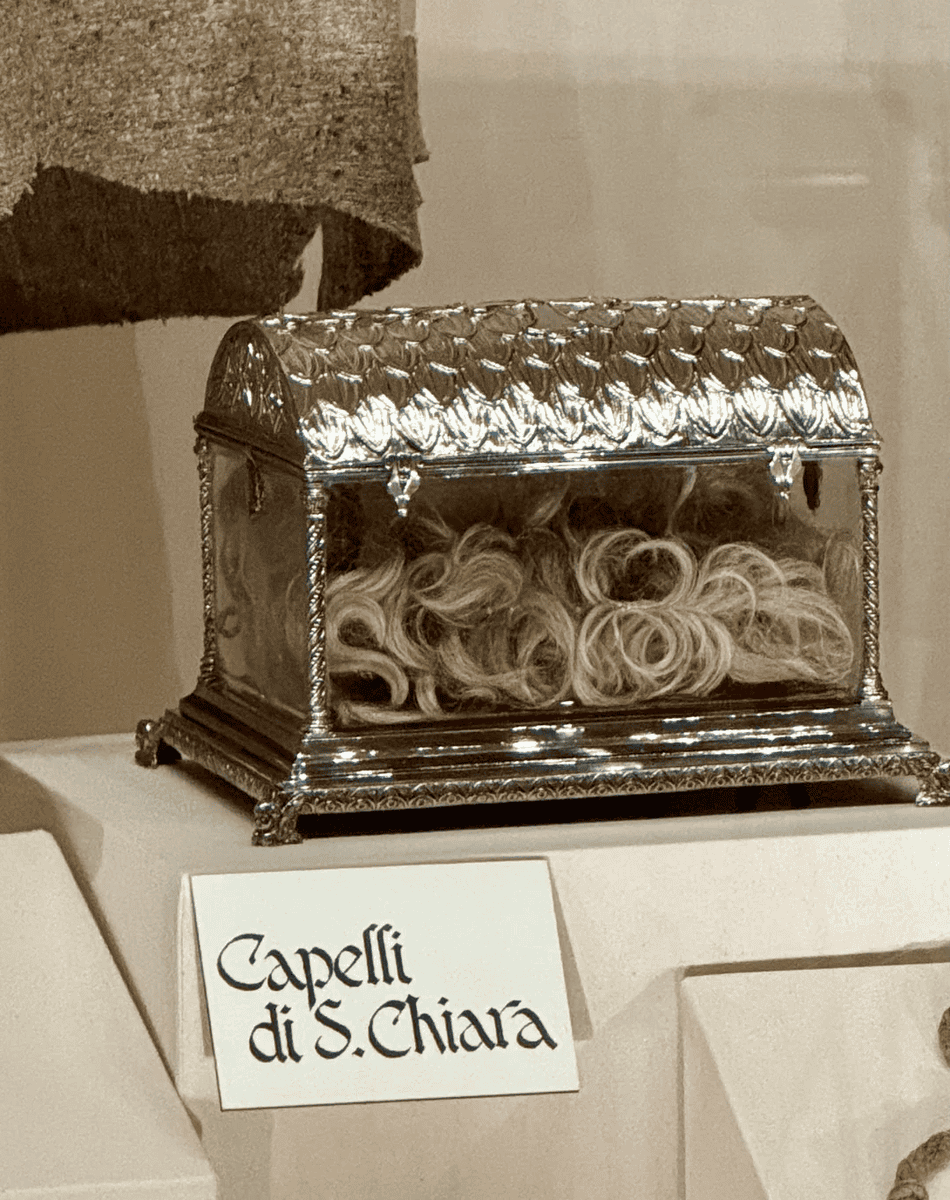
One of the most striking relics preserved by the Church is the hair and fingernails of Saint Clare of Assisi.
These were kept as symbols of her humility and devotion, especially because she cut her hair as an act of rejecting worldly life.
To medieval believers, even small parts of a saint’s body carried spiritual power. Hair and nails, though ordinary, became extraordinary when linked to a holy life.
Another powerful example is Saint Francis Xavier, whose body has been preserved for centuries.
His remains are kept in Goa, where he is honored for spreading Christianity across Asia. His body has been examined many times, and parts of it were removed as relics.
Among the most famous is Saint Francis Xavier’s arm, which is kept separately and displayed on special occasions.
The arm is said to have baptized thousands of converts. To believers, it represents action, service, and sacrifice. To outsiders, the separation of body parts can feel unsettling.
The Church has long believed that the body of a saint remains sacred even after death. This belief shaped how relics were collected, divided, and protected.
Bones, skin, and organs were seen as vessels of holiness. These relics were never meant to shock.
They were meant to bring the faithful closer to the divine by offering a physical reminder of a spiritual life.
Blood, Milk, and Other Sacred Substances
Some relics are disturbing not because they are bones, but because they involve substances once part of a living body.
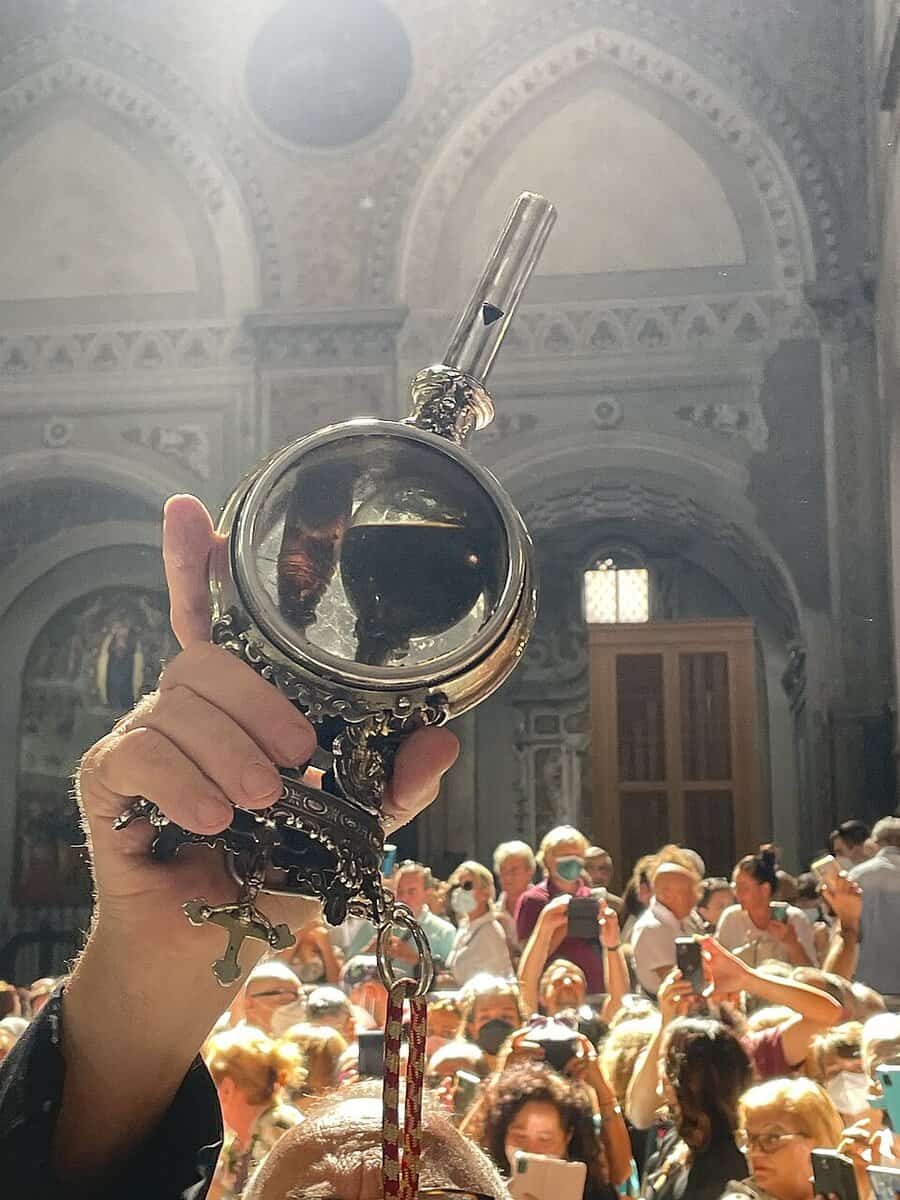
One of the most famous examples is the blood of Saint Januarius.
Several times a year in Naples, a vial believed to contain his dried blood is said to liquefy during a public ceremony.
When this happens, it is seen as a good sign for the city. When it does not, people fear disaster.
Scientists have offered theories, but the Church treats it as a sacred mystery. The idea of preserved blood changing state continues to unsettle and fascinate people around the world.
Even more surprising is the relic known as the Virgin Mary’s breast milk. During the Middle Ages, small vials were claimed to contain drops of milk from Mary herself.
These relics were highly prized and believed to have healing power. To modern minds, the idea feels deeply personal and strange.
Yet in the medieval world, such relics represented nourishment, purity, and maternal protection. They made Mary feel closer and more human to worshippers.
These relics show how faith once embraced the physical in ways that feel unfamiliar today. Bodily substances were not seen as shameful or disturbing.
They were seen as intimate signs of divine involvement in human life. The Church preserved them carefully, understanding their emotional and spiritual power.
Bones, Heads, and Proof of Apostolic Roots
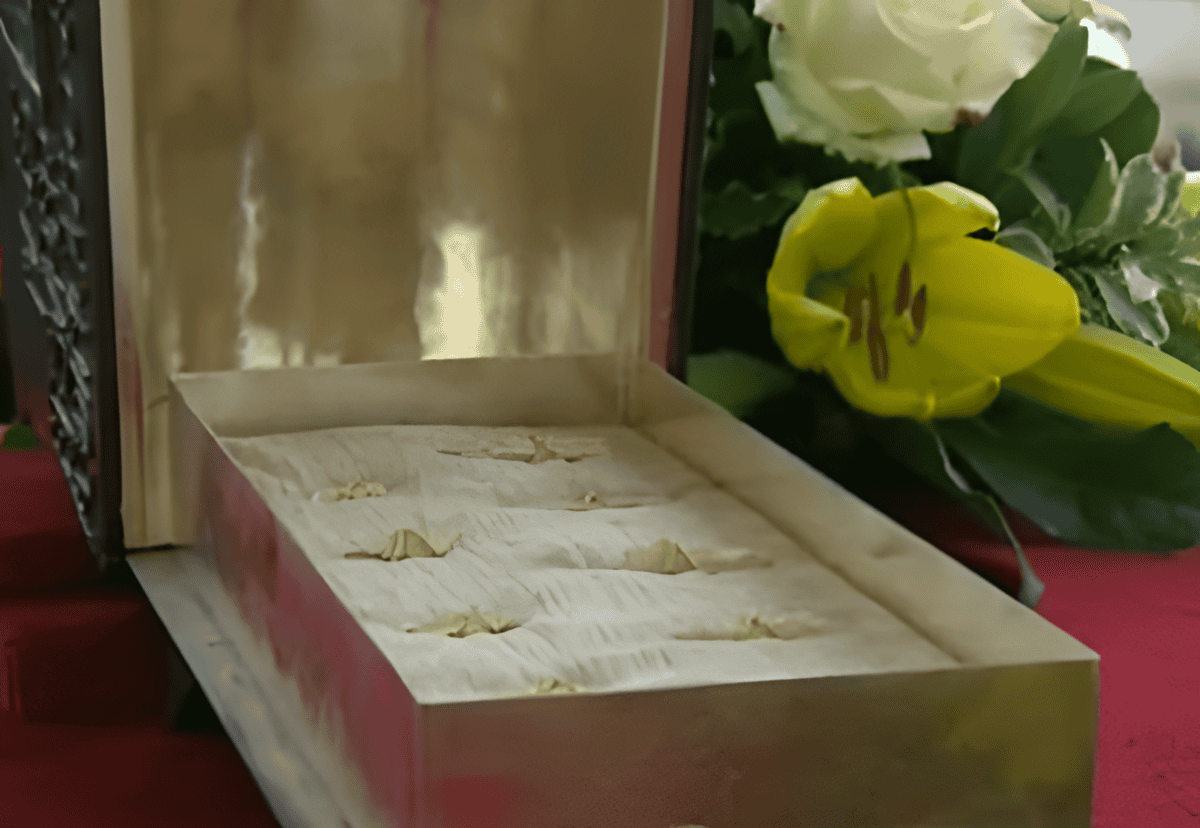
Among the most important relics in Catholic history are the bones of Saint Peter.
According to tradition, Saint Peter was executed in Rome, and his remains were buried beneath what is now Saint Peter’s Basilica.
Archaeological investigations beneath the church uncovered bones believed to belong to a man of Peter’s age and background.
The Church holds these remains as proof of apostolic continuity, linking modern Christianity directly to its earliest leader.
While the bones themselves are rarely seen, their presence forms the foundation of Vatican authority.
Another unsettling relic is the mummified head kept in various traditions, often associated with early martyrs or saints.
Preserved heads were believed to hold special significance because the head represented thought, faith, and identity.
Seeing a preserved face centuries later can be deeply unsettling, yet it also creates a powerful sense of connection across time.
The relics of Saint Datian, a lesser-known martyr, also include bones preserved and guarded by the Church.
His remains were believed to protect communities from harm and disease. Even when saints were not widely known, their relics were treated with great respect.
These relics were never collected casually. They were placed in churches to anchor faith in history.
They served as reminders that Christianity was built on real lives, real deaths, and real sacrifice.
Dark Objects and the Weight of Fear
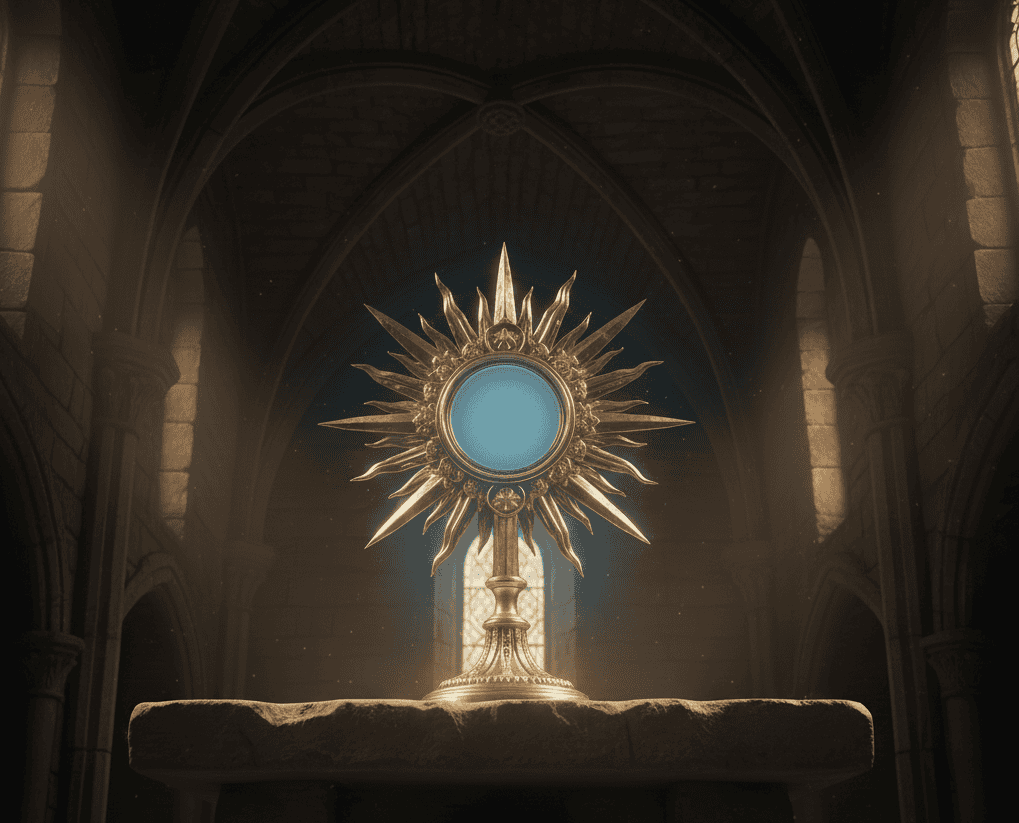
Not all relics are human remains. Some objects carry darker stories. The Devil’s Stone is one such relic, believed to be linked to demonic presence or temptation.
These objects were often kept locked away, not for display, but as warnings. They reminded believers of spiritual danger.
The idea of disturbing relics often comes from how modern people view death and the body. In earlier centuries, death was familiar.
Bodies were prepared, touched, and honored. Relics were part of that world. They made faith tangible in an age without science or medicine as we know it today.
The relics of Saint Francis Xavier, Saint Clare, Saint Peter, Saint Januarius, and others remain protected because they still carry meaning.
They are not meant to be entertainment. They are reminders of devotion, sacrifice, and belief.
Their disturbing nature comes from how far modern society has moved away from physical expressions of faith.
These relics stay locked away because they are powerful. They challenge comfort and invite reflection.
They remind people that faith once lived very close to the body, to suffering, and to death.
Whether one sees them as holy or unsettling, they continue to hold silence filled with centuries of belief, waiting behind stone walls and golden reliquaries.

Ho sempre sentito una forte connessione con il Divino fin dalla mia nascita. Come autrice e mentore, la mia missione è aiutare gli altri a trovare l'amore, la felicità e la forza interiore nei momenti più bui.