
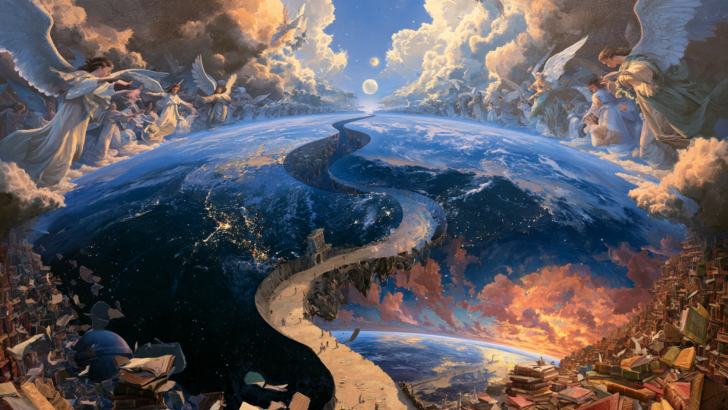
The Final Judgment is one of the most mysterious occurrences in the Bible. It is the hour in which all souls shall be brought before God, and the history of humanity concludes.
But then what happens to Earth? Will our planet disappear for good, or will it become something else?
Biblical prophecy gives us intriguing glimpses of a future beyond human comprehension.
1. The Earth We Live In May Disappear
The Bible speaks of a mysterious time when the known world vanishes before the presence of God. Revelation 20:11 tells us of earth and heaven disappearing, and no place found for them.
To some Christians, this is the utter destruction of the present cosmos. Others see it as a profound alteration rather than a total vanishing.
In any case, the world as it is shaped by misery, injustice, and human limits will no longer be.
2. There Will Be a New Heaven and a New Earth
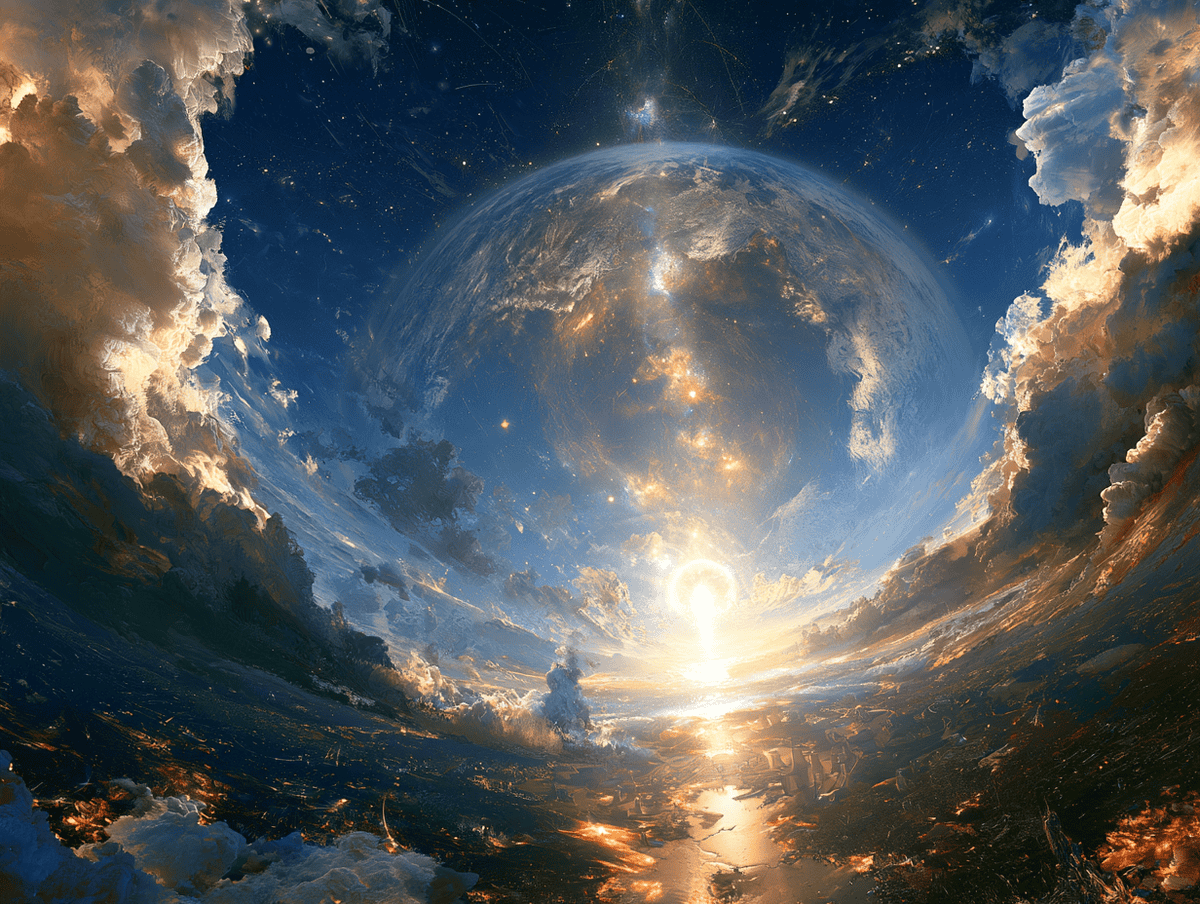
John saw a new heaven and a new earth in Revelation 21:1. The former world has faded away, and a different reality begins.
One of the most astounding promises in the Bible is that God’s ultimate plan involves the restoration of creation itself.
Some theologians interpret the verse as referring to a new creation; others to the restoration of the present earth. In any case, the world that will come is under divine order. All the evil that has been broken will give way to a reality formed by the presence of God.
3. Death Will Be Gone Forever
Imagine a world without the dread of losing someone you love. In the new creation, there will be no more death, as Revelation 21:4 promises. The passage also refers to the end of grieving, crying, and pain.
To Christians, this is more than a prolonged human lifespan. It implies a different kind of living, where death no longer rules life. The cemeteries, the funerals, and the pain of death would be of the past world.
It’s a mystery, for man has never lived in a reality in which each living moment is not touched by mortality.
4. God Will Live Among the People Directly
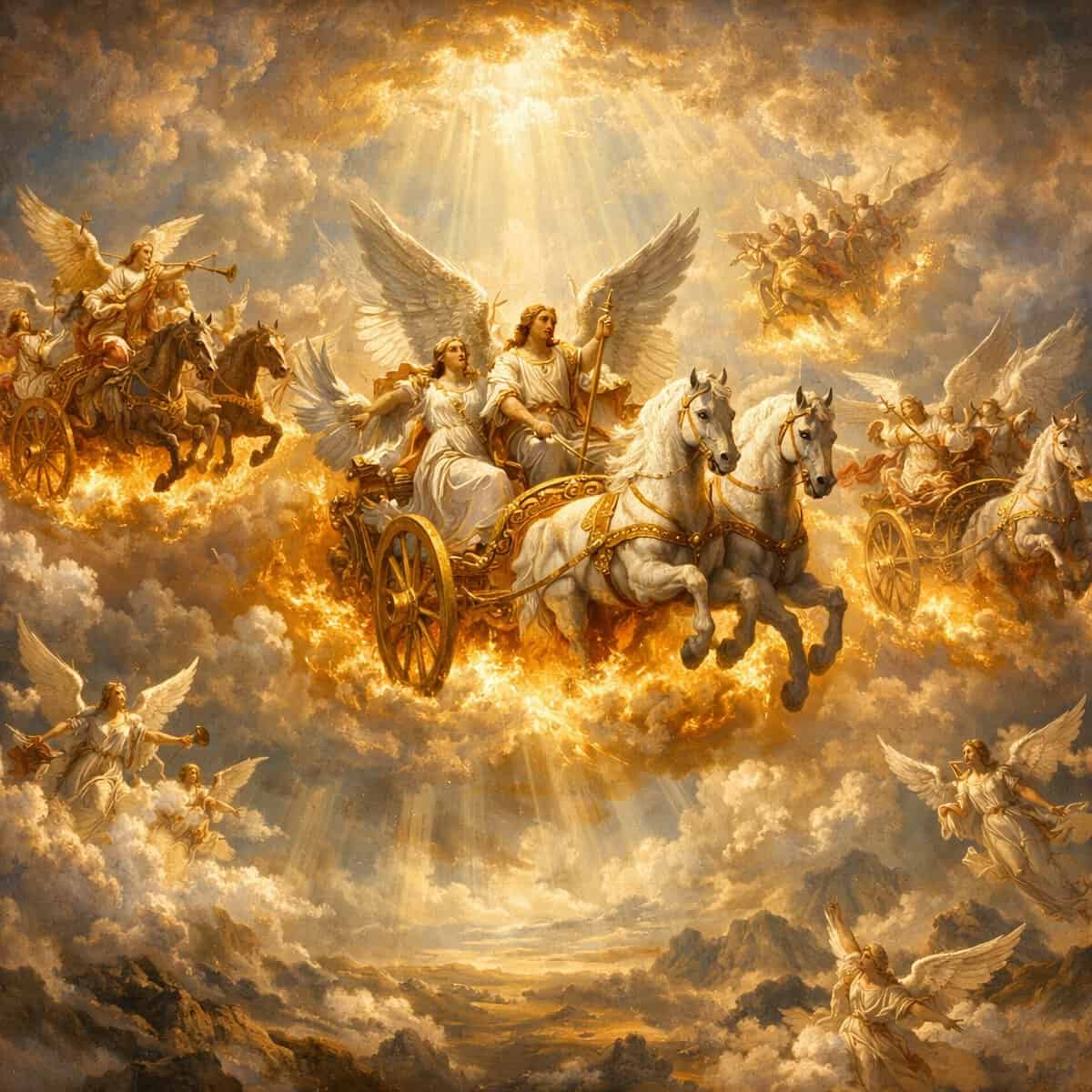
One of the most compelling promises in Revelation involves the connection of God and human beings. Revelation 21:3 tells us of God’s dwelling place with His people.
No longer does the distance that human beings so often experience between themselves and the divine determine their existence.
The immediacy of God’s presence can replace prayer, faith, and spiritual hunger.
5. The New Jerusalem Will Descend from Heaven
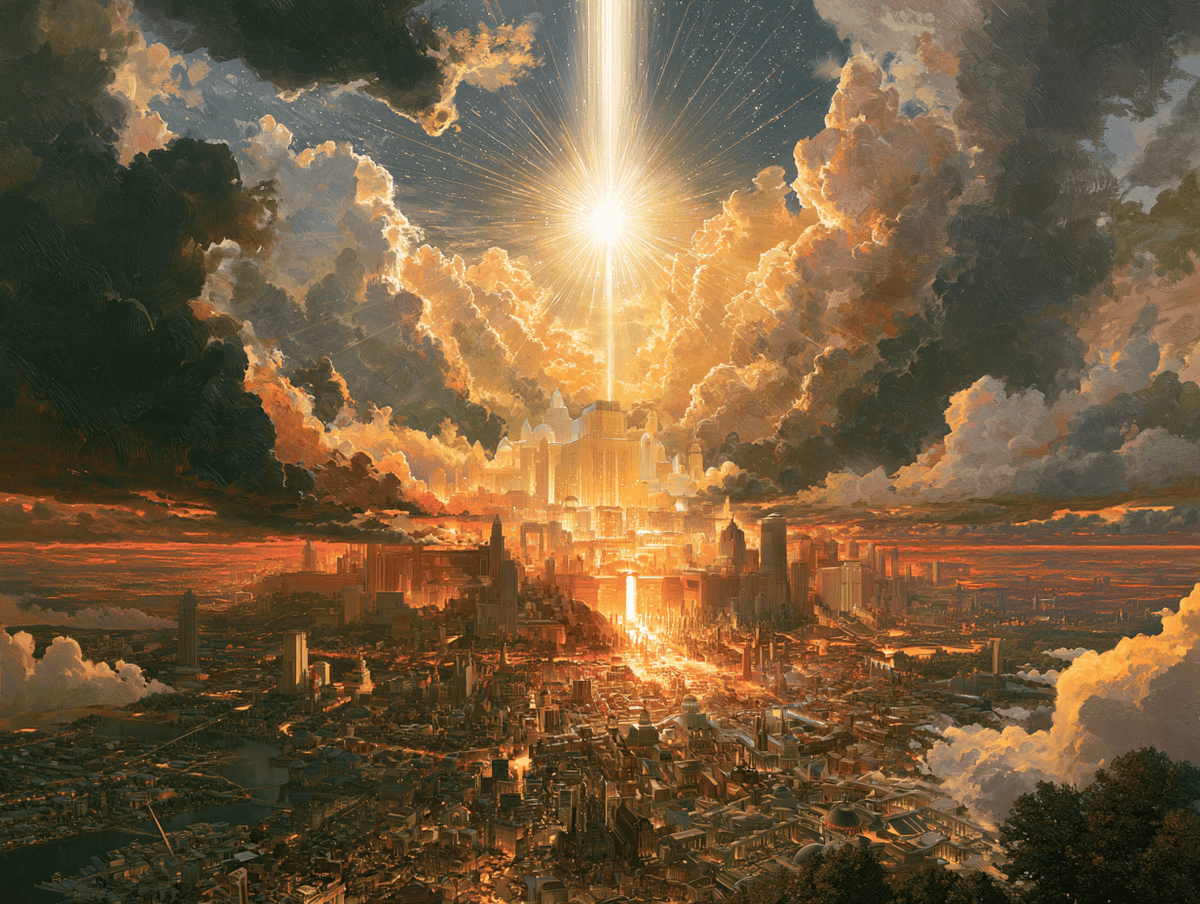
The Book of Revelation envisions a great city coming down from heaven, like a bride dressed for her husband. This metropolis, called the New Jerusalem, is the symbol of God’s promises fulfilled.
The walls, gates, and foundations are described in beautiful stones and incredible measurements. Some Christians believe it is a physical city in heaven.
Others take it more symbolically. Its fall means that the ultimate home of mankind is not just an escape from the Earth. But the biblical ideal is to pull heaven toward a renewed creation where the divine and the human meet in a beautiful way.
6. The Sun and Moon May No Longer Be Needed
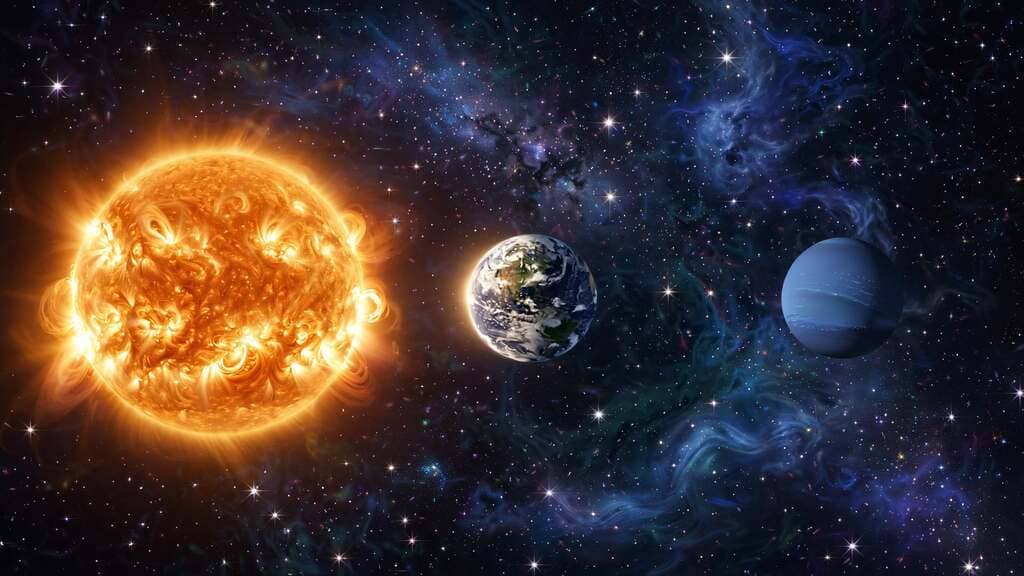
In Revelation 21:23, we are told that the New Jerusalem is a city that does not need the light or moon to shine on it, for the glory of God lights it.
That doesn’t mean the physical sun and moon will be removed from the universe. The excerpt is about the lighting of the city in particular. But this vision implies a world where human reliance on common sources of light is replaced by the grandeur of God.
In this holy city, darkness may be a word of no significance, for God is there, and God is light everlasting.
7. The Curse Upon Creation Will Be Removed
Genesis tells us that the results of man’s fall affected not only man’s life but the ground as well. Revelation 22:3 tells us there will be no more curse.
The new creation is, for many Christians, linked to these verses and seen as a reversal of the brokenness created in Eden.
The problems of sin and separation from God will no longer define existence.
8. The Tree of Life Will Return
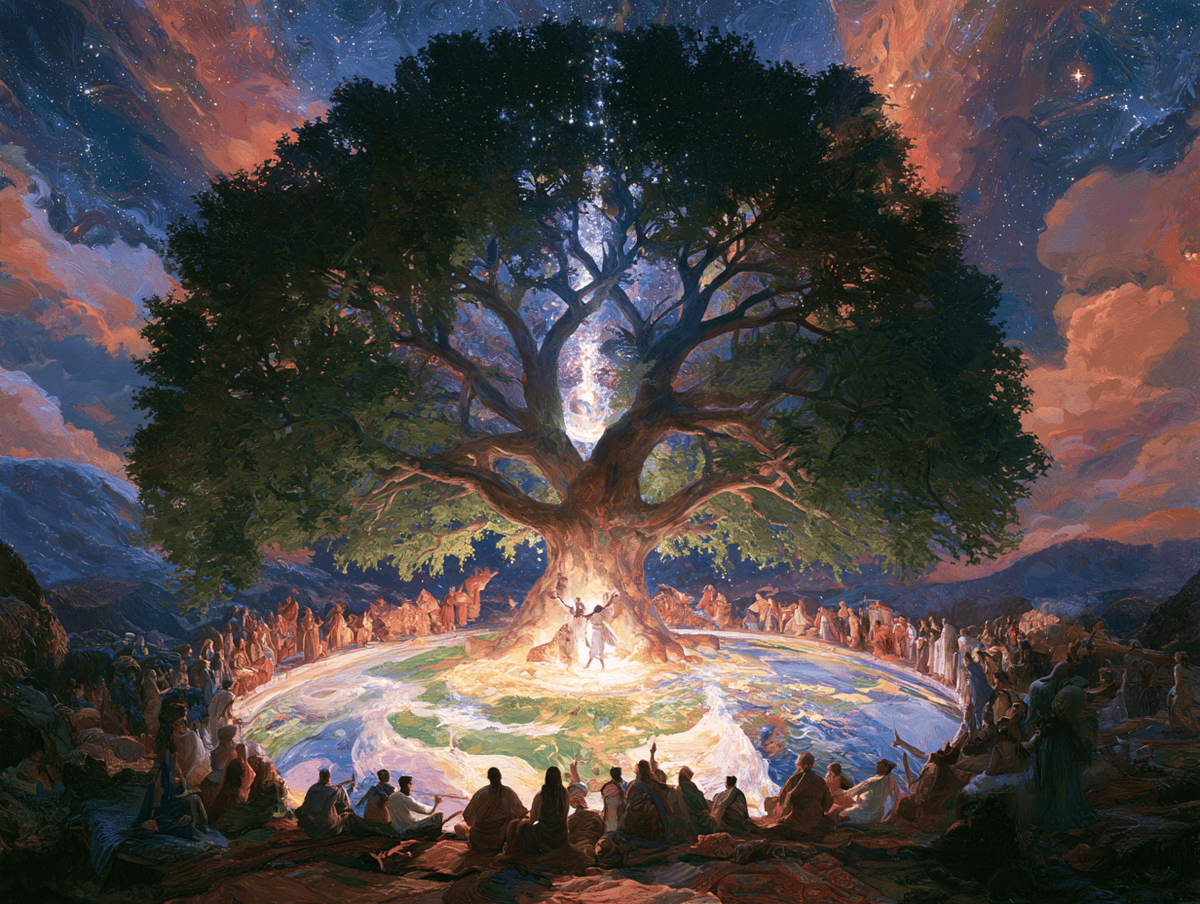
This Tree of Life is one of the most intriguing links between Genesis and Revelation. After the fall of man, access to this tree was prohibited.
But Revelation 22 mentions it again as coming by the river of life in the New Jerusalem. The tree bears twelve kinds of fruit, and its leaves are for the healing of the nations.
This picture indicates that the history of mankind is cyclical. In the last vision, life and fellowship with God are restored. What was lost in Eden is regained.
9. Nothing Impure Will Enter the New Creation
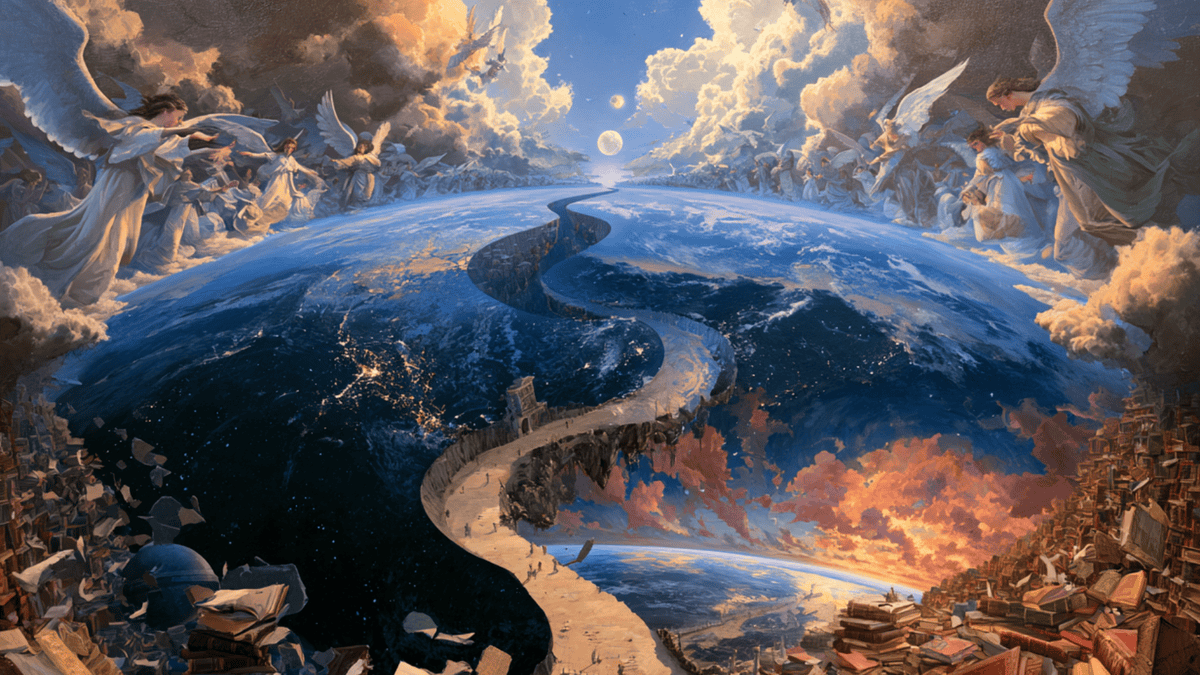
Revelation 21:27 says that nothing impure will enter the New Jerusalem. The mention of admittance into the city is tied to individuals whose names are inscribed in the Lamb’s Book of Life.
In this vision, the holy city is a location where evil can no longer taint existence. There will be none of the deceit, none of the cruelty, and none of the destroying forces of the past world.
Different Christian traditions have different stories of final judgment and redemption. But the imagery paints a picture of a future in which the existence of evil no longer threatens the tranquility of God’s people.
10. Eternity Will Begin Without Another Ending
In the last chapters of Revelation, we are told of God’s servants reigning forever and ever. The remarkable promise says the new creation is not another short-lived chapter; it is part of an eternal reality established by God.
Revelation does not tell us exactly how time will be experienced or what every moment of eternal life will entail.
These are some of the biggest riddles in Christianity. But the basic promise is clear: the story does not end in ruin. It ends with restoration, the presence of God, and a destiny beyond death.

Born and raised in Bosnia and Herzegovina. Ever since I was a little girl, my imagination knew no bounds. I remember vividly how I’d scribble down short stories, each page bursting with adventures and characters conjured up from the whimsy of my mind. These stories weren’t just for me; they were my way of connecting with my friends, offering them a slice of my fantasy world during our playtimes. The joy and excitement on their faces as we dived into my fictional realms motivated me to keep writing. This early passion for storytelling naturally evolved into my pursuit of writing, turning a childhood hobby into a fulfilling career.