
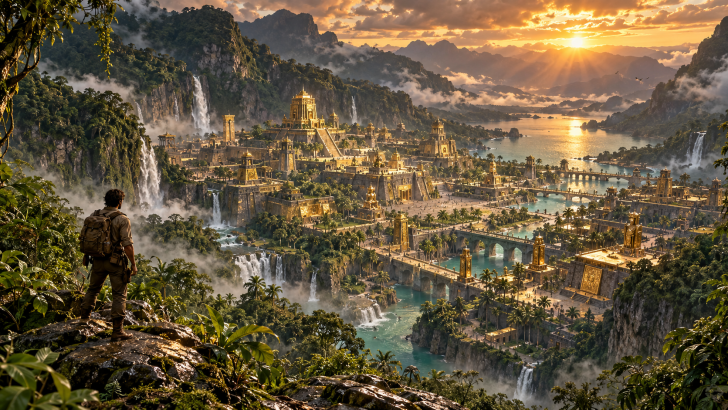
Few legendary places have inspired as much obsession as El Dorado.
For centuries, explorers crossed rivers, climbed mountains, and entered dangerous parts of South America hoping to find it.
The reason was simple. Gold. Stories described a place with riches beyond anything Europeans had ever seen.
Somewhere deep in the unexplored landscape, an incredibly wealthy ruler or perhaps an entire golden city was supposedly waiting to be discovered.
But El Dorado was not always a city. The legend changed as it traveled from one person to another.
A story about a golden ruler slowly became a kingdom, a city, and eventually an almost impossible paradise filled with treasure.
Real Indigenous traditions helped inspire parts of the legend. European imagination added much more.
And even after countless expeditions failed, people kept looking.
Here are ten fascinating myths about El Dorado, the legendary City of Gold.
1. El Dorado Was Originally a Man, Not a City

This is probably the biggest surprise in the entire story. El Dorado did not originally describe a golden city.
It described a person. The Spanish phrase El Dorado can mean “the gilded one.”
Early stories were connected with the Muisca people of present-day Colombia and a ruler who took part in a sacred ceremony.
According to accounts that developed around the tradition, the ruler covered himself in gold dust.
He then traveled onto a lake and made offerings. To Europeans hearing the story, this must have sounded unbelievable.
A ruler who could casually cover his body in gold surely had access to enormous wealth.
That idea immediately created another question. Where did all that gold come from? The search for El Dorado had begun.
2. Lake Guatavita Was Believed to Hide an Enormous Treasure
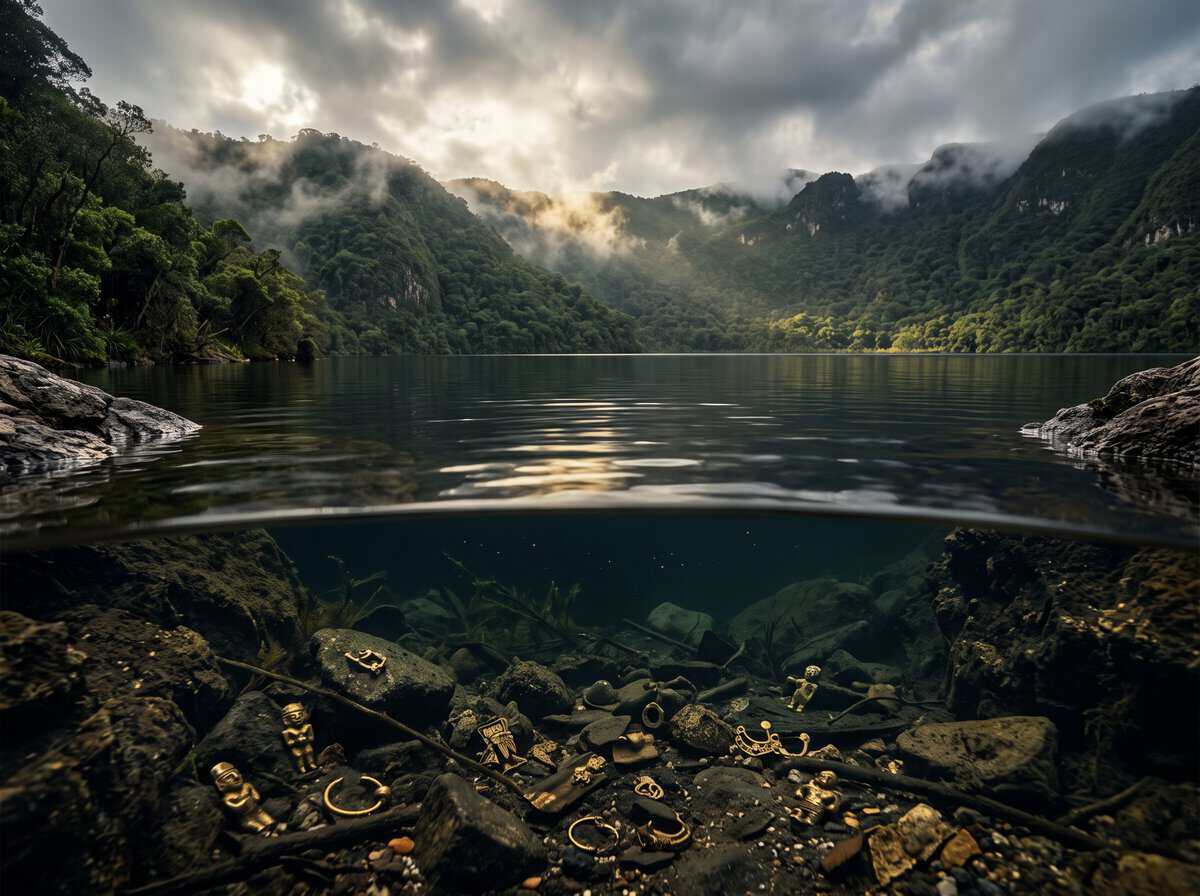
The lake most famously connected with the El Dorado tradition is Lake Guatavita in Colombia.
The Muisca considered lakes and other parts of the natural landscape spiritually important.
Offerings could be placed into the water during ceremonies. Gold objects were among the items used in Muisca religious traditions.
Naturally, Europeans became fascinated by the possibility that treasure was sitting at the bottom.
If valuable objects had been thrown into the lake for generations, how much could be down there?
Attempts were made to drain or search the lake. Some objects were recovered.
But the unbelievable treasure people imagined never appeared. Still, the idea is difficult to resist.
A quiet mountain lake with ancient offerings hidden beneath its surface feels exactly like the beginning of a legend.
3. The Golden Raft May Preserve Part of the Real Story
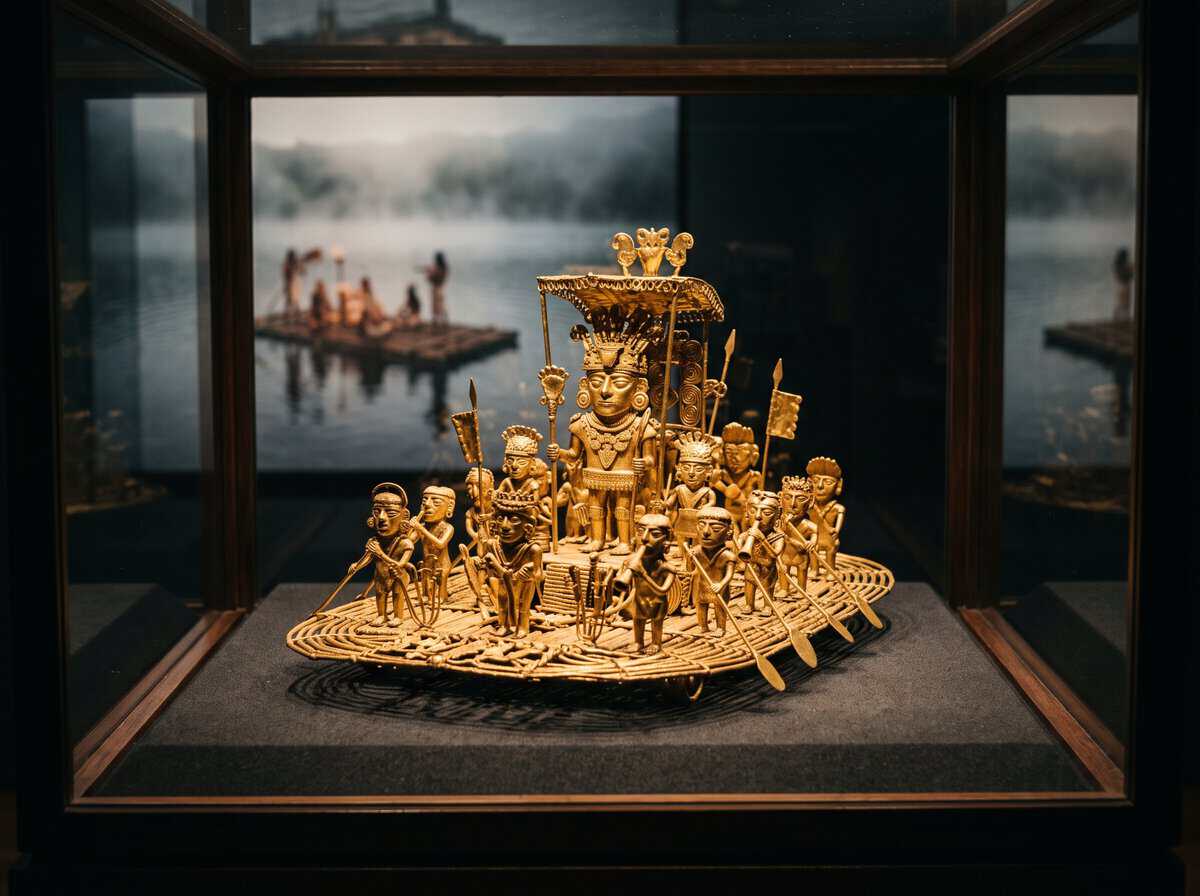
One object makes the El Dorado story especially interesting. It is known as the Muisca raft.
The small gold object shows a central figure standing on a raft surrounded by other people.
It is commonly connected with the ceremony behind the El Dorado legend.
That does not prove every later story about El Dorado was true.
But it shows that the legend was not created from absolutely nothing.
There really were sophisticated goldworking traditions in the region.
There really were important ceremonies. And gold really could have religious meaning.
For the Muisca, however, gold was not simply a pile of money waiting to be stolen.
It had cultural and spiritual importance. Europeans heard “gold” and imagined wealth.
The people who created these objects could see something much deeper.
4. The Legend Eventually Turned Into a Golden City
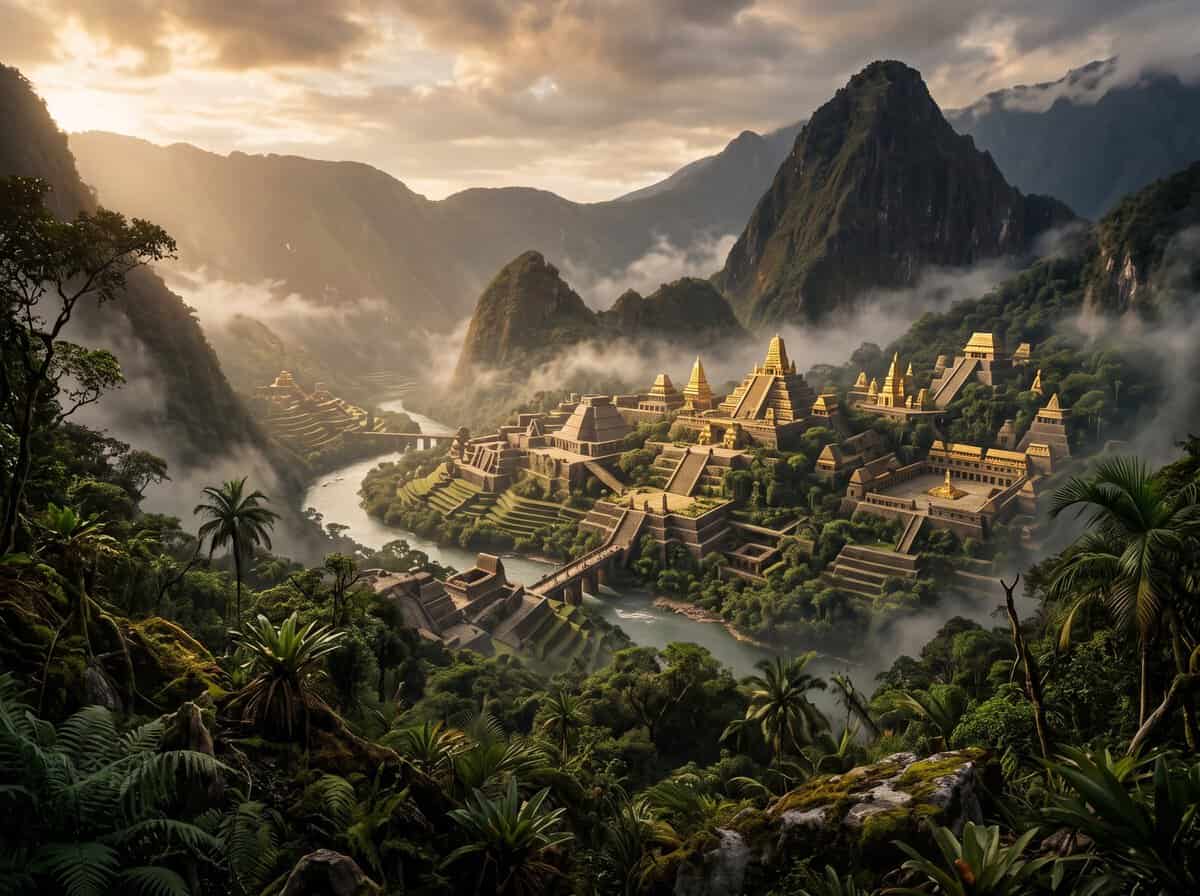
A golden ruler was apparently not exciting enough. As stories spread, El Dorado became larger.
Eventually, people began imagining an entire place filled with extraordinary riches.
A city. A kingdom. A hidden civilization. Different versions placed it in different parts of South America.
This made the search almost impossible to finish. If explorers searched one region and found nothing, El Dorado could simply be somewhere else.
Perhaps it was beyond the next mountain. Maybe it was deeper in the jungle.
Maybe another river would finally lead there. The legend kept moving.
In a strange way, that made El Dorado impossible to disprove.
There was always another unexplored place where the golden city might still be hiding.
5. Some Believed El Dorado Stood Beside a Mysterious Lake

Eventually, another name entered the story. Lake Parime. European maps sometimes showed this enormous lake in South America.
Near it appeared a legendary city often called Manoa. Manoa and El Dorado became connected in European imagination.
The problem was that Lake Parime itself became something of a geographical mystery.
Explorers searched for the great lake shown on maps but could not find it as expected.
That only made the story stranger. How could something appear on maps and then seemingly disappear?
There may have been real landscapes, seasonal flooding, Indigenous reports, and misunderstandings behind the idea.
But for treasure hunters, the explanation was more exciting.
Somewhere near that mysterious water, perhaps the golden city was still waiting.
6. El Dorado Was Said to Contain Almost Impossible Amounts of Gold
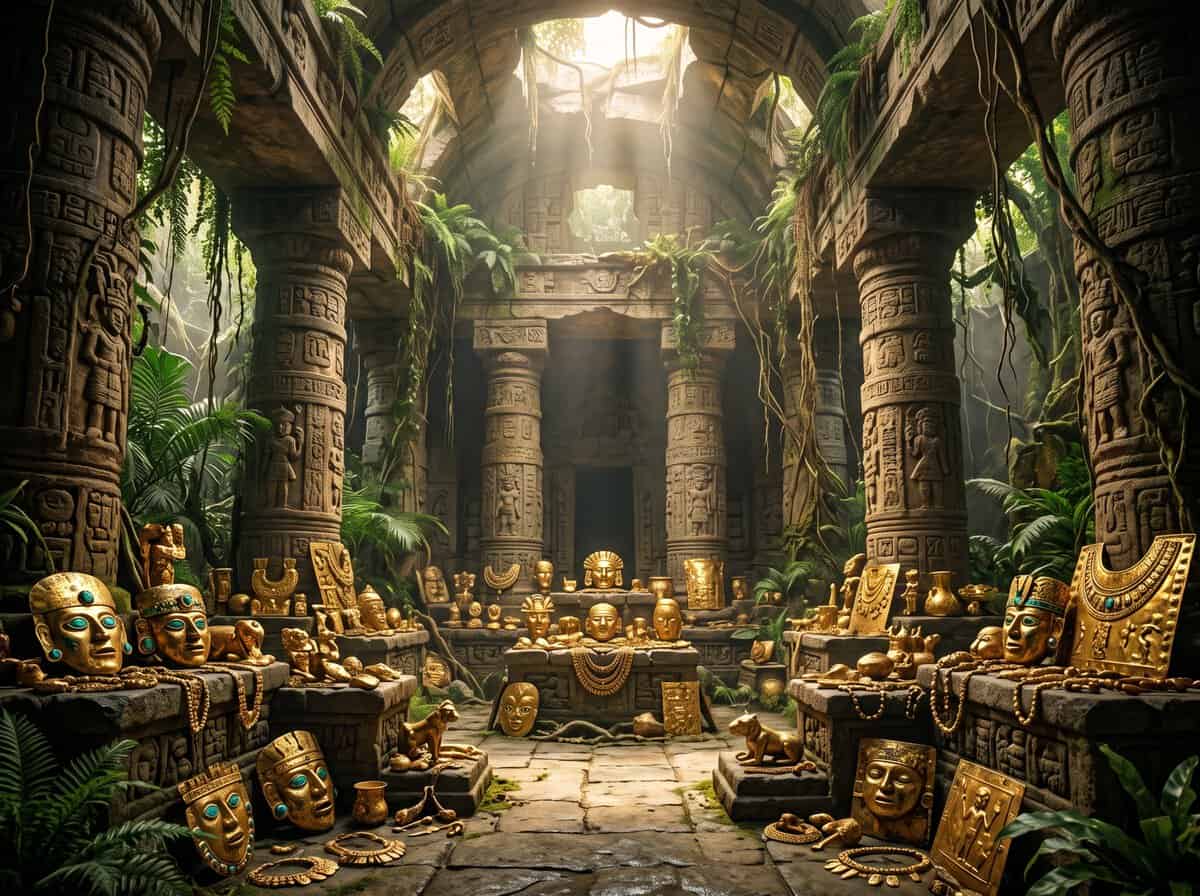
Once El Dorado became a city, ordinary wealth was no longer enough. The stories grew.
People imagined buildings decorated with gold. Temples filled with treasure.
Golden objects everywhere. The city became a symbol of unlimited riches.
There was one real detail helping these stories survive.
Indigenous cultures in parts of South America were incredibly skilled at metalworking.
Europeans really did encounter beautiful gold objects. That made the larger stories seem possible.
If these people could create such extraordinary pieces, perhaps there really was a hidden source of unimaginable wealth.
But this also created a major misunderstanding.
Gold did not necessarily have the same meaning for Indigenous societies that it had for European treasure seekers.
One culture could see a sacred object. Another could see something to melt down.
7. Explorers Believed El Dorado Was Always Just a Little Farther Away
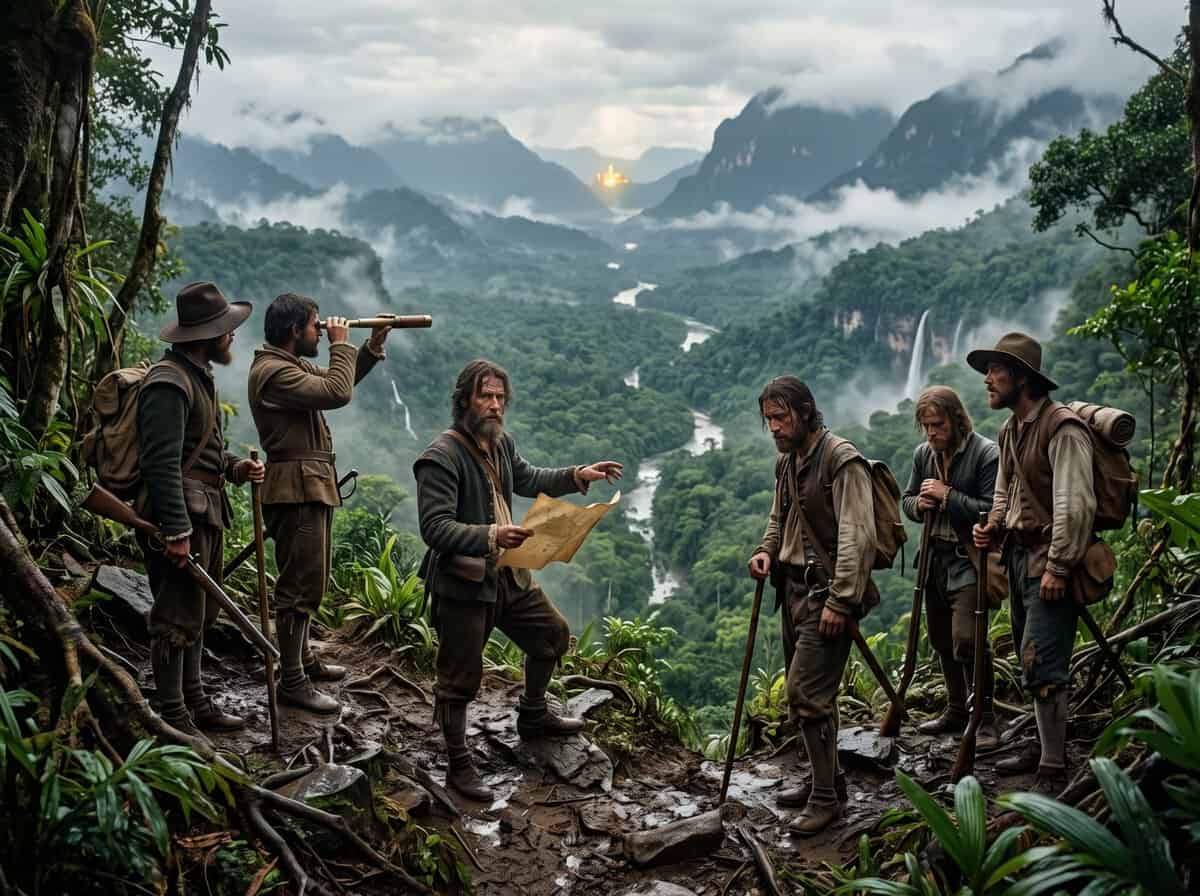
This may be the most powerful part of the legend. El Dorado was never quite here.
It was always there. Someone had heard about a wealthy kingdom farther inland.
Another person knew of people who supposedly knew the route. A river might lead toward it.
A mountain range might hide it. Every failed expedition could produce another rumor.
And rumors kept the search alive. This is how legendary places can become almost impossible to abandon.
Finding nothing does not always kill the belief. Sometimes it makes the mystery bigger.
Perhaps the expedition simply searched in the wrong place. Perhaps local guides deliberately hid the route.
Perhaps the city was farther away than anyone expected. El Dorado remained just beyond the edge of the known map.
8. Sir Walter Raleigh Became Obsessed With Finding It

The legend eventually attracted one of the most famous explorers of the Elizabethan age.
Sir Walter Raleigh became convinced that a rich empire existed in South America.
He connected it with Guiana and the legendary city of Manoa.
Raleigh traveled to the region in the 1590s and later published an account describing the search.
He did not find the golden city. But he helped make the legend even more famous in Europe.
Years later, another expedition was launched. It ended badly.
Raleigh’s son died during the journey, and the expedition created political problems after his men attacked a Spanish settlement.
Raleigh was eventually executed after returning to England. El Dorado had promised unimaginable wealth.
Instead, the search became part of his downfall.
9. Some People Believed El Dorado Was Deliberately Being Hidden
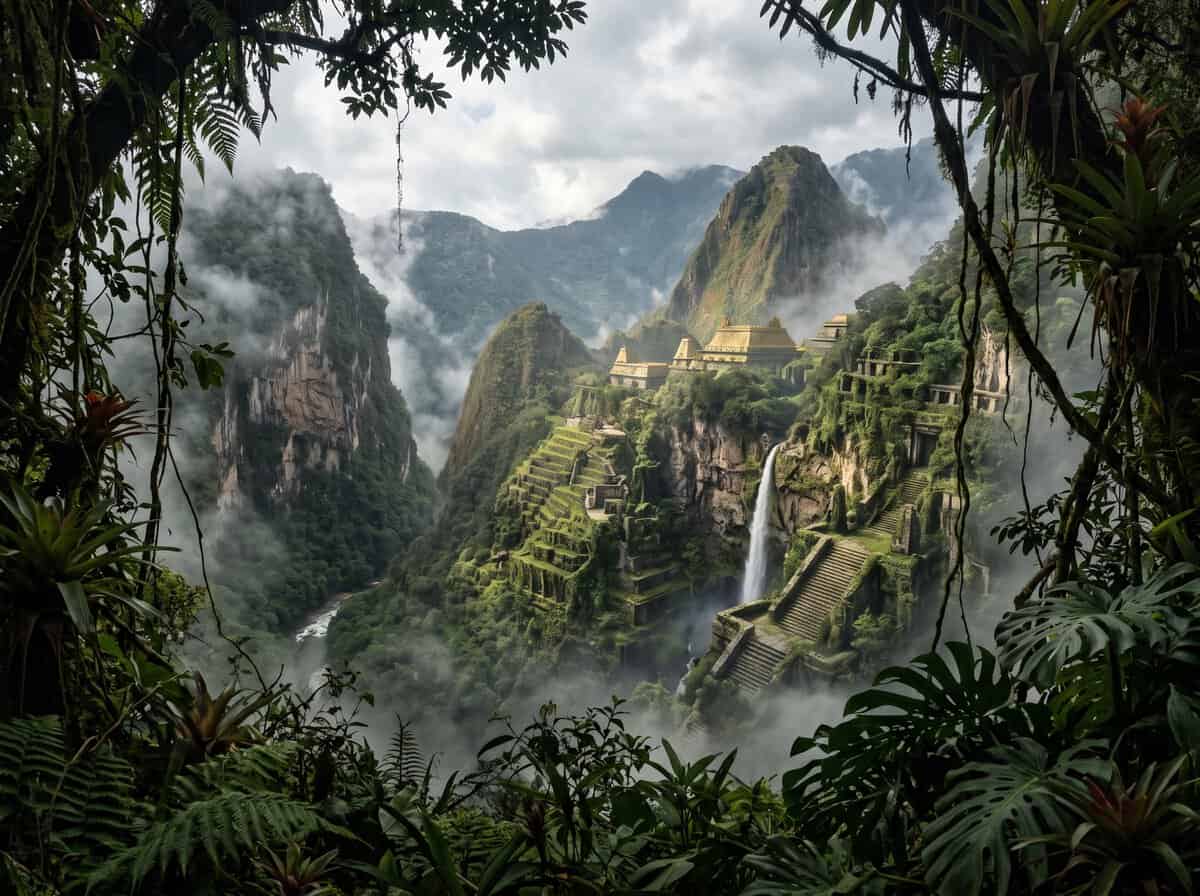
When generations search for something without finding it, another possibility naturally appears.
What if it does not want to be found? Stories about hidden civilizations often develop this idea.
Perhaps local people knew where El Dorado was but refused to reveal it.
That possibility would not have seemed completely unreasonable to European explorers.
Indigenous communities had every reason to protect themselves and their knowledge from outsiders searching for gold.
But the idea could easily grow into something more mysterious. Maybe the city was protected by impossible geography.
Perhaps only certain people knew the true route. Maybe outsiders could pass close without realizing what was hidden beyond the forest.
There is no proof of a secret golden metropolis being deliberately concealed.
Still, it is easy to understand why the idea survived. A hidden city is much more exciting than an empty map.
10. The Greatest Myth Is That El Dorado Was Never Real at All
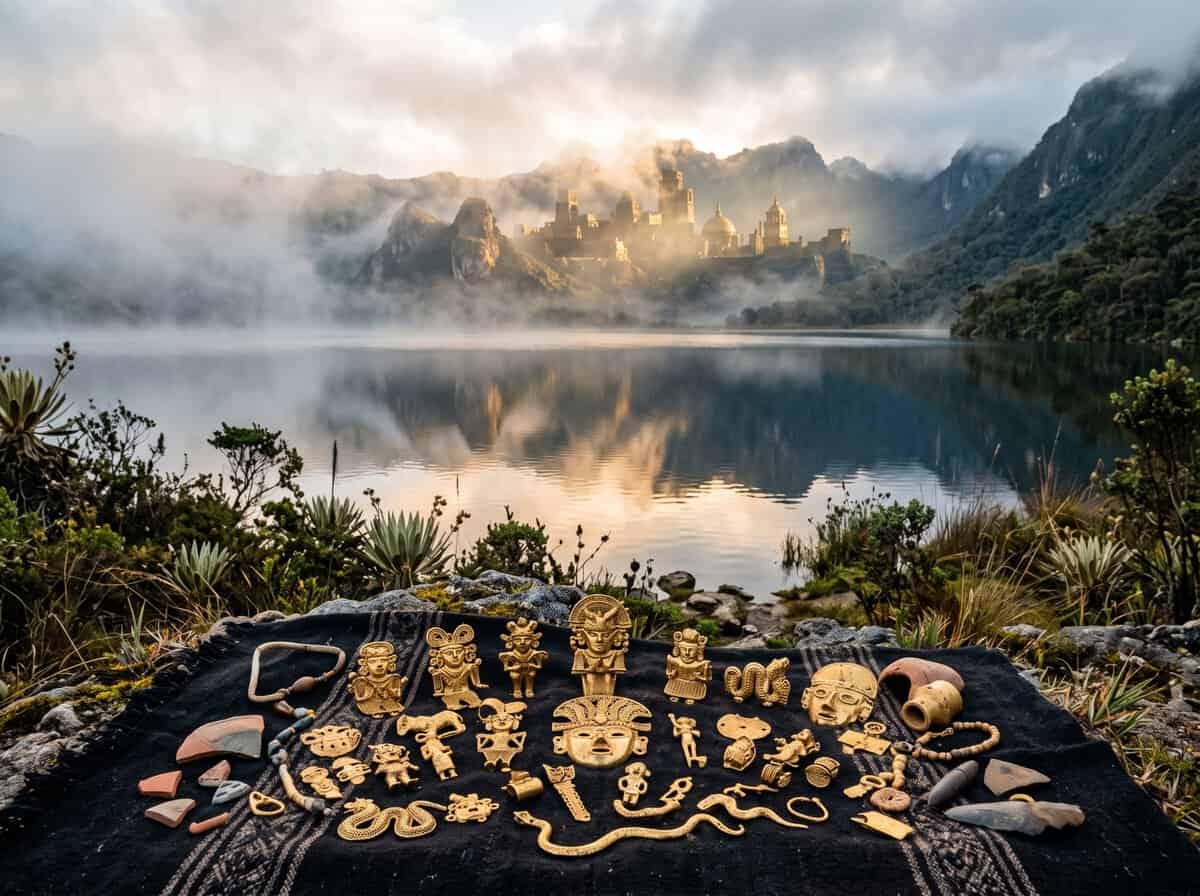
There is an interesting twist at the end of the story. El Dorado may not have existed as the enormous golden city Europeans imagined.
But that does not mean the entire legend was meaningless. Behind it were real people.
Real ceremonies. Real goldworking. Real sacred landscapes.
The Muisca created extraordinary objects and had complex religious traditions long before European treasure hunters arrived.
The golden city may have grown from misunderstandings, exaggerations, rumors, and endless retellings.
But somewhere underneath all of that was something real enough to start the search.
That may be why El Dorado still feels different from a completely invented fantasy kingdom.
The legend seems to have begun with pieces of reality. Then each generation added something more.
A golden man became a wealthy ruler. The ruler became a kingdom.
The kingdom became a city overflowing with treasure. And eventually, El Dorado became something bigger than any place on a map.
It became the place where unimaginable fortune is always waiting just beyond the next horizon.

Ho sempre sentito una forte connessione con il Divino fin dalla mia nascita. Come autrice e mentore, la mia missione è aiutare gli altri a trovare l'amore, la felicità e la forza interiore nei momenti più bui.