
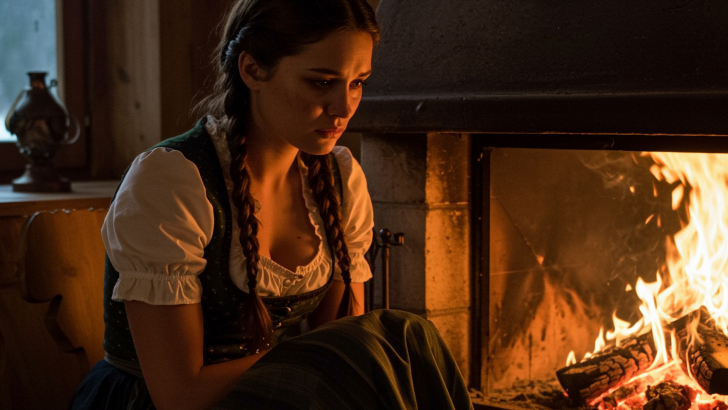
In many old household traditions, especially across Europe and other parts of the world, the fireplace was not just a place for warmth or cooking.
Long before modern heating and kitchens, the fireplace was where families gathered, prepared food, shared stories, and spent most of their time together.
Because of this, it naturally became connected to deeper meanings related to life, protection, and connection.
Fire itself was seen as a powerful element, something that could both help and harm, which made it worthy of respect.
The space around the fire became more than practical, it became meaningful. People believed that the hearth held energy connected to the home, the family, and even unseen forces.
Over time, these ideas shaped traditions, habits, and beliefs that treated the fireplace as something almost sacred.
In this article, we explore why fireplaces were seen this way and what they symbolized in old household beliefs.
1. The Hearth Was the Center of Daily Life
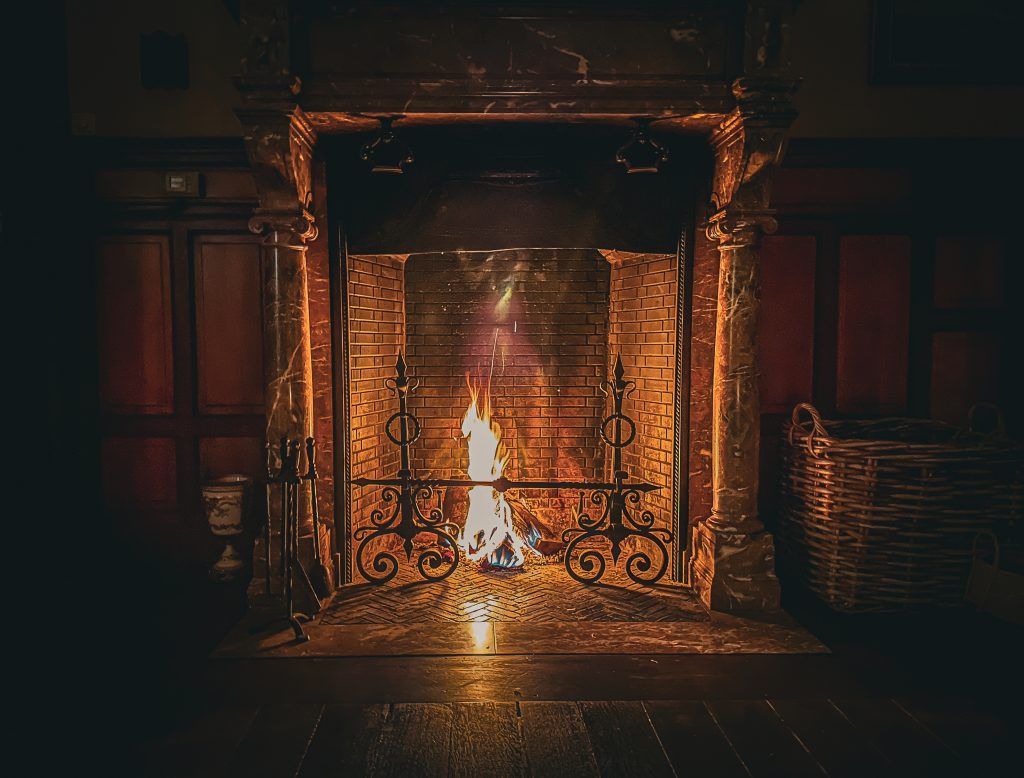
In traditional homes, the fireplace or hearth was the center of daily activity. It provided warmth during cold seasons and was often the main place for cooking food.
Families gathered around it to eat, talk, and spend time together. Because so much of life happened in this one place, it became emotionally important.
People associated it with comfort, safety, and routine. Over time, this constant presence gave the hearth a deeper meaning.
It was not just a tool, but the heart of the home. This central role made it feel like a grounding point for family life, where everything connected and where people returned at the end of the day.
2. Fire Was Seen as a Powerful Element
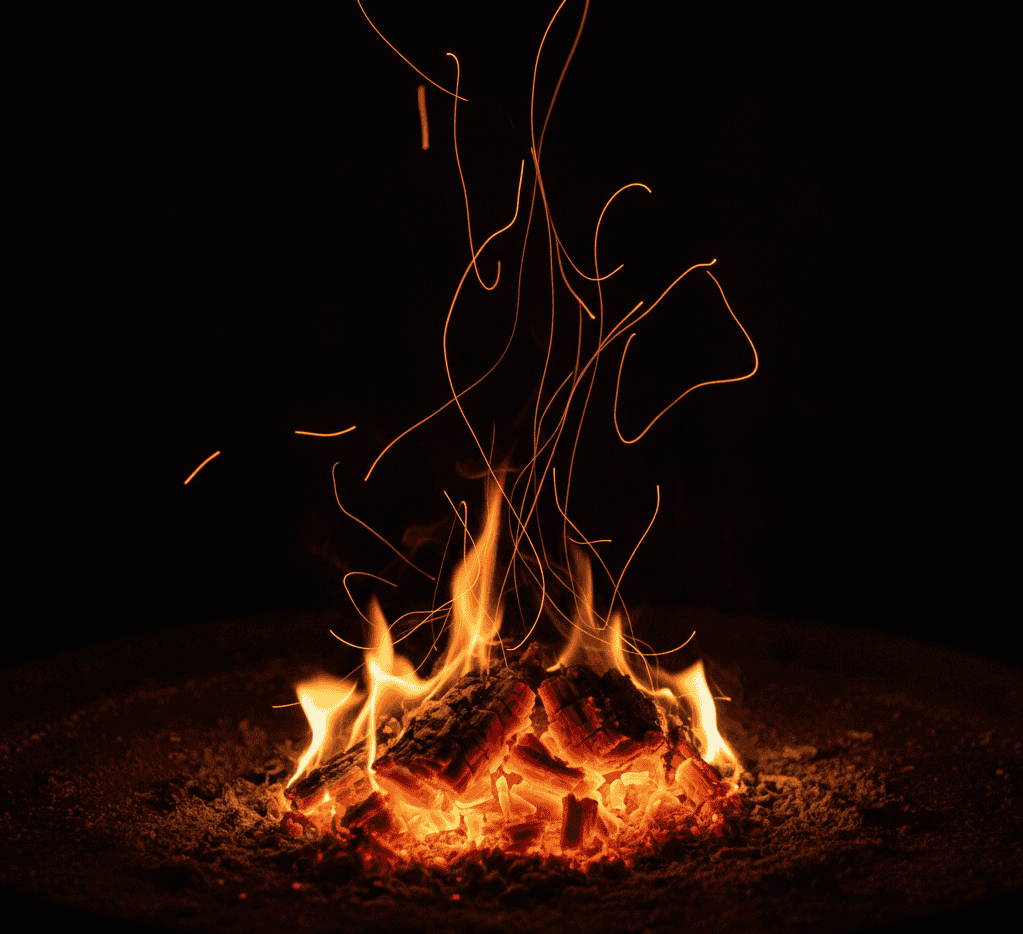
Fire has always been viewed as one of the most powerful natural elements. It gives warmth and light, but it can also destroy if not controlled.
Because of this dual nature, people treated it with respect and caution. In many traditions, fire was seen as something alive or connected to unseen forces.
Keeping a fire burning safely required attention and care, which added to its importance. The fireplace became a place where this powerful element was contained and respected.
This made it feel special and meaningful, as it brought both comfort and responsibility into the home.
3. It Symbolized Protection and Safety
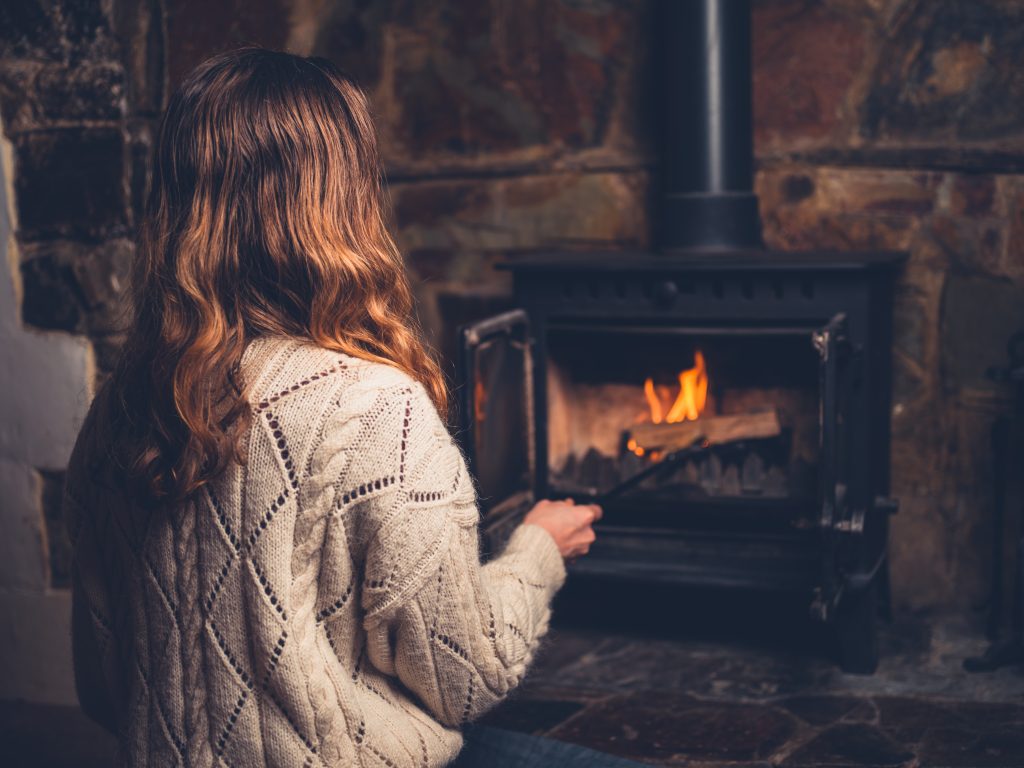
The fireplace was often associated with protection and safety. A warm fire could keep away cold, darkness, and even wild animals in earlier times.
Because of this, people began to connect the hearth with a sense of security. It became a symbol of a safe space where the outside world could not easily reach.
In some beliefs, it was also thought to protect against unseen or negative influences. The presence of a steady fire created a feeling of stability and reassurance.
This protective role made the fireplace an important symbol of care and shelter within the home.
4. It Was Linked to Family Unity
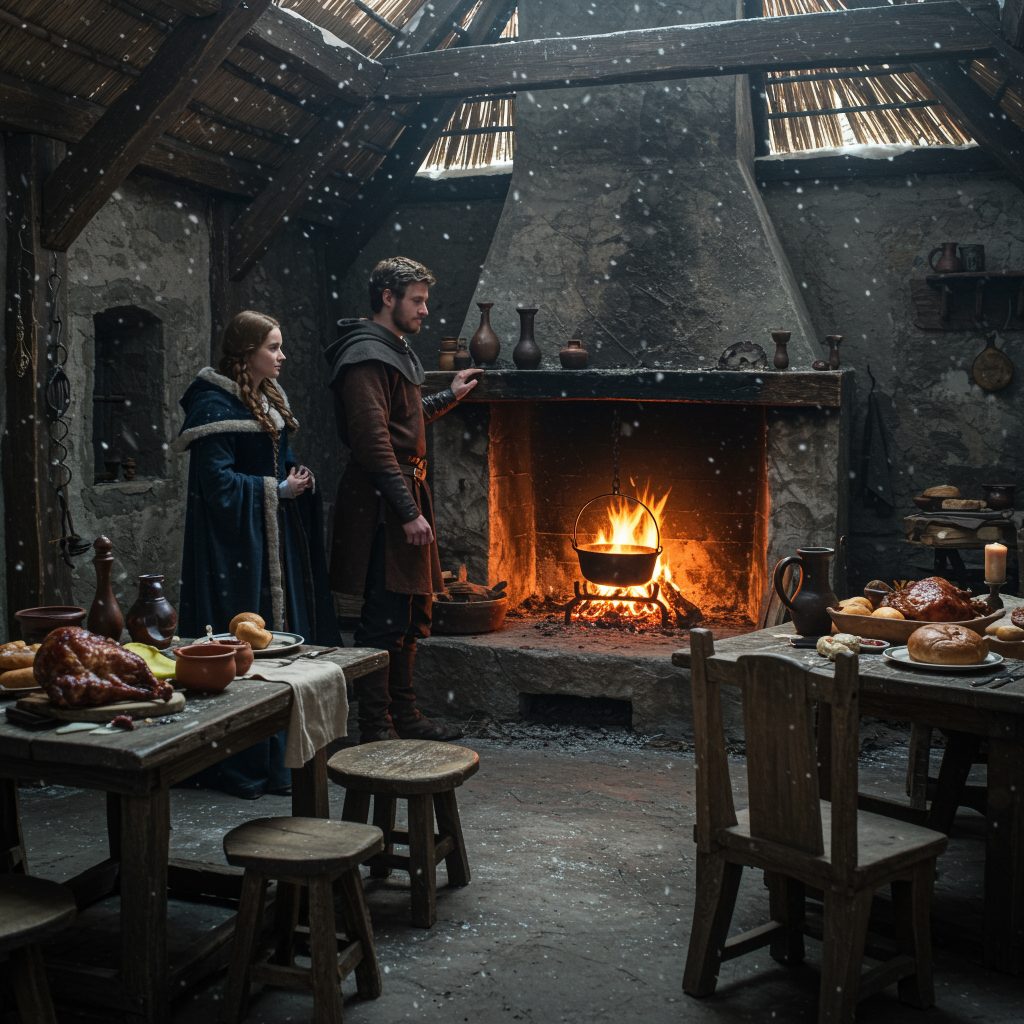
Because families spent so much time around the fireplace, it became a symbol of unity and togetherness. It was where stories were told, meals were shared, and daily experiences were discussed.
This constant gathering created a strong emotional connection to the space. The fireplace represented the idea of being together, supporting one another, and sharing life.
In many traditions, it was seen as a place where relationships were strengthened. This made it more than just a physical object, it became a symbol of emotional connection and belonging within the household.
5. It Was Connected to Ancestral Presence
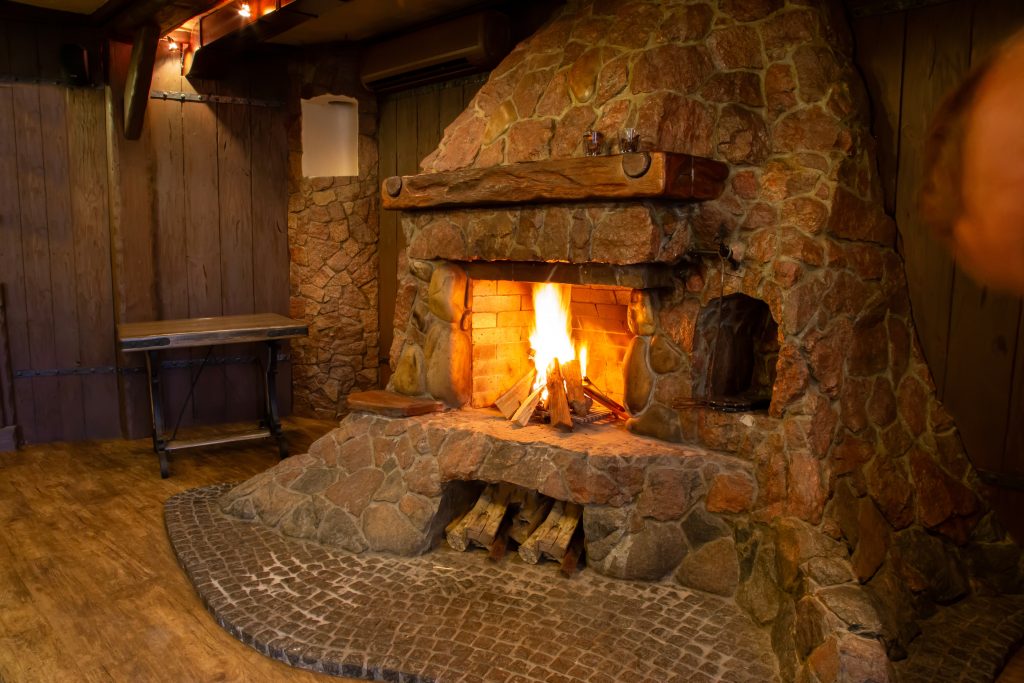
In some old beliefs, the fireplace was thought to be connected to ancestors or past family members.
Because it was always present and passed down through generations, it became a link between the past and the present.
People believed that the warmth of the fire could carry memory or presence in a symbolic way. Sitting by the fire sometimes felt like being close to family members who were no longer there.
This idea gave the fireplace a deeper emotional and spiritual meaning. It became a place where memory and continuity were felt in everyday life.
6. It Played a Role in Rituals and Traditions
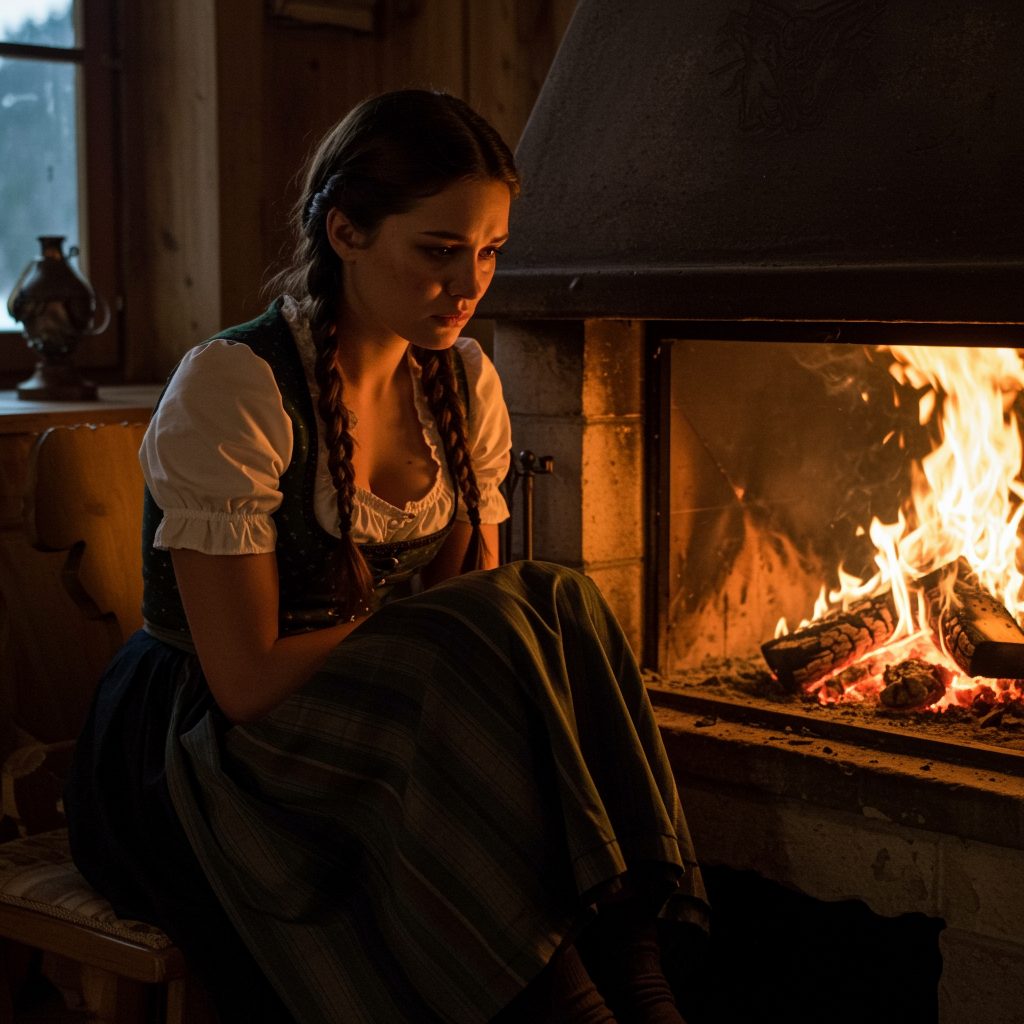
The fireplace was often part of small household rituals and traditions. These could include lighting the fire at certain times and keeping it burning overnight.
These actions were not always formal ceremonies, but they carried meaning and intention.
Over time, these habits created a sense that the fireplace was part of something larger than daily routine.
It became connected to tradition and cultural practice. This added to its sense of importance and made it feel like a meaningful part of home life.
7. It Represented Warmth Beyond the Physical
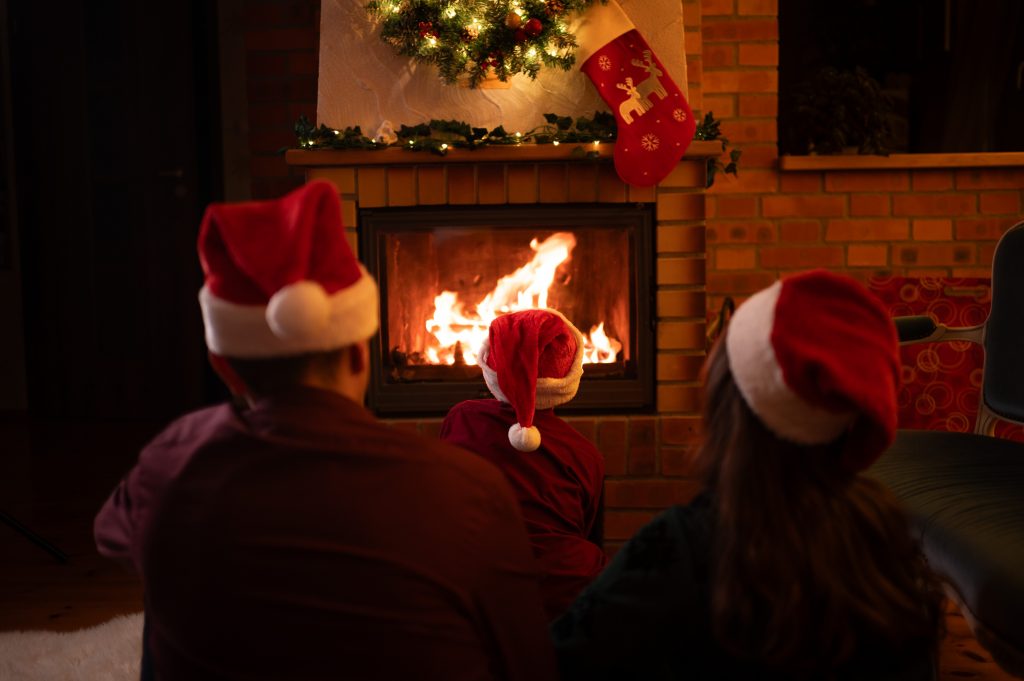
While the fireplace provided physical warmth, it also became a symbol of emotional warmth.
The feeling of sitting by a fire, surrounded by family or in quiet reflection, created a sense of comfort and calm.
This emotional experience became linked to the hearth itself. People began to see it as a place that offered more than heat.
It offered peace and connection. This symbolic warmth made the fireplace an important part of how people understood comfort and home.
It represented care, rest, and emotional support in a simple but powerful way.

Ho sempre sentito una forte connessione con il Divino fin dalla mia nascita. Come autrice e mentore, la mia missione è aiutare gli altri a trovare l'amore, la felicità e la forza interiore nei momenti più bui.