

Food plays an important role throughout the Bible, not only as a basic need for survival, but also as a symbol of faith, blessing, and God’s care.
Many stories, parables, and lessons include simple meals that carried deep meaning for the people of that time.
These foods reflected everyday life, the land they lived in, and their dependence on God for provision.
By looking at the foods mentioned in Scripture, we can better understand the culture, the struggles, and the spiritual lessons behind many well-known passages.
1. Bread

Bread was the most common and important food in biblical times. It was eaten daily and was often made fresh from wheat or barley flour.
Because it was such a basic part of life, bread became a strong symbol of God’s provision and care.
When the Israelites wandered in the wilderness, God provided manna from heaven to feed them.
In the New Testament, Jesus called Himself the Bread of Life, teaching that spiritual nourishment is even more important than physical food.
Bread represented both survival and a deep dependence on God.
2. Fish

Fish was a major source of protein for people who lived near lakes, rivers, and the sea, especially around the Sea of Galilee.
Many fishermen worked hard each day to catch enough to sell or feed their families.
Fish also appears in several important stories about Jesus, including the miracle where He fed thousands with only a few fish and loaves of bread.
After His resurrection, Jesus even shared a simple meal of fish with His disciples. Fish became a symbol of provision, fellowship, and the everyday life of ordinary people.
3. Olive Oil

Olive oil was one of the most valuable products in the ancient world. It was used for cooking, lighting lamps, healing wounds, and even for religious ceremonies.
Olive trees grew well in the region, and their fruit provided a steady source of oil for many purposes.
In the Bible, oil often symbolized blessing, healing, and the presence of God. Kings and priests were anointed with oil as a sign that they were chosen for a special purpose.
Because of its many uses, olive oil represented both daily life and spiritual dedication.
4. Honey

Honey was one of the few natural sweeteners available in biblical times, and it was considered a special and enjoyable food.
The Promised Land was described as a land flowing with milk and honey, which meant it was a place of abundance and blessing.
Honey also appears in stories that show God’s care and provision in simple ways. Its sweetness became a symbol of joy, goodness, and the delight that comes from God’s word.
Honey reminded people that life could include moments of comfort and pleasure even during hard times.
5. Figs
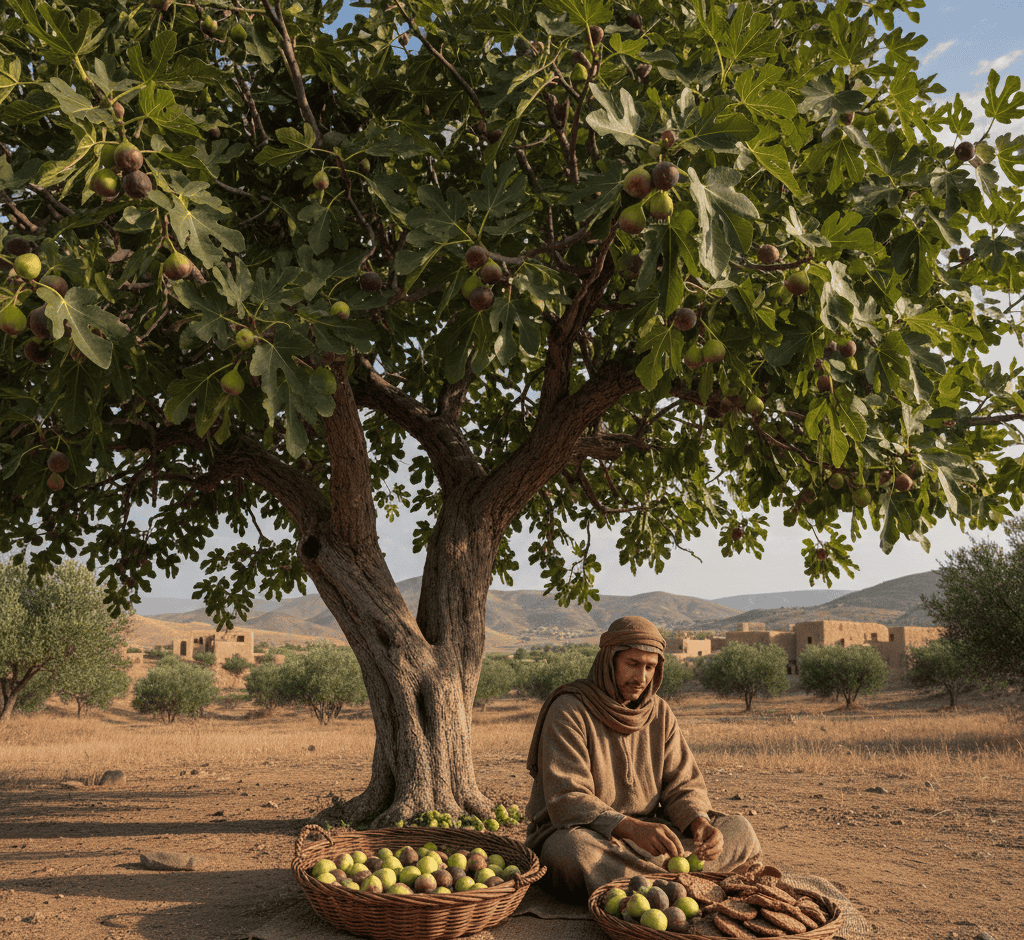
Figs were a common fruit in the Middle East and were eaten fresh or dried for later use. They were nutritious, easy to store, and often part of everyday meals.
Fig trees also became symbols of peace, safety, and prosperity. When people sat under their own fig tree, it meant they were living in security and comfort.
At the same time, the Bible sometimes used fig trees as a warning, showing that a tree without fruit represented a life that lacked faith or purpose. Figs carried both practical and spiritual meaning.
6. Lentils

Lentils were a simple but filling food that provided important nutrients and energy. They were often cooked into stews and eaten with bread.
One of the most famous Bible stories involving lentils is when Esau sold his birthright to his brother Jacob for a bowl of lentil stew.
This story shows how hunger and impatience can lead to poor choices. Lentils remind readers of the value of wisdom, self-control, and thinking beyond immediate needs.
Even a humble meal became a lesson about priorities and long-term consequences.
7. Grapes and Wine
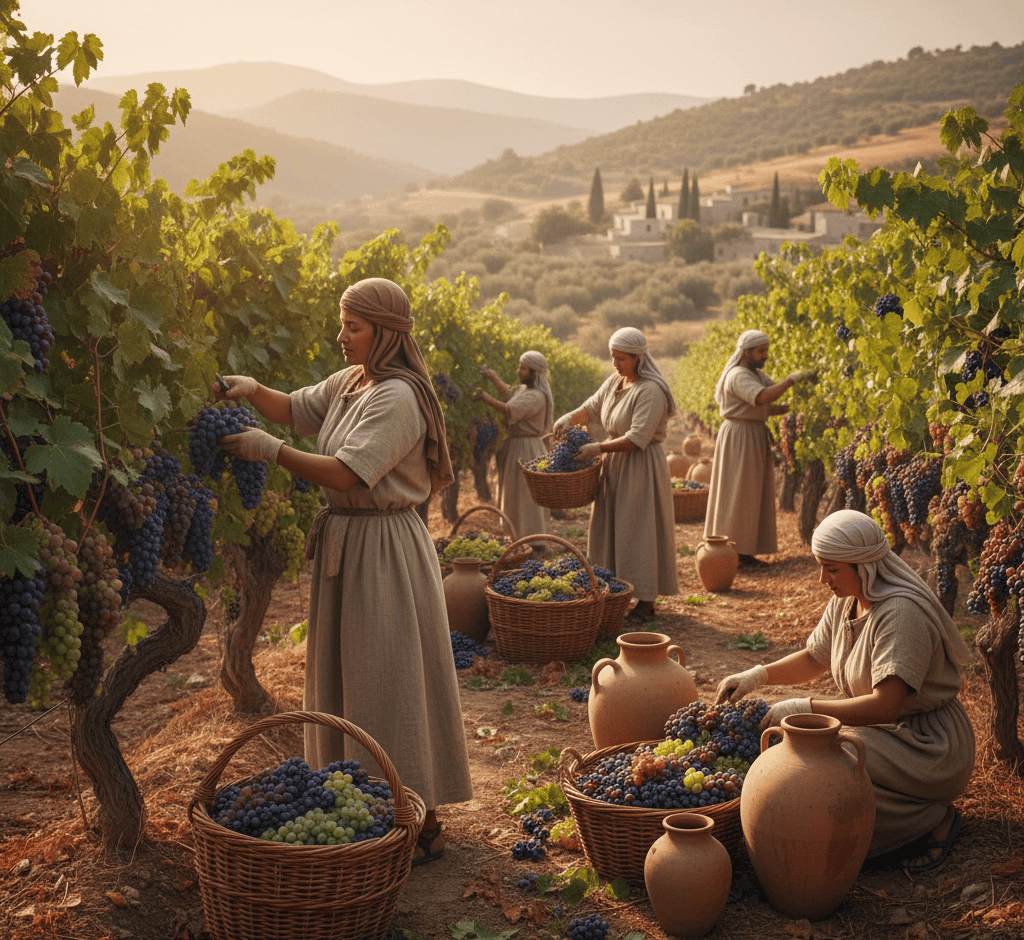
Grapes were widely grown and were eaten fresh, dried as raisins, or used to make wine. Vineyards were an important part of the economy and daily life.
Wine was often served during meals and celebrations, but it also carried spiritual meaning.
Jesus used wine during the Last Supper to represent His sacrifice and the new covenant. Throughout the Bible, vineyards symbolized growth, blessing, and responsibility.
Grapes and wine reminded people of joy and celebration, while also pointing to deeper themes of faith, sacrifice, and spiritual renewal.

Ho sempre sentito una forte connessione con il Divino fin dalla mia nascita. Come autrice e mentore, la mia missione è aiutare gli altri a trovare l'amore, la felicità e la forza interiore nei momenti più bui.