

The Illuminati is one of the most talked-about and misunderstood groups in history. Some people believe it was a small secret society that disappeared long ago.
Others believe it still exists and quietly influences politics, money, culture, and power.
What makes the Illuminati so fascinating is how much of its history feels hidden, erased, or deliberately ignored.
Official records give one story, while legends and old documents suggest another.
These ten facts explore the forbidden and often overlooked history behind the Illuminati, focusing on what is known, what is questioned, and why it still captures attention today.
1. The Illuminati Was Officially Founded in 1776

One of the few confirmed facts about the Illuminati is its founding date. The Bavarian Illuminati was established in 1776 by Adam Weishaupt, a professor of law.
The timing alone raises curiosity because 1776 is also the year of the American Declaration of Independence.
Weishaupt claimed the group was created to promote reason, free thinking, and opposition to religious control.
However, the secrecy of the group made many suspicious. Members used code names, secret symbols, and hidden ranks.
This secrecy is one reason the Illuminati became surrounded by fear and mystery.
While officially described as a philosophical society, its methods resembled those of covert power groups, which caused concern among governments and churches.
2. The Illuminati Was Banned but Not Fully Erased
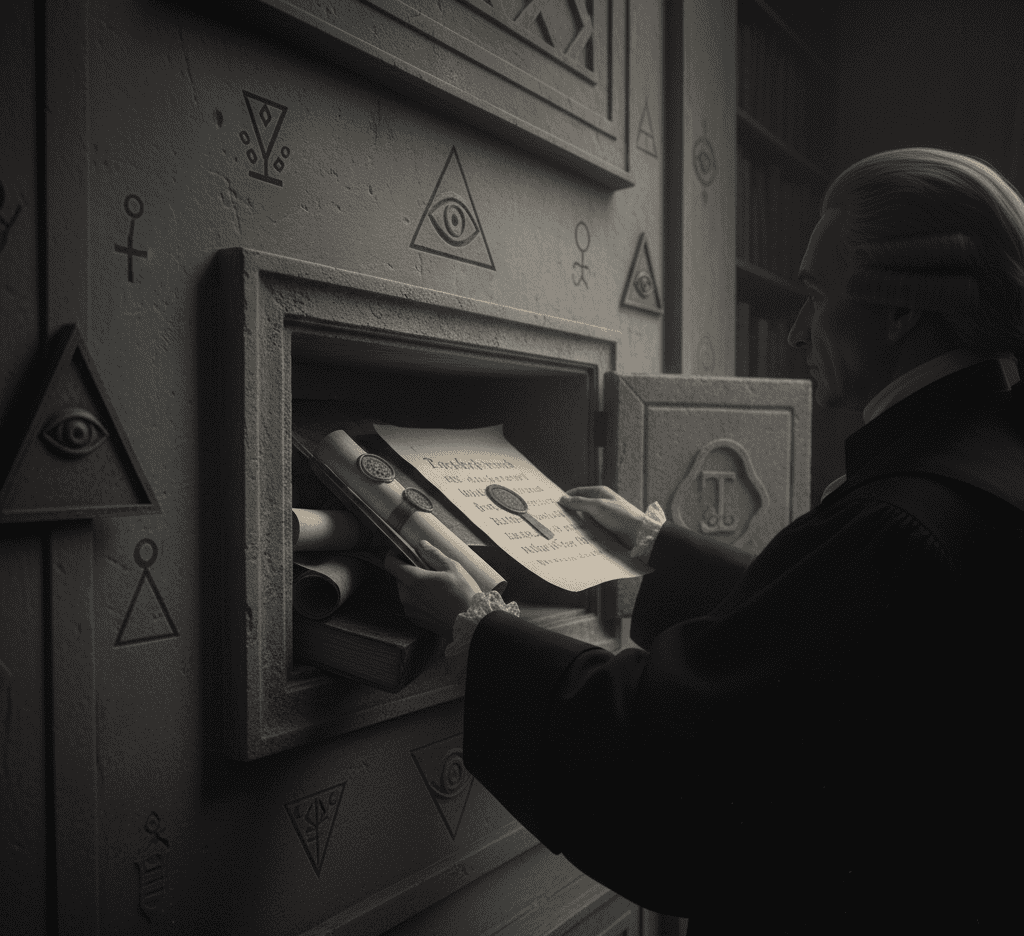
Historical records show that the Bavarian government banned the Illuminati in the late 1700s.
Official documents say the group was dismantled, its leaders punished, and its influence ended.
However, banning a secret society does not always destroy it. Some historians believe the Illuminati did not vanish but instead went underground.
Members may have joined other secret groups or continued their beliefs quietly. The lack of clear records after the ban fuels speculation.
This fact is considered forbidden because it challenges the idea that powerful secret groups can be easily removed by laws or decrees.
3. The Illuminati Used Layers of Secrecy
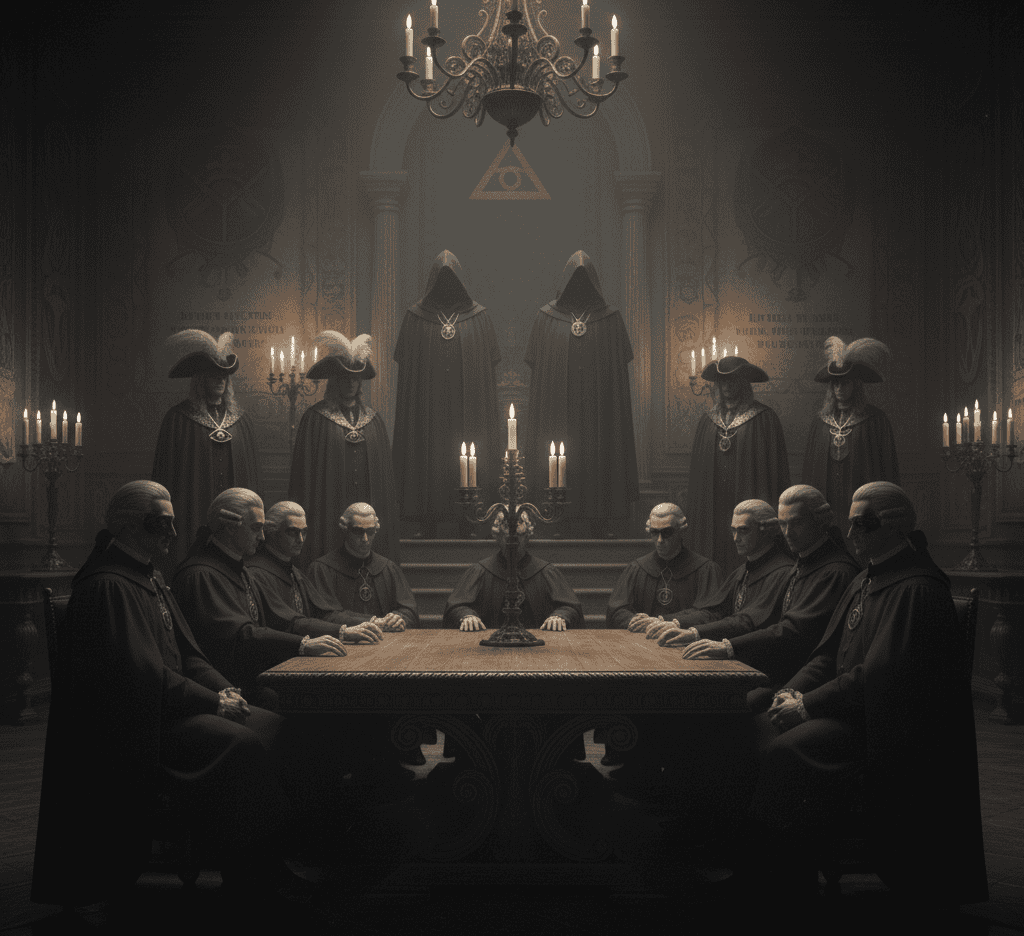
One of the most disturbing historical facts is how the Illuminati structured its membership. Lower-level members often did not know who truly led the organization.
They believed they were part of harmless philosophical circles. Higher levels, however, had access to political ideas, long-term plans, and influence strategies.
This structure meant that only a few individuals held real power and knowledge. Such layered secrecy is common in covert organizations.
It suggests the group understood human psychology and control. This raises questions about whether similar structures exist in modern institutions today.
4. The Illuminati Targeted Influential Positions

Historical letters and writings suggest that the Illuminati encouraged members to seek positions of influence.
These included roles in education, government, religion, and publishing.
Rather than using violence, the group believed ideas were the most powerful weapon. By shaping education and public thought, they could slowly change society.
This approach was subtle and difficult to detect. This fact is often ignored because it implies long-term influence rather than immediate action.
It also explains why some believe the Illuminati never truly disappeared but adapted to new systems.
5. Illuminati Symbols Appear Long After Their Ban
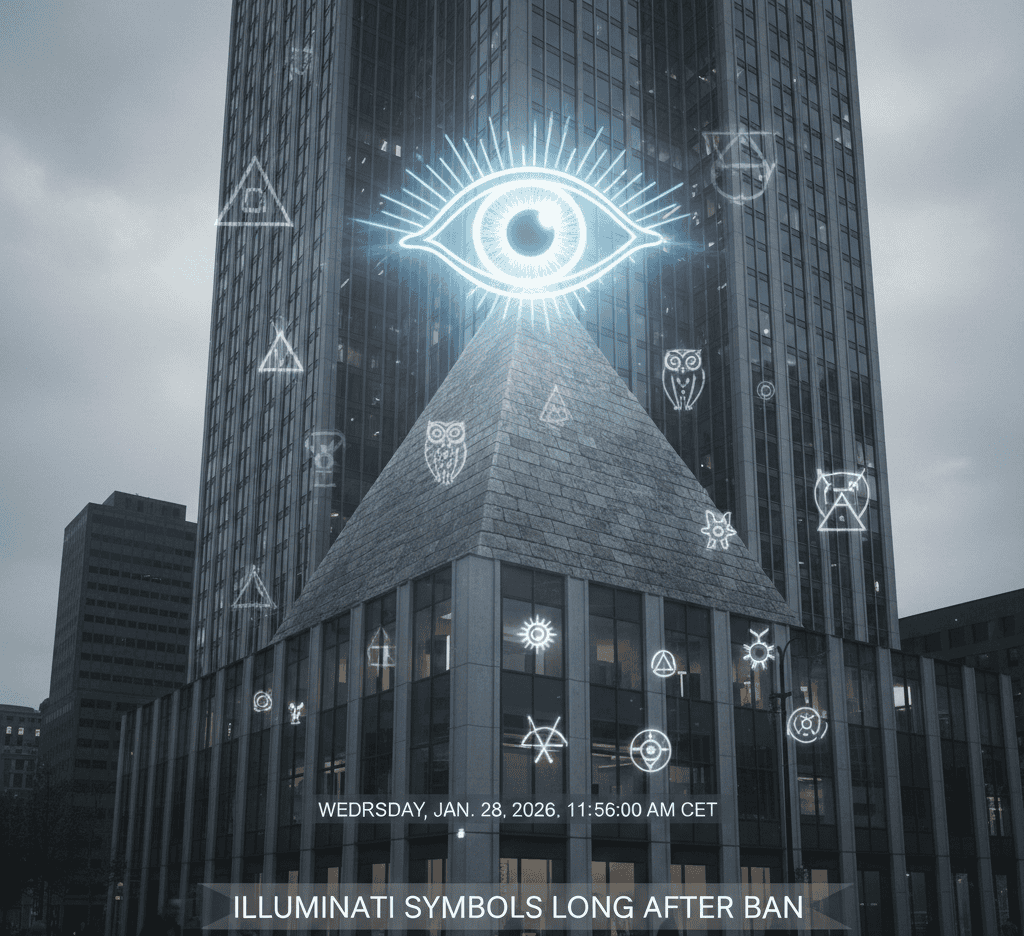
Many symbols commonly associated with the Illuminati, such as the all-seeing eye, pyramids, and light imagery, continued to appear long after the group was supposedly destroyed.
Some historians say these symbols were already common and unrelated. Others argue that their continued use suggests influence survived in hidden forms.
Symbols are powerful tools. They communicate ideas quietly and persist through generations.
This fact remains controversial because symbols can be interpreted in many ways, yet their repeated appearance keeps the mystery alive.
6. The Illuminati Was Linked to Other Secret Societies
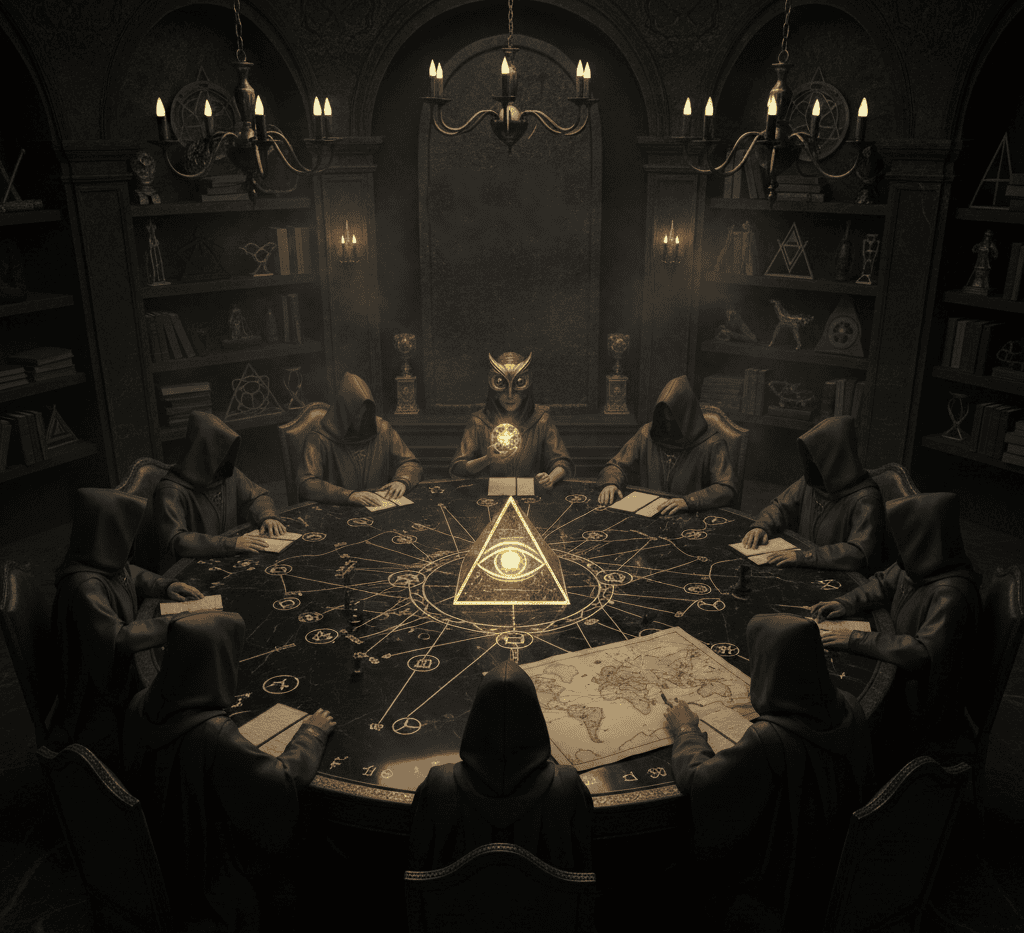
Historical records show overlap between Illuminati members and other secret groups, especially Freemasonry.
While not all Freemasons were Illuminati, some individuals belonged to both.
This overlap allowed ideas to travel even after the Illuminati was banned. Secret societies often share methods, rituals, and goals.
This fact is rarely discussed openly because it blurs the line between documented history and speculation.
It suggests that ideas do not disappear simply because one group ends. They migrate, adapt, and survive.
7. Governments Took the Illuminati Seriously

One reason the Illuminati gained such a dark reputation is because governments genuinely feared it.
Official reports described it as dangerous, deceptive, and capable of undermining authority.
If the group was harmless, it would not have triggered such a strong response. The fear shown by authorities suggests the Illuminati had influence beyond philosophy.
This fact is often dismissed today, but historical reactions show it was considered a real threat. Governments rarely act aggressively without reason, especially against nonviolent groups.
8. The Illuminati Opposed Absolute Power
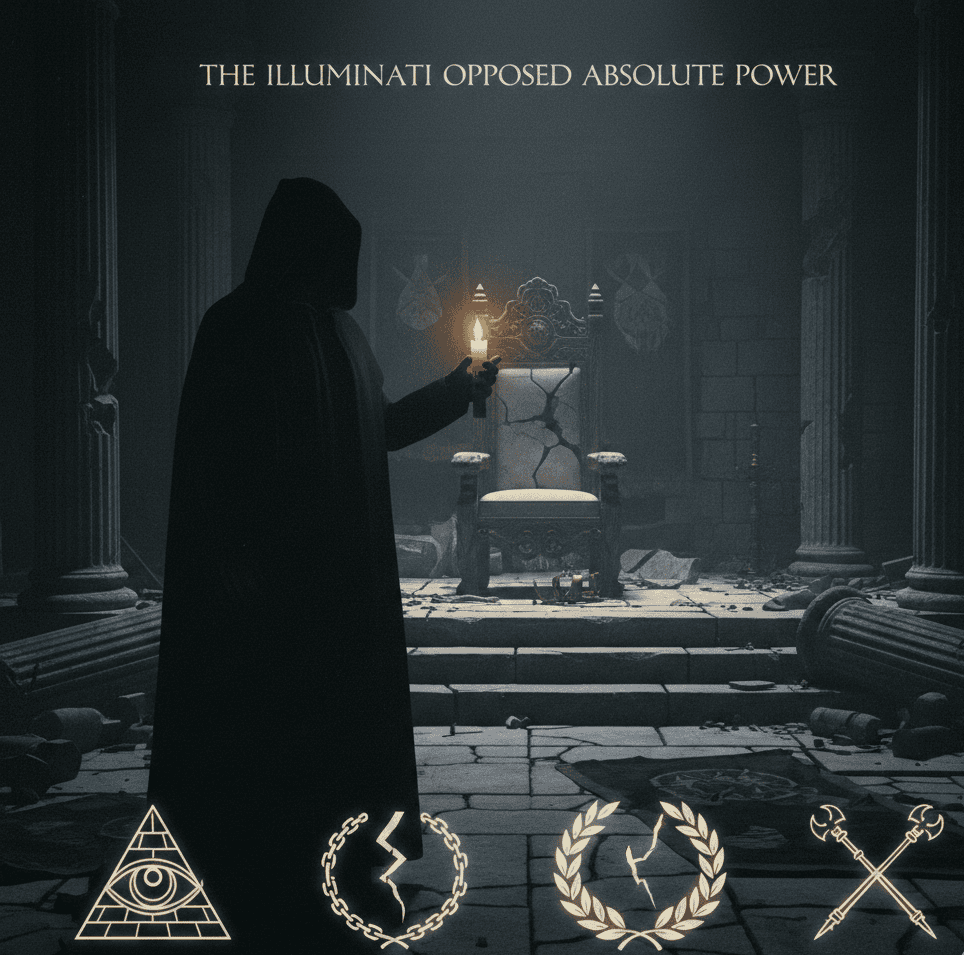
Despite its dark image, the Illuminati strongly opposed absolute rule, religious dominance, and blind obedience.
They believed individuals should think for themselves rather than follow authority without question.
This belief made them enemies of powerful institutions. Churches and monarchies viewed independent thought as dangerous.
This fact is often hidden because it complicates the narrative. The Illuminati was not simply about control. It was also about challenging existing power, which made it both admired and feared.
9. Many Documents About the Illuminati Are Missing

A strange part of Illuminati history is how many documents are lost, destroyed, or incomplete. Some were burned after the ban.
Others disappeared into private collections. Missing records create space for speculation.
When history lacks evidence, stories fill the gap. This fact is forbidden because it leaves unanswered questions.
Why were certain documents destroyed? What information did they contain? The absence of proof is one of the strongest reasons the Illuminati remains controversial and mysterious.
10. The Illuminati Became a Symbol of Hidden Power
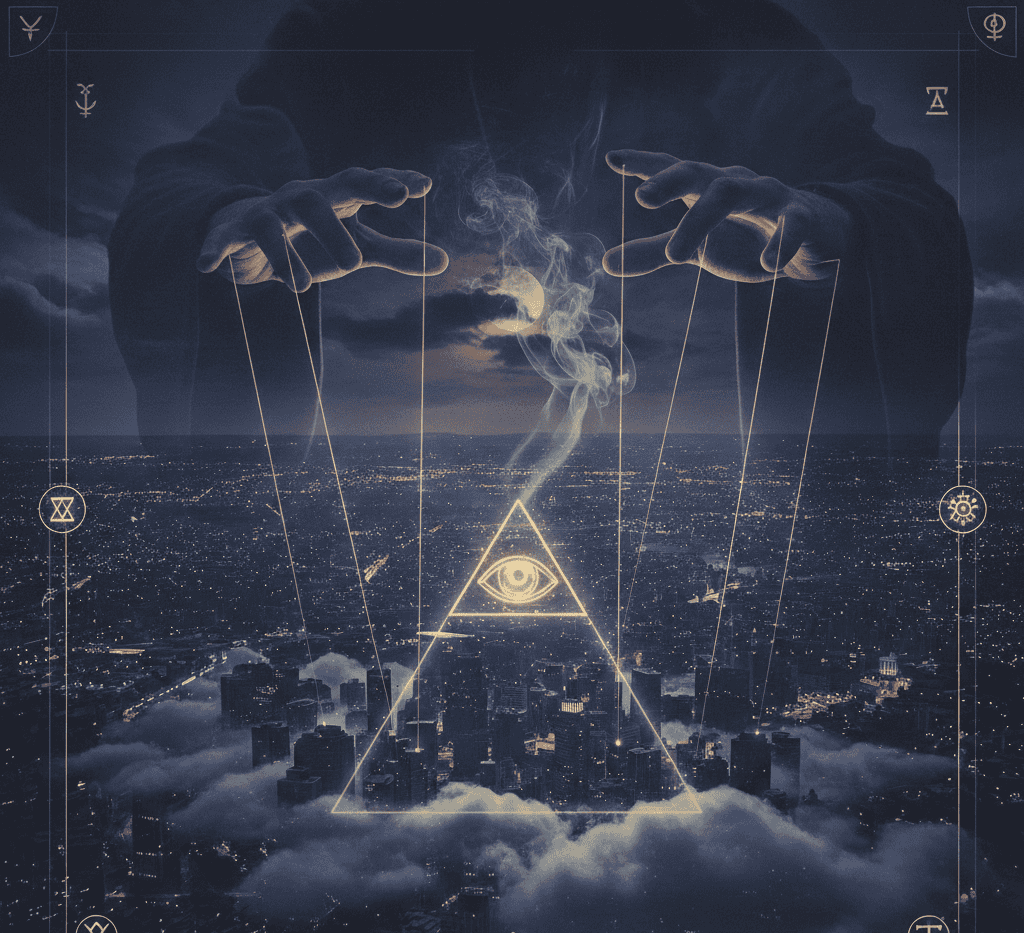
Today, the Illuminati represents more than a historical group. It has become a symbol of hidden control, secret influence, and unseen forces shaping society.
Whether or not the original group still exists, the idea behind it remains powerful.
People use the Illuminati to explain why systems feel unfair, why power seems concentrated, and why transparency is often missing.
This final fact shows that the Illuminati’s greatest legacy may not be its actions, but its symbolism.
It represents humanity’s fear of what operates behind closed doors and beyond public knowledge.

Ho sempre sentito una forte connessione con il Divino fin dalla mia nascita. Come autrice e mentore, la mia missione è aiutare gli altri a trovare l'amore, la felicità e la forza interiore nei momenti più bui.