
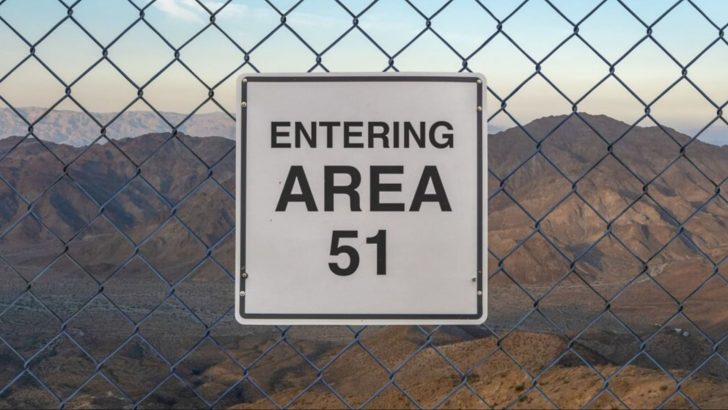
Some placed in the world are strictly off-limits; some due to extreme danger, and others due to government segretezza.
Curiosity might tempt you to explore them, but entering these forbidden zones could cost you your freedom, and even your life!
It’s exciting to research and talk about these mysterious places, but their inaccessibility serves to remind us that some things are simply out of reach.
1. Area 51
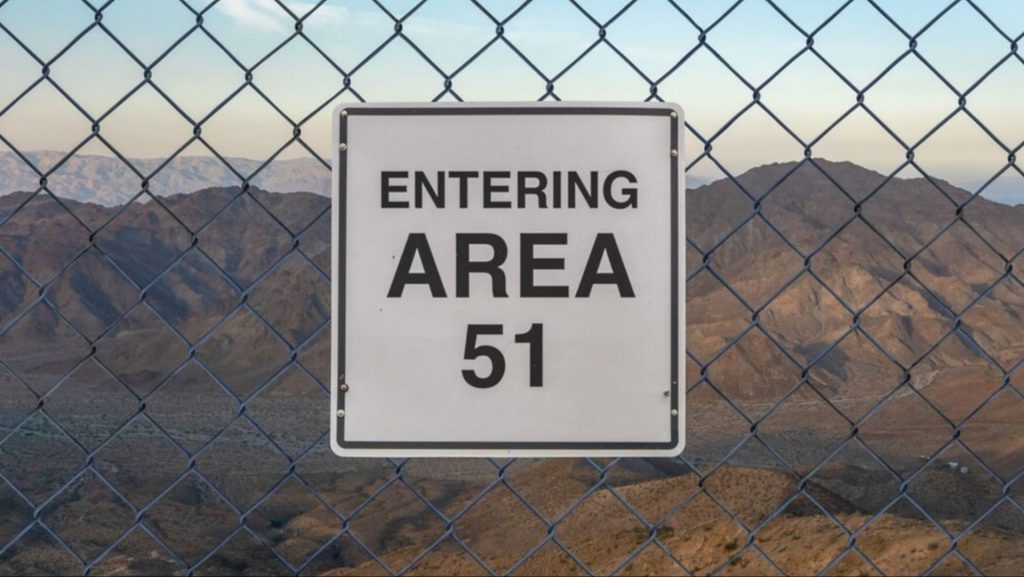
Deep in the Nevada desert lies Area 51, a U.S. Air Force facility that has fueled conspiracy theories for decades.
While officially used for experimental aircraft testing, rumors of extraterrestrial research and crashed UFOs keep attracting thrill-seekers.
Its surroundings are heavily guarded with armed patrols, motion sensors, and warning signs, and trespassers face arrest and prosecution.
The government remains silent, which only adds to the paranoia.
We can’t help but wonder what they’re hiding at the place!
2. Gangkhar Puensum
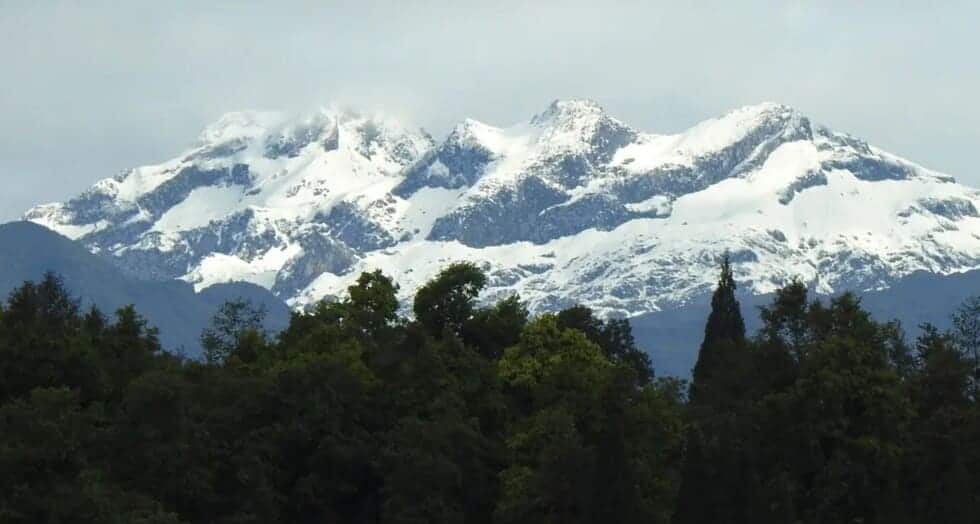
Standing at almost 25,000 feet, Gangkhar Puensum is the world’s highest unclimbed mountain.
Located in Bhutan, the peak is forbidden due to spiritual beliefs.
Locals consider the mountain sacred, home to powerful spirits who must not be disturbed.
In 1994, Bhutan banned climbing above 6,000 meters to respect these traditions.
Several attempts in the 1980s ended in failure and tragedy, reinforcing the idea that the mountain rejects human intrusion.
While some mountaineers still dream of conquering it, the law says no.
3. Chernobyl’s Elephant Foot
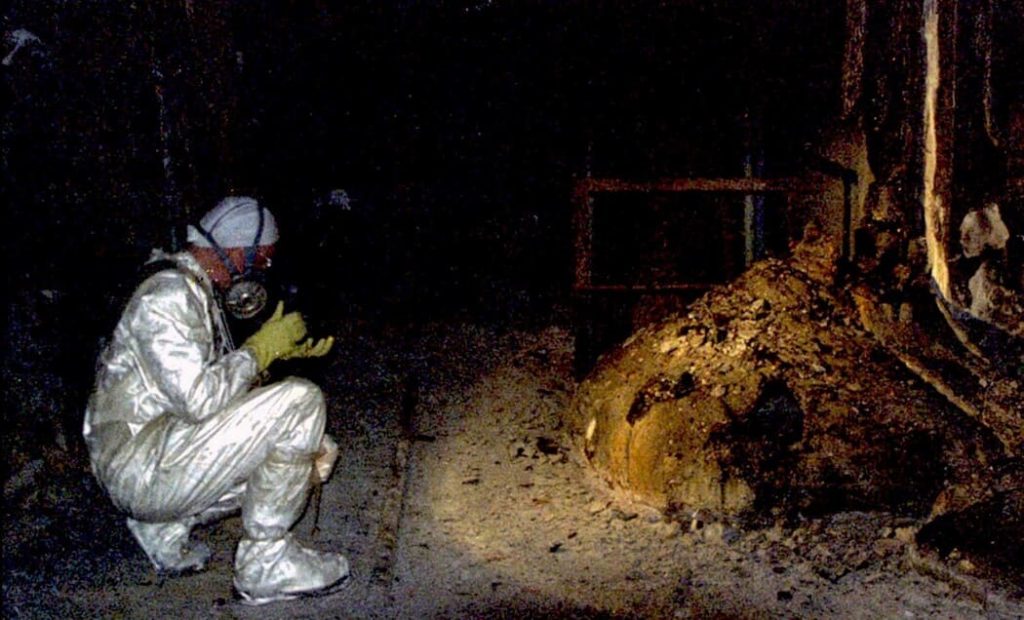
Beneath the Chernobyl nuclear plant lies the Elephant Foot, a terrifying mass of melted reactor fuel and concrete.
Formed during the 1986 disaster, this radioactive blob emits lethal radiation. Just five minutes near it means death!
Even today, it remains highly active, slowly burning through the reactor’s basement.
Scientists who studied it in the past suffered severe health consequences.
The area around it is sealed off, and only radiation-resistant robots can approach.
4. Tomb of Qin Shi Huang
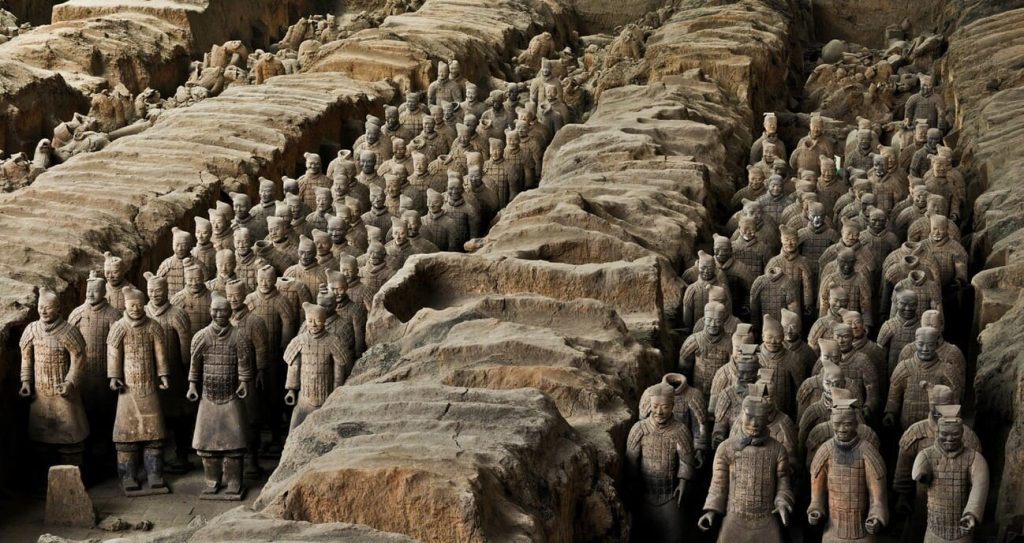
China’s emperor Qin Shi Huang was buried with an army of Terracotta Warriors, but his tomb remains sealed.
Ancient texts describe rivers of liquid mercury protecting the emperor’s resting place, designed to poison intruders.
Modern studies have detected dangerously high mercury levels in the soil, confirming the legends.
The Chinese government refuses to open the tomb, fearing environmental damage and the destruction of priceless artifacts.
The emperor’s secrets remain hidden, and the mercury keeps his tomb closed for eternity.
5. Room 39
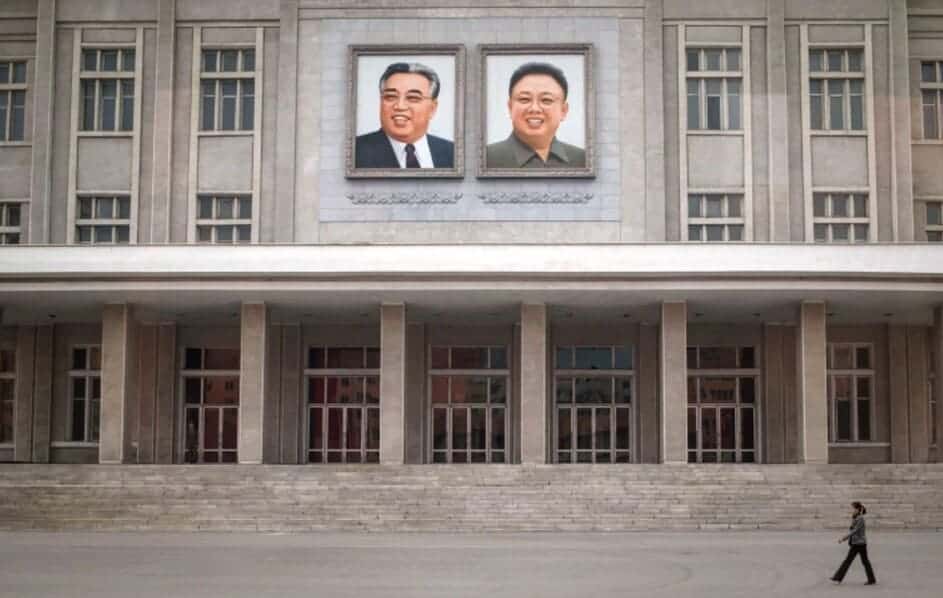
In Pyongyang, there’s a Room 39, a secretive facility allegedly managing North Korea’s finances.
The regime uses it to counterfeit money, traffic drugs, and launder cash, fueling its nuclear program.
Little is known about its operations, but defectors claim it’s a network of front companies and offshore accounts.
The U.S. and UN have sanctioned it, but it remains untouchable.
Even if you could find it, entering would mean imprisonment or labor camp.
Room 39 is the financial heart of a dictatorship, and its best kept secret.
6. Cheyenne Mountain
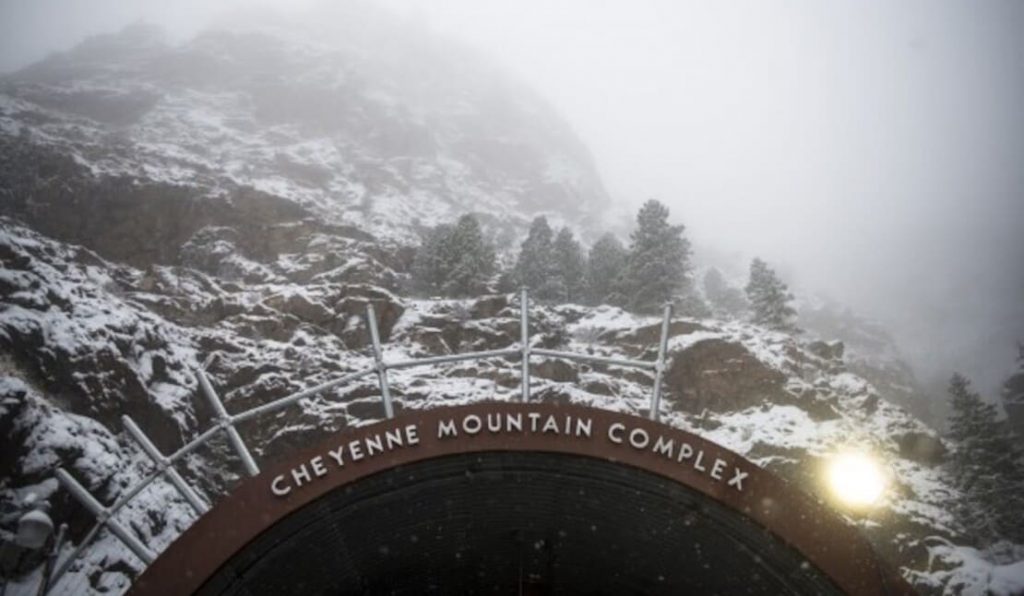
Cheyenne Mountain is a fortress designed to survive nuclear war.
Carved from solid granite, it monitors air and space threats. It’s protected by blast doors, and has its own power and water supply.
During the Cold War, it was the doomsday shelter.
Today, it still operates, but much of its purpose remains classified.
The public can’t visit, and even getting close raises suspicion.
If the world ends, this is where the elite will hide. The rest of us will have to improvise, I guess.
7. Vatican Apostolic Archive
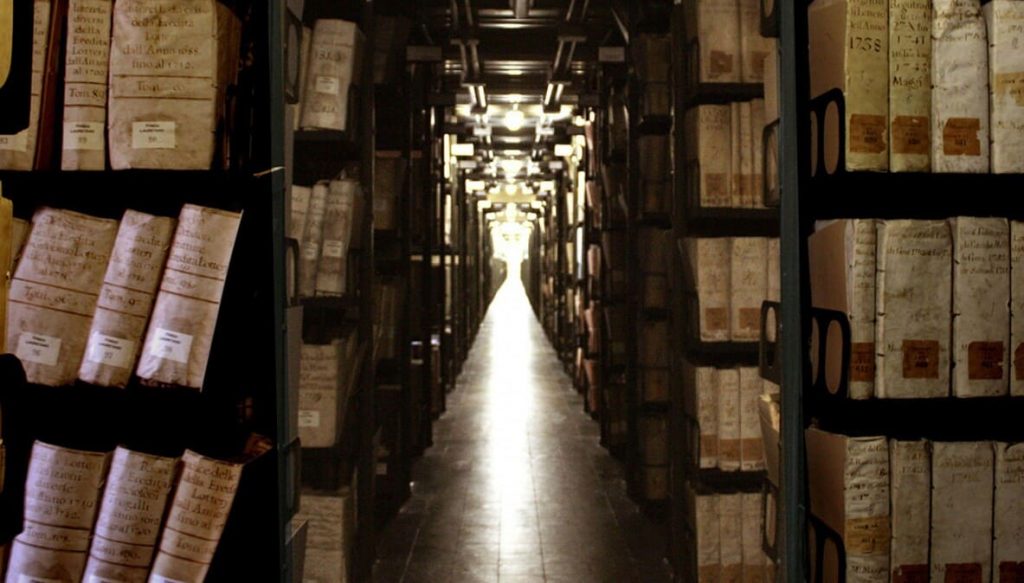
Beneath the Vatican lies the Apostolic Archive. It holds centuries of papal correspondence and historical documents.
Solo qualified scholars can enter, and even then, access is heavily restricted.
Rumors mention scandalous letters and hidden scriptures, but the Church keeps them locked away, so we’ll never know for sure.
Some say the archive holds evidence of extraterrestrial contact or forbidden religious truths.
Whatever the truth, the Vatican isn’t talking.
8. Mount Weather
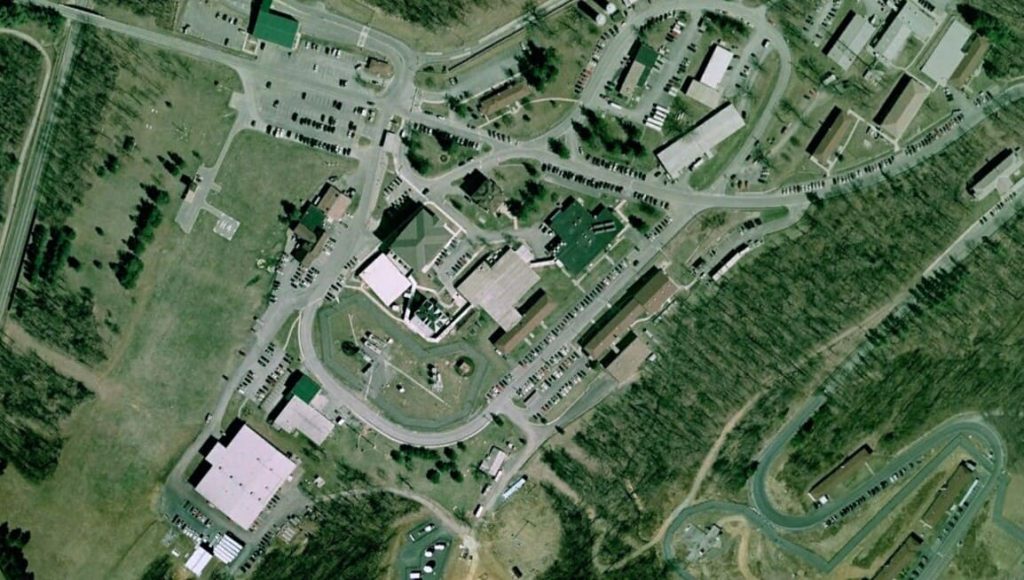
In the Virginia mountains, Mount Weather is a secret bunker where top U.S. officials would retreat during a national crisis.
Complete with its own underground city, it has hospitals, power plants, and even a crematorium.
It’s a self-sufficient fortress, designed to keep the government running after a nuclear attack.
The public knows little about its operations, but it’s been activated during disasters like 9/11.
Trespassing is impossible.
9. Ilha da Queimada Grande
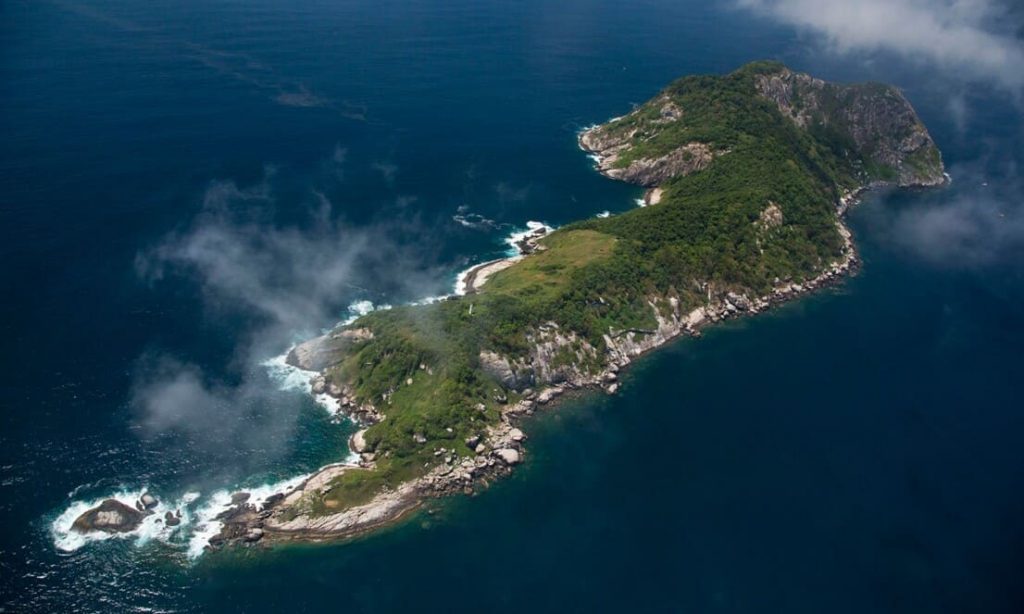
Off Brazil’s coast lies Snake Island. This place is so deadly that the government bans all visitors!
The island is overrun with golden lancehead vipers, one of the world’s most venomous snakes.
In some areas, it’s estimated that you’d get bitten by a snake once every square meter!
Essentially, stepping on that shore is a death sentence.
The snakes’ venom melts flesh, and antivenom is hard to come by.
Only a few researchers are allowed, and even they take extreme precautions.
Legends say pirates brought the snakes to protect treasure, and they protect it too well!
10. Poveglia Island
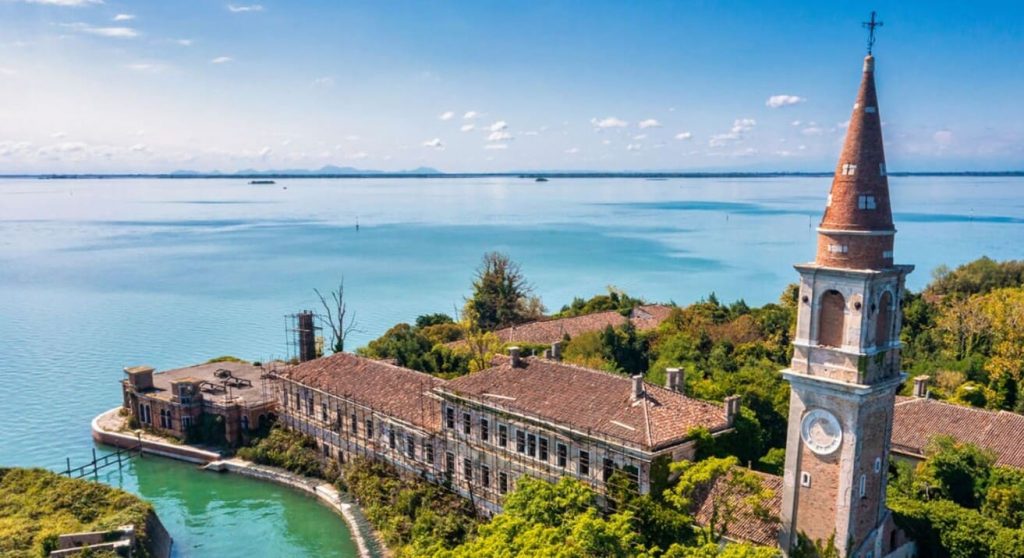
Poveglia Island is located near Venice, and it was once a quarantine zone for plague victims.
In the early 20th century, it also housed a psychiatric hospital.
The soil is allegedly filled with human remains, and locals believe the ghosts of the dead haunt it.
The Italian government forbids access due to crumbling buildings and toxic waste.
Paranormal investigators claim the island is cursed, with EVP recordings of screams.
Whether you believe in ghosts or not, Poveglia is a place best left alone.
11. Ise Grand Shrine
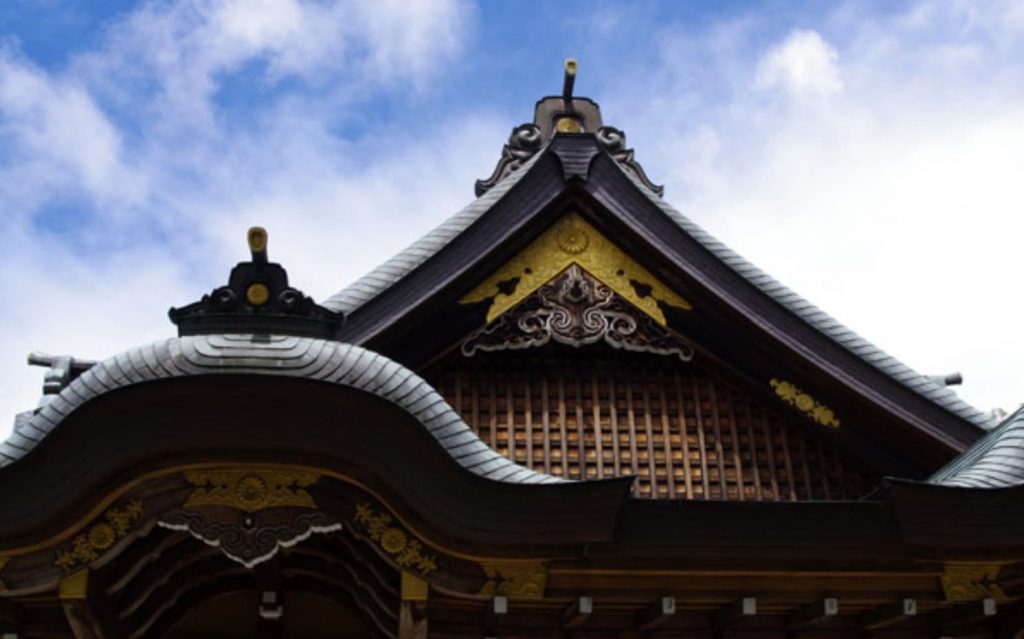
Japan’s Ise Grand Shrine is one of the holiest Shinto sites, but most of it is closed to the public.
The inner shrine is home to the sacred mirror, and only high priests are allowed to enter.
Every 20 years, the entire complex is rebuilt, which has been a tradition for over 1,300 years.
The process is shrouded in secrecy, with strict rituals and strict rules.
Tourists can admire from a distance, but the heart of the place remains hidden.
It’s a place of deep spiritual power, and the Japanese aren’t willing to let outsiders disturb it.
12. Surtsey Island
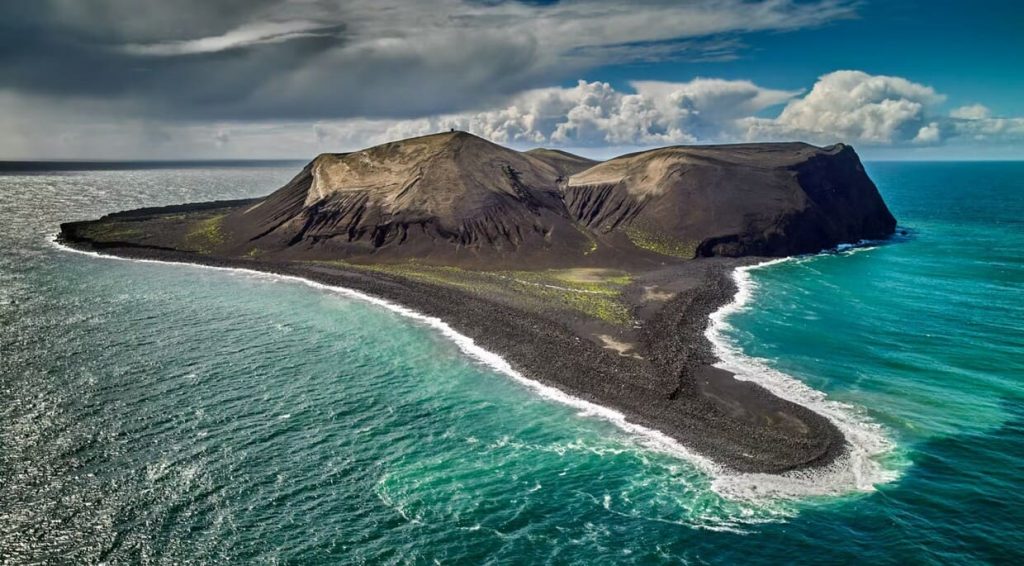
Born from a volcanic eruption in 1963, Surtsey Island is a pristine scientific site.
Located off Iceland, it’s strictly off-limits to everyone except researchers.
The goal is to study how life evolves without human interference.
Plants, birds, and insects have colonized it naturally, and they offer invaluable data.
13. North Sentinel Island

You’ve probably heard of this island before.
It’s located in the Andaman Sea, and is home to the Sentinelese, an uncontacted tribe that violently rejects outsiders.
The Indian government bans all travel to the island to protect both the tribe and visitors.
Fishermen who stray too close are often killed, and even helicopters are met with arrows.
The Sentinelese have lived in isolation for thousands of years, and their hostility keeps them safe.
It’s a rare glimpse into a lost world, but to remain that way, it must be kept off-limits.
14. Svalbard Global Seed Vault
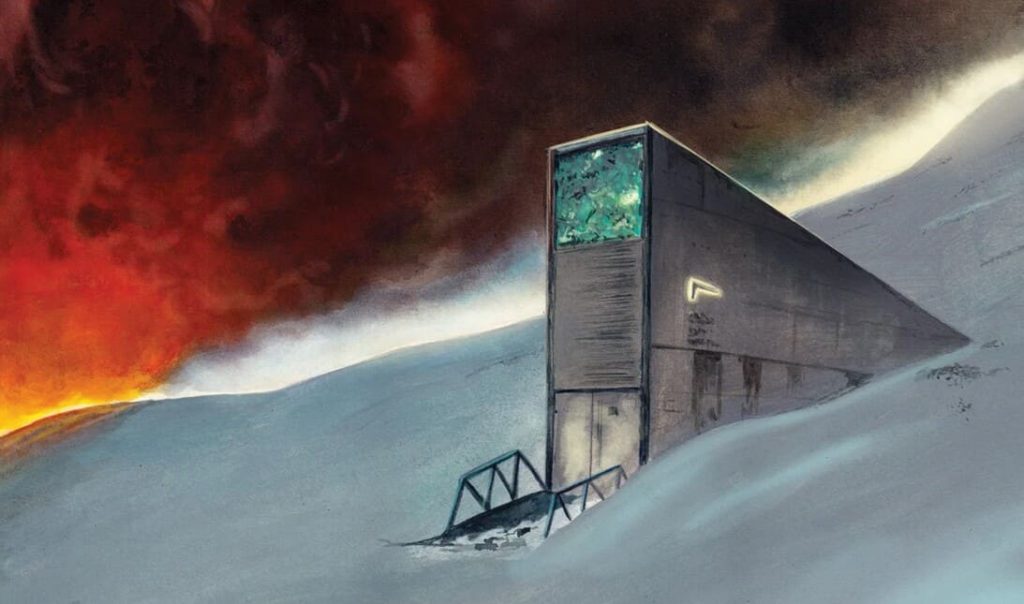
The Svalbard Global Seed Vault holds millions of seeds from around the world.
Designed to survive global catastrophe, it’s a backup for humanity’s food supply.
The vault is locked behind blast-proof doors, protected by armed guards, and only opened for seed deposits.
While the public can visit the entrance, the interior is off-limits.
It’s a chilling reminder of how fragile nostro civilization is, and how prepared we must be for the worst.

A little Aquarius, devoted to writing and embroidery. Through my writing, I hope to empower readers to align with their true selves and navigate life’s mysteries with confidence.