

Angels have always held an important place in Jewish tradition, but many early beliefs about them are rarely discussed today.
Ancient texts, including apocryphal writings and mystical teachings, describe angels with unique roles, powers, and responsibilities.
Some traditions highlight angels who govern nature, protect nations, or deliver hidden messages.
Others focus on angels involved in judgment, teaching, or guiding souls.
These early beliefs often go beyond what is described in the Hebrew Bible, revealing a rich spiritual world full of symbolism, moral lessons, and divine order.
Exploring these traditions helps us understand how people in ancient times viewed God’s spiritual servants.
1. Angels of the Seven Heavens

Early Jewish tradition sometimes describes angels assigned to each of the seven heavens, each responsible for a different aspect of the cosmos.
Some oversee natural phenomena, while others manage divine messages, worship, or spiritual guidance.
These angels are depicted as powerful, organized, and highly devoted to God’s will.
Their roles show that the spiritual world was seen as structured, with divine beings performing specific duties.
Believers were encouraged to respect the order of creation and the unseen helpers maintaining it.
These traditions suggest that angels were not only messengers but also guardians of cosmic balance, teaching humans about divine organization and careful stewardship of life.
2. Angels as Guardians of Nations

Some early texts describe angels tasked with watching over entire nations or peoples.
Each nation was thought to have a protector angel who guided leaders, influenced events, and sometimes judged behavior according to God’s plan.
These angels were seen as intermediaries between divine will and human action. Their presence emphasized that God’s influence extended beyond individuals to entire communities.
Believers were reminded that spiritual forces shaped history and that nations, like people, were under divine observation.
These traditions highlight the idea that protection and guidance are not limited to personal experiences but also operate on larger social and political scales.
3. Fallen Angels and Teaching Forbidden Knowledge
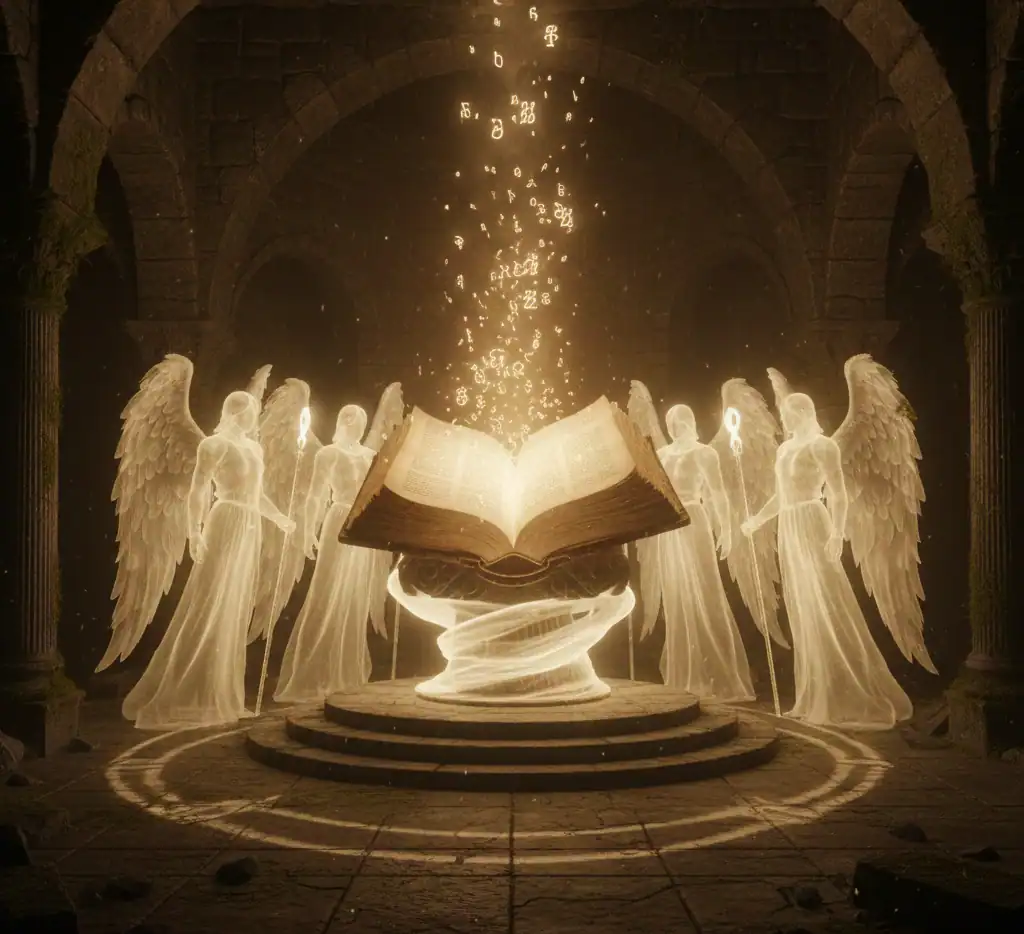
Early Jewish writings describe some angels who disobeyed God and taught humans forbidden knowledge, such as magic, astrology, or weapon-making.
These fallen angels illustrate the dangers of using divine gifts improperly. While the Bible mentions some of these stories briefly, apocryphal traditions expand on their influence and consequences.
They serve as cautionary tales, warning that knowledge alone is not enough; obedience and morality must guide action.
These stories teach that angels could act as both protectors and teachers, but when they rebelled, they became examples of the misuse of power.
They remind humans to seek wisdom responsibly and to align actions with divine intention.
4. Angels as Guides for the Soul

Certain mystical traditions describe angels assigned to guide souls after death, helping them transition, understand their deeds, and reach appropriate spiritual realms.
These angels were thought to comfort the departed, ensure justice, and communicate God’s mercy.
Their role highlights the connection between earthly life and the spiritual world. Believers were encouraged to live ethically, knowing that angels observed and assisted in life beyond death.
These traditions show that angels were deeply involved in personal spiritual development and moral accountability.
They also illustrate how early Jewish thought intertwined divine care, justice, and guidance with the journey of the human soul.
5. Angels of Judgment
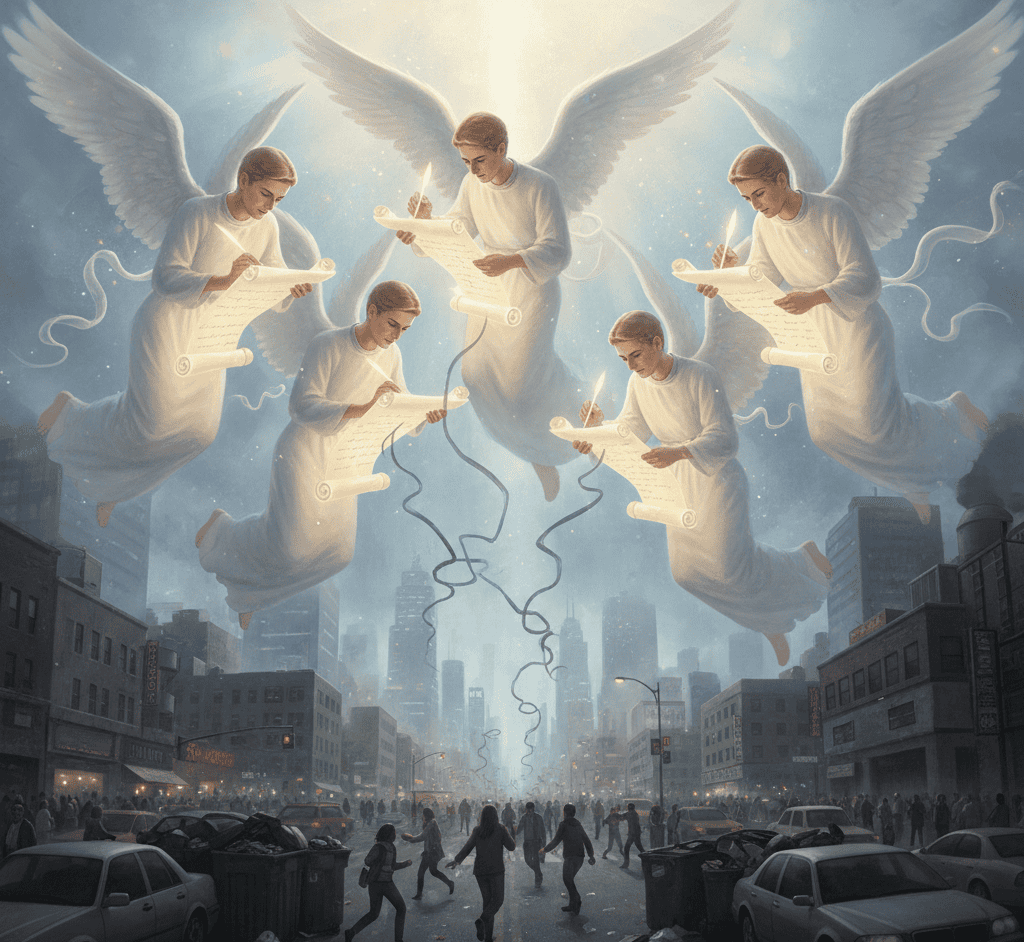
Some early texts emphasize angels who serve as instruments of divine judgment. They were believed to deliver punishments, execute God’s commands, and oversee moral law.
These angels acted with authority and precision, reflecting the seriousness of obedience and righteousness.
Their presence reminded humans that actions have consequences and that God’s justice is active and immediate.
By portraying angels as judges, these traditions encouraged ethical behavior and awareness of spiritual accountability.
They also reinforced the idea that God delegates responsibility to spiritual beings who act according to divine wisdom, showing that judgment is both structured and morally guided rather than arbitrary.
6. Angels of Prayer and Worship

Other traditions describe angels whose main role is to lead, maintain, or amplify worship in the heavens.
These angels serve as intermediaries between God and humans, carrying prayers and ensuring that devotion reaches its divine destination.
They also teach humans the value of sincere praise, gratitude, and prayerful behavior.
By emphasizing the angelic role in worship, these teachings show that devotion is both a personal and cosmic act.
Angels inspire believers to cultivate spiritual focus and respect for God’s presence. They also reveal the idea that worship is not only human but part of a universal harmony maintained by divine assistants.
7. Angels Protecting Sacred Texts

Some forgotten traditions describe angels guarding holy scriptures and divine knowledge.
These angels prevent corruption, ensure that texts remain intact, and protect wisdom from being misused.
Their presence underscores the sacredness of divine instruction and the responsibility humans have to preserve it.
Believers were reminded that learning and understanding scripture comes with spiritual support and accountability.
Angels as protectors of texts also symbolize the enduring power of God’s word and the importance of careful study, teaching that knowledge, when preserved and respected, guides individuals and communities toward moral and spiritual development.
8. Angels in Dreams and Visions

Finally, early Jewish traditions describe angels appearing in dreams or visions to communicate guidance, warnings, or encouragement.
They serve as teachers, messengers, or sometimes as symbolic figures representing divine attributes.
Such appearances help people interpret life events, make moral decisions, and understand God’s plans.
Angels in dreams show that divine messages can come in subtle, nontraditional forms and that God’s guidance is continuous.
These traditions remind believers to be attentive to spiritual insight and to recognize that angels may interact with humans in ways that combine symbolism, wisdom, and care for moral and spiritual growth.

Ho sempre sentito una forte connessione con il Divino fin dalla mia nascita. Come autrice e mentore, la mia missione è aiutare gli altri a trovare l'amore, la felicità e la forza interiore nei momenti più bui.