
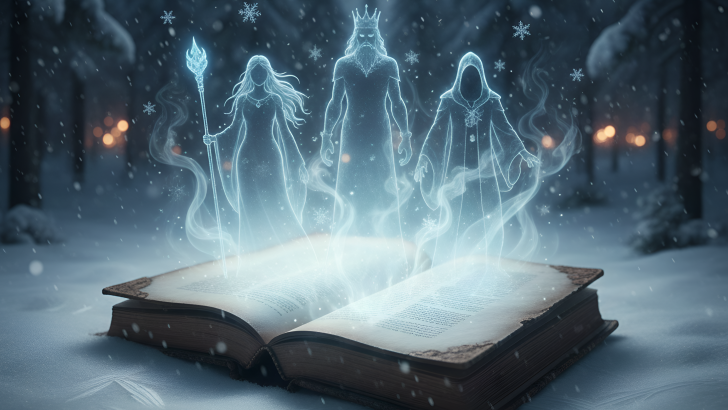
Long before modern winter holidays existed, many cultures created stories about powerful gods who ruled the darkest days of the year.
Winter was a frightening time in the ancient world. Food was scarce, nights were long, and cold winds made survival hard.
People tried to understand these long nights by imagining gods and spirits who controlled the season.
Some were protectors, while others brought fear and caution. These figures shaped early traditions that later blended into the winter celebrations we know today.
Over time, many of these winter gods were forgotten or replaced by new beliefs.
But their stories still reveal how people once made sense of the coldest and darkest time of the year. Here are ten forgotten winter gods who once ruled the night.
1. Ullr, the Silent Walker
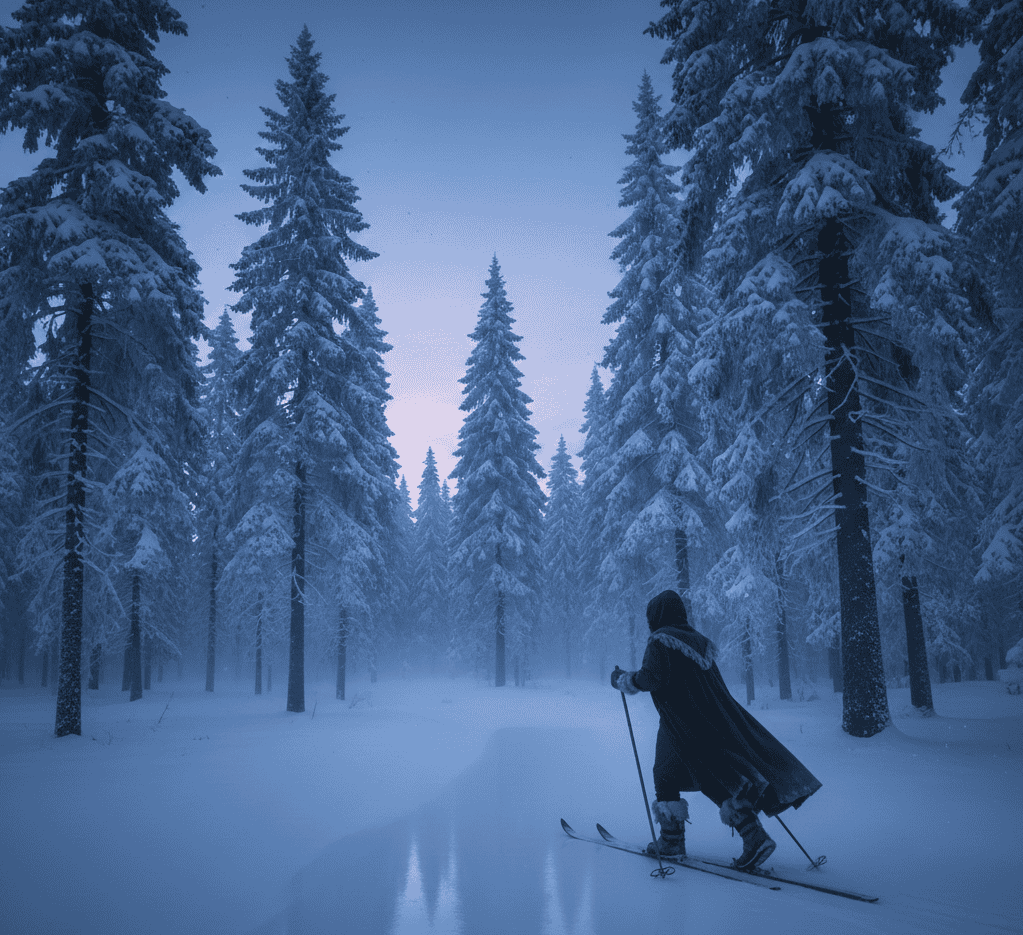
In ancient Norse stories, Ullr was a god connected to winter survival. He was known for skiing across frozen landscapes and for moving quietly through forests during the long nights.
Hunters believed he protected them from harsh weather. Ullr was also respected as a guardian of family homes during storms.
People believed he understood the hardships of winter better than any other god. His presence was strong in the north, where winter ruled most of the year.
Over time, he faded from popular stories, even though early people saw him as one of the most important winter protectors.
2. Skadi, the Goddess of Ice and Mountains
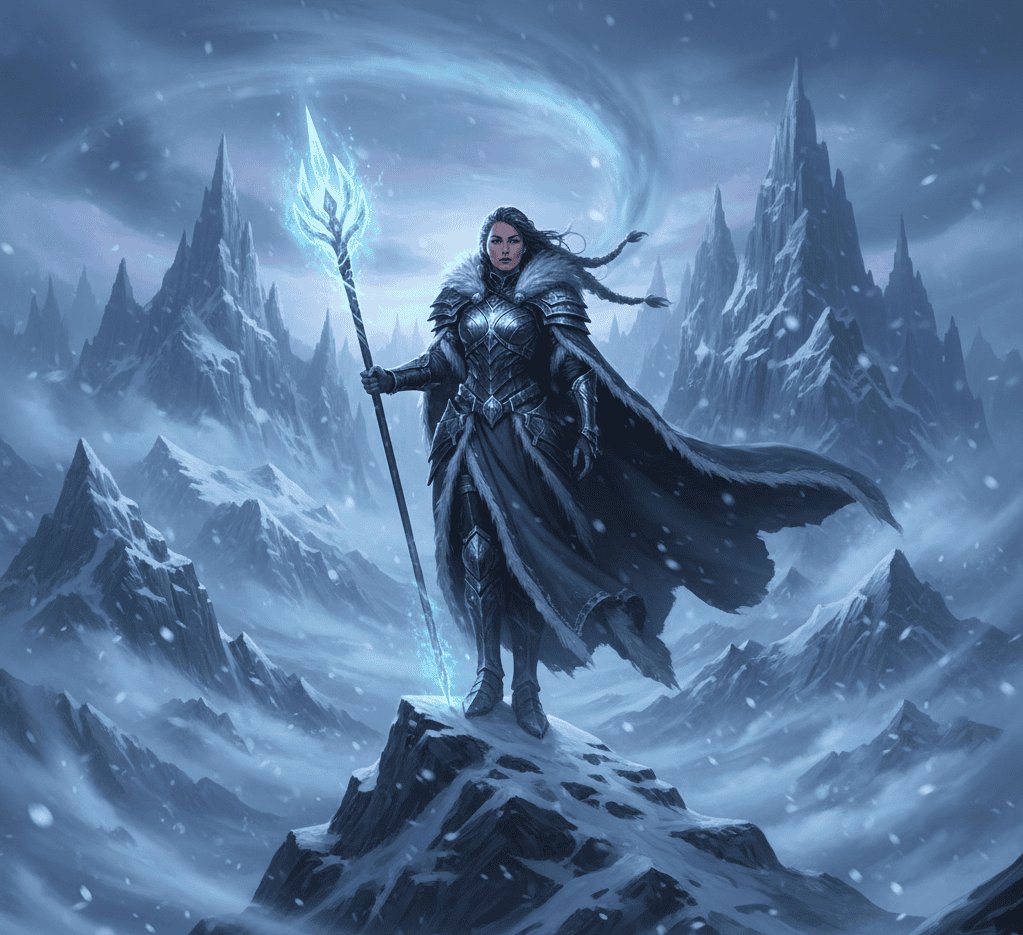
Skadi was a giantess and goddess in Norse tradition who ruled snowy peaks and cold winds. She was known for her independence and strength.
People believed she controlled the ice that sealed rivers and the frost that covered valleys.
Winter travelers prayed to her for safe paths through the mountains. Skadi represented both beauty and danger.
Her stories taught that winter could be peaceful if respected, but harsh if ignored.
She slowly disappeared from everyday worship after Christianity spread across northern Europe.
Still, her legacy remains in tales of icy landscapes and strong winter spirits.
3. Morozko, the Old Frost King
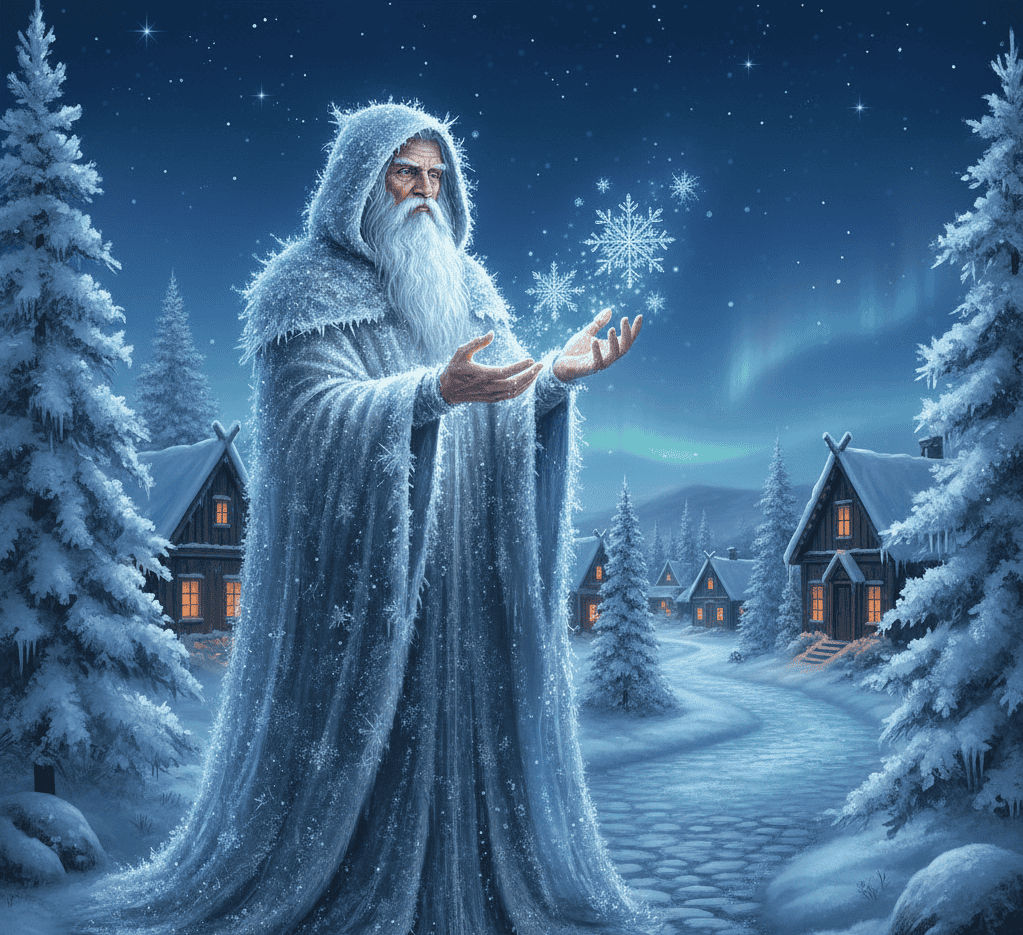
Morozko appears in Slavic folklore as the spirit of winter. Some stories describe him as a strict but fair guardian of the cold.
He could bring life to snowflakes with a touch or freeze entire fields if angered. Families in old villages told stories of him visiting during the longest nights.
If treated with respect, he brought protection. If insulted, he brought bitter cold.
Morozko taught people to value kindness and patience as the cold season tested their strength.
Over time, he blended into folk tales and disappeared as a winter go,d but his stories still appear in fairy tales across Eastern Europe.
4. Cailleach, the Winter Hag
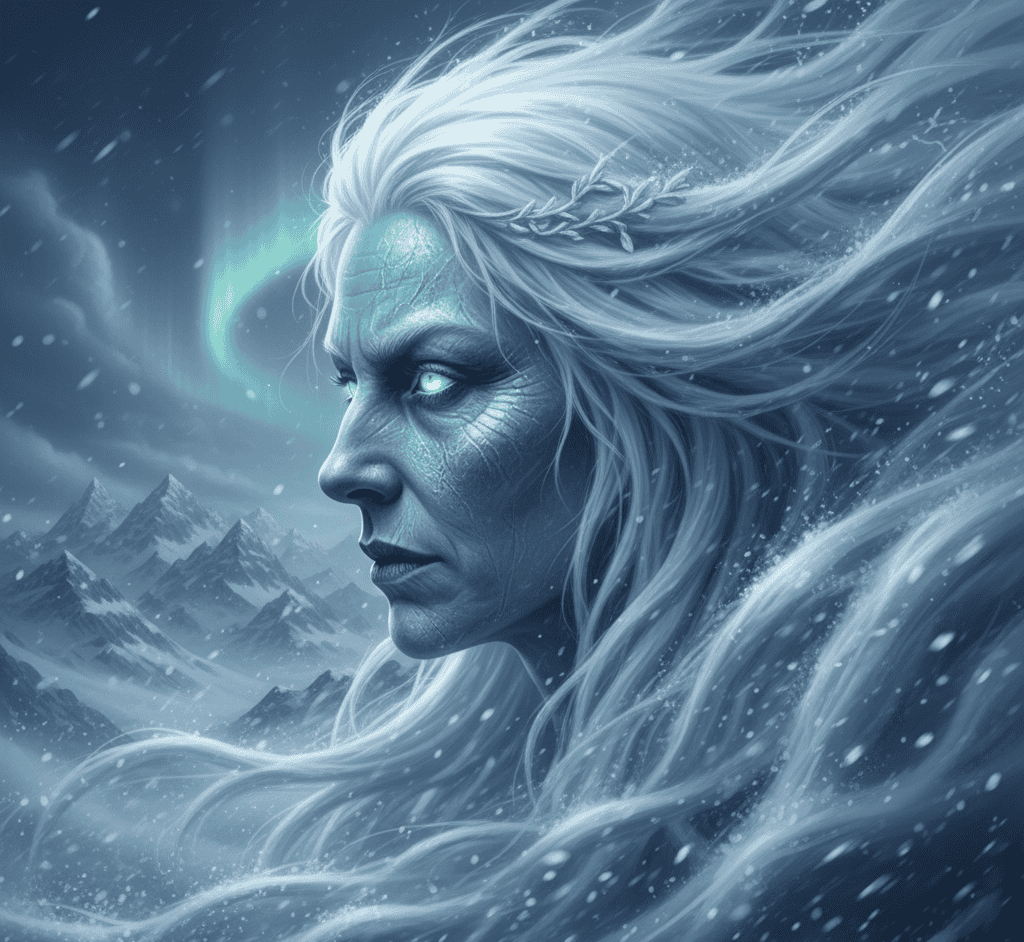
In Celtic tradition, the Cailleach was the ancient goddess of winter. She shaped mountains with her staff and guided storms across the land.
People believed she controlled the darkest days of the year. Her presence explained why winter felt long and heavy.
She ruled until the arrival of spring, when younger gods replaced her. The Cailleach showed how old cultures balanced light and dark.
She was not a villain. She was part of the natural cycle. As beliefs changed, her role softened into legend.
Today, she exists mostly in folklore that describes her as the spirit of winter winds.
5. Boreas, the North Wind
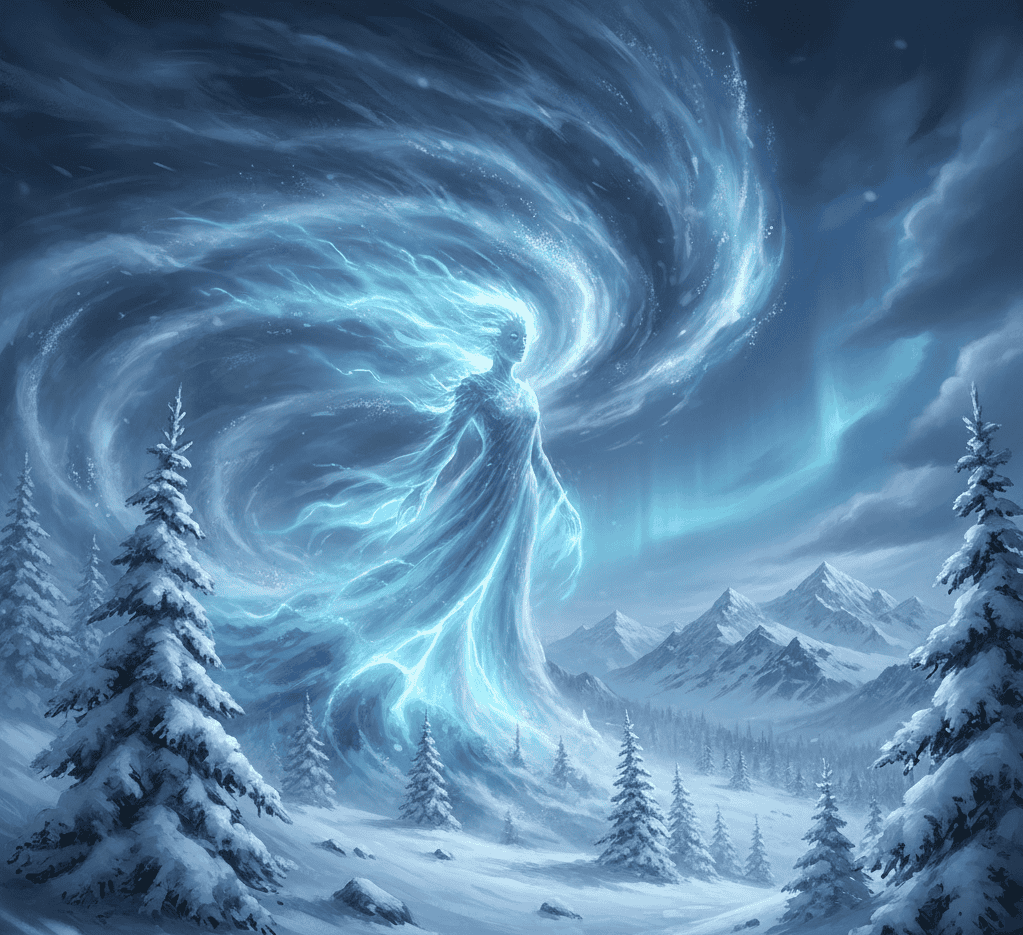
Ancient Greek people believed Boreas was the god of the cold north wind. When he blew across the mountains, winter followed.
He was often described as powerful and wild yet loyal to those he protected. Sailors prayed to him for safe travel in stormy seasons.
Farmers watched the sky for signs of his arrival. Boreas symbolized the sudden change from warm days to biting cold.
He once held great importance in northern Greece, where winters could be severe.
As Greek religion shifted his presence became smaller and eventually faded. Yet his name still appears in poems about freezing winds.
6. Frau Holle, the Keeper of Snow
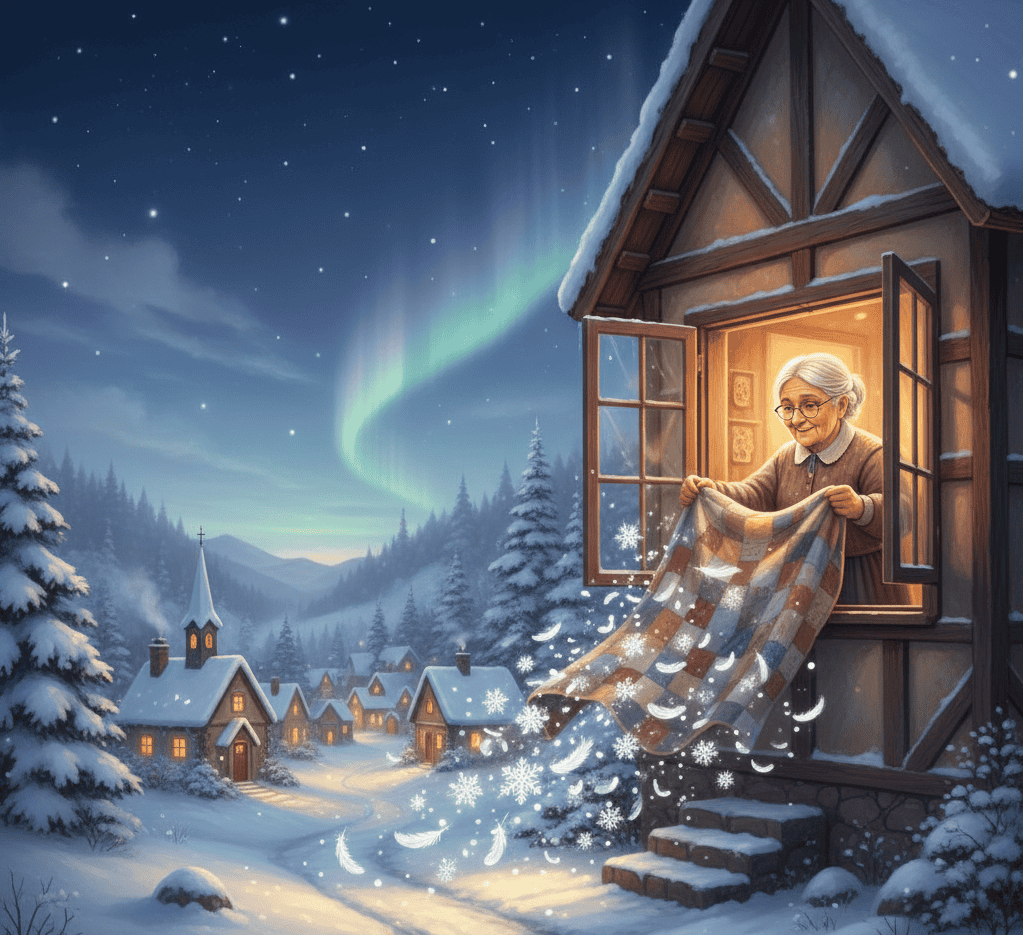
In German and Central European folklore, Frau Holle ruled the snow and the long nights of winter.
People believed she shook out feathers from her pillows to create snowfall.
She rewarded hard-working people and watched over children during the cold months. Her stories blended warmth and mystery.
She was both a winter mother and a strict judge. Old communities honored her by keeping their homes clean and treating neighbors kindly during the dark season.
As time passed, she merged into fairy tales and lost her status as a winter goddess. Still, her image appears in stories that teach kindness and effort.
7. Jack Frost, the Mischief Maker
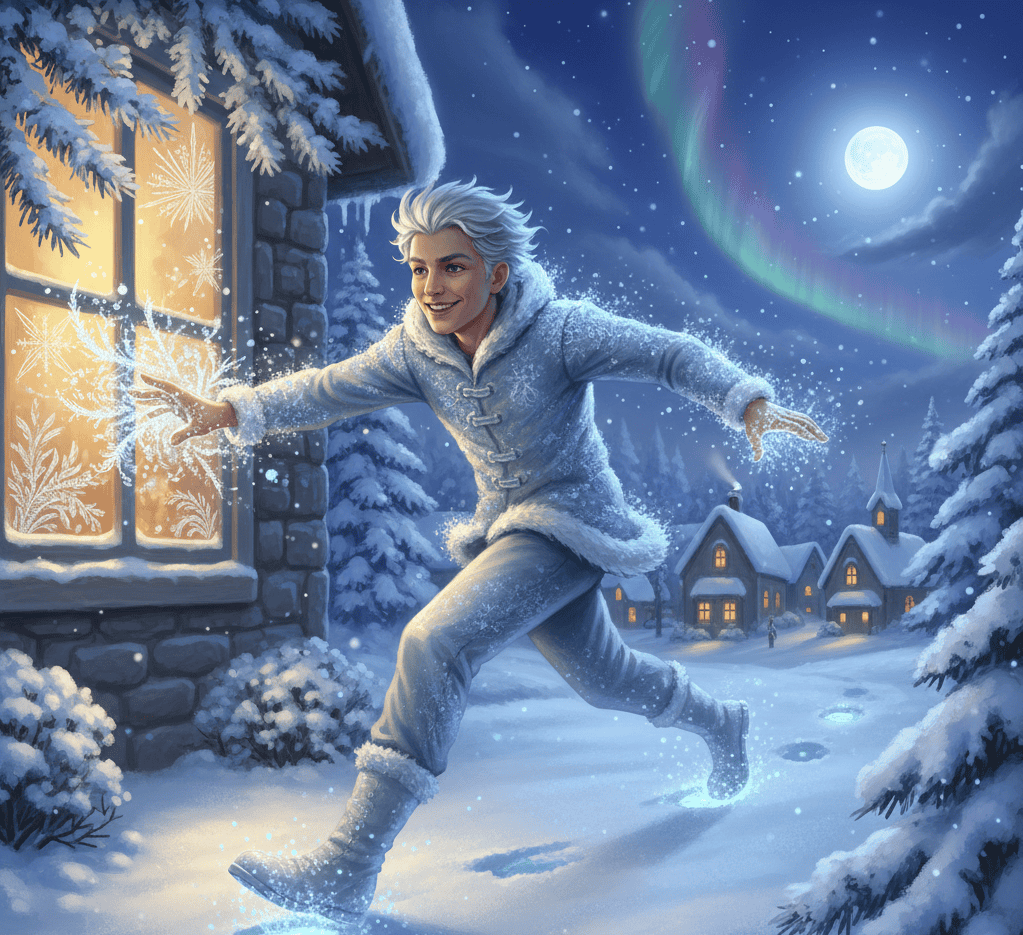
Jack Frost is known today as a playful winter character, but his earliest roots are much older and more serious.
In early English and Celtic folklore, he was the spirit responsible for painting frost on windows and covering fields in ice.
People believed he walked through villages at night, testing doors and windows. If homes were not prepared, he brought harsh cold inside.
He taught communities to respect winter and to protect one another during dark months.
Over time, Jack Frost became a friendly symbol of snow rather than a feared winter spirit.
8. Marzanna, the Queen of Winter

Marzanna was a powerful winter goddess in Slavic mythology. She represented death, cold, and the quiet stillness of the season.
Her rule lasted until spring arrived. Communities performed symbolic rituals to mark the end of her reign.
These rituals were not about summoning her but about welcoming warmth and new life. Marzanna showed people that winter was part of a larger cycle.
Her presence prepared the land for renewal. As cultures changed, she lost her position as a goddess and became part of seasonal folk customs.
9. Khione, the Snow Maiden
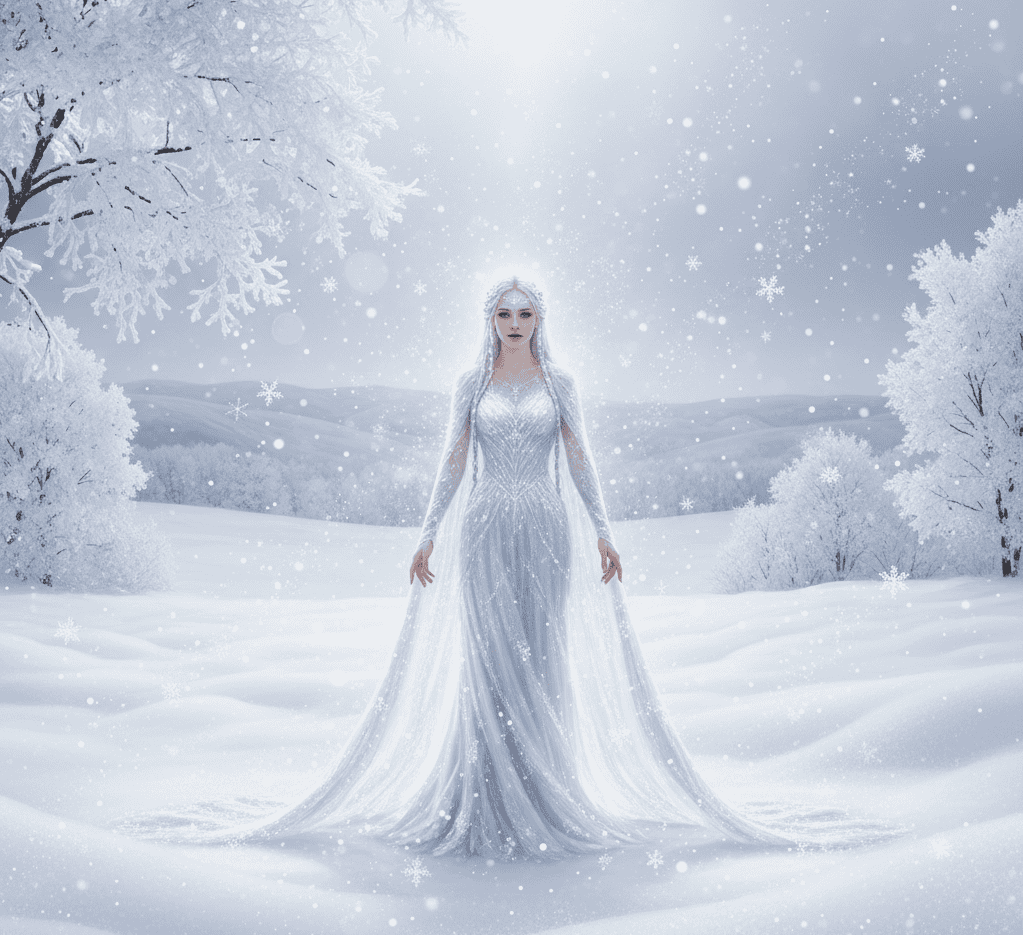
Khione was the ancient Greek goddess of snow. In old myths, she brought beauty to winter landscapes.
Her presence was gentle but powerful. Snowfall meant she was near. People admired her ability to turn villages into quiet white worlds.
Although she never reached the fame of major Greek gods, her role in winter stories was important.
She represented purity, stillness, and the quiet magic of cold weather. Over centuries, her image faded as other deities took her place.
Yet her name survives in old writings and continues to symbolize the peaceful side of winter.

Ho sempre sentito una forte connessione con il Divino fin dalla mia nascita. Come autrice e mentore, la mia missione è aiutare gli altri a trovare l'amore, la felicità e la forza interiore nei momenti più bui.