
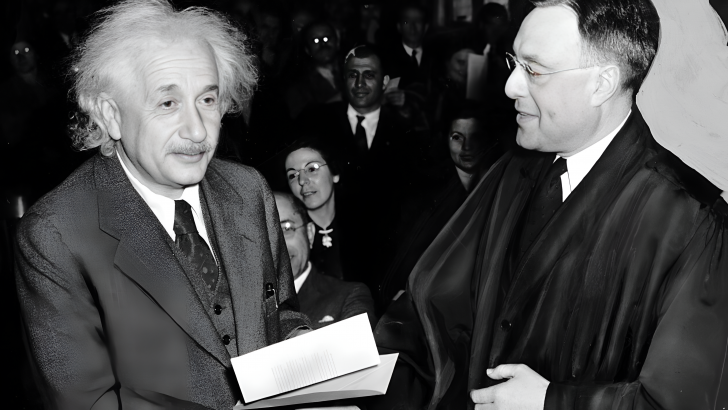
Throughout history, many brilliant minds have changed the world with their ideas, inventions, and creativity.
However, alongside their genius, many of these individuals had unusual habits that made them stand out even more.
Some followed strange routines, while others had behaviors that people found confusing or even funny. These habits did not stop them from achieving great things.
In fact, some believe these unique patterns helped them think differently and stay focused. Their lives remind us that there is no single way to be successful or creative.
Here are ten genius minds who were known not only for their intelligence but also for their strange habits.
1. Albert Einstein
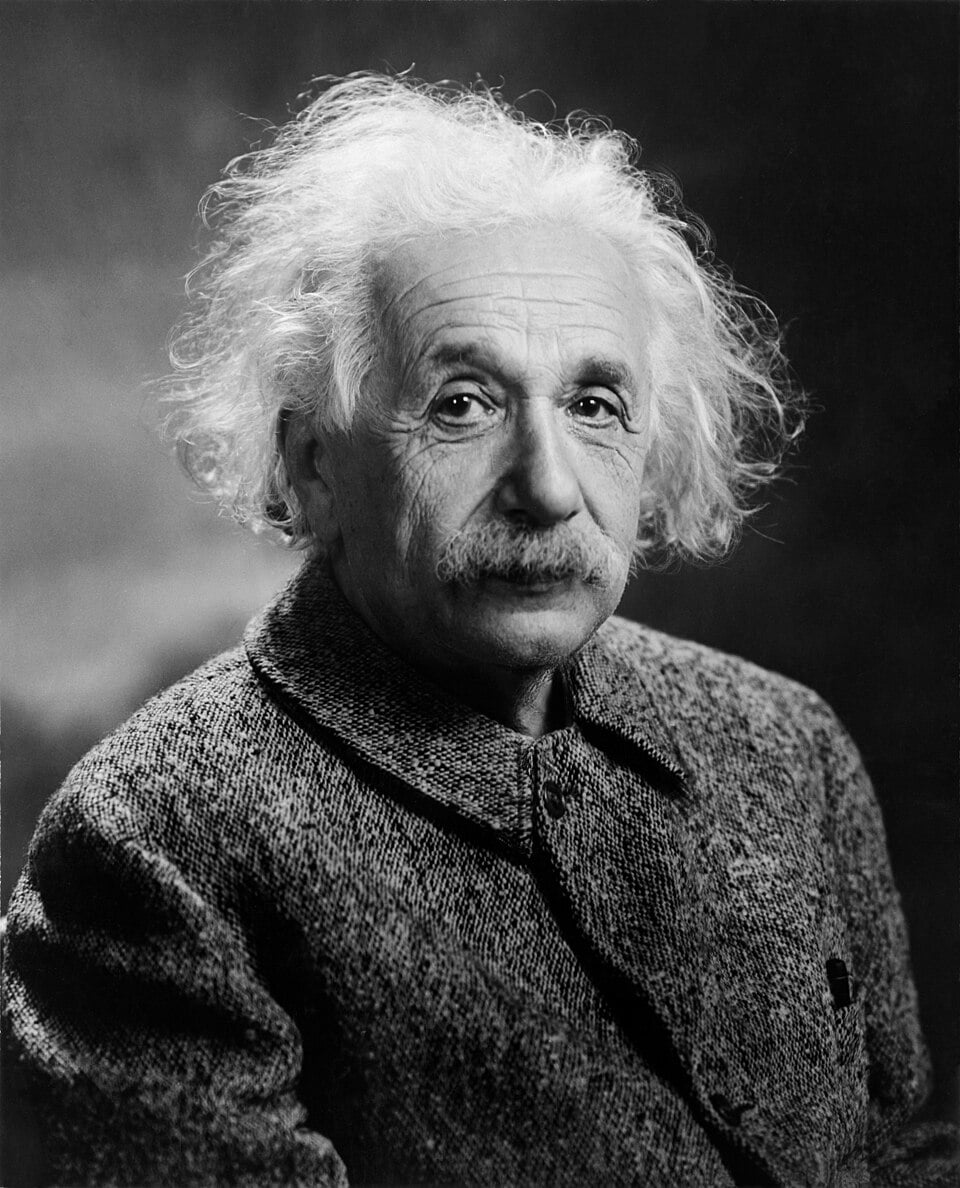
Albert Einstein is one of the most famous scientists in history, known for his groundbreaking ideas about space, time, and energy.
However, he also had some unusual habits that made him stand out. One of his most well-known quirks was that he did not like wearing socks.
He believed they were uncomfortable and unnecessary, often choosing to go without them even at formal events.
Einstein also had a very relaxed approach to daily routines. He preferred simple clothing and did not worry much about appearance.
He believed this saved mental energy for more important thinking. He also enjoyed long walks, which helped him clear his mind and come up with new ideas.
His habits may seem odd, but they show how he focused on what truly mattered to him. Instead of following social expectations, he created his own way of living, which allowed him to think freely and creatively.
2. Nikola Tesla
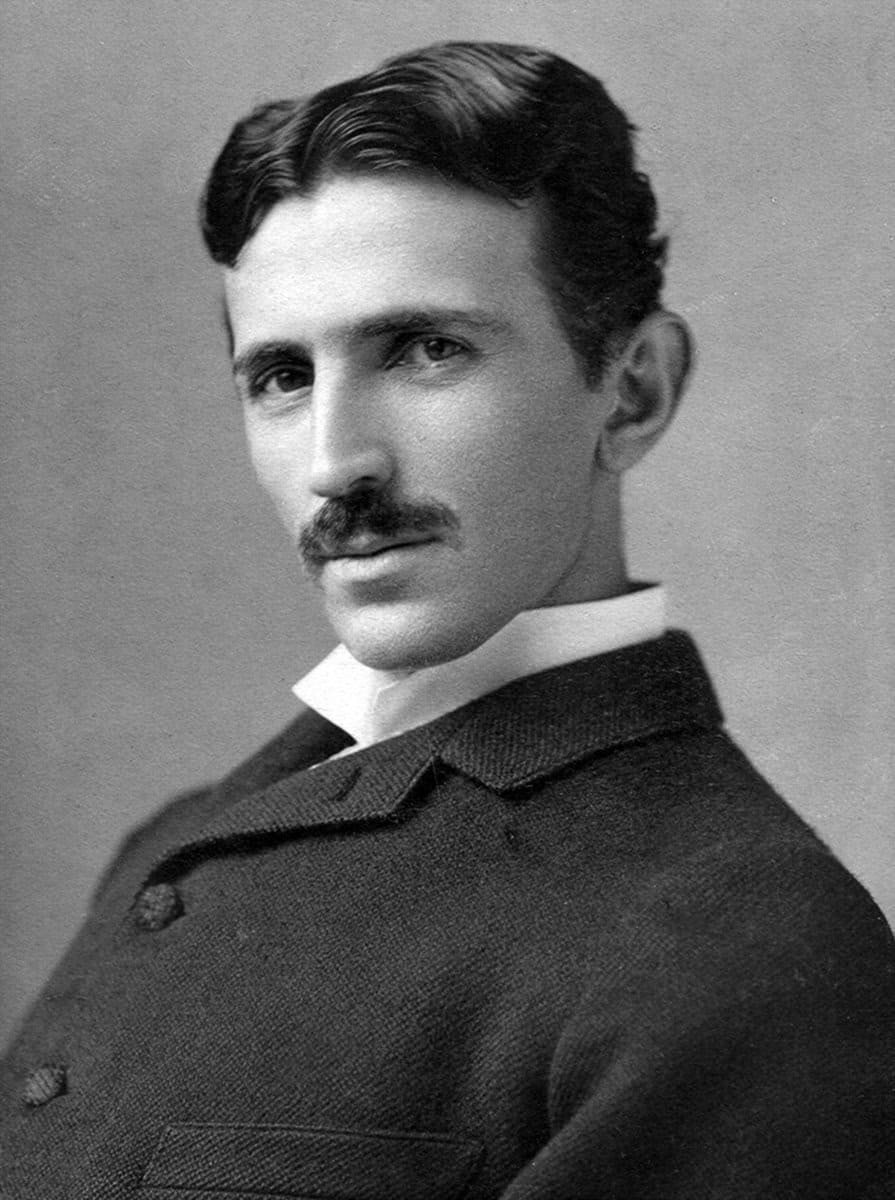
Nikola Tesla was a brilliant inventor who made major contributions to electricity and modern technology. Along with his genius, he had very unusual habits and routines.
Tesla was known for his strict daily schedule and strong need for order. He often repeated actions in groups of three and was very careful about cleanliness.
He also avoided physical contact with others and had a strong dislike for certain objects, like pearls.
Tesla slept very little, sometimes only a few hours each night, believing it helped him stay productive. He preferred to work late into the night when everything was quiet.
His unique lifestyle reflects how his mind worked differently from most people, helping him create inventions that were far ahead of his time.
3. Leonardo da Vinci
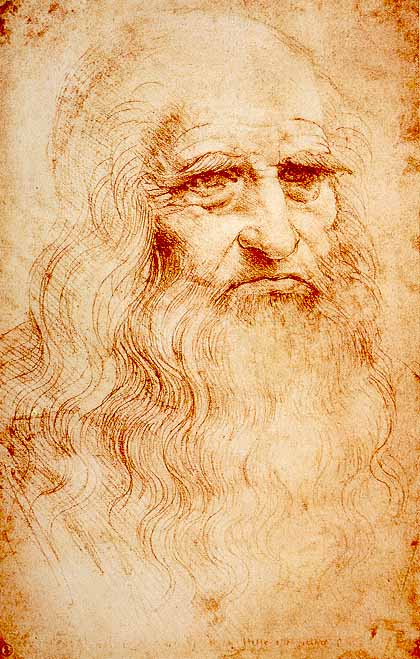
Leonardo da Vinci was a master artist, inventor, and thinker whose ideas were far ahead of his time.
He had a curious mind and a wide range of interests, which led to some unusual habits. One of his most interesting routines was his sleep pattern.
Instead of sleeping for long hours at night, he took short naps throughout the day. This allowed him to stay active and creative for longer periods.
Leonardo was also known for writing his notes in reverse, using mirror writing that could only be read with a mirror.
Some believe he did this to keep his ideas private, while others think it was simply more comfortable for him.
He also left many projects unfinished because his curiosity constantly pulled him in new directions. His habits show a mind that was always exploring and never satisfied with just one idea.
4. Isaac Newton
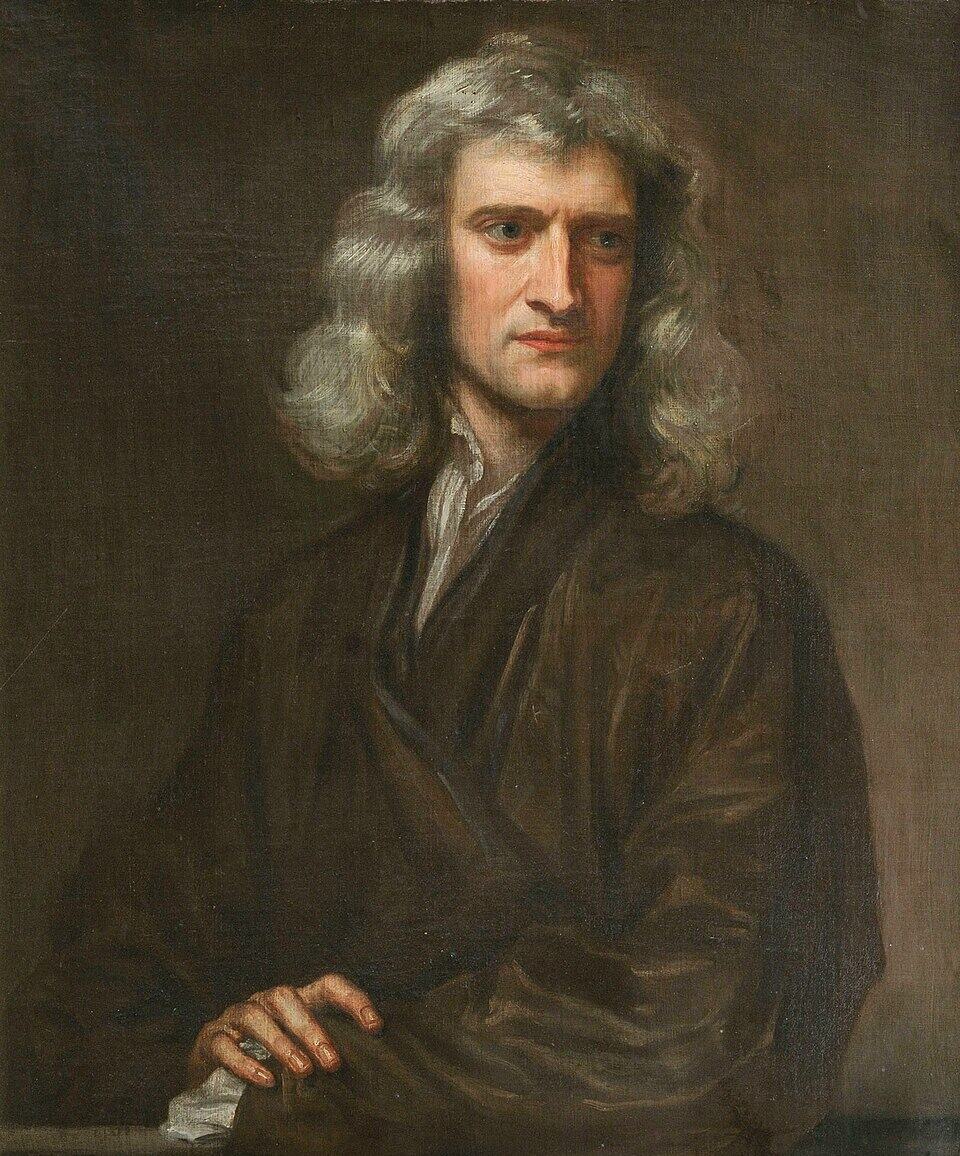
Isaac Newton made important discoveries about gravity and motion, but he also had habits that many people found unusual.
Newton often became so focused on his work that he forgot to eat or sleep. He could spend hours, even days, thinking deeply about a problem without noticing anything around him.
This intense focus helped him make groundbreaking discoveries, but it also affected his daily life. He preferred to work alone and avoided social situations whenever possible.
Newton’s lifestyle was simple and quiet, centered around his studies. While his habits may seem extreme, they show how deeply he was committed to understanding the world.
5. Ludwig van Beethoven
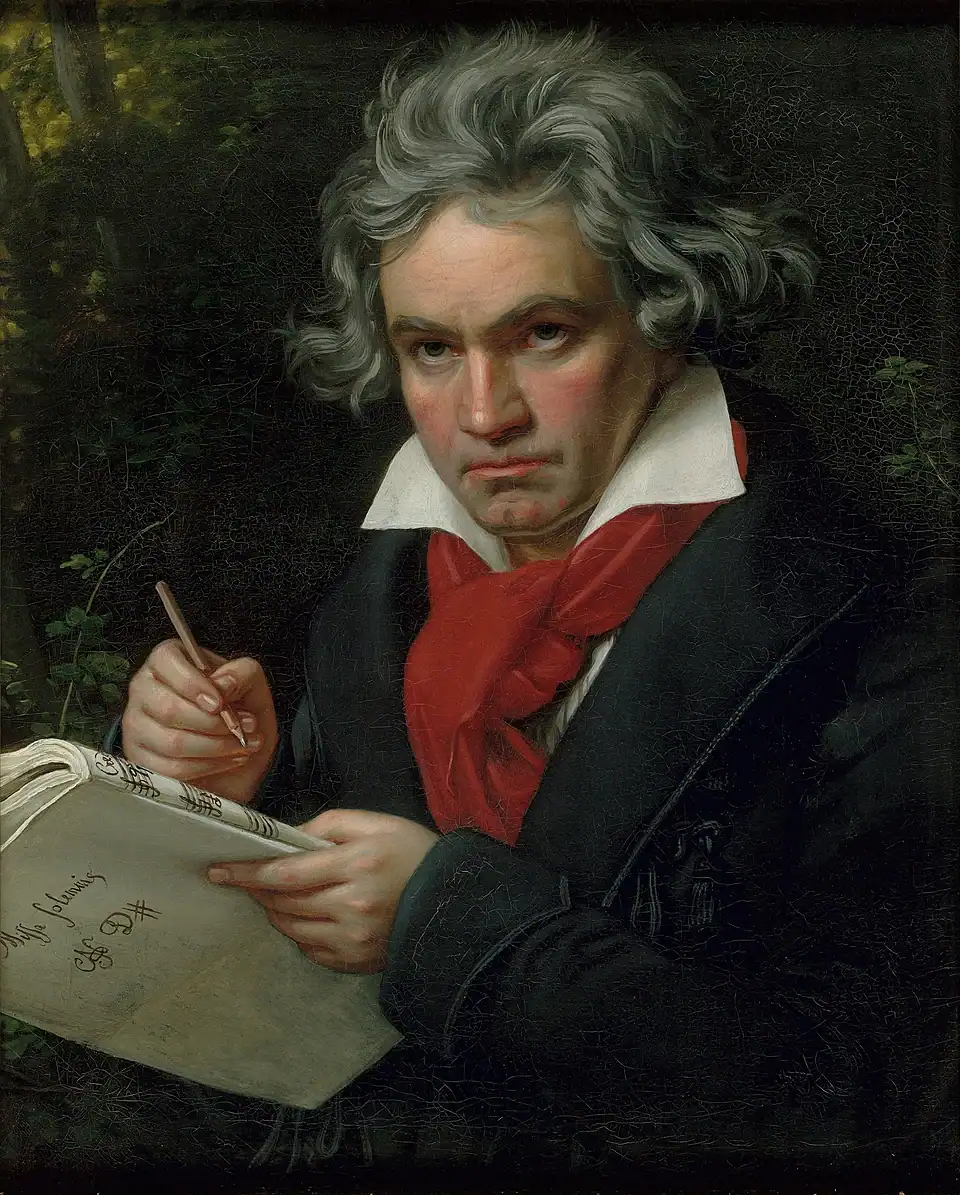
Ludwig van Beethoven was one of the greatest composers in history, known for his powerful music. He also had some very strange habits, especially in his daily routine.
Beethoven was very particular about his coffee and would count exactly sixty beans for each cup. He believed this gave him the perfect taste.
He also had unusual hygiene habits and was not very concerned with cleanliness, which sometimes made his living space messy.
Despite this, he was deeply focused on his music and spent long hours composing. Beethoven also liked to take long walks, often carrying a notebook to write down ideas.
His habits may seem odd, but they helped him stay connected to his creativity and express powerful emotions through his music.
6. Salvador Dalí
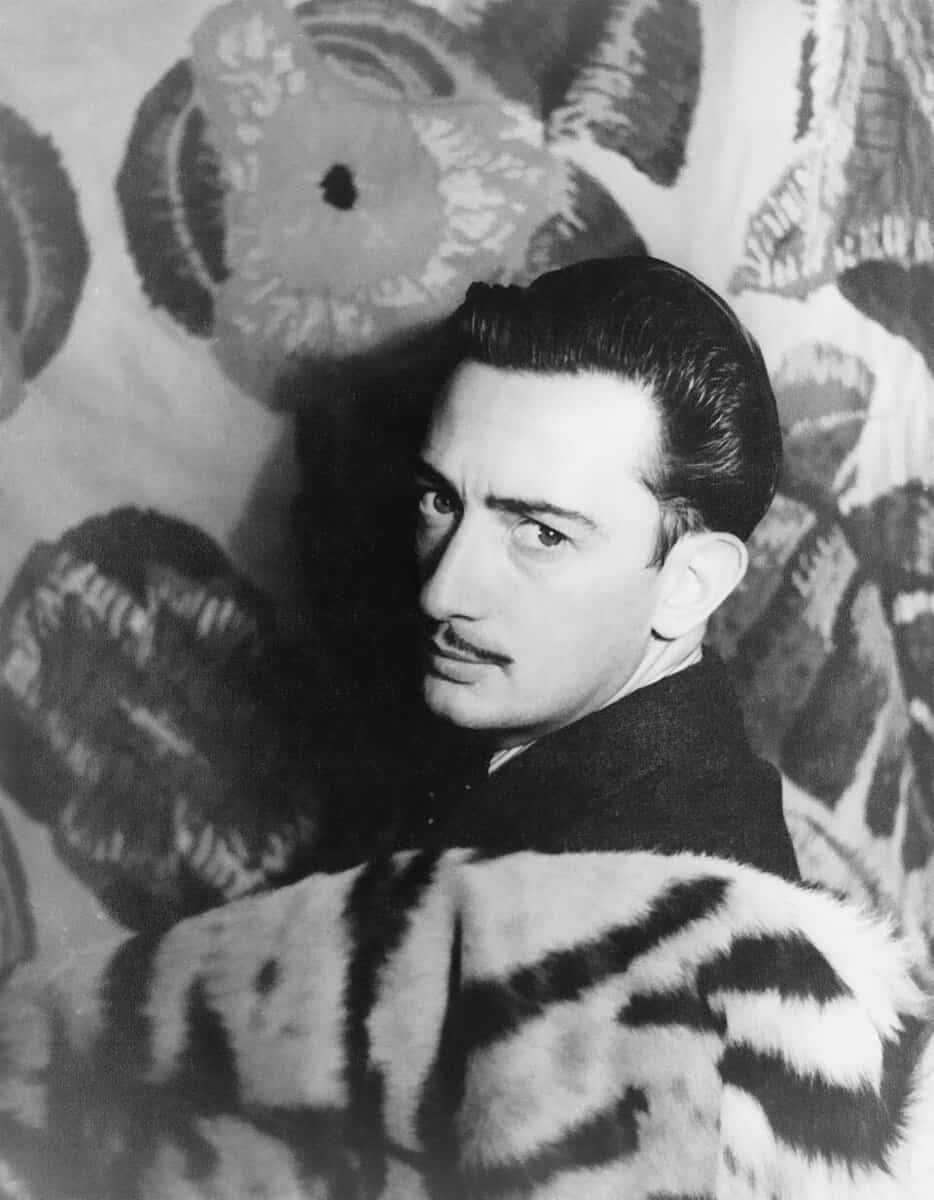
Salvador Dalí was known for his imaginative and unusual artwork, and his habits were just as strange. Dalí had a unique way of entering a creative state.
He would sit in a chair holding a key over a plate. As he began to fall asleep, the key would drop and wake him up, capturing the dreamlike thoughts in his mind.
He then used these ideas in his art. Dalí also had a bold personality and enjoyed behaving in unexpected ways to attract attention.
He believed that creativity came from exploring the strange and unusual. His habits show how he used both his imagination and his actions to push boundaries and create something truly different.
7. Charles Dickens
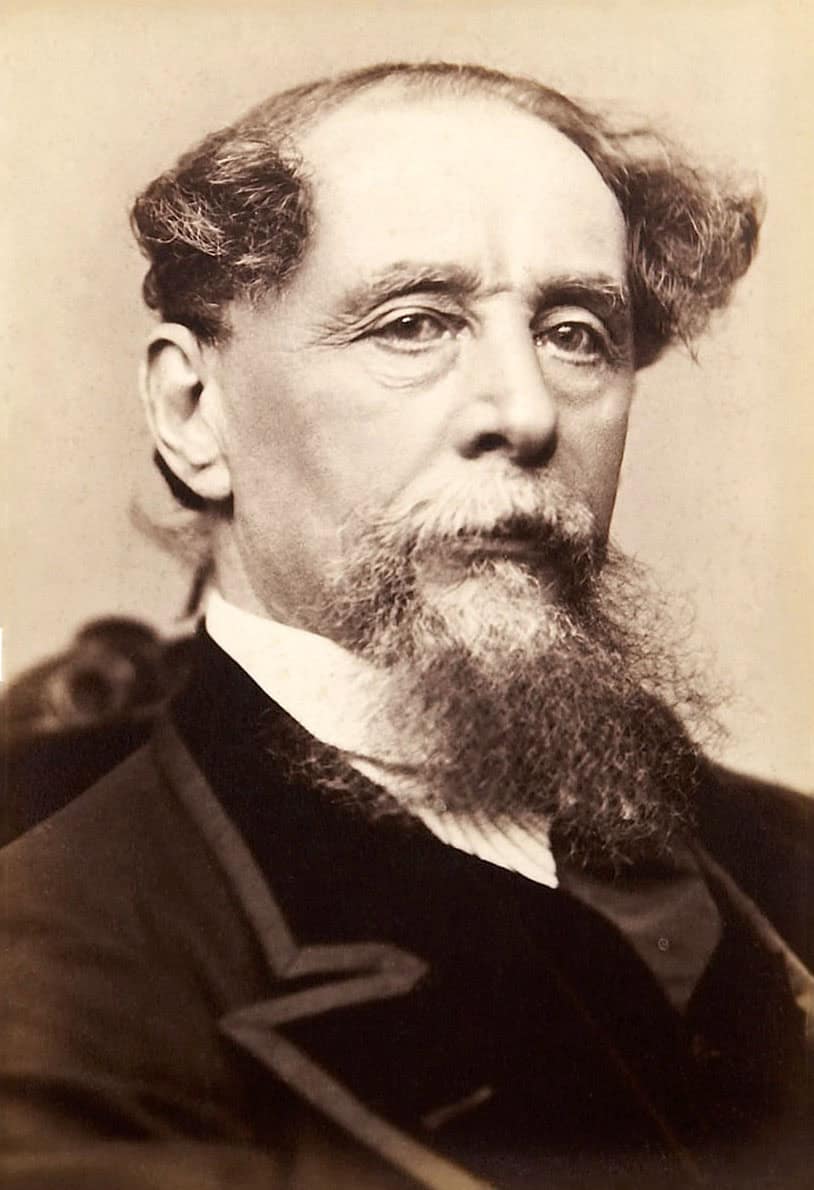
Charles Dickens was a famous writer known for his detailed stories and memorable characters. He had a very specific habit when it came to sleeping.
Dickens believed that he could only sleep properly if his head was facing north. He even carried a compass with him to make sure his bed was positioned correctly.
He thought this alignment improved his health and creativity. Dickens also enjoyed long walks, often covering many kilometers in a single day.
These walks helped him think and develop ideas for his stories. His habits may seem unusual, but they show how he created a routine that supported his writing.
By following what worked for him, he was able to produce some of the most well-known books in literature.
8. Steve Jobs

Steve Jobs was a modern innovator who helped shape the world of technology. He was known for his simple and consistent lifestyle.
Jobs often wore the same style of clothing every day, including a black turtleneck and jeans. He believed this reduced daily decisions and allowed him to focus on important work.
Jobs also followed strict diets at different times, sometimes eating only certain foods. He believed this improved his clarity and creativity.
His habits may seem repetitive, but they helped him stay focused and disciplined. By simplifying parts of his life, he created space for big ideas and innovation.
9. Mark Twain
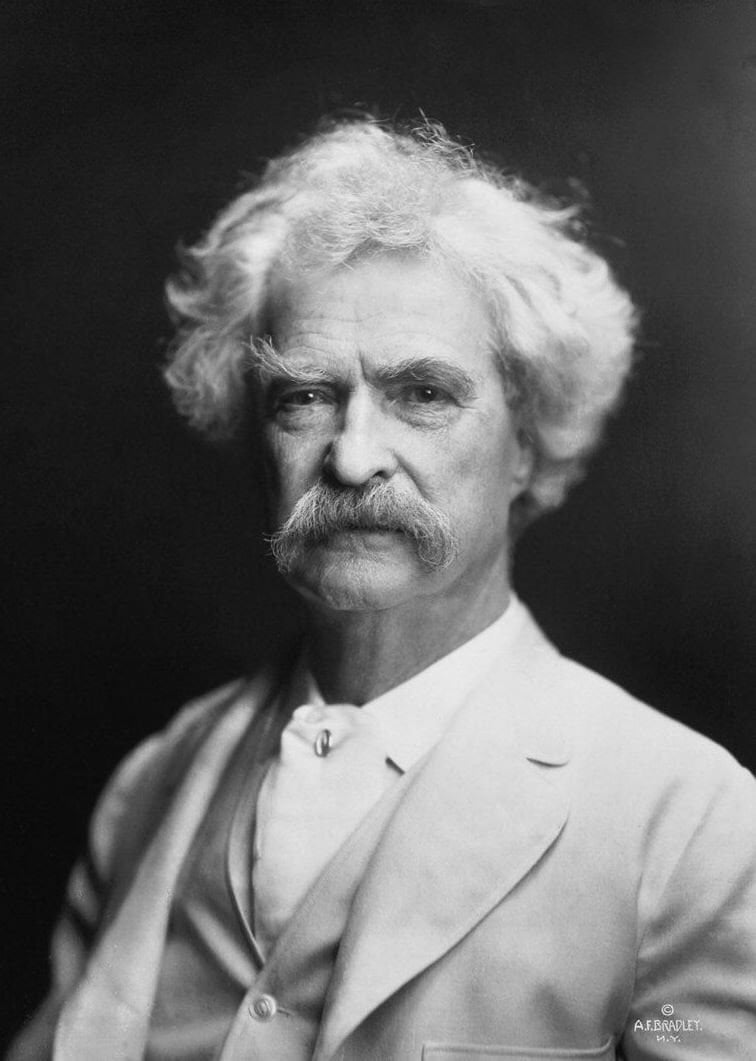
Mark Twain was a famous author known for his humor and storytelling. He had a relaxed but unusual approach to work.
Twain often wrote while lying in bed, finding it more comfortable and inspiring. He also enjoyed smoking cigars while working, which he believed helped him think.
Twain preferred working at night when it was quiet and free from distractions. His habits reflect his laid-back personality and creative style.
He found ways to make himself comfortable while writing, which allowed his ideas to flow more naturally.
His approach shows that creativity does not always require strict rules, but rather a space where ideas can grow freely.
10. Wolfgang Amadeus Mozart
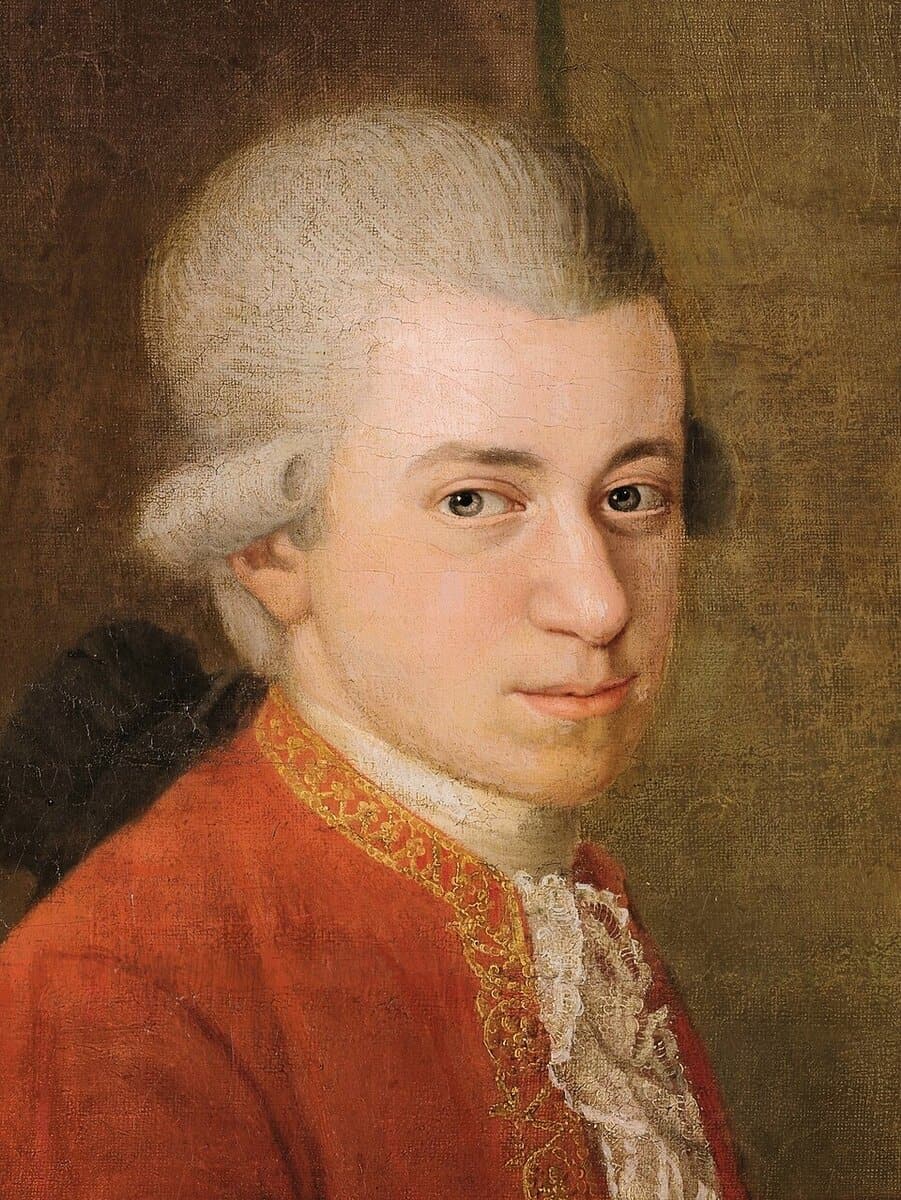
Wolfgang Amadeus Mozart was a musical genius who created incredible compositions at a young age. He also had habits that people found unusual.
Mozart often worked late into the night, feeling most creative when everything was quiet. He had a playful personality and sometimes behaved in ways that others found childish or strange.
Despite this, his focus on music was strong. He could compose complex pieces quickly and with great detail.
Mozart’s habits show that creativity can come in many forms, and personality does not always match expectations. His unique way of living allowed him to produce music that is still admired today.

Ho sempre sentito una forte connessione con il Divino fin dalla mia nascita. Come autrice e mentore, la mia missione è aiutare gli altri a trovare l'amore, la felicità e la forza interiore nei momenti più bui.