
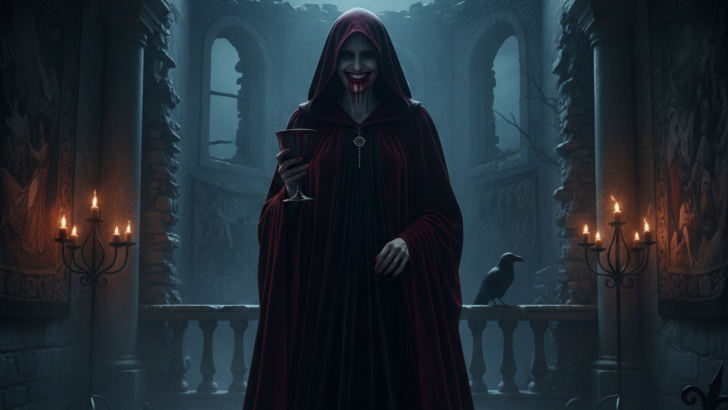
Some legends are so chilling that they cling to the imagination long after the stories end.
One of these legends surrounds Elizabeth Báthory, a noblewoman from the sixteenth century whose name has become linked with terror, mystery, and a strange obsession with beauty.
Her story mixes real historical events with dark rumors, turning her into a figure who still fascinates readers around the world.
People call her the Blood Countess. Others whisper that her ghost still wanders her old castle. But who was she really?
A twisted killer or a woman trapped inside exaggerated tales? The truth lies somewhere between history and haunting legend.
The Rise of a Noblewoman and the Seeds of a Dark Reputation
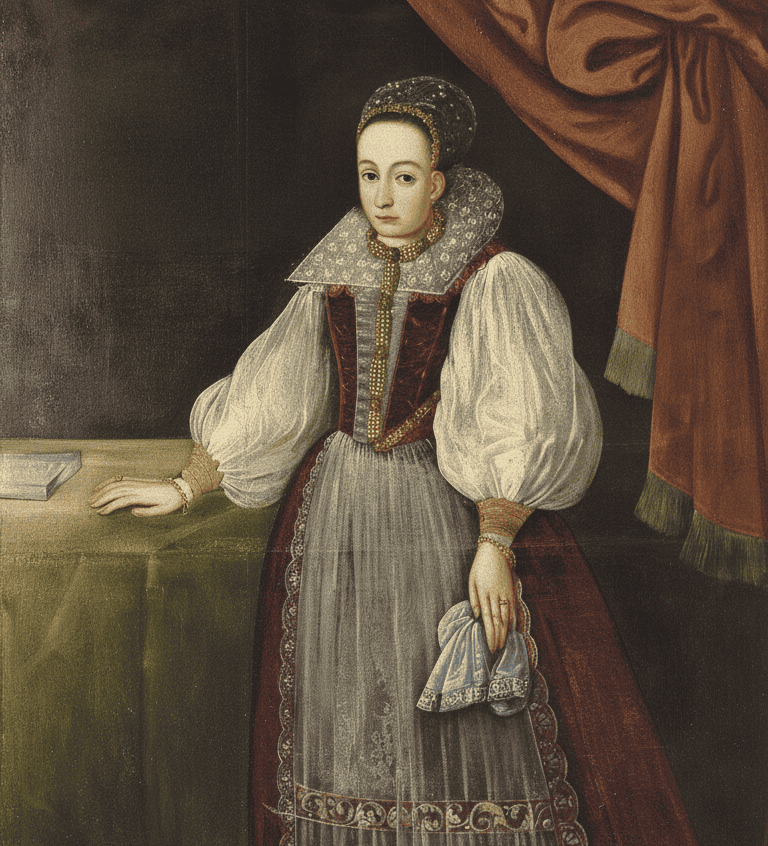
Elizabeth Báthory was born into one of the most powerful families in Hungary. She grew up surrounded by wealth, land, servants, and more privileges than most could imagine.
From a young age, she learned how to manage estates, read several languages, and navigate the complicated politics of noble life.
Her marriage to Count Ferenc Nádasdy only strengthened her position. Together, they owned multiple castles and villages and were considered one of the strongest noble pairs.
While her husband was away fighting battles, Elizabeth was left in charge of large estates and hundreds of workers.
It was unusual for a woman to have this much authority, and it made people pay attention to her every move. Some admired her intelligence and strict management.
Others whispered that she was harsh and demanding. During this period, small rumors began forming around her.
Some said she punished servants too severely. Others claimed she had a frightening temper.
Although none of these early rumors hinted at what would come later, they created an atmosphere of suspicion that made it easy for darker stories to grow.
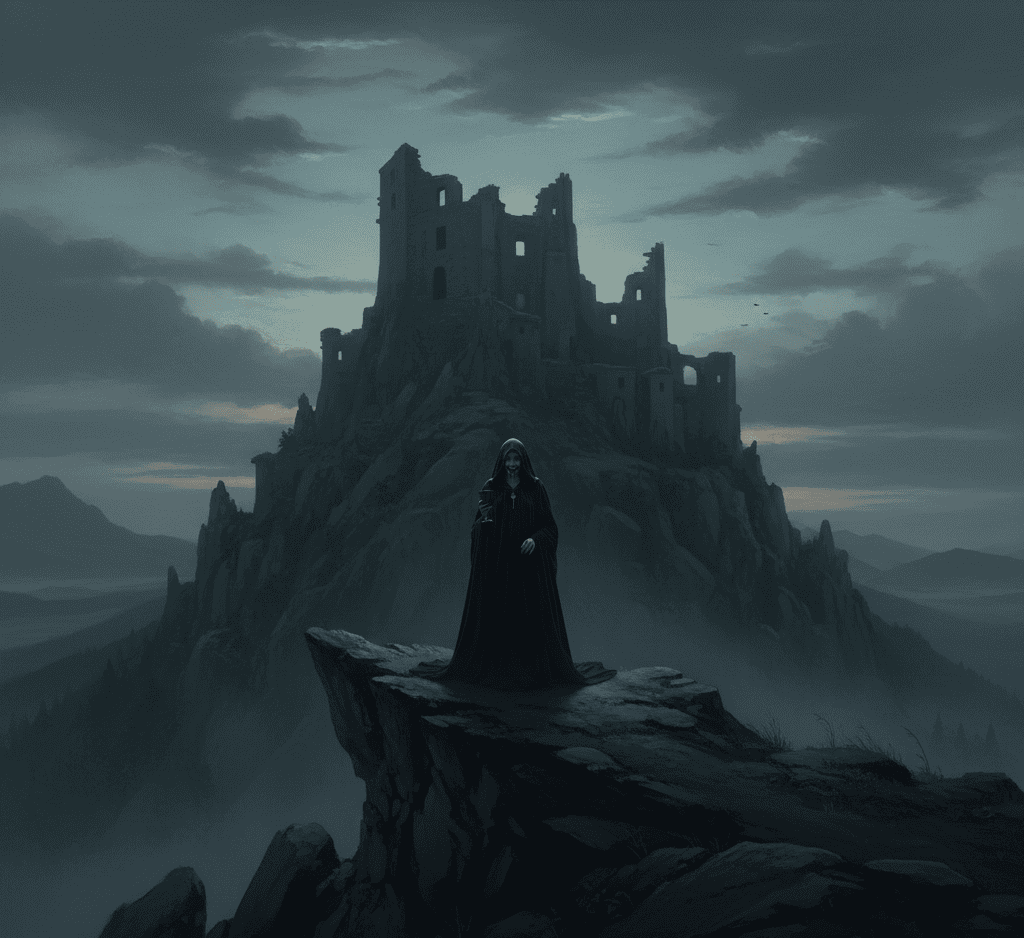
When her husband died, Elizabeth became even more powerful. She lived in castles like Čachtice in present-day Slovakia, a lonely fortress perched on a mountain.
This gloomy setting played a part in the imagination of people who later retold her story.
Life in remote castles was often cold and tense, and many servants feared upsetting their noble rulers. This fear fed the early ideas that Elizabeth might have taken punishment too far.
The Terrifying Accusations and the Making of a Monster
The real explosion of horror began when young servant girls started disappearing or turning up dead.
Their injuries were described as disturbing and cruel. Witnesses reported beatings and strange punishments.
Some claimed she tortured the girls in ways that go beyond anything seen in ordinary cruelty.
These stories spread quickly, and soon Elizabeth was accused of being responsible for the deaths of dozens or even hundreds of girls.
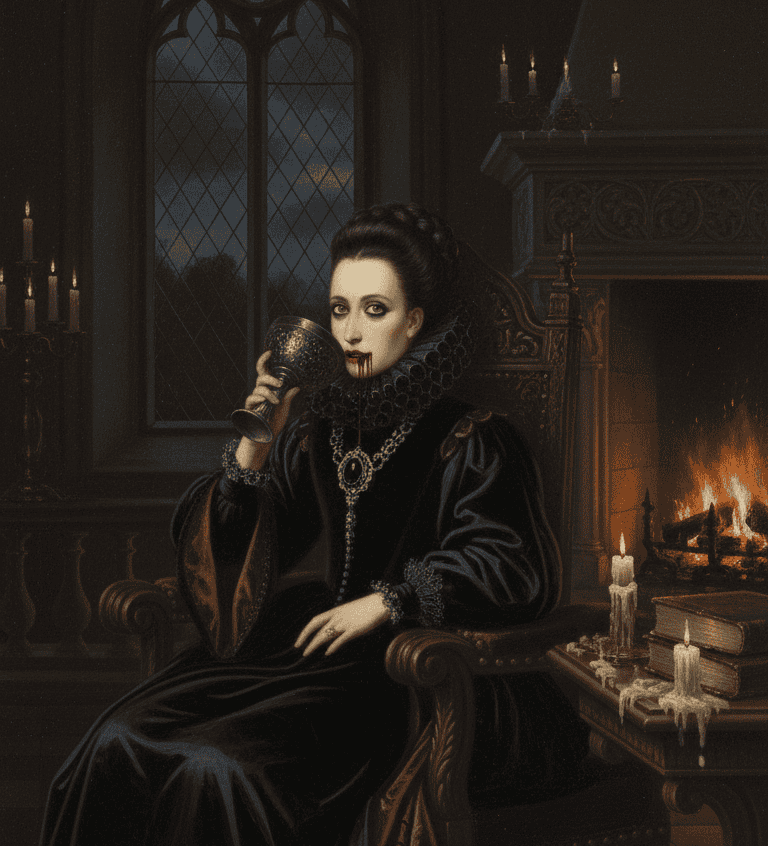
The darkest and most famous claim was that she drank their blood to stay young and beautiful.
People said she believed blood could keep her skin smooth and maintain her charm. This detail turned her from a violent noblewoman into a supernatural legend.
A woman bathing in or drinking blood sounds like something from a nightmare, but people at the time believed it because it fit their image of a powerful woman stepping outside expected roles.
Gossip often grows more dramatic when the person involved is wealthy and feared.
Whether the accusations were fully true or partly exaggerated is still debated. Some historians argue that Elizabeth was the victim of a political plot.
Her family had strong enemies who wanted her land and power. Accusing her of horrific crimes would have been an effective way to break her influence.
Others believe the stories are rooted in truth but were expanded by panic, fear, and imagination.
Still, others think a mixture of both happened. She may have been harsh with servants, and rumors simply spiraled into monstrous tales.
No matter what the truth is, once the stories gained momentum, they painted a terrifying picture. A noblewoman trapping young girls in her castle.
A cruel mistress experimenting with pain. A countess desperate to remain forever young. These details shaped her reputation and gave birth to the legend that still surrounds her name.
Imprisonment, Death, and the Birth of a Ghostly Queen
When authorities finally acted, Elizabeth Báthory was placed on trial. The trial itself was unusual because she was not treated like an ordinary citizen.
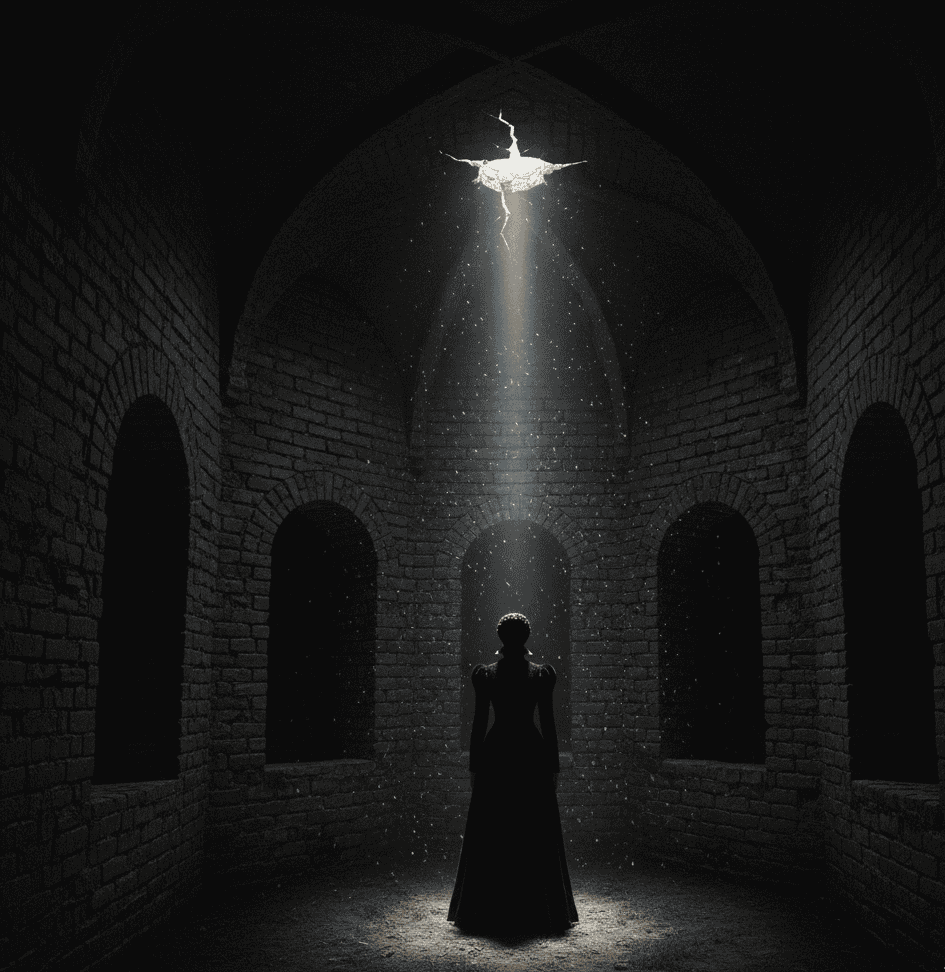
Instead of being executed or fully imprisoned, she was locked inside a set of rooms in her own castle.
The windows were bricked shut, and guards stood outside the doors. It was not a comfortable life, but it was gentler than the punishments her servants supposedly faced.
She lived this way for several years until her death. Many people imagine her pacing the dark room in silence, trapped with her thoughts and the accusations that followed her everywhere.
The strange nature of her imprisonment inspired ghost stories. People said her spirit never accepted the end of her freedom.
They claimed she still roams the ruin of Čachtice Castle, searching for youth, beauty, or lost servants.
Travelers visiting the site even today sometimes feel a chill or hear strange sounds echoing through the broken halls.
Because of the ghost stories, Elizabeth became more than a historical figure. She became a ghostly queen of fear.
Some storytellers imagine her as a restless spirit wearing elegant dresses stained with red. Others picture her quietly observing from the broken windows of her old home.
These stories keep her legend alive and add a layer of fantasy that makes people wonder whether she is still searching for something she lost long ago.
Beauty, Fear, and Why the Legend Still Thrives
The tale of Elizabeth Báthory has survived for so long because it touches on themes that remain powerful today.
The idea of someone doing anything to stay young speaks to modern fears about aging and appearance.
Many people feel pressure to look a certain way, and Elizabeth’s story pushes that idea to a terrifying extreme.
Instead of creams or face masks, she turned to something shocking and unforgettable. This exaggeration helps people confront their own worries about beauty and time.
Her story also reflects how society reacts to powerful women. When a woman in history held wealth or influence, people often responded with suspicion or fear.
Instead of seeing her as strong, they imagined her as dangerous. The rumors about Elizabeth may have grown so large because people were already uneasy about her independence.
This pattern appears in many legends throughout history. A woman in a position of authority becomes a villain once rumors start spreading.
Finally, the legend endures because people love a good mystery. Elizabeth Báthory sits right on the edge of truth and imagination.
There is enough evidence to suggest she harmed her servants, yet there is also enough uncertainty to make people question the full story.
This mix makes her unforgettable. Her life becomes a puzzle, and everyone who hears about her wants to piece it together.

Ho sempre sentito una forte connessione con il Divino fin dalla mia nascita. Come autrice e mentore, la mia missione è aiutare gli altri a trovare l'amore, la felicità e la forza interiore nei momenti più bui.