

Repentance is one of the most important concepts in Christian teaching. It involves recognizing wrongdoing, feeling genuine sorrow for sin, and turning back toward God with a sincere heart.
The Bible describes repentance as not only a personal transformation but also an event with spiritual significance in the heavenly realm.
When a person repents, it is believed that heaven responds in ways that celebrate, restore, and affirm God’s love.
Angels, as messengers of God, rejoice, and the spiritual order reflects the renewal of a soul who chooses to return to righteousness.
Understanding what happens in heaven when someone repents can inspire believers to value forgiveness, humility, and transformation.
The following six points describe what scripture and tradition suggest occurs in the heavenly realm during true repentance.
1. Angels Rejoice
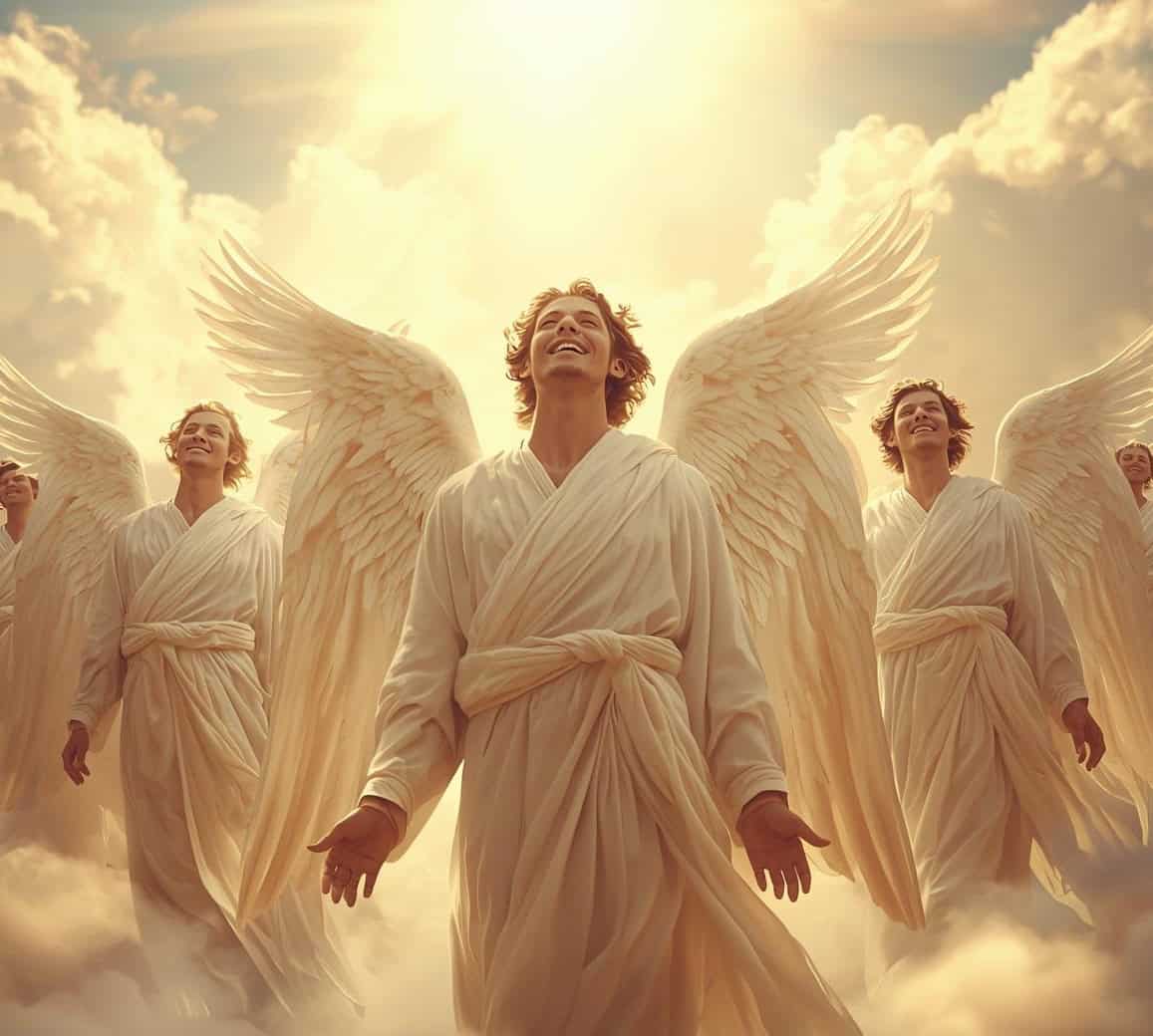
One of the first things that happens in heaven when a person repents is joy among the angels.
Luke 15:7 highlights this idea, stating that there is rejoicing in heaven over one sinner who turns back to God.
Angels, as God’s messengers, are aware of human choices and celebrate when a soul leaves sin behind.
This celebration is not just symbolic; it represents the immense spiritual significance of a person choosing to align with God’s will.
The joy of angels emphasizes the value of repentance. It shows that a single act of turning toward God resonates throughout the spiritual realm.
The rejoicing reinforces the idea that God’s love and mercy are celebrated in heaven whenever a person sincerely seeks forgiveness.
2. God Restores Relationship
Repentance restores the relationship between the sinner and God. Sin creates a distance in the spiritual connection between humans and the divine, but turning back toward God removes this barrier.
Scripture often describes repentance as a return home, reestablishing intimacy with God.
When a person genuinely repents, God is pleased, and spiritual communion is renewed. This restoration reflects the depth of God’s grace and the willingness to forgive.
Heaven, in turn, acknowledges this renewal as part of the divine order, celebrating the restored alignment between God and the repentant individual.
This restoration reminds believers that repentance is powerful and that spiritual distance caused by sin can be healed through sincere action and faith.
It reinforces the importance of returning to God promptly and wholeheartedly.
3. Heavenly Celebration Intensifies
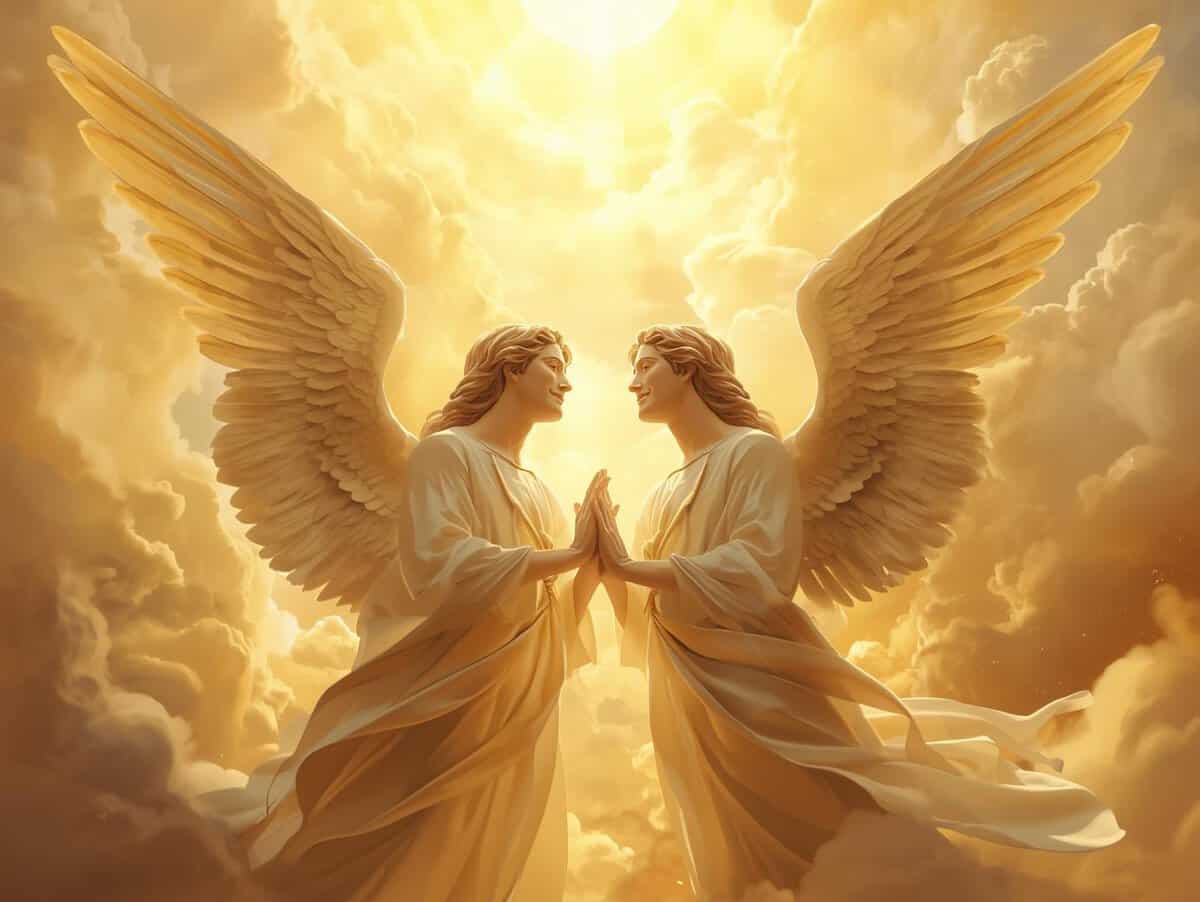
Beyond the angels’ joy, scripture describes a broader celebration in heaven when a person repents.
Luke 15:10 mentions that “there is joy among the angels of God over one sinner who repents.”
This joy is more than happiness; it is an expression of divine delight and cosmic acknowledgment of moral and spiritual renewal.
Heaven rejoices because repentance restores balance and order, reflecting God’s mercy and justice.
Spiritual beings recognize the importance of free will and human choices, and true repentance demonstrates a soul’s alignment with divine will.
This heavenly celebration underscores the value of each person’s transformation and reminds humans that their decisions resonate beyond the earthly realm.
The intensity of this celebration encourages believers to understand that repentance is significant, not just personally, but spiritually.
Each act of sincere repentance has eternal consequences that are noticed and honored in heaven.
4. Spiritual Chains Are Broken

Repentance often symbolizes freedom from the chains of sin. Sin can weigh down a person’s heart, mind, and spiritual state, creating barriers to spiritual growth.
When a person repents, these burdens are lifted, and the soul experiences spiritual liberation.
Heaven responds by witnessing the release of this spiritual captivity. Angels and other divine beings acknowledge the restored freedom, which reflects God’s justice and mercy.
The breaking of these chains allows the individual to live in alignment with God’s will and strengthens spiritual resilience.
This concept emphasizes that repentance is not only about forgiveness but also about renewal and freedom.
The spiritual chains that once bound a person are removed, opening the way for a closer relationship with God and a more faithful life.
5. The Sinner Is Welcomed
True repentance results in the sinner being welcomed back into the fold of God’s family.
This welcoming is often depicted in parables as a return home, like the prodigal son in Luke 15.
Heaven acknowledges this return with approval and affirmation of the person’s decision to change.
Believers are reminded that God’s love is constant, and forgiveness is always available for those who sincerely repent.
The welcoming reinforces the idea that no one is beyond redemption, and returning to God restores spiritual belonging.
Angels and heavenly beings celebrate not only the repentance itself but also the restoration of a soul to the divine community.
This welcome encourages humans to approach God with confidence, knowing that repentance brings acceptance, love, and renewed purpose.
6. Eternal Rewards Are Set in Motion
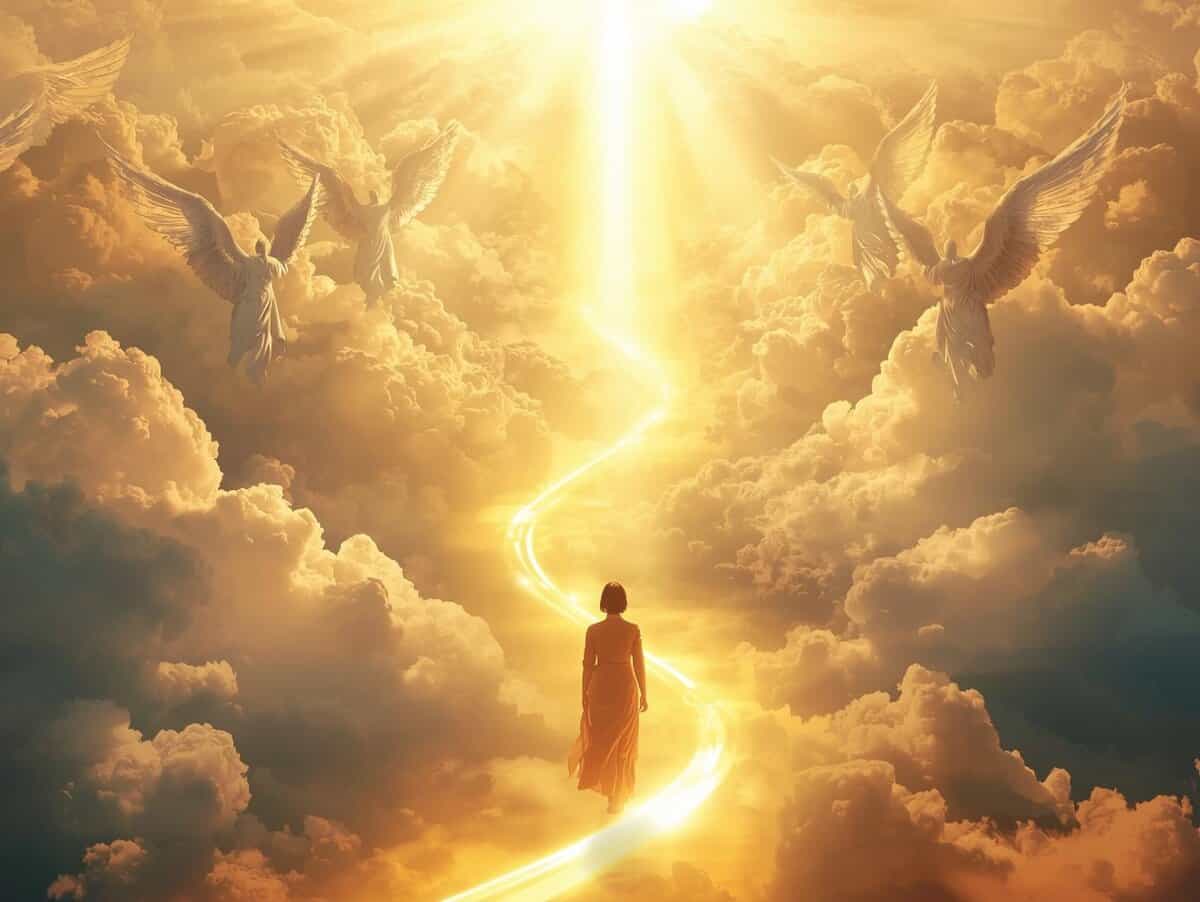
Finally, repentance sets in motion spiritual blessings and rewards that may extend into eternity.
While forgiveness itself is the greatest gift, scripture often suggests that genuine repentance leads to spiritual growth, protection, and alignment with God’s will.
Heaven recognizes these outcomes, marking the repentant person as someone who has chosen righteousness.
Angels and divine beings support this transition, helping the individual walk faithfully and encouraging continued obedience and spiritual development.
This principle reminds believers that repentance is not merely a temporary relief but the start of a lasting transformation.
The act opens the door for blessings, divine guidance, and eternal consequences that honor God’s plan and the soul’s renewed commitment.

Ho sempre sentito una forte connessione con il Divino fin dalla mia nascita. Come autrice e mentore, la mia missione è aiutare gli altri a trovare l'amore, la felicità e la forza interiore nei momenti più bui.