
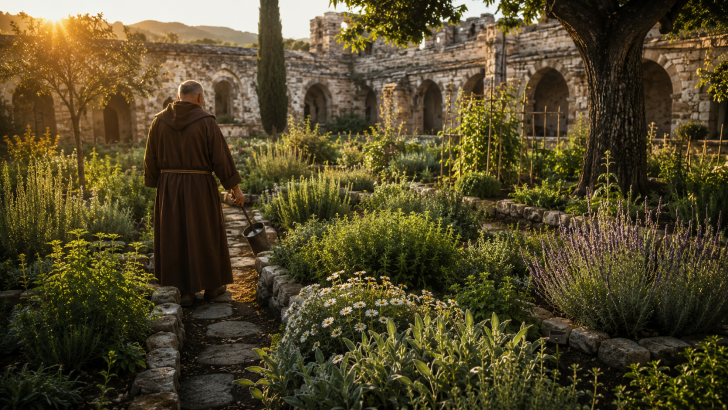
For much of history, monasteries were not only places of prayer and worship. They were also centers of learning, farming, and healing.
Monks carefully tended herb gardens that supplied ingredients for food, simple medicines, teas, and daily tasks.
Many plants were valued because they were useful, while others carried religious or symbolic meaning.
These gardens helped monasteries become more self-sufficient and allowed monks to care for both their communities and visitors.
Many of the herbs grown long ago are still popular today. Here are ten herbs monks commonly grew for spiritual and practical purposes.
1. Sage
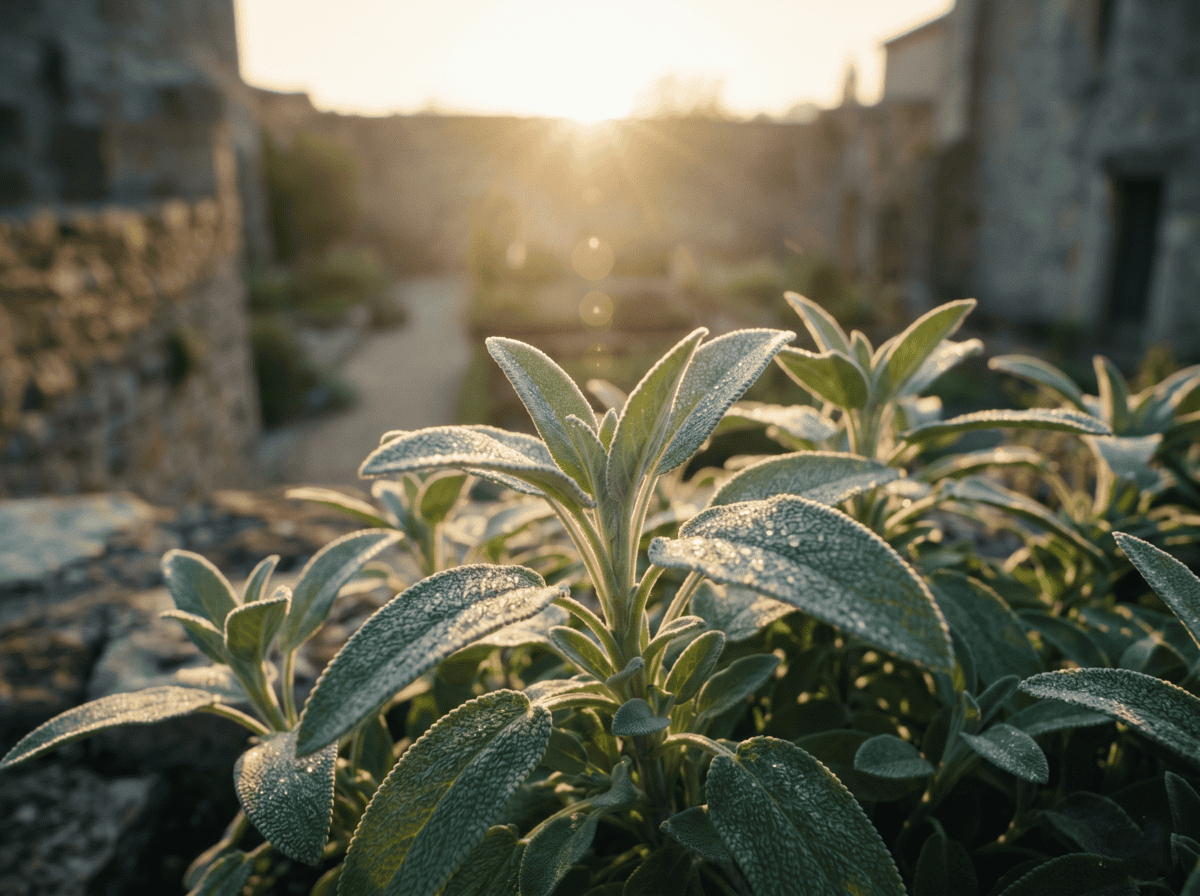
Sage was one of the most important herbs found in monastery gardens. Monks valued it for its many uses in cooking and traditional healing practices.
The plant was easy to grow and could be used throughout the year. Because sage was linked with wisdom and good judgment, it also held symbolic value.
Many monks saw learning as an important part of spiritual life, making sage a fitting herb for monastery gardens.
Its strong scent and hardy nature made it a favorite among gardeners.
Sage often appeared in herbal books written by monks who recorded information about plants and their uses.
Its long history helped make it one of the most respected herbs in medieval monasteries.
2. Rosemary
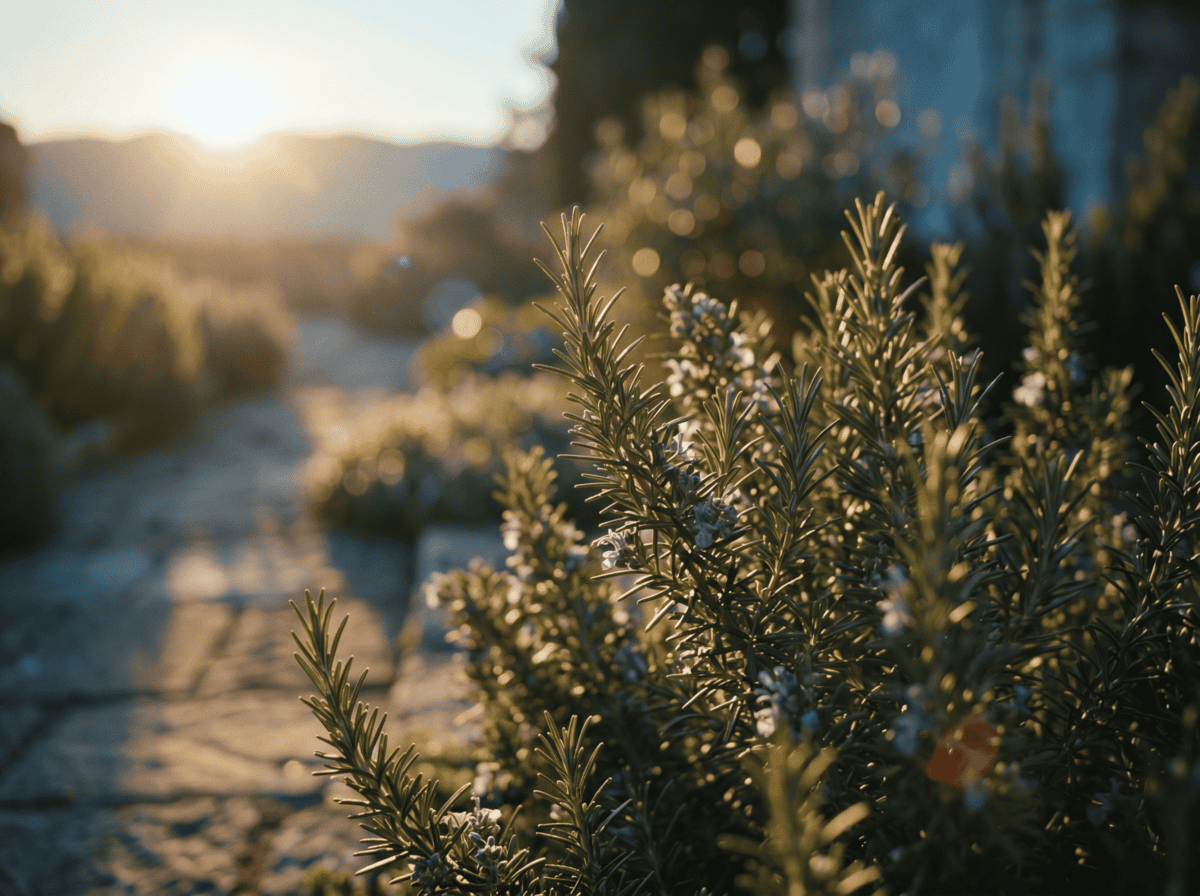
Rosemary was widely grown because of its pleasant smell and usefulness. Monks used it in cooking, herbal preparations, and garden designs.
The evergreen plant remained attractive throughout much of the year. Many people associate rosemary with memory and faithfulness.
Because monks spent much of their lives studying and praying, these qualities were especially meaningful.
The herb’s fragrant leaves also made it popular for freshening rooms and workspaces.
Its beauty and usefulness helped secure its place in monastery gardens across Europe.
For generations, rosemary remained one of the most valued herbs cultivated by religious communities.
3. Mint
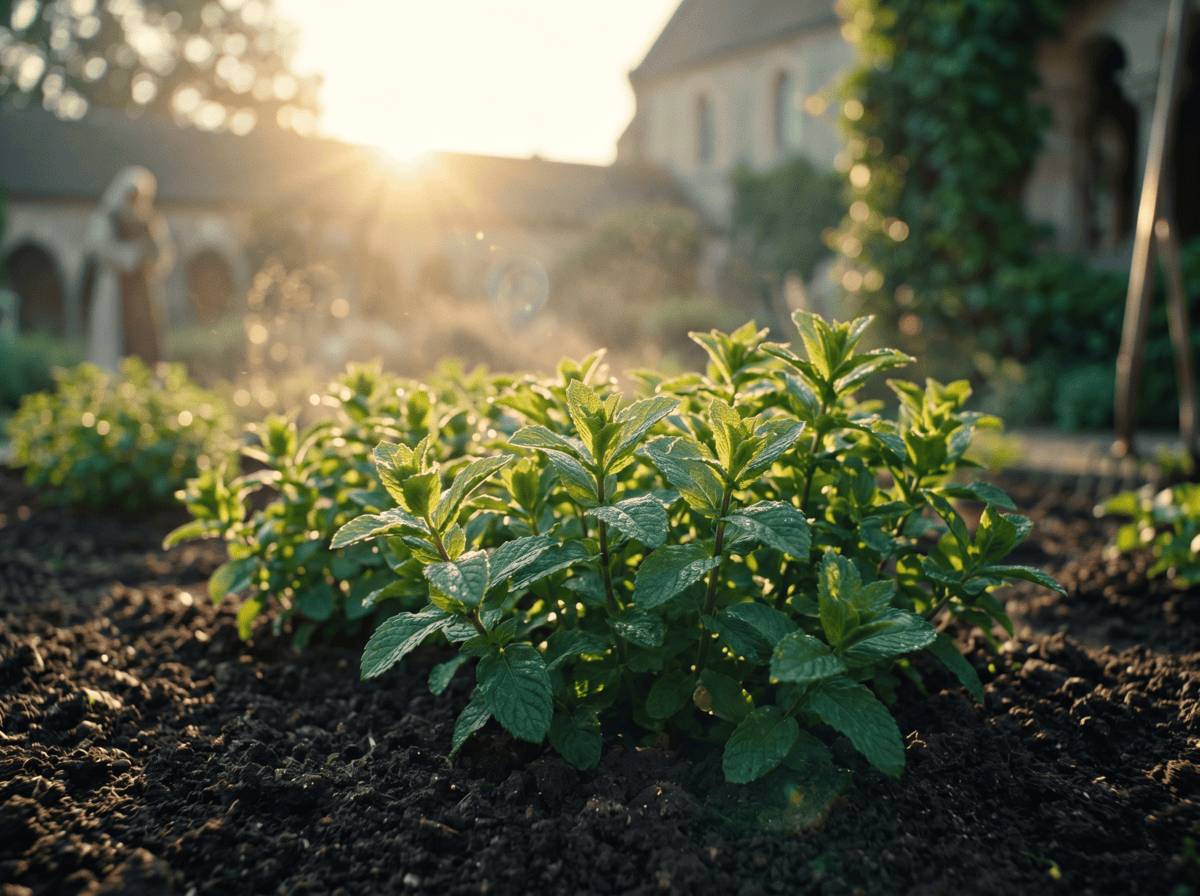
Mint was a common sight in monastery gardens. Its fresh taste made it useful in drinks, meals, and herbal remedies.
The plant grows quickly and is easy to care for, which made it practical for monks managing large gardens.
Mint was often used to flavor water and teas. Its refreshing scent also made it popular around living and working areas.
Because monasteries frequently welcomed travelers and pilgrims, mint was useful for preparing simple refreshments.
Its many practical uses helped ensure that it remained a favorite herb for centuries.
Even today, mint continues to be one of the most widely grown garden herbs.
4. Lavender
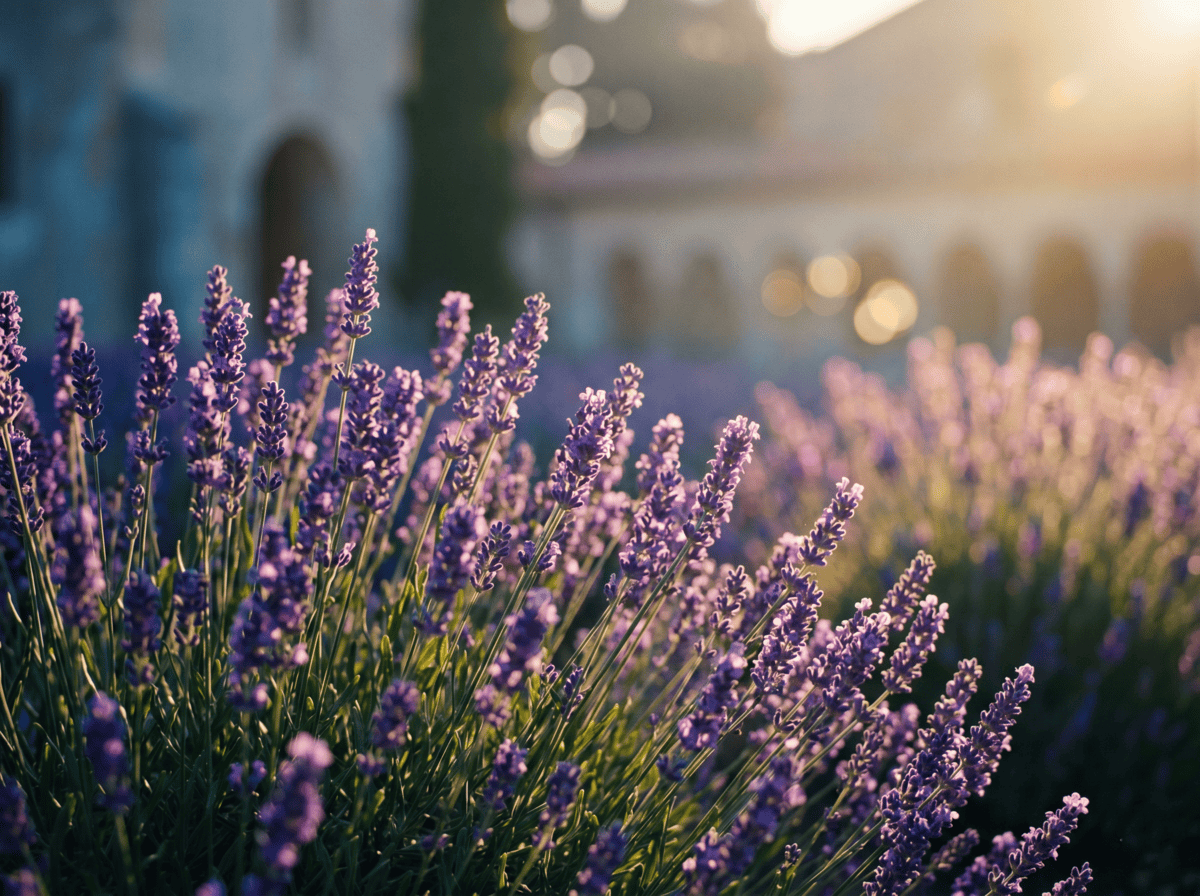
Lavender was valued for both its beauty and fragrance. Monks often planted it near walkways, courtyards, and garden borders.
Its pleasant scent helped create a peaceful atmosphere that suited monastic life.
The flowers were sometimes used in simple household preparations and scented items.
Lavender’s calming reputation made it especially popular in places devoted to prayer and reflection.
The plant also attracted bees, which benefited the monastery gardens.
Its colorful blooms added beauty to the landscape while serving practical purposes.
Because it combined usefulness with visual appeal, lavender became a lasting favorite among monks.
5. Thyme
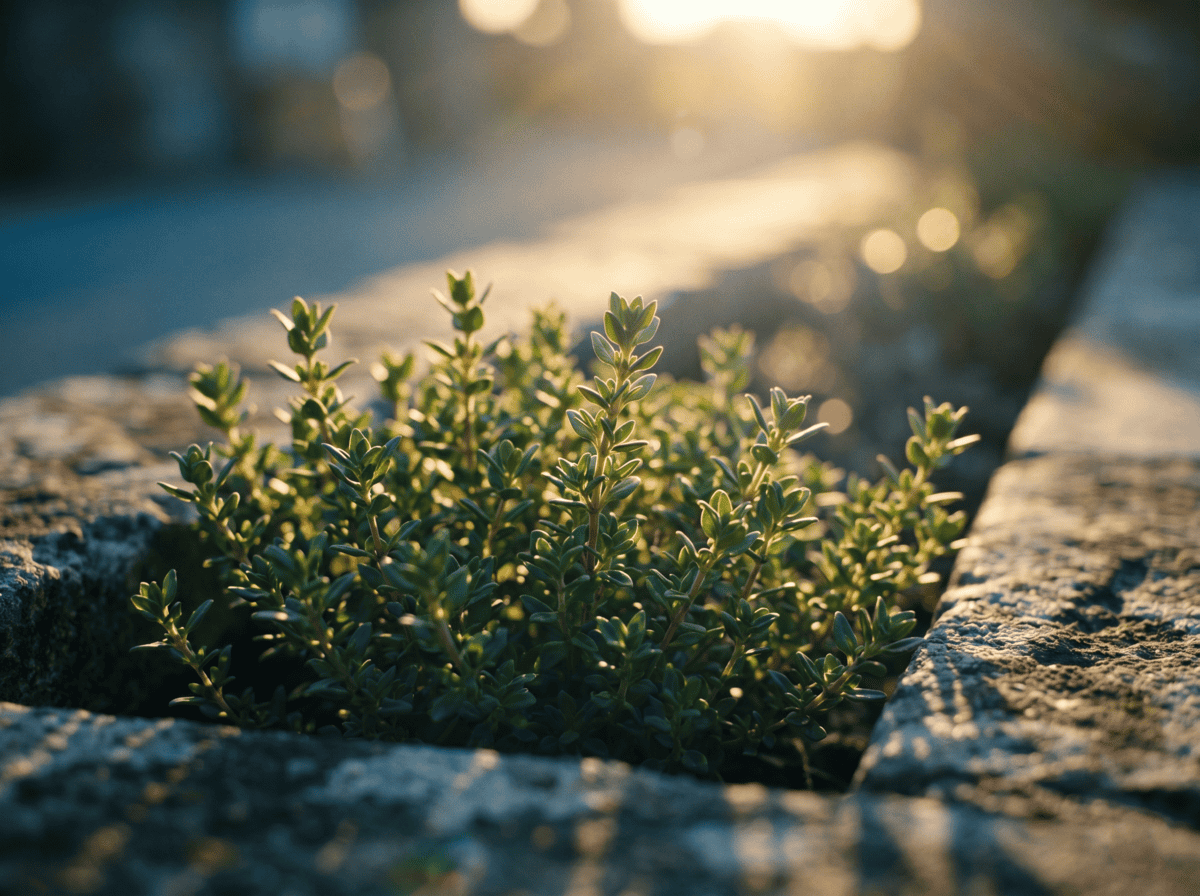
Thyme was a small herb with many uses. Monks added it to food and included it in various herbal preparations.
Its strong flavor made it useful in monastery kitchens where simple meals were common.
The plant was easy to grow and adapted well to different conditions. Its pleasant scent also made it attractive in herb gardens.
Because thyme could thrive in modest garden spaces, it became a practical choice for monasteries of all sizes.
Over time, thyme earned a reputation as a reliable and useful plant that supported daily life in many religious communities.
6. Chamomile
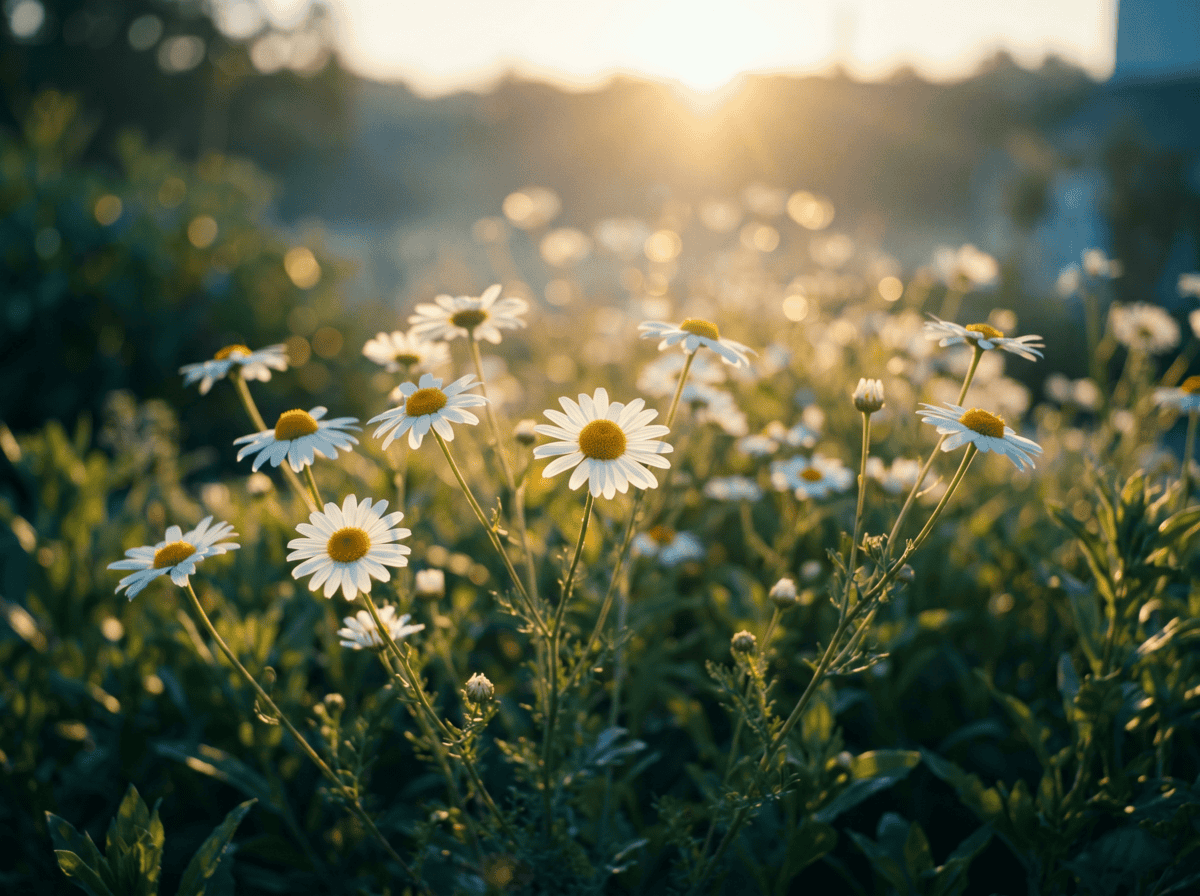
Chamomile was appreciated for its small flowers and gentle nature. The flowers were commonly used in teas.
Monks often grew it in herb gardens because it was easy to maintain and had many traditional uses.
Its pleasant appearance added beauty to the monastery grounds.
Because monastic life often emphasized peace and simplicity, chamomile fit naturally into the environment.
The herb was frequently mentioned in old gardening and herbal records.
Its popularity lasted through many centuries and spread far beyond monastery walls.
Today, chamomile remains one of the most recognized herbs associated with traditional gardens.
7. Fennel
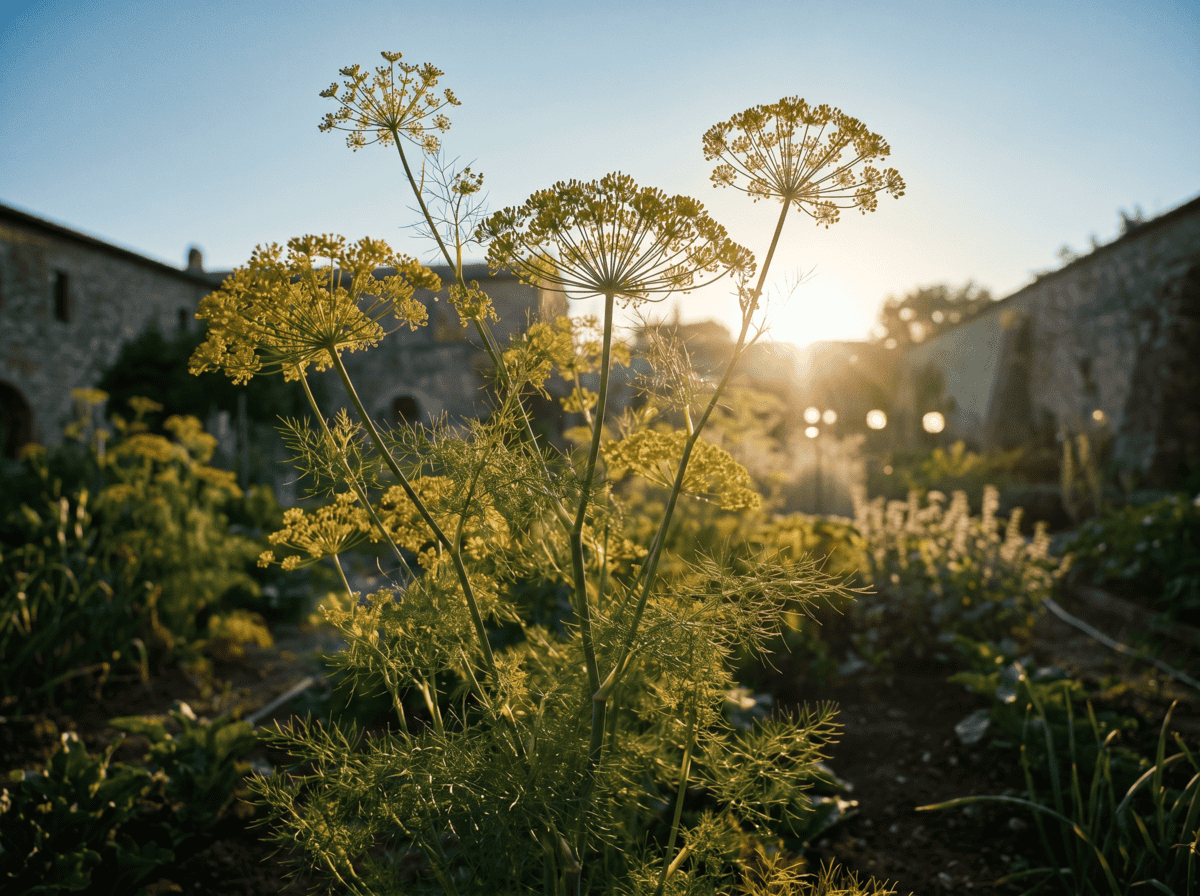
Fennel was another herb commonly grown by monks. Its leaves, seeds, and stems all had practical uses.
The plant could be added to meals and was valued for its versatility. Fennel’s tall growth also gave variety to monastery gardens.
Because monasteries often aimed to produce as much of their own food as possible, plants with multiple uses were especially important.
The herb appeared in many medieval garden plans and herbal writings.
Its usefulness made it a dependable choice for generations of monks who worked the land around their monasteries.
8. Lemon Balm
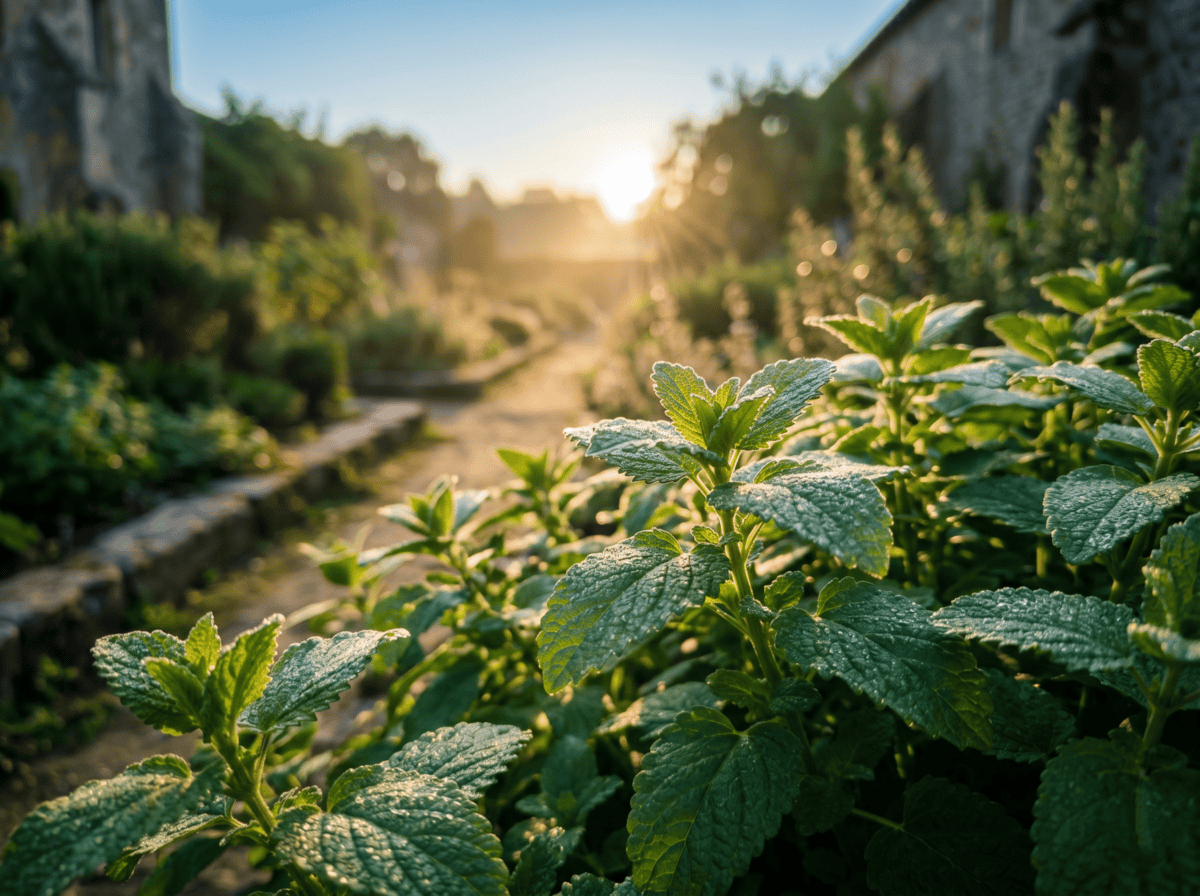
Lemon balm was loved for its fresh citrus scent. Monks often planted it near paths and garden entrances where visitors could enjoy its fragrance.
The herb was commonly used in teas and simple herbal preparations. Its pleasant aroma helped create a welcoming atmosphere.
Because monasteries often served travelers, hospitality was an important part of daily life.
Lemon balm contributed to that goal through its refreshing scent and practical uses.
The plant grew well in many regions and became a regular feature of monastery herb gardens. Its popularity continued long after the medieval period ended.
9. Hyssop
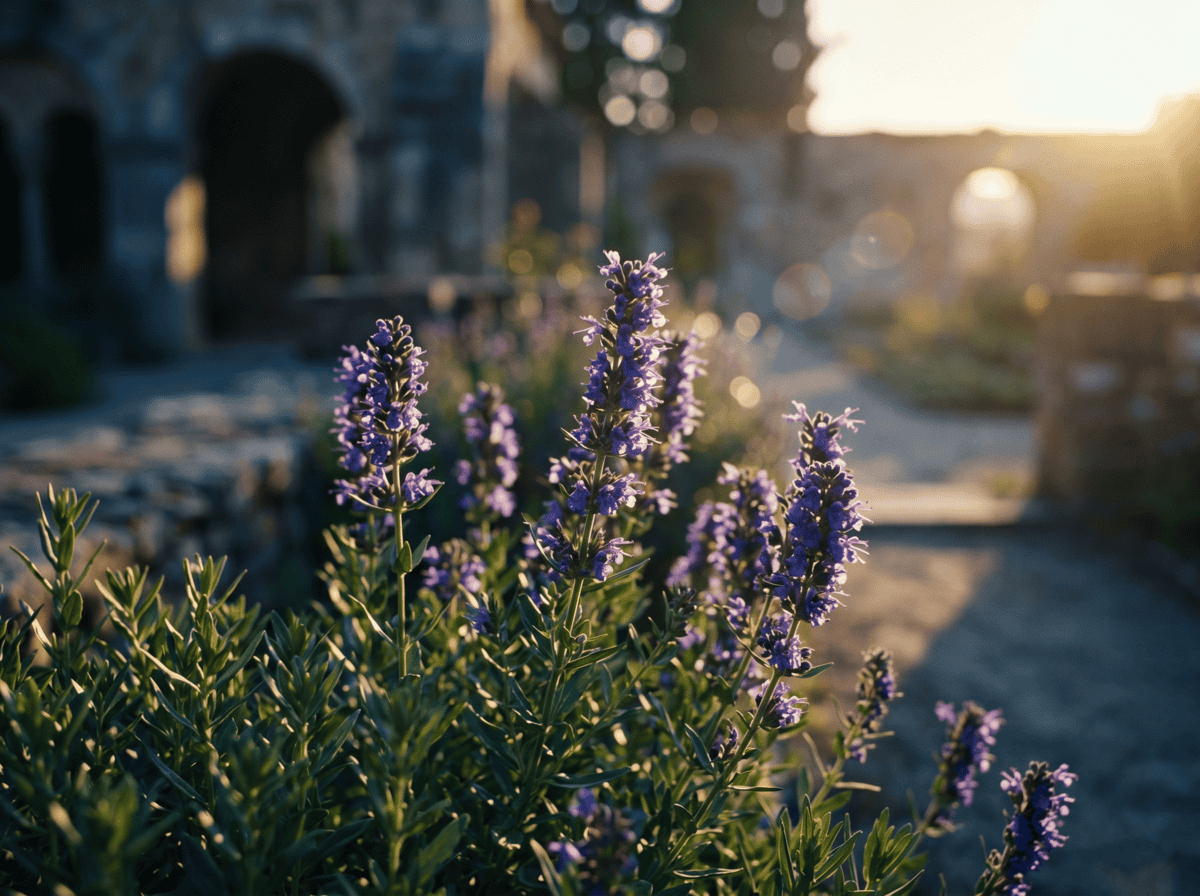
Hyssop held special significance because it appeared in biblical traditions. Many monks were familiar with references to the plant through their study of Scripture.
This connection gave hyssop spiritual importance in addition to its practical uses.
The herb was also appreciated for its attractive flowers and pleasant appearance. Hyssop attracted pollinators and added color to garden spaces.
It fit well within the monastery gardens where religious symbolism often influenced plant choices.
Its combination of usefulness and biblical connections helped make it a respected herb among monastic communities throughout the centuries.
10. Parsley
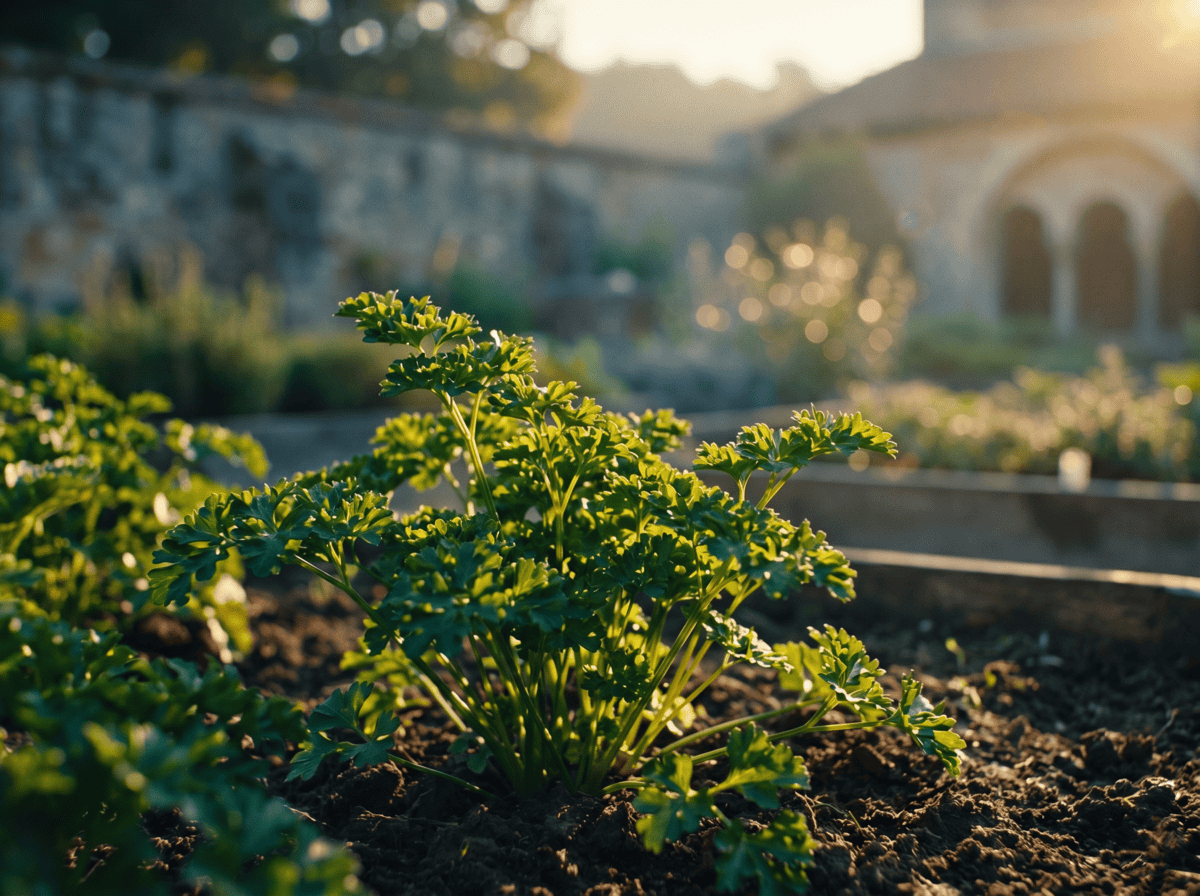
Parsley was a simple but important herb in many monastery gardens. It was easy to grow and commonly used in cooking.
Because monasteries prepared large amounts of food for residents and guests, reliable kitchen herbs were essential.
Parsley added flavor to meals and could be harvested repeatedly during the growing season. Its bright green leaves also brought color to garden beds.
The herb appeared in many medieval gardening records and remained popular because of its practicality.
While it may not seem as famous as some other herbs, parsley played an important role in supporting everyday life within monasteries and helping communities remain self-sufficient.

Ho sempre sentito una forte connessione con il Divino fin dalla mia nascita. Come autrice e mentore, la mia missione è aiutare gli altri a trovare l'amore, la felicità e la forza interiore nei momenti più bui.