

The most memorable stories from Greek mythology are those where the gods come in contact with mortals and other creatures.
Sometimes, the mortals fail to take the deities as seriously as they should, which results in creative and often horrific punizioni.
We often picture these deities lounging around on Olympus, going about their debauchery, but in some of their deeds, we can see them for what they truly are: wrathful gods.
1. The Flaying of Marsyas

Marsyas was a bold satyr who made a horrible mistake: he challenged Apollo to a musical contest.
He was confident in his skills, so much so that he believed he could outshine the god of music himself. He couldn’t.
Before they began the contest, Apollo got Marsyas to agree that the winner could claim any prize he liked. The self-assured satyr quickly agreed.
I imagine he already dreamed of the kind of reward he would ask from the gods; however, Apollo was after one thing only – Marsyas’s skin.
In some versions of the myth, Apollo won by playing his lyre upside down while singing, and the satyr couldn’t manage to do the same.
In a display of sheer cruelty, Apollo strung the satyr up by his wrists and flayed him alive.
This was a grotesque warning against hubris and challenging divine authority.
2. The Minotaur

King Minos also thought he could outsmart the gods, and divine retribution was quick to get him.
After he disrespected Poseidon’s authority, the sea god cursed Minos’s wife, Pasiphae, with an unnatural love for a sacred bull.
The horrific result of this curse was the Minotaur, a flesh-eating monstrosity trapped in a human body.
As if this wasn’t punishment enough, the gods forced Minos to build an inescapable labyrinth to contain the beast and feed Athenian youths to it.
This grotesque curse illustrates how the Greek deities weaponized family and legacy.
Minos’s hubris didn’t just destroy his life; it resulted in a nightmare that doomed his kingdom to generations of horror and grief.
3. The Weaver’s Torment
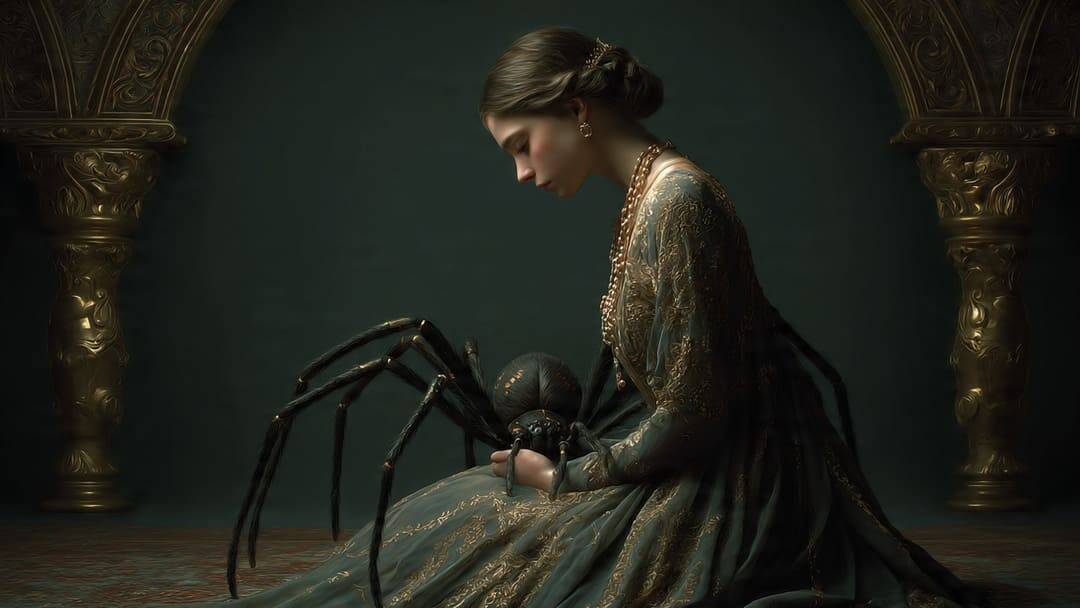
Arachne was a prodigy, a weaver whose tapestries were so masterful they seemed alive.
Blinded by her own talent, she arrogantly declared she was better than Athena, the goddess of wisdom and crafts.
Athena tried to warn her first; she disguised herself and told Arachne to stop, but the woman insisted on a contest.
When Arachne went on to make another flawless tapestry depicting the gods’ many indiscretions with mortals, Athena snapped.
But she didn’t kill Arachne; she crafted a more poetic, eternal punishment.
She transformed the mortal into a spider, condemning her to forever hang in the shadows and weave webs for eternity.
4. The Punishment of Pentheus
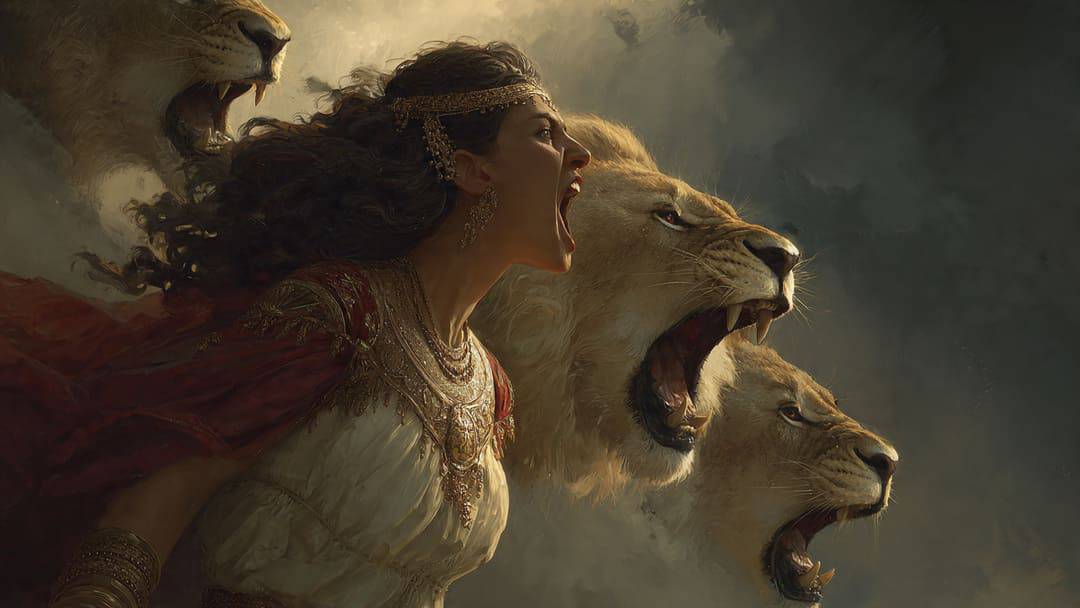
Dionysus is often imagined as a god of wine and joy, not taken too seriously, but he might be one of the most layered Greek deities.
He’s unique among the Olympians, since he’s the only one born from a mortal mother, Semele.
Due to this, some would deny his worship, forbid it, and even try to arrest him for pretending to be divine.
King Pentheus of Thebes made that mistake. He openly denied Dionysus’s divinity because they were cousins.
As revenge, Dionysus turned the women of Thebes into Maenads, his female followers, known for rejecting male leadership and giving in to their primal nature.
In a state of ecstasy, the Maenads participated in bacchic orgies on Mount Cithaeron, and Dyonisus tricked Pentheus into trying to spy on them.
Among these Maenads was Pentheus’s own mother, Agave and his aunts, who, in their crazed state, saw a wild beast instead of him, and attacked.
As the ultimate punishment, Pentheus was torn limb by limb by his own family.
5. The Slaughter of Niobe’s Children
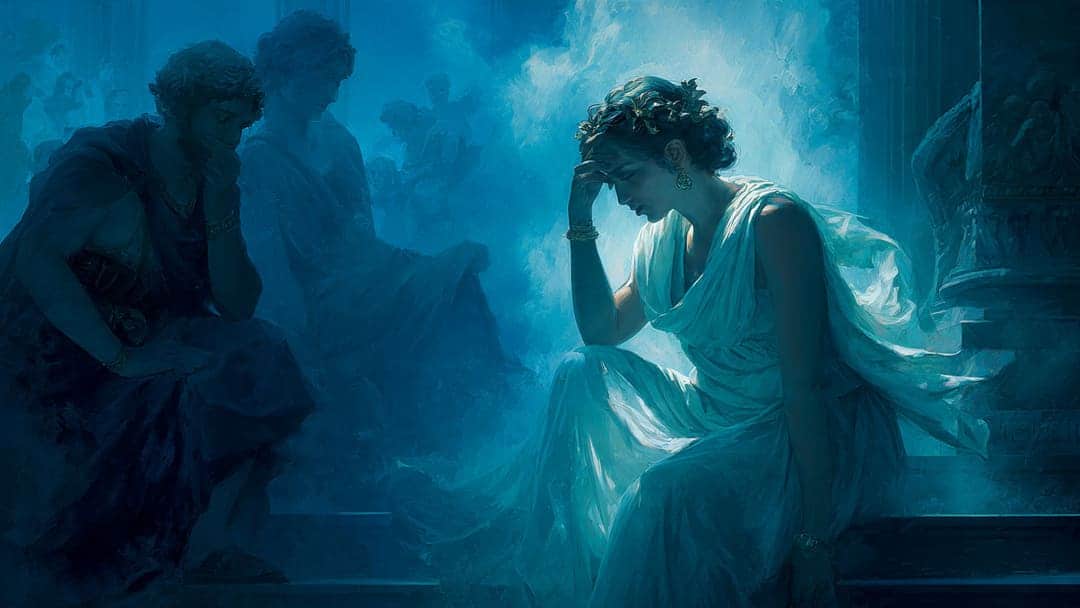
Niobe was a queen and had everything that came with that position: wealth, influence, and a huge ego.
Her husband was a powerful king with whom she had fourteen children.
Because of this, she openly boasted that she was better than the goddess Leto, because she only had two children. This arrogance sealed the fate of her family.
Leto sent her children, Apollo and Artemis, to deliver a horrific punishment. With arrows, they killed each and every one of the fourteen children right before their mother’s eyes.
In most versions of the myth, Apollo attacked the boys, and Artemis the girls.
In his grief, Niobe’s husband also committed suicide, and as the queen collapsed from sadness, the gods turned her into a weeping stone statue.
She became a permanent monument to the danger of hubris.
6. The Tragedy of Cassandra

Apollo’s punishment of Cassandra was psychological torture. She was a mortal woman blessed with incredible beauty, and it’s not the first time that this very god has gone after someone like that.
He fell in love with her and offered her a gift of prophecy. However, Cassandra made a grave mistake; she accepted the gift but then coldly rejected his romantic advances.
The god immediately realized that he couldn’t take the gift back.
So, instead, he added a nasty twist to the blessing – he cursed her so that no one would believe a word she said.
For the rest of her life, Cassandra foresaw the fall of Troy, terrible massacres, and even her own violent death, and screamed the truth into deaf ears.
Her punishment was terrible isolation.
7. The Origin of Lycantrophy
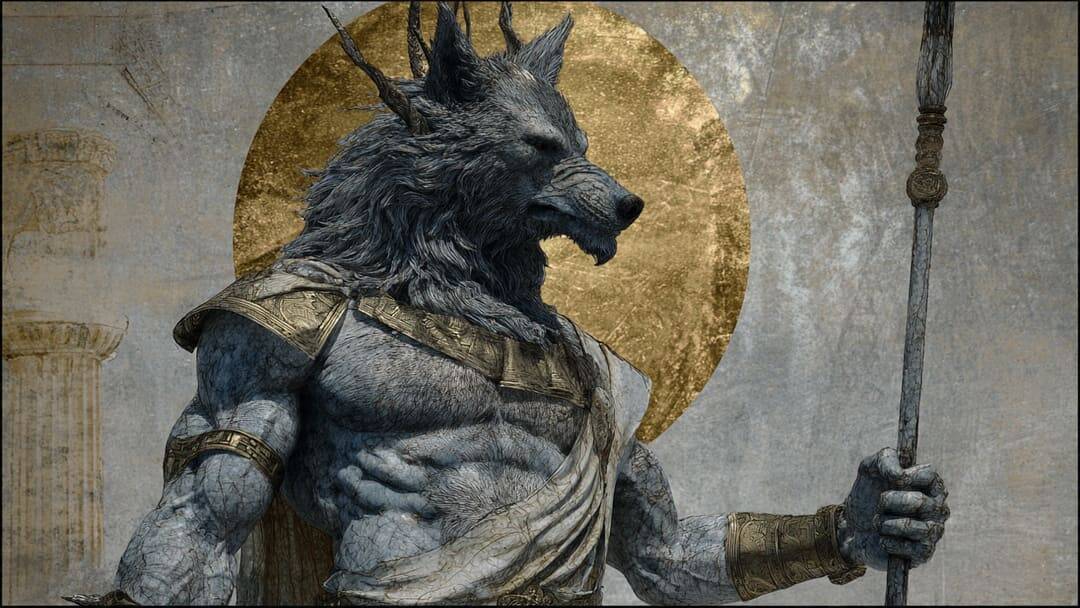
King Lycaon of Arcadia was a wicked man. He ruled with such cruelty that his infamy reached the ears of Zeus himself.
Lycaon even took it upon himself to test the supreme god’s omniscience. He committed the unthinkable: murdered a child and served the roasted flesh to Zeus at a royal feast.
In some versions of the myth, the sacrificio was his own son!
Disgusted and enraged, Zeus easily saw through the grotesque trick.
He didn’t simply want to kill Lycaon, but to make a point. He destroyed Lycaon’s home and family with thunderbolts and turned him into a wolf.
The cruel king became the first werewolf, cursed with the very bloodthirsty nature he displayed.

A little Aquarius, devoted to writing and embroidery. Through my writing, I hope to empower readers to align with their true selves and navigate life’s mysteries with confidence.