

As this generation grew up, there were hard regole in place in their homes, which were usually not questioned.
Most of the time, these rules were rigorous and riddled with routine and lacked any type of clear explanation for their existence. Rules of this nature came from an era when there was more of a focus on structure, respect, and an independent spirit.
These strict rules in Gen X also create dualities, and for many Gen X adults, they are a comforting but very unique way to remember their childhood experiences.
1. Don’t Touch the Thermostat

The thermostat was usually treated like a holy relic by many Generation X parents; it was considered a ‘forbidden’ object. Touching a thermostat without permission was seen as an act of disrespect or carelessness.
The parents guarded the thermostat closely and monitored for even the slightest change in temperature. When a child was cold, the parents typically instructed them to wear a sweater rather than adjust the thermostat to a more comfortable level.
This lesson taught children that comfort should always come after taking responsibility for their actions and being aware of how expensive those actions were.
2. Lights Off When You Leave a Room

Turning lights on in a room and then leaving your house was a surefire way to draw the scorn of a parental figure in your home, as electricity was treated as an irreplaceable commodity that should not be squandered.
Parents were eternally reminding their children to shut off lights, regardless of how short their time away from the room was.
Forgetfulness in this regard was deemed lazy or incompetent as opposed to accidental. Such thinking promoted a high level of consciousness and responsibility for one’s use of energy.
3. Phone Calls Were Short and Serious

The telephone was a family object, not just one person’s. It had a number of limitations on the length of calls, the amount of monitoring, and interruptions.
Long conversations on the phone were not encouraged because people were trying to use their phones for business during the day. Also, you didn’t have much privacy when talking on the phone, and your parents usually listened to everything you said.
These rules taught children to be direct, concise, and intentional when they communicated.
4. Shoes Came Off at the Door
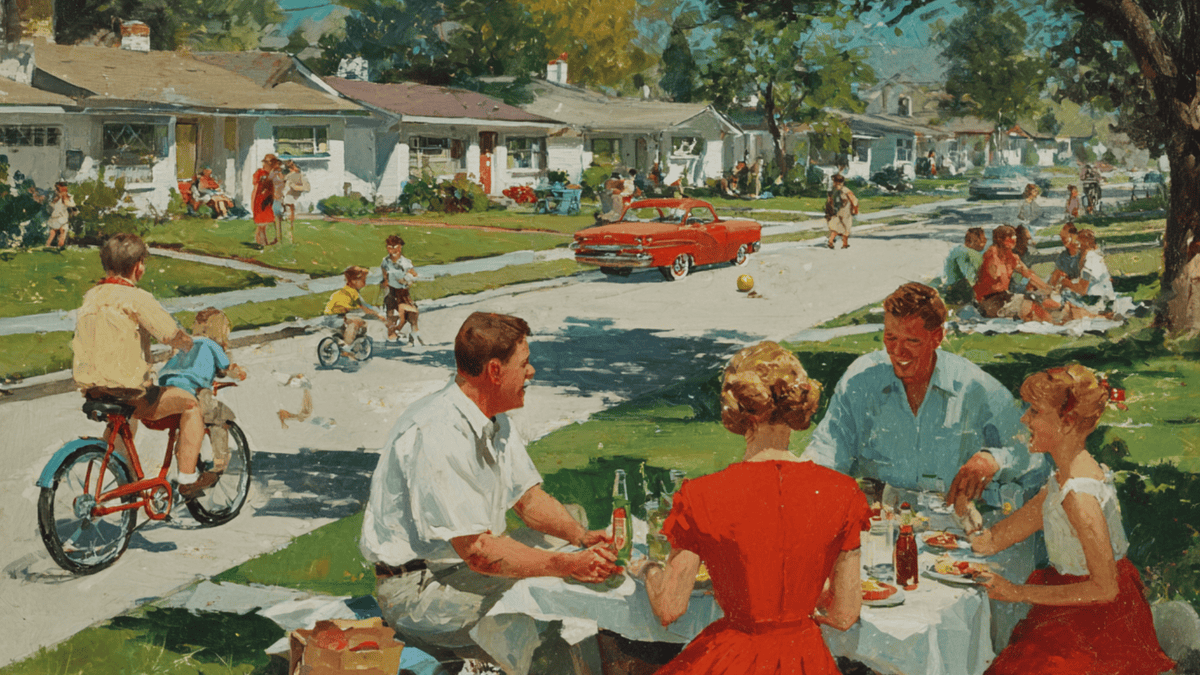
It was an unwritten rule in many households that shoes were never allowed to be worn inside the home.
There was no exception to this rule. Since shoes carry dirt, the floors must always remain clean, and the presence of dirt was seen as unacceptable.
All family members and their guests were to abide by this rule. Children learn that shoes are taken off as soon as they enter the home, and in doing so, learn to show respect for the home and shared spaces.
5. Dinner Was at a Fixed Time

Dinner occurred every evening without fail, at a set time. If you were late for dinner, this was considered to be disrespectful and embarrassing.
All family members were required to be present for dinner at the same table every night. Mealtimes were well defined and never (or almost never) missed.
This structure reinforced family time, responsibility, and obligation to one another in the family unit.
6. TV Had Rules

Certain programs were completely forbidden, and parents always advised their children to limit the amount of time they spent in front of the television set.
In most cases, parents kept the remote control in their possession. Children fought with their parents over which channels to watch, but the children rarely managed to win these battles.
For many children, watching television was more of a privilege than a right.
7. You Finished What Was on Your Plate
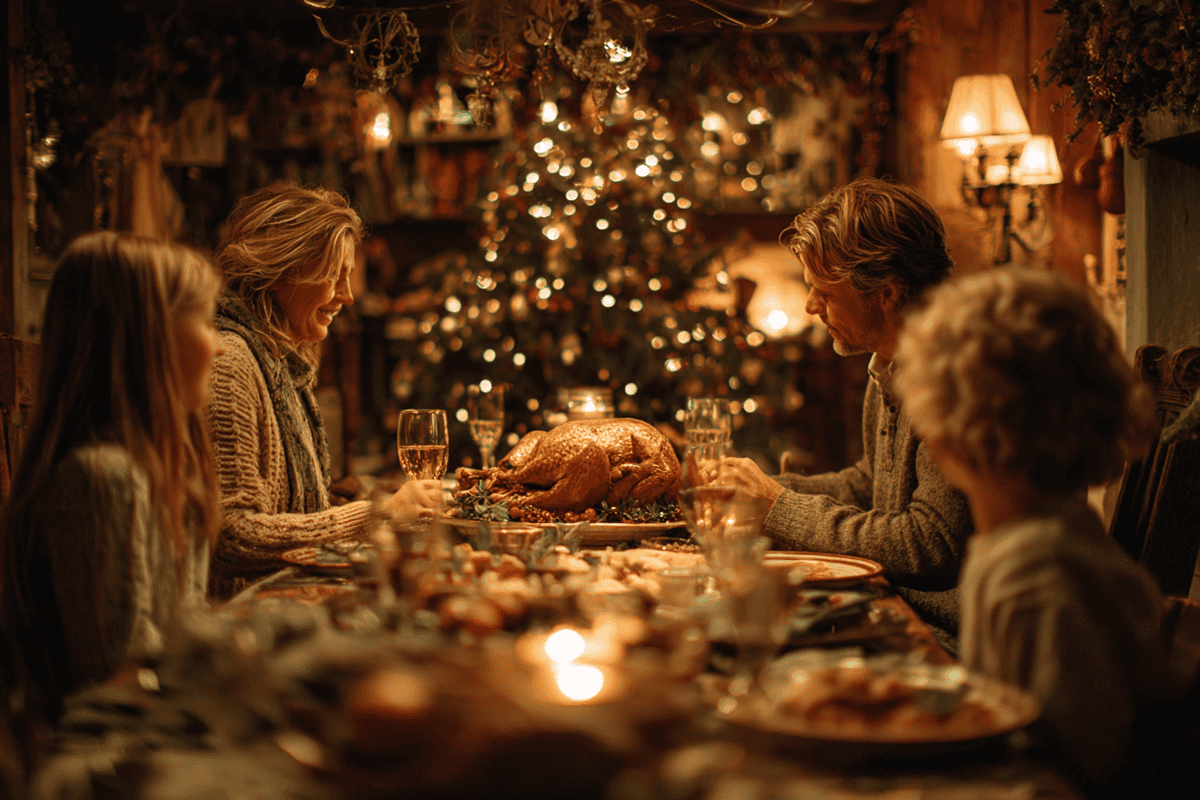
Food wastage was unacceptable across Gen X homes. Any meal a child received was expected to be consumed entirely, even if they disliked said meal.
There was very little tolerance for any complaints regarding food being served to a child.
Children who left food on their plates were viewed as being ungrateful for what they were given, and this “Eat Everything” policy also demonstrates the values of discipline, appreciation, and awareness of scarcity.
8. Bedrooms Were for Sleeping, Not Hanging Out

Unlike social areas, bedrooms were more personal in nature than other spaces within the home, such as living rooms or communal areas, where you might hang out with friends from time to time.
If you were invited to hang out in the bedroom, you would normally be asked to leave shortly after you arrived because it was considered inappropriate for teenagers to spend time together in that manner.
9. Adults Were Always Right

The expectation of unquestioning obedience to adults was deeply rooted in the Gen X world. Adults were constructed as all-powerful, rule-making beings, and there was no questioning or arguing with an adult about their authority, decisions, or the rules they made.
Adults were expected to be obeyed without question. Respect for an adult’s authority was expected at all times by a child. Children learned to listen first and ask questions later.
This type of obedience and discipline shaped an entire society’s structure, hierarchy, and way of life.
10. Outside Time Was Mandatory

Growing up consisted mainly of being sent outside to play, whether one was ready for the day or not. Staying indoors was treated as a rule-breaking exception and was only permitted when the weather was damp and chilly.
Overcoming boredom was accomplished by seeking an activity that allowed you to be in nature.
Children could only return home after it had become dark outside. This policy fostered independence, creativity, and resilience.

Born and raised in Bosnia and Herzegovina. Ever since I was a little girl, my imagination knew no bounds. I remember vividly how I’d scribble down short stories, each page bursting with adventures and characters conjured up from the whimsy of my mind. These stories weren’t just for me; they were my way of connecting with my friends, offering them a slice of my fantasy world during our playtimes. The joy and excitement on their faces as we dived into my fictional realms motivated me to keep writing. This early passion for storytelling naturally evolved into my pursuit of writing, turning a childhood hobby into a fulfilling career.