
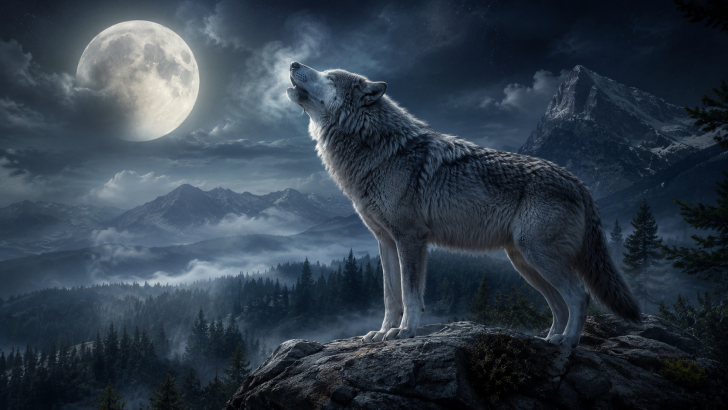
For thousands of years, wolves have captured the human imagination like few other animals.
Their intelligence, loyalty, powerful hunting skills, and haunting howls inspired both fear and admiration.
While some ancient cultures viewed wolves as dangerous predators, many others honored them as sacred animals connected with gods, kings, warriors, and the spirit world.
In myths and religious traditions around the globe, wolves often served as protectors, guides, companions of deities, or even ancestors of entire peoples.
Some were believed to carry divine messages, while others represented courage, wisdom, or the untamed forces of nature.
Although not every legendary wolf was literally worshipped as a god, many received deep religious respect and played important roles in sacred traditions.
Here are nine legendary wolves that have been worshipped or revered throughout history.
1. Fenrir Was the Giant Wolf of Norse Prophecy
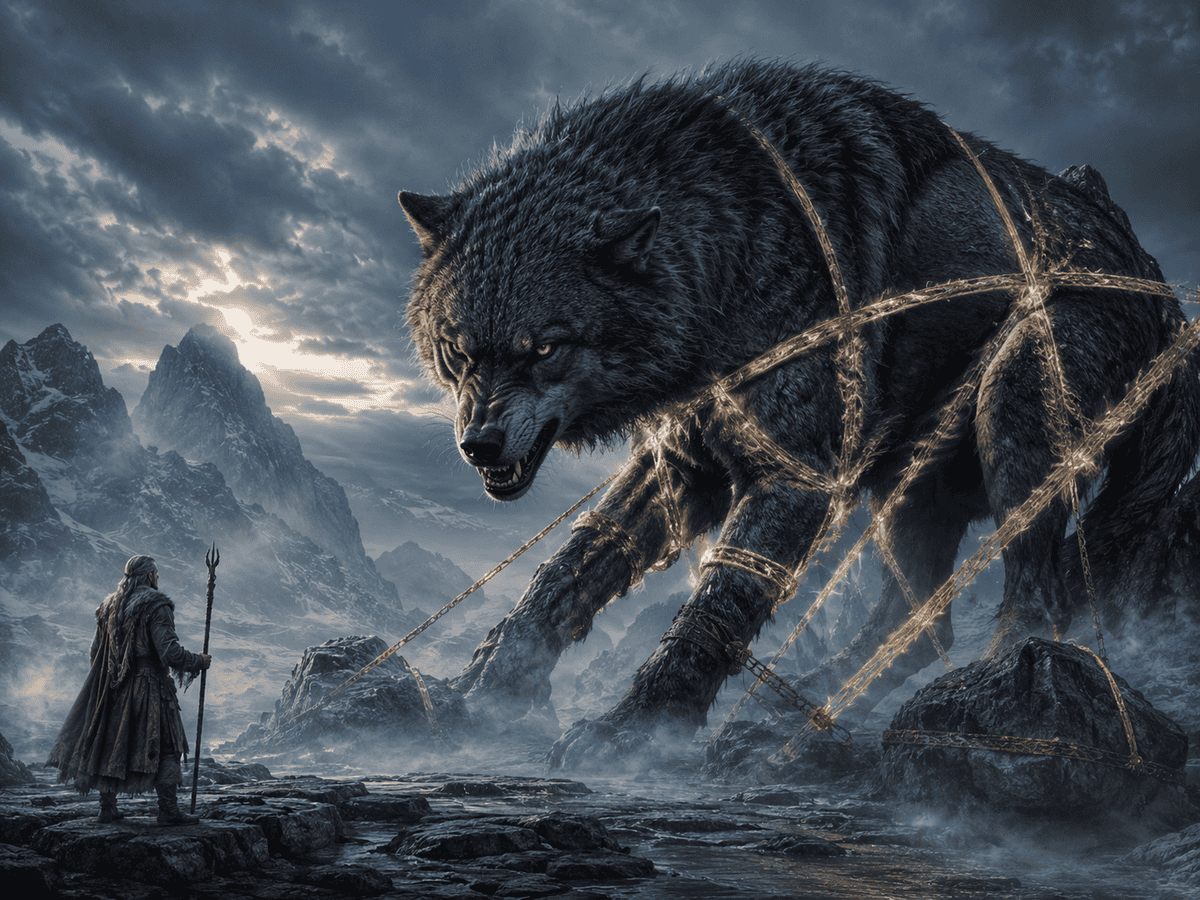
One of the most famous wolves in mythology is Fenrir, the enormous wolf of Norse legend.
Fenrir was the son of Loki and the giantess Angrboda, making him the brother of the Midgard Serpent and Hel.
The gods recognized his incredible strength from an early age and feared that he would one day threaten the cosmos.
After several failed attempts, they tricked Fenrir into allowing himself to be bound with the magical ribbon Gleipnir.
According to prophecy, however, Fenrir would eventually break free during Ragnarök.
There he would swallow Odin before being defeated by Odin’s son Vidar. Although the gods feared him, Fenrir was more than a monster.
He represented unstoppable destiny and the immense powers of nature that even the gods could not permanently control.
His legend made him one of the most respected and unforgettable wolves in Norse mythology.
2. Wepwawet Guided Ancient Egyptian Armies
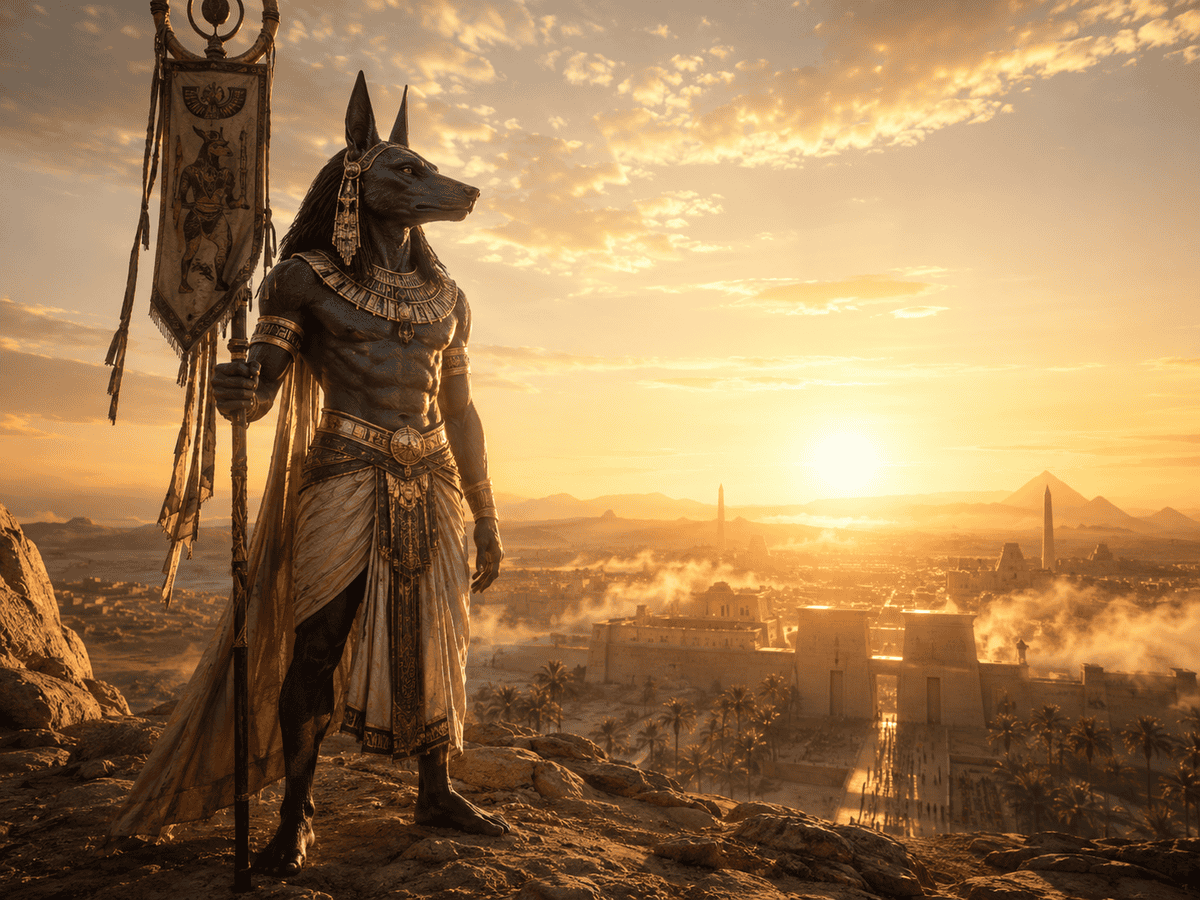
Long before Anubis became widely known, the Egyptian god Wepwawet appeared as a sacred wolf or wolf-headed deity.
His name means “Opener of the Ways.” Wepwawet guided both armies and souls, clearing safe paths before them.
Ancient Egyptians believed he marched ahead of the pharaoh during military campaigns, removing obstacles and ensuring victory.
He also helped guide the dead on their journey into the afterlife. Because of this, temples honored Wepwawet for thousands of years.
His association with guidance, protection, and leadership made him one of Egypt’s oldest canine deities.
Although often confused with jackal gods, Wepwawet retained his own distinct identity and remained deeply respected throughout Egyptian history.
3. The Capitoline Wolf Became the Mother of Rome
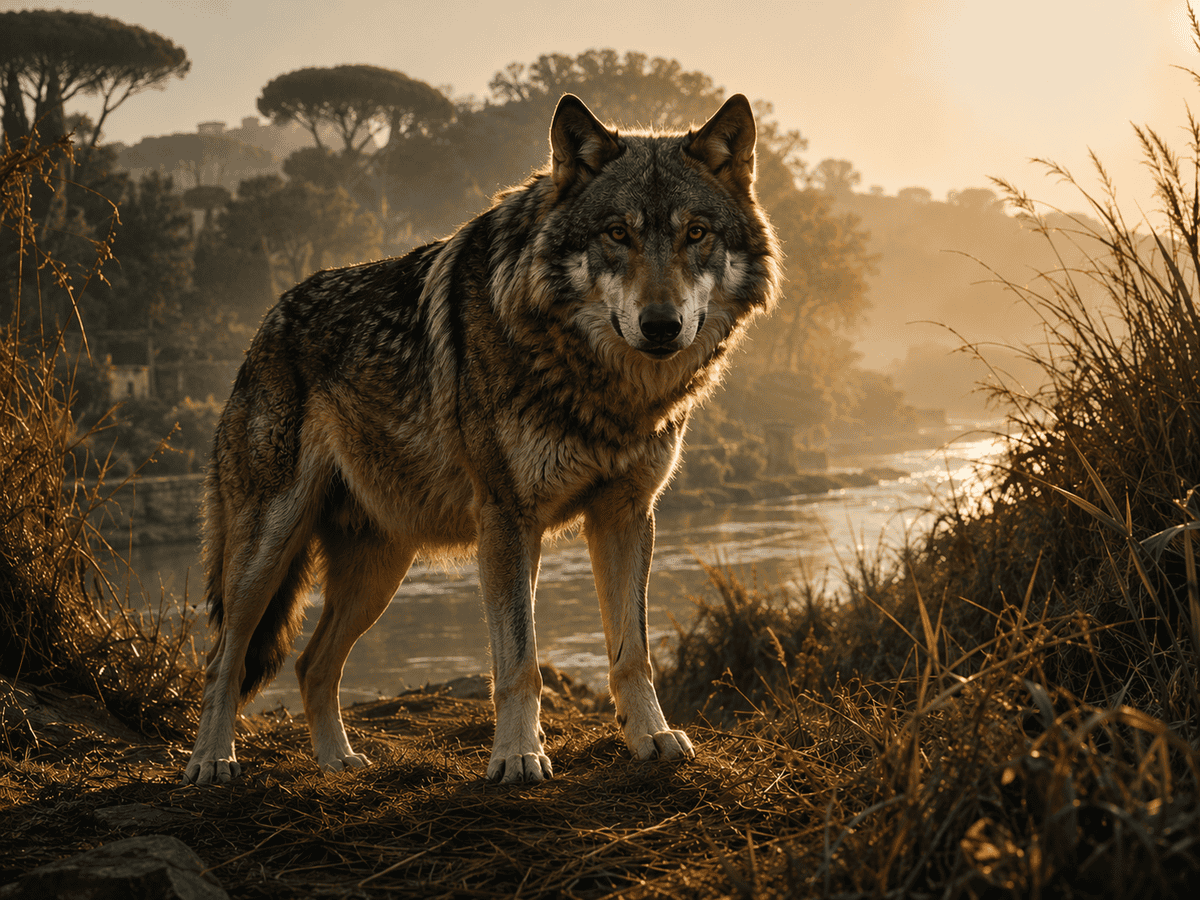
Few wolves influenced history as profoundly as the legendary she-wolf that rescued Romulus and Remus.
According to Roman tradition, the twin brothers were abandoned as infants beside the Tiber River.
A compassionate she-wolf discovered them and nursed them until a shepherd found and raised them.
The twins eventually founded the city of Rome. Because of this story, the wolf became one of Rome’s greatest national symbols.
The famous Capitoline Wolf statue continues to represent the city’s legendary origins.
Rather than symbolizing danger, the she-wolf embodied protection, motherhood, endurance, and destiny.
Romans viewed her with deep respect because she preserved the lives of the founders of one of history’s greatest civilizations.
4. Amarok Ruled the Arctic Wilderness
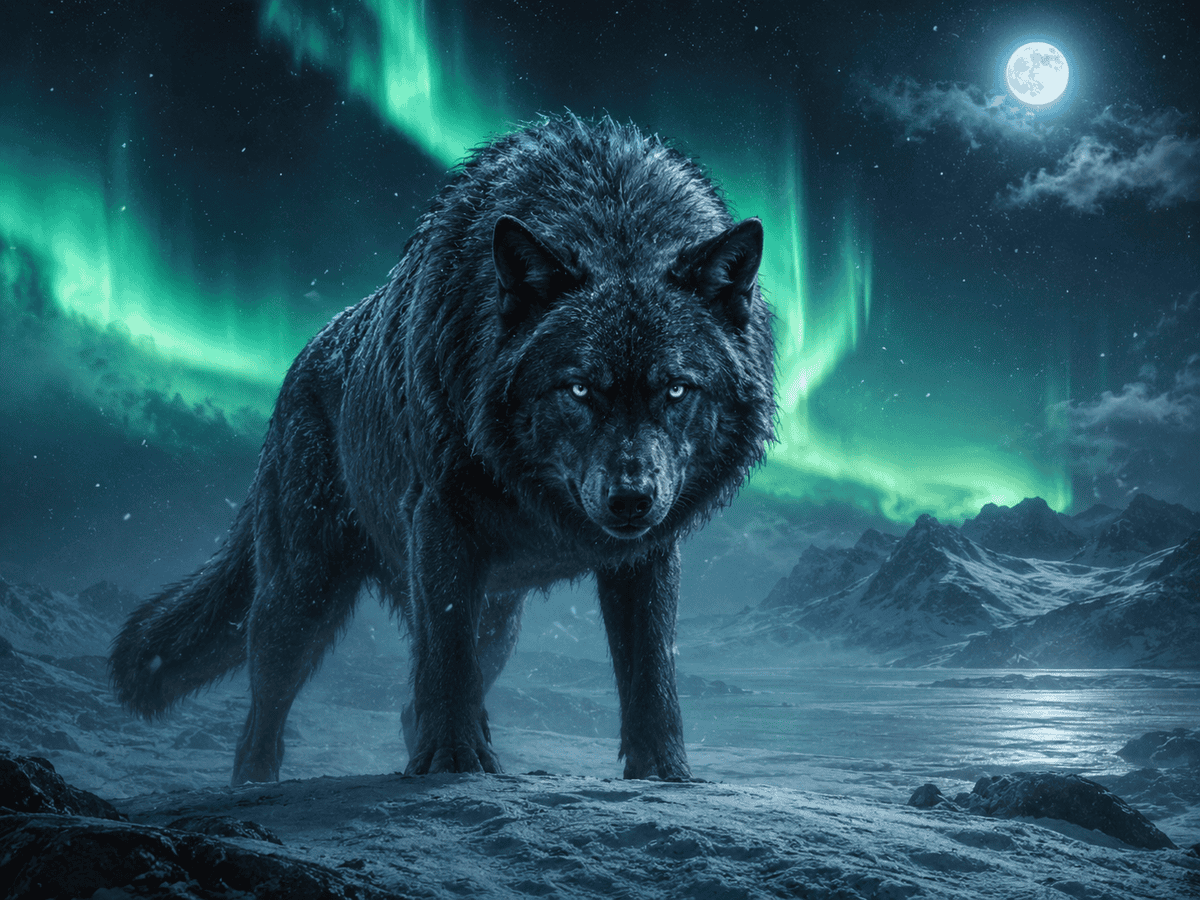
Among Inuit traditions, Amarok was a gigantic wolf that lived alone across the frozen wilderness.
Unlike ordinary wolves that hunt in packs, Amarok was believed to travel by itself. The creature was both feared and respected.
Some stories describe Amarok hunting people who wandered alone at night or ignored the wisdom of their communities.
Other traditions portray the wolf as maintaining balance by eliminating weak animals and preserving healthy herds.
The wolf reminded people that survival in the Arctic required humility, caution, and respect for the environment.
Its enormous strength made it one of the most awe-inspiring creatures in northern mythology.
5. Asena Became the Sacred Mother of the Turks
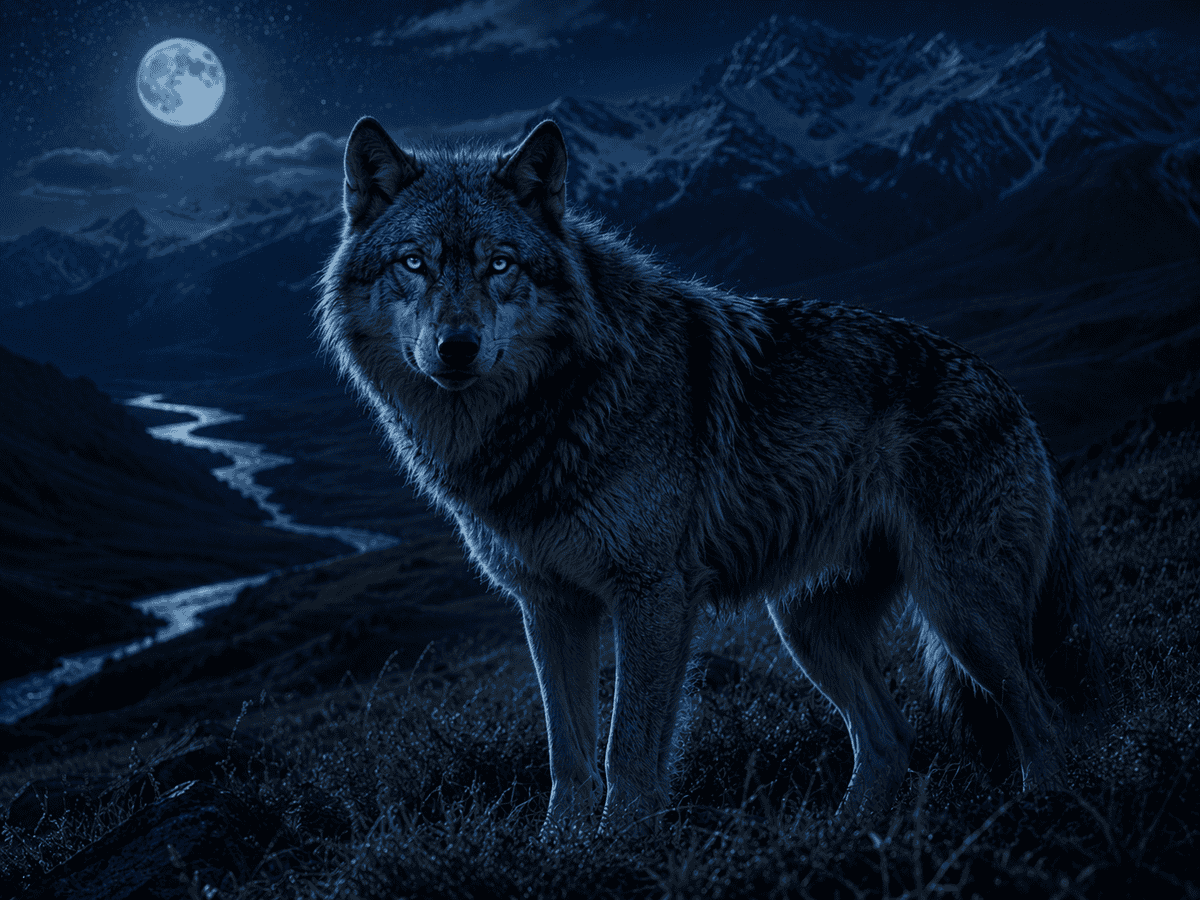
Turkic mythology honors one of history’s most important sacred wolves.
Asena was a legendary she-wolf who rescued an injured young boy after his tribe had been destroyed.
She protected him, raised him, and eventually became the ancestor of future Turkic peoples.
Because of this origin story, the gray wolf became a powerful national and spiritual symbol throughout Central Asia.
Ancient Turkic rulers sometimes traced their ancestry back to Asena herself. The wolf represented courage, survival, and renewal.
Rather than being feared, Asena became a symbol of hope and new beginnings.
Her story continues to occupy an important place in Turkic cultural traditions today.
6. The Wolves of Odin Served the All Father
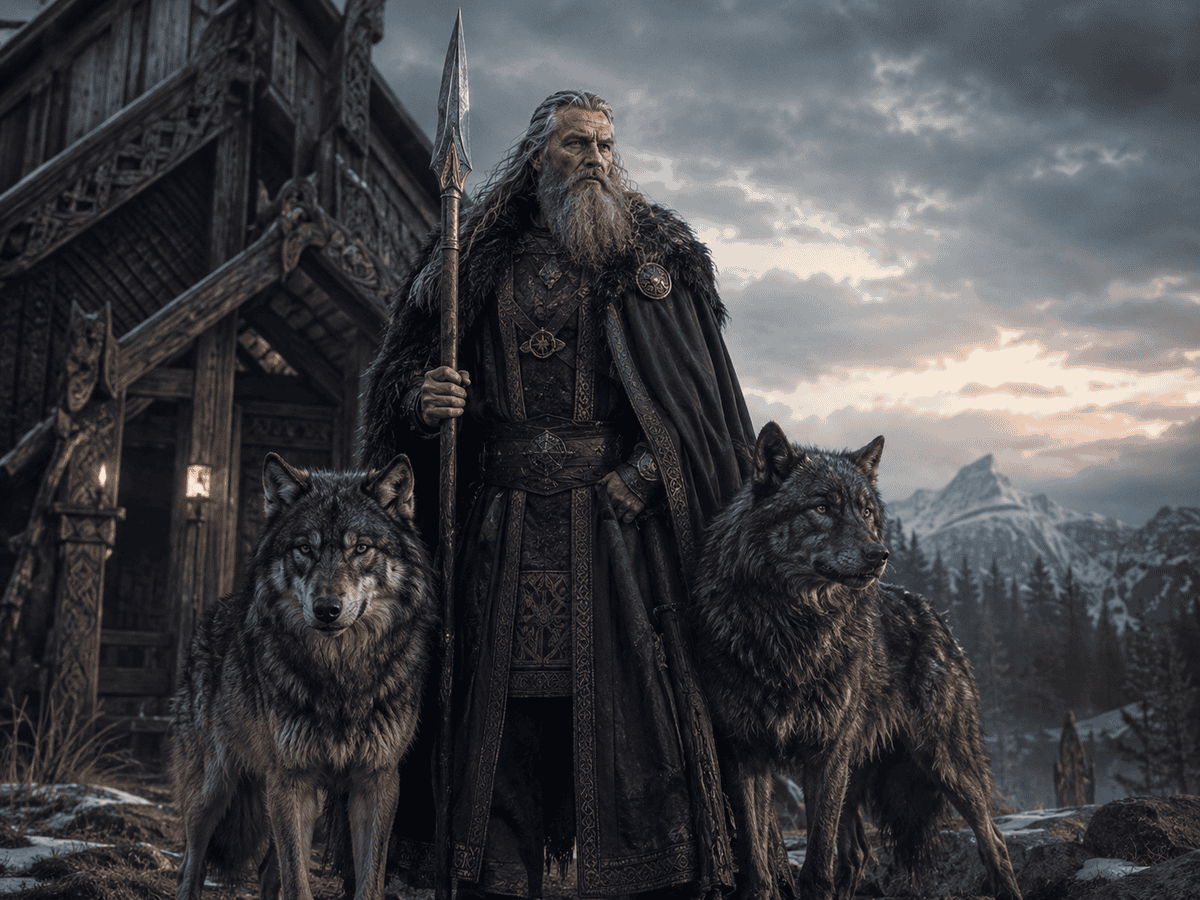
Norse mythology includes two loyal wolves who accompanied Odin wherever he traveled.
Their names were Geri and Freki, meaning “Greedy” and “Ravenous.” Unlike Fenrir, these wolves faithfully served the king of the gods.
Ancient poems describe them sitting beside Odin as he shared his food with them while surviving on wine alone.
The pair symbolized loyalty, strength, and the close bond between warriors and wolves.
Because Odin himself was associated with wisdom, battle, and magic, his companions inherited a sacred status as well.
Their presence emphasized that wolves were not merely wild predators.
7. The Japanese Wolf Was Seen as a Mountain Guardian
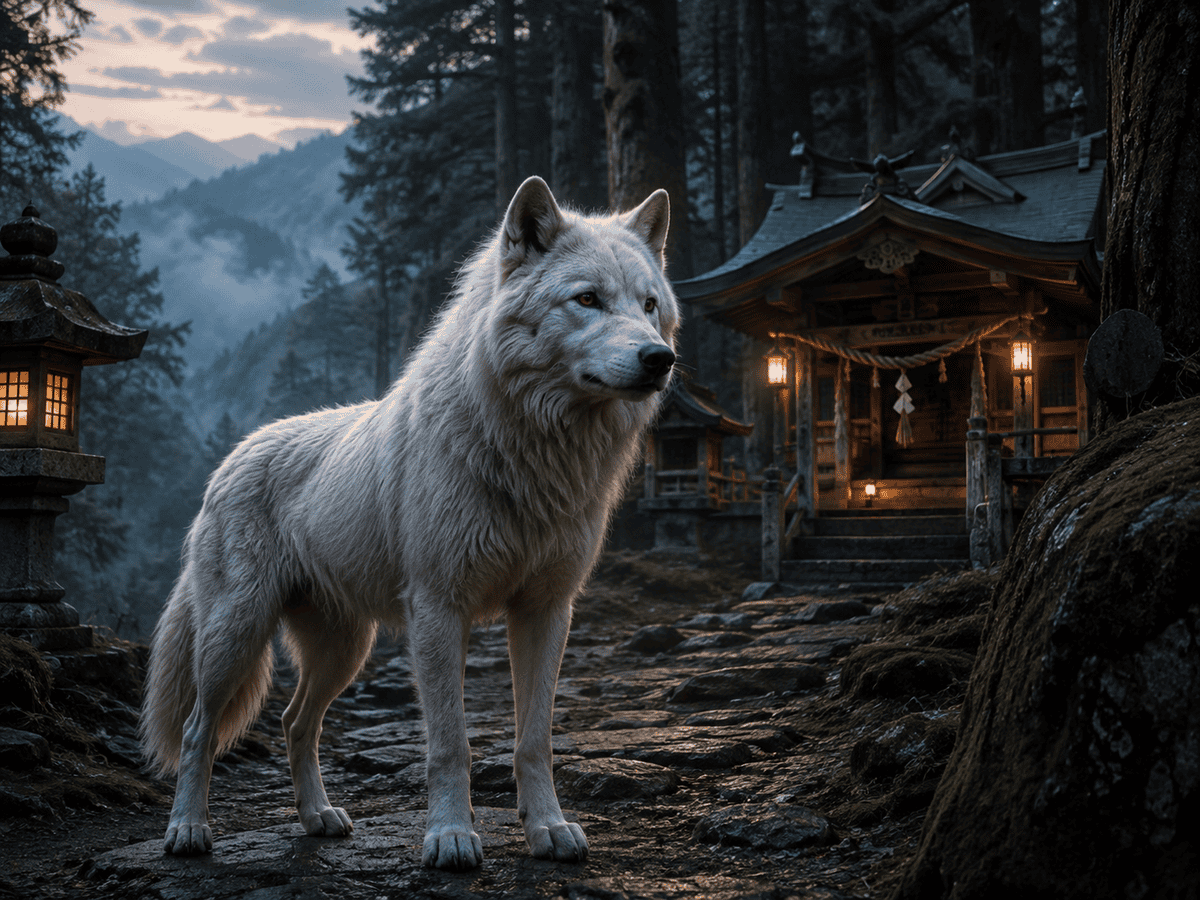
For centuries, wolves held a sacred place in Japanese folk religion.
Known as Ōkami, wolves were believed to protect forests, mountains, travelers, and farms.
Rather than fearing them, many rural communities honored wolves as guardians who kept harmful animals away from crops.
Shrines dedicated to wolf spirits appeared throughout Japan. People sometimes left offerings seeking protection from disasters.
Although the Japanese wolf became extinct in the early twentieth century, its spiritual legacy survives.
Many shrines continue to preserve traditions honoring these remarkable animals.
The wolf remains a respected symbol of guardianship and harmony between humanity and nature.
8. The Celtic Wolf Was a Guide Through the Wild
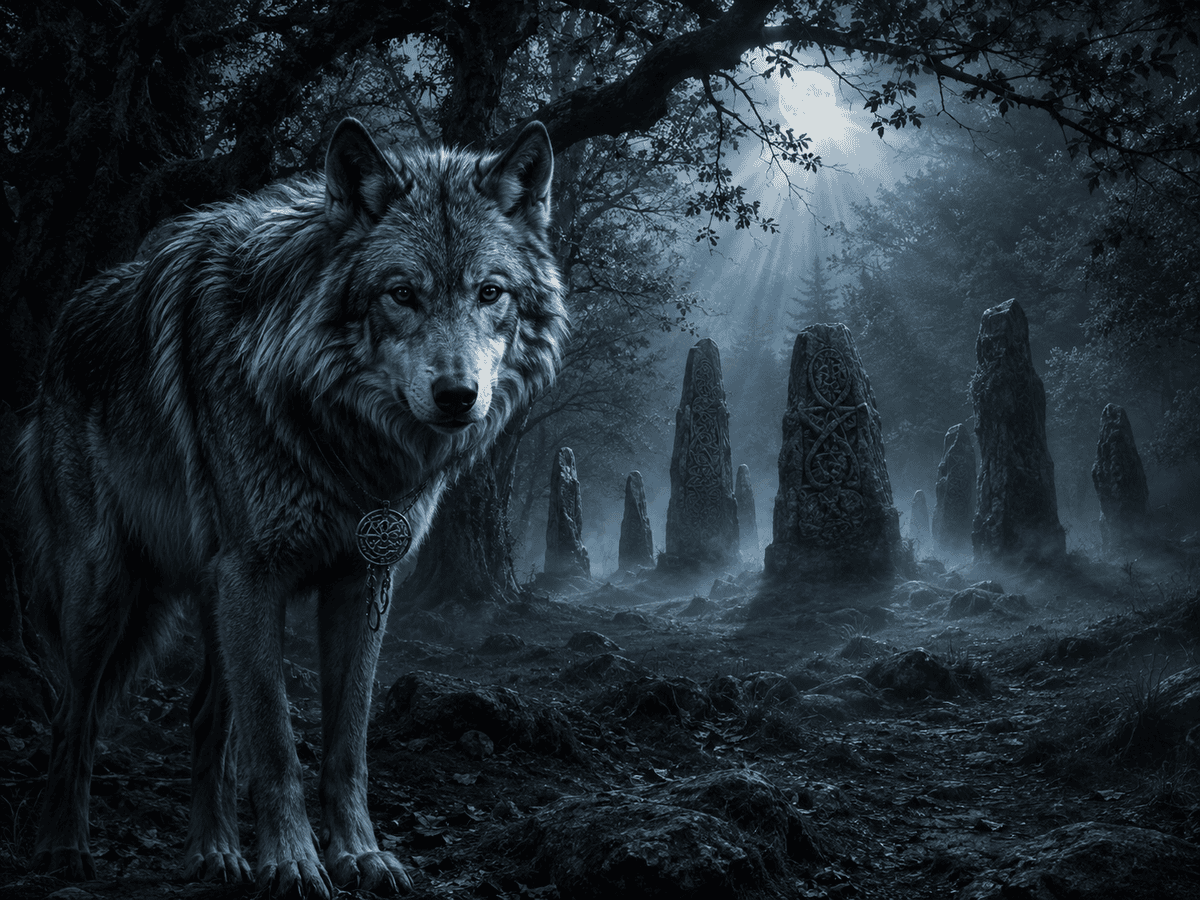
Among several Celtic traditions, wolves represented wisdom, independence, and survival.
Certain warrior groups admired wolves for their intelligence and courage.
Some stories connected wolves with forest deities and guardians of sacred lands.
Because wolves traveled confidently through wilderness that humans often feared, they became symbols of guidance and hidden knowledge.
Hunters respected the animal’s remarkable instincts and cooperation within the pack.
Rather than viewing wolves simply as enemies, many Celtic communities recognized their importance within nature.
Legends often portrayed wolves as protectors of ancient forests and companions of powerful supernatural beings.
Their connection with the untamed landscape gave them an almost sacred presence.
9. The Mongolian Blue Wolf Became an Ancestor of Nations
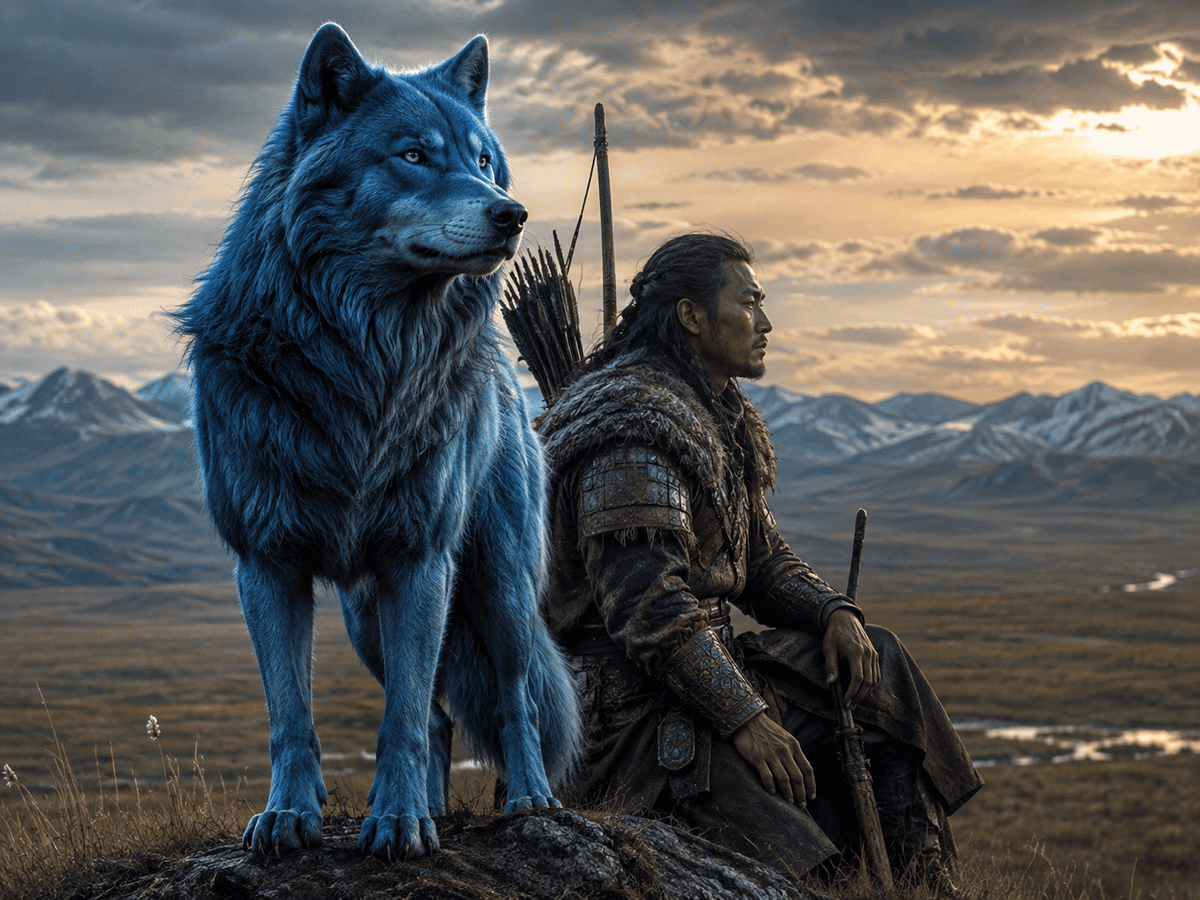
According to one of Mongolia’s oldest legends, the people descended from a Blue Wolf and a White Doe.
This creation story gave the wolf extraordinary importance within Mongolian culture. The Blue Wolf symbolized courage, resilience, and divine favor.
Rather than serving merely as an animal ancestor, the wolf represented the spirit of the people themselves.
Its strength and endurance reflected the challenges of surviving across the vast Central Asian steppes.
Generations of Mongols viewed the wolf with admiration rather than fear.
The legendary ancestor reminded them of their connection to nature, their shared heritage, and their determination to overcome hardship.

Ho sempre sentito una forte connessione con il Divino fin dalla mia nascita. Come autrice e mentore, la mia missione è aiutare gli altri a trovare l'amore, la felicità e la forza interiore nei momenti più bui.