
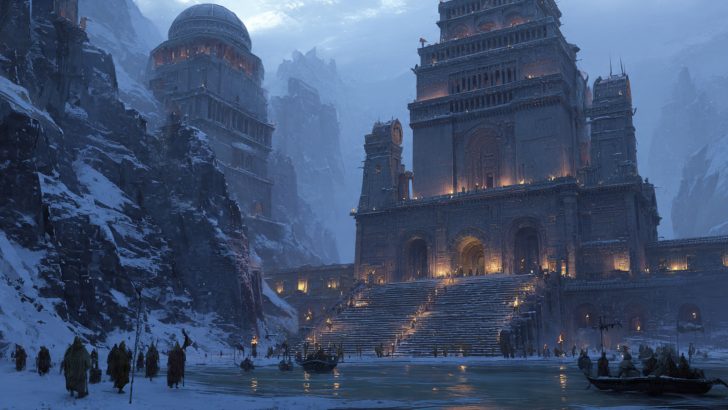
For as long as history remembers, we have been fascinated by the idea of lost cities, those mysterious places filled with treasures e conoscenza nascosta.
Some of these cities are based on myths and legends, while others allegedly have roots in real civilizations that vanished without a trace.
They continue to stir imaginations, inspiring explorers, scholars, and conspiracy theorists alike!
1. Thule
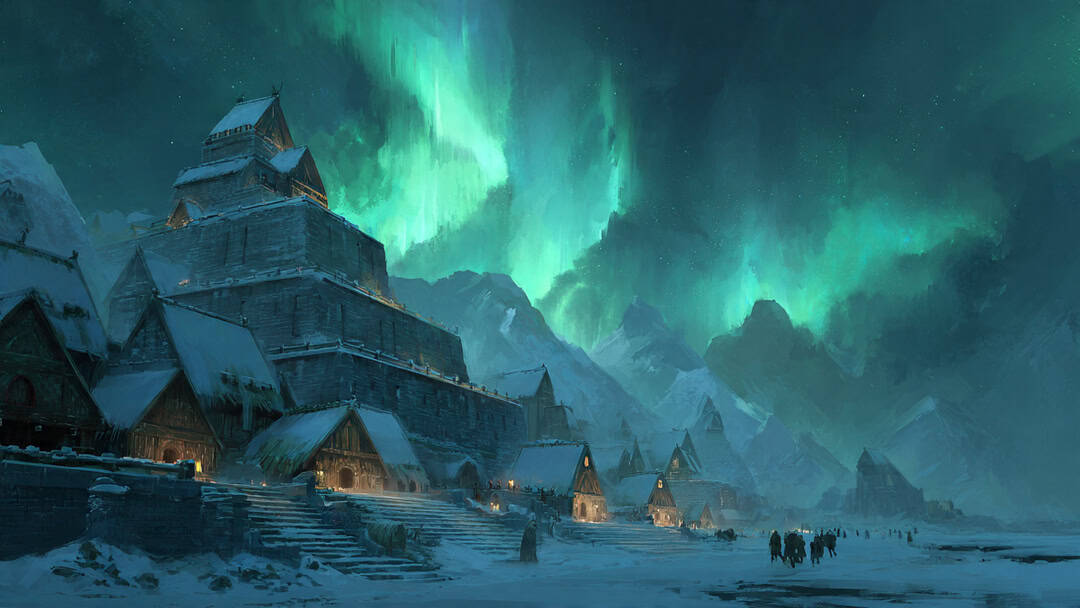
In ancient texts, Thule is described as the land in the farthest north, a place beyond the known world.
The Greeks mentioned it as a distant, cold land, possibly in Scandinavia or Iceland. It’s also rumored to be located in the Arctic.
Some believe Thule was a real place, inhabited by a lost civilization with advanced knowledge. Others see it as a symbol of the unknown, a metaphor of the edge of the world.
Legends suggest Thule held powerful artifacts and lost wisdom from the dawn of humanity.
Its supposed location in the Arctic makes finding any proof impossible, which continues to fuel speculation.
Over time, Thule became a myth of the ultimate northern paradise, a mysterious land that now only lives in legends.
2. Zerzura
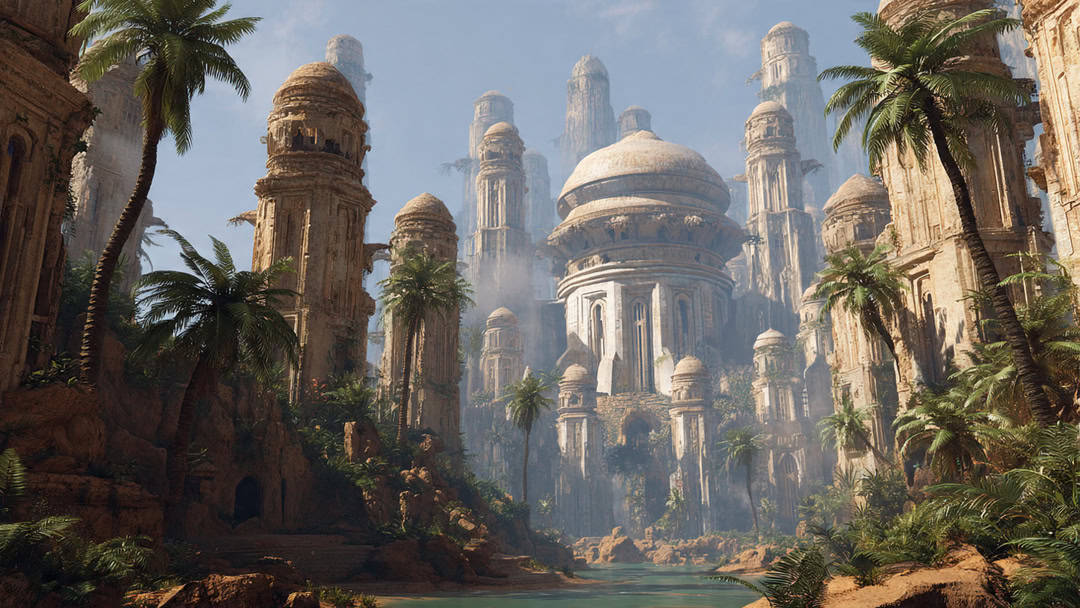
Zerzura is a legendary Saharan city, said to be an oasis full of riches and life, and hidden deep in the desert.
First mentioned by explorers in the 19th century, stories describe Zerzura as the lost city of gold, guided by ancient creatures and spirits.
Some believe it was a real city that thrived in medieval times. They imagine it as a trading hub that connected Africa and the Middle East.
There were actual expeditions, but no concrete proof of the city’s existence ever came to light.
Believers suggest it might have been destroyed by a sandstorm or war, or simply swallowed by the desert!
Either way, the legend of Zerzura lives on.
3. Atlantis
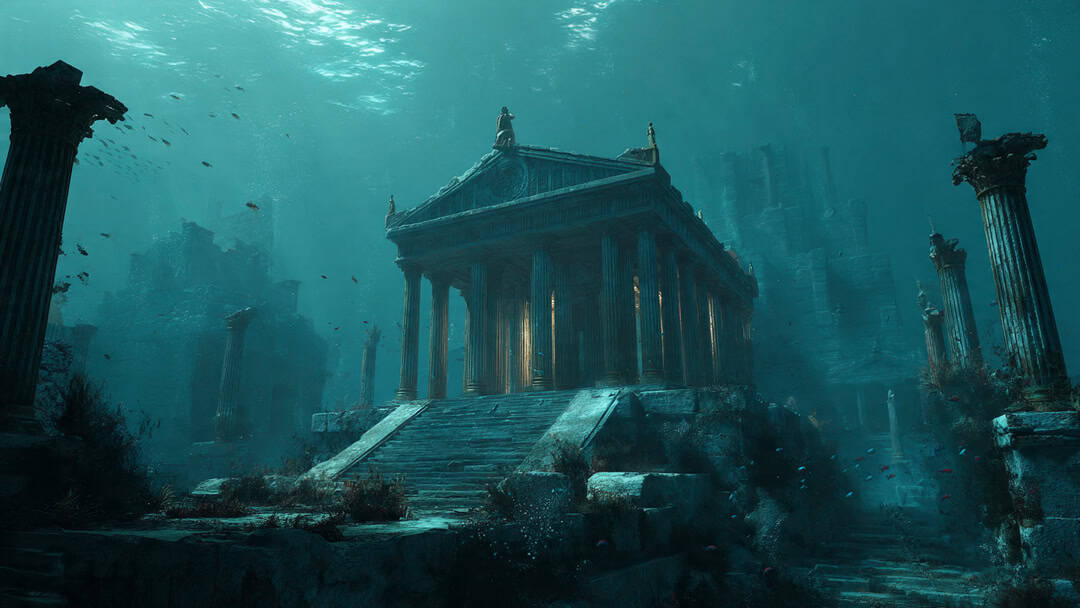
Atlantis is the most famous lost city, popularized by Plato as a mighty empire that sank beneath the waves.
It’s depicted as a utopia of advanced technology and a perfect, wealthy society.
The legend hints at a civilization that became morally corrupt, leading to its downfall through divine punishment.
There were numerous attempts to place Atlantis in a concrete location, from the Atlantic Ocean to the Mediterranean, and even the Caribbean.
Some believe it was a real place, destroyed by a tsunami o volcanic eruption. Other see the lost city as a metaphor for human pride.
No definitive proof exists, and still, its legend continues to warn against the danger of human excess.
4. Shambhala
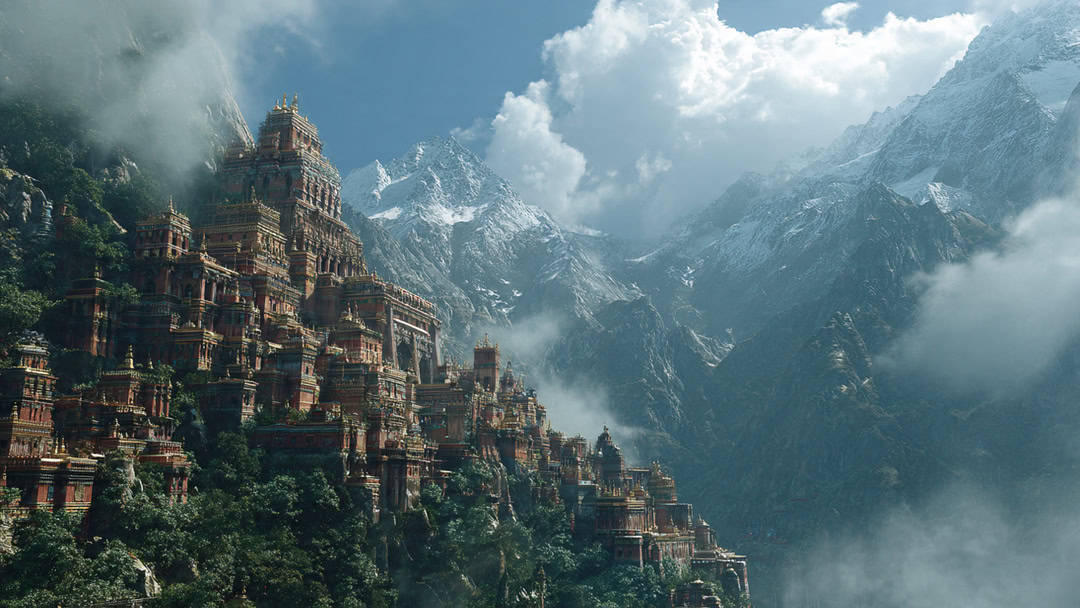
Shambhala is a legendary Himalayan city, rooted in Tibetan Buddhism. It’s believed to be a pure land of peace and enlightenment.
According to tradition, it’s a hidden kingdom, located somewhere in the mountains, accessible only to those with pure hearts and wisdom.
Legends describe it as a place that houses cosmic knowledge and divine beings. Some even interpret it as an inner state of consciousness, rather than an actual place.
Between 1920 and 1940, several expeditions searched for any proof of the lost city, but nothing was ever found.
However, the deep lore of Shambhala continues to influence esoteric traditions.
The city represents the ideal of spiritual awakening and the hope that a perfect society might exist.
5. Hyperborea
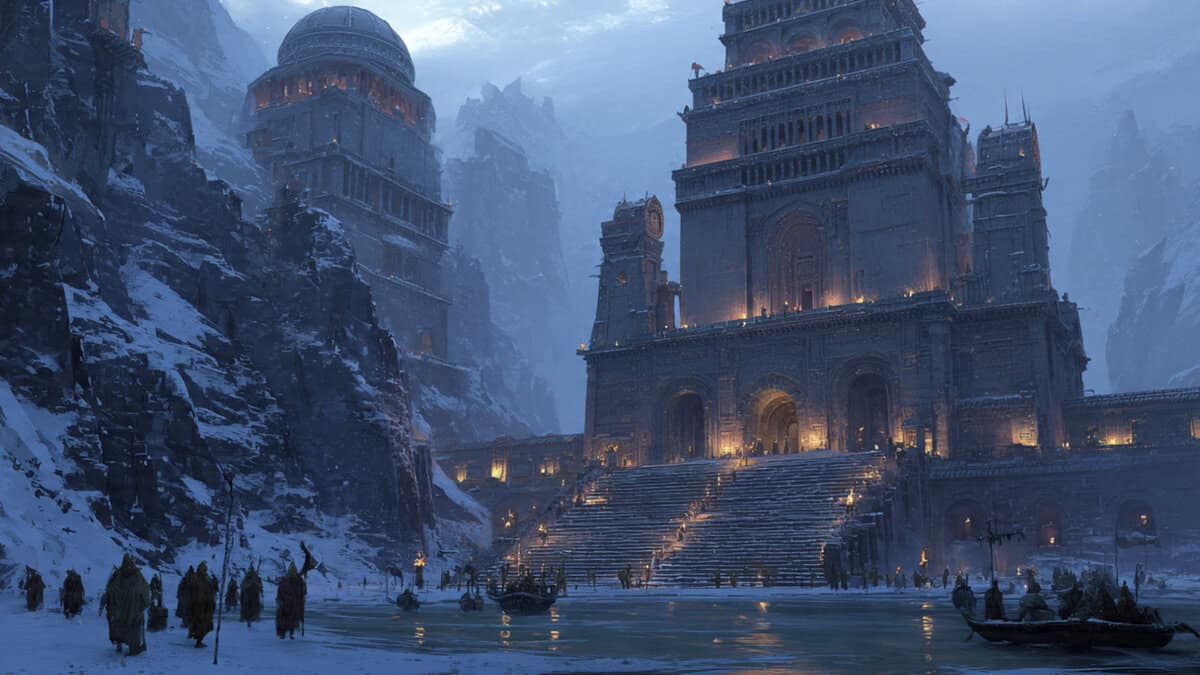
Hyperborea is an ancient Greek myth about a land beyond the North Wind, inhabited by blessed people who enjoyed eternal spring.
The Greeks described it as a paradise of peace, where life was always idyllic.
Modern pseudohistory links this lost city to ancient Slavs, but this is only rooted in the artistic paintings of Vsevolod Ivanov, and is essentially considered modern fiction.
Some believe Hyperborea was a real Arctic continent that sank or was lost due to dramatic climate change.
Others see it as a spiritual symbol, representing a utopian society.
Modern theories also connect Hyperborea to Atlantis.
Its existence remains unproven, but it continues to inspire art and new theories.
6. El Dorado
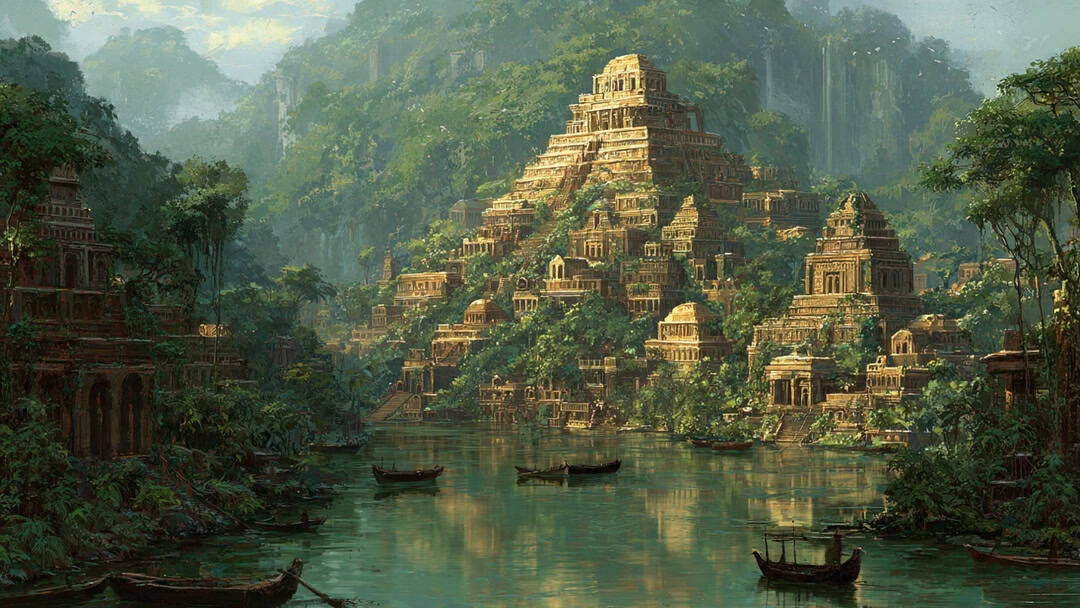
El Dorado is the legendary city of immense wealth hidden deep in the jungles of South America.
Early explorers heard tales of a king covered in gold dust, whose riches were so vast they shimmered like the sun.
Many expeditions sought the lost city of gold, motivated by stories of golden temples and treasure chests.
Some think the myth of El Dorado was created to lure explorers into dangerous jungles, while others claim it was based on real indigenous cities or rituals involving gold.
No real evidence of the city was ever discovered, and it’s believed to have been destroyed in war or simply lost to the jungle.
It persists as a timeless symbol of human greed and the quest for wealth.

A little Aquarius, devoted to writing and embroidery. Through my writing, I hope to empower readers to align with their true selves and navigate life’s mysteries with confidence.