
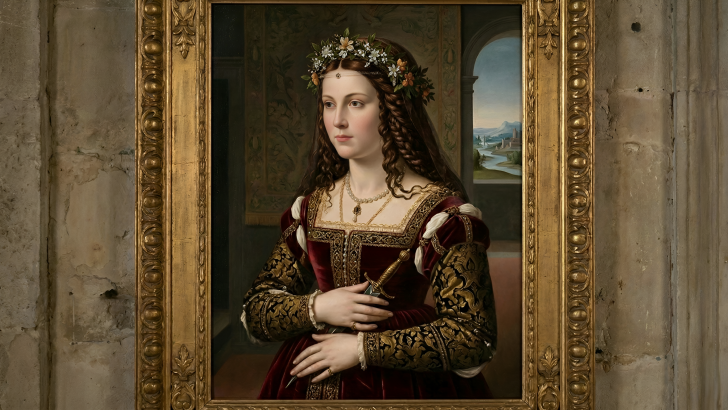
Lucrezia Borgia remains one of the most misunderstood women of the Renaissance.
For centuries, her name has been linked to scandal, poison, and ruthless ambition, creating an image shaped more by rumor than by reliable history.
She was born into the powerful Borgia family as the illegitimate daughter of Rodrigo Borgia, who later became Pope Alexander VI.
Living at the center of Italian politics during a time of constant intrigue, shifting alliances, and violent power struggles, Lucrezia’s life was never simple or safe.
Many stories portrayed her as dangerous and manipulative, yet modern research suggests she was often a victim of the ambitions around her.
These five facts explore the real Lucrezia Borgia, revealing a figure shaped by power, politics, and the difficult role of a woman born into one of the most controversial families in European history.
1. She Was Born Into Power but Had Little Control Over Her Life
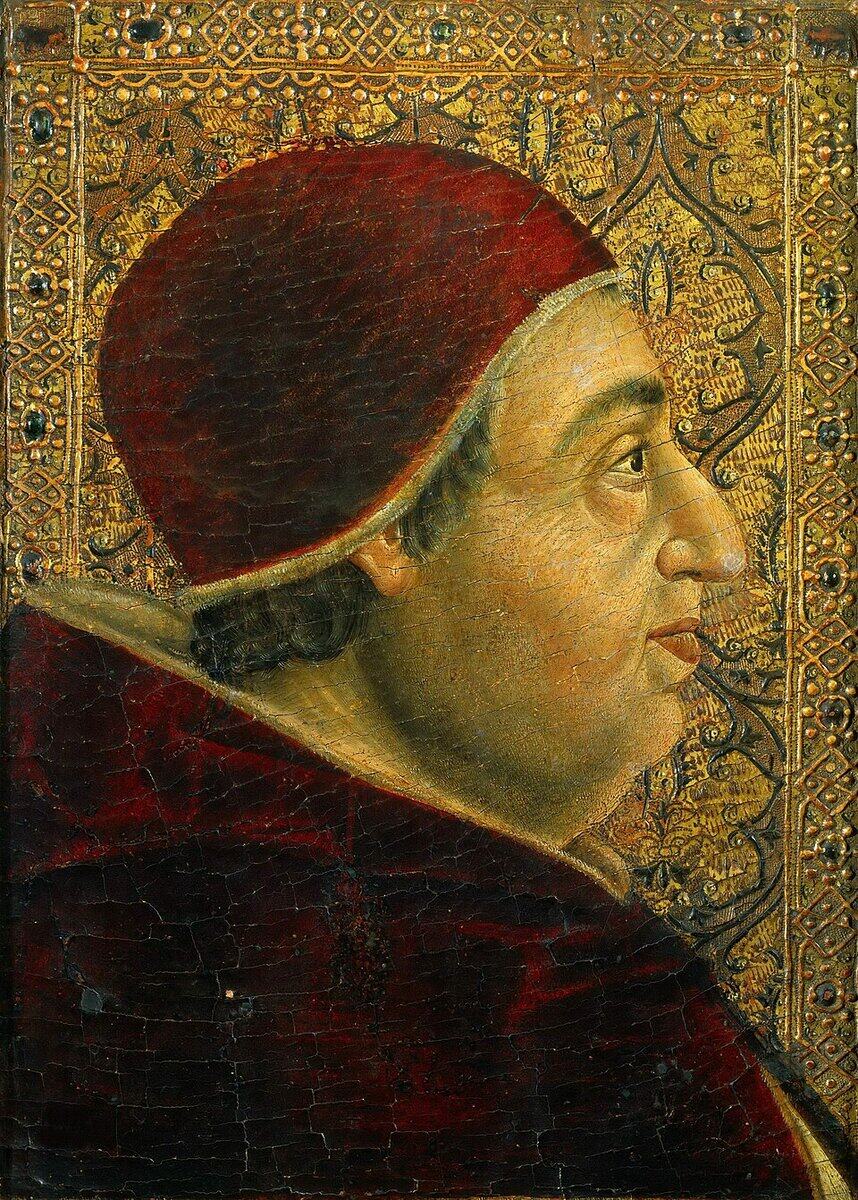
Lucrezia Borgia was born in 1480 in Subiaco, Italy, during a time when family connections determined a person’s future.
Her father, Rodrigo Borgia, rose quickly in influence and later became Pope Alexander VI, placing the family at the center of political power.
Although Lucrezia was born outside marriage, she was openly recognized and given an excellent education.
She learned Latin, Italian, French, music, poetry, and the social skills required at royal courts.
Despite these advantages, her life was shaped entirely by the ambitions of her father and brother, Cesare Borgia.
From an early age, she was used as a political asset, with her marriages arranged to strengthen alliances and increase Borgia influence across Italy.
Personal happiness was never the priority. She moved between courts, faced constant scrutiny, and lived under the pressure of representing her family’s interests.
While later stories portrayed her as powerful and manipulative, the reality was that she had very limited control over her own destiny during her early years.
Her position brought luxury and education, but it also meant living in a world where her value was measured by political usefulness rather than personal choice or independence.
2. Her Marriages Were Strategic Tools in Dangerous Power Games
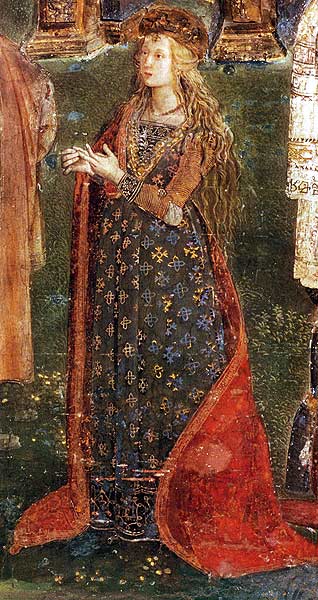
Lucrezia was married three times, and each marriage reflected the shifting political landscape of Renaissance Italy.
Her first marriage to Giovanni Sforza was arranged to secure an alliance with the powerful Sforza family.
When the alliance was no longer needed, the marriage was annulled, and Giovanni later spread damaging accusations to protect his own reputation.
Her second marriage to Alfonso of Aragon initially strengthened ties with Naples, but when political priorities changed, he became a liability.
Alfonso was attacked and later killed, widely believed to have been ordered by Cesare Borgia. Rumors later suggested Lucrezia was involved, but there is no reliable evidence.
Her third marriage to Alfonso d’Este, heir to the Duchy of Ferrara, finally brought stability.
Even this match was arranged carefully to improve the Borgia family’s standing among the powerful Italian states.
Through these marriages, Lucrezia experienced betrayal, loss, and constant uncertainty.
Rather than being a mastermind behind political schemes, she was often caught in dangerous power struggles controlled by others.
Her survival through these turbulent years shows resilience and adaptability in a world where alliances changed quickly, and personal safety was never guaranteed.
3. The Dark Reputation of Poison and Crime Was Likely Propaganda
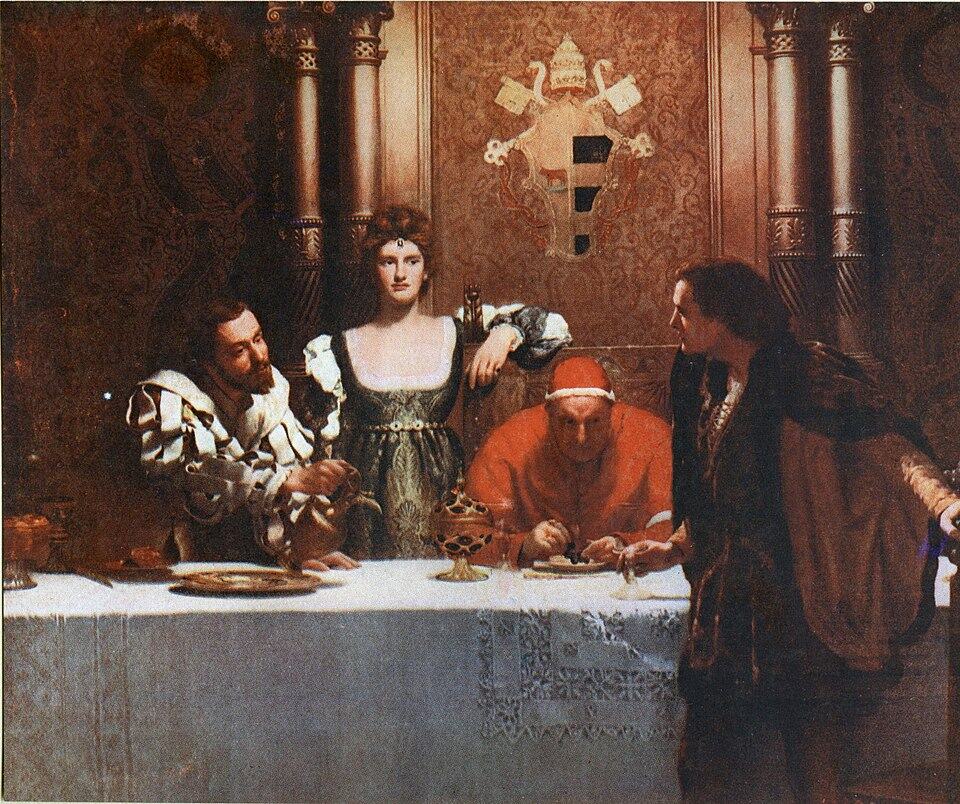
One of the most famous legends about Lucrezia claims she carried a hollow ring filled with poison, which she used to eliminate enemies during secret meetings.
This dramatic image became popular in later literature, theater, and art, turning her into a symbol of beauty combined with danger.
However, historians now believe most of these stories were created by political enemies of the Borgia family.
The Borgias were widely feared and resented, and attacking Lucrezia’s reputation was an effective way to damage the family’s public image.
Renaissance Italy was full of rival families competing for power, and rumor was often used as a political weapon.
Contemporary records show very little evidence connecting Lucrezia personally to acts of violence or poisoning.
Instead, documents describe her acting as a mediator, a hostess for diplomatic events, and a figure involved in administrative responsibilities.
The image of a deadly seductress was shaped more by later imagination than by historical fact.
Over time, these dramatic stories overshadowed her real activities and achievements.
4. She Later Became a Capable and Respected Duchess of Ferrara
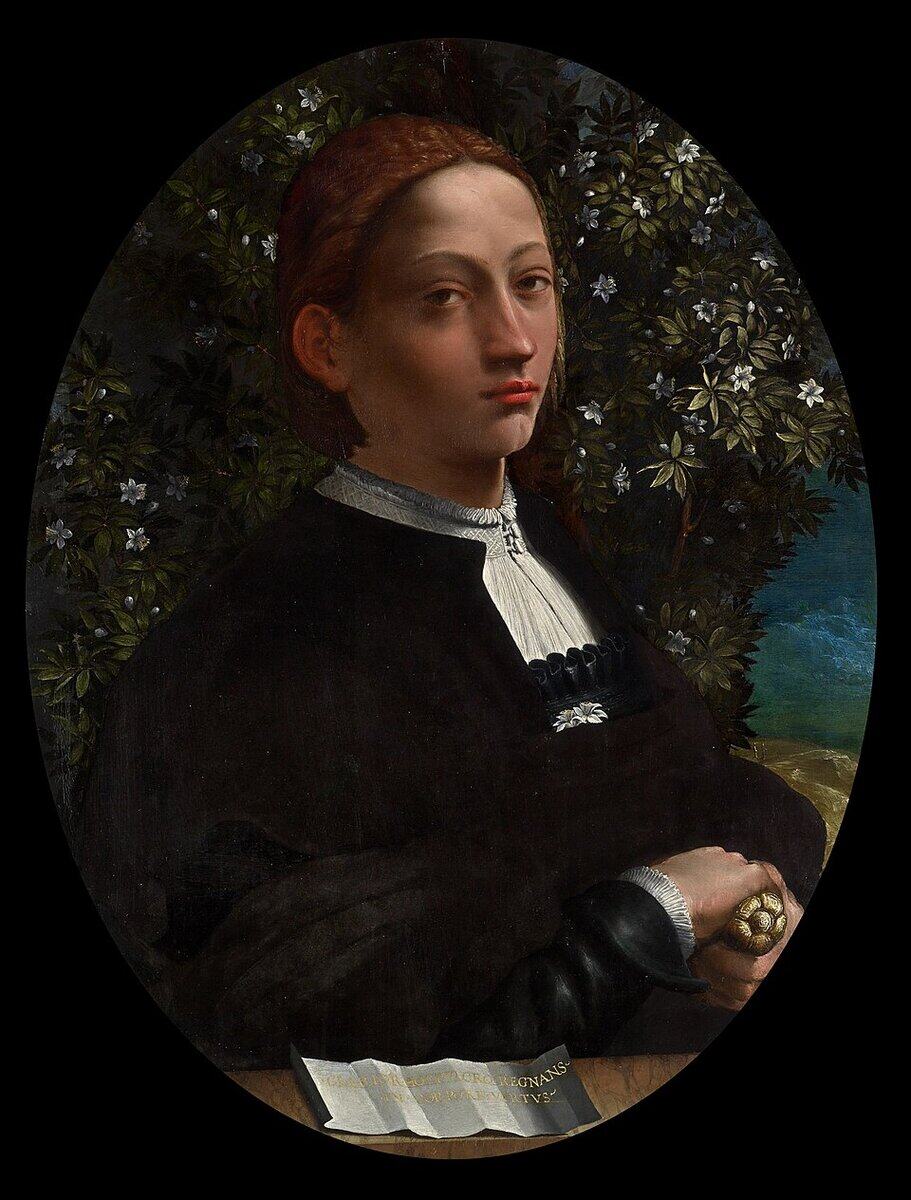
Lucrezia’s life changed significantly after her marriage to Alfonso d’Este and her move to Ferrara.
Away from the intense control of her father and brother, she was able to develop her own role and reputation.
In Ferrara, she embraced her responsibilities as duchess and quickly earned respect from the court and the local population.
When her husband was away on military or political matters, she served as regent, managing government affairs, overseeing finances, and making important administrative decisions.
Contemporary letters and records describe her as calm, intelligent, and politically aware.
She also became an important cultural patron, supporting poets, artists, and scholars who helped make Ferrara a center of Renaissance learning.
Her court was known for elegance, education, and artistic activity. This period of her life shows a strong contrast to the earlier years filled with political manipulation and scandal.
Rather than being remembered as a dangerous figure, she was respected for her leadership, charity, and commitment to her duties.
5. Her Legacy Shows the Gap Between Myth and Historical Reality
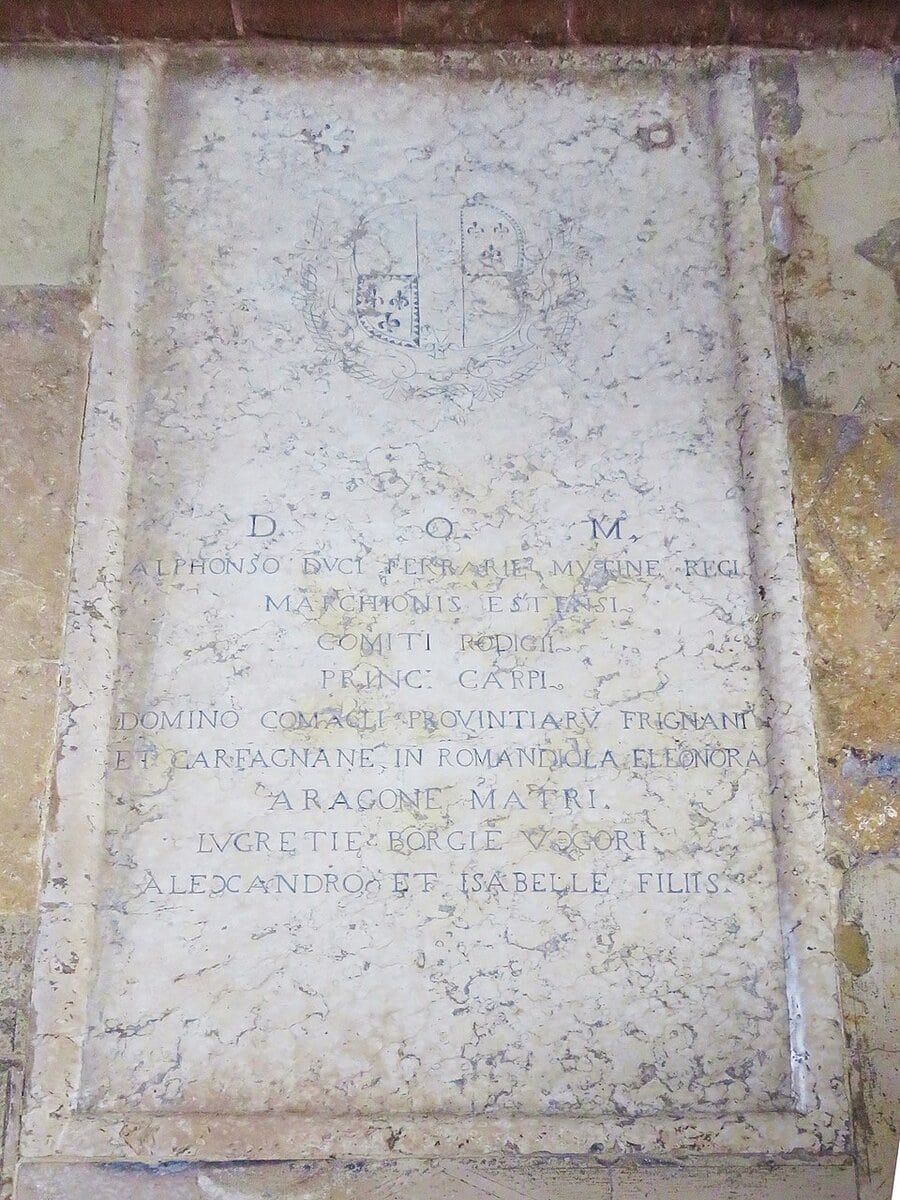
Lucrezia Borgia died in 1519 at the age of thirty-nine, after complications from childbirth.
At the time of her death, she was respected in Ferrara as a devoted duchess, mother, and patron of culture.
However, after the fall of the Borgia family’s power, hostile accounts and dramatic stories began to dominate her legacy.
Writers and artists in later centuries transformed her into a symbol of corruption, seduction, and cruelty, reinforcing the darker myths that had circulated during her lifetime.
These stories became popular because they matched the dramatic image people associated with the Renaissance and with the controversial Borgia name.
Modern historical research, based on letters, official records, and contemporary descriptions, presents a more balanced picture.
Lucrezia appears as a woman who survived political manipulation, adapted to difficult circumstances, and eventually built a respected position through intelligence and diplomacy.
Her life reflects the limited choices available to women in powerful families and the risks of living at the center of political conflict.

Ho sempre sentito una forte connessione con il Divino fin dalla mia nascita. Come autrice e mentore, la mia missione è aiutare gli altri a trovare l'amore, la felicità e la forza interiore nei momenti più bui.