
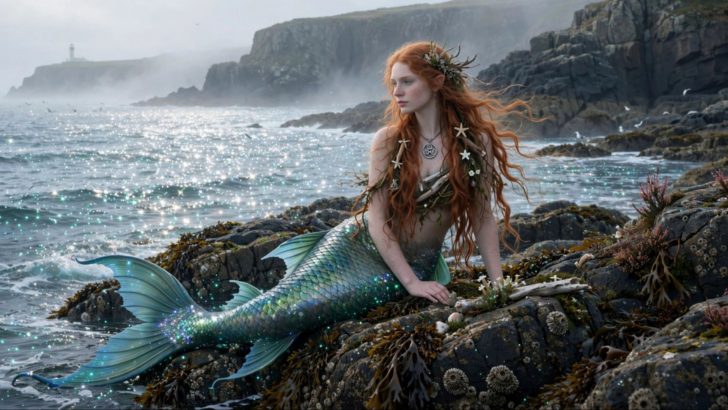
Creatures who are half-human, half-fish have been haunting our imagination since the beginning of time.
Their imagery was carved into temple walls, and sailors spread stories about them all over the world.
They show up in nearly every place that touches water, under different names and roles.
An entire chain of myths describes mermaids! In some, they’re goddesses, in others, they’re monsters.
Either way, they make us long for mystery and adventure!
1. Prehistoric Water Spirits
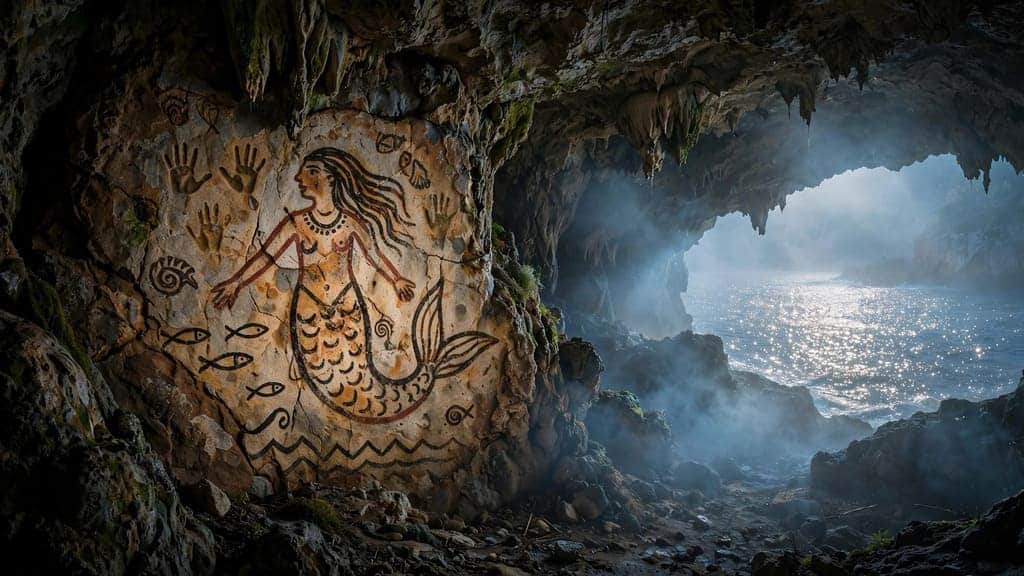
We don’t have the exact timeline for when mermaids were first mentioned, but we do have clues that go very deep into the past.
Prehistoric peoples were obsessed with water because of its divine duality; it has the power to give and take life.
Rivers, lakes, and oceans felt alive and almost conscious! People felt like something truly intelligent lived in those depths, something that watched them back.
Alcuni prehistoric carvings and figurines show hybrid beings, part animal and part human.
To prehistoric people, water was a threshold between the known and the unknown. And we’ve always had the need to give a face to the unknown in an attempt to make it more familiar.
The shape that mermaids were given reflected that incredible duality. They were partly familiar and human, and partly something that belongs to the cold depths.
2. Atargatis
When we speak of the origin of mermaids, most historians point to the ancient Near East.
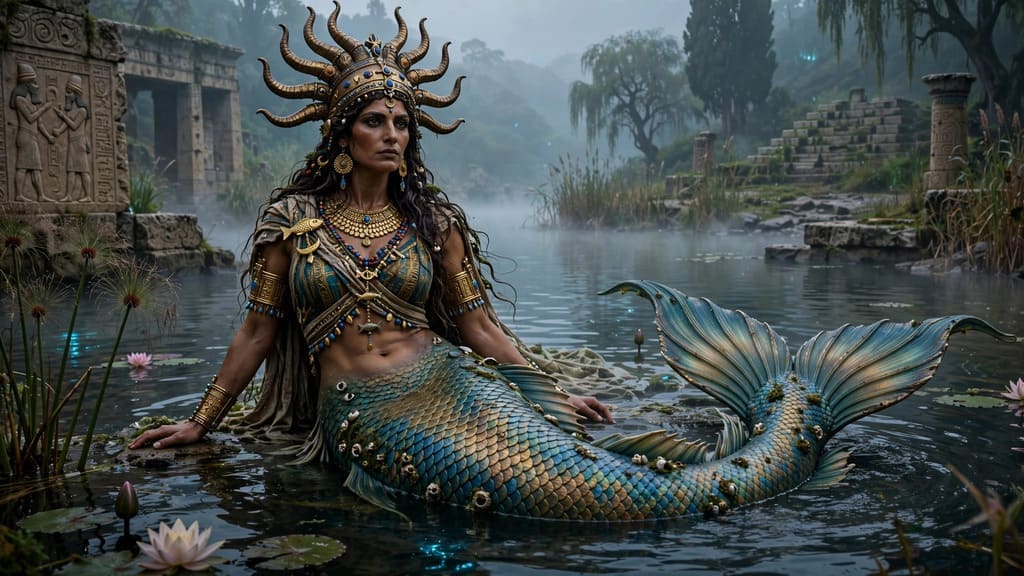
Thousands of years ago, goddess Atargatis was worshipped in Assyria and Syria as a protector of fertility and water.
It’s said that she threw herself into a lake out of shame and came out transformed, her lower body looking like a fish tail.
She is the first documented human-fish hybrid in all of mythology, and her story kind of sets the tone for how we view these mythical women to this day.
Shame, transformation, and exile between the sea and the land have been part of their story ever since.
The Babylonians also believed in Oannes, a fish-tailed being who came from the sea to teach humans writing and agriculture.
It’s clear that they weren’t seen as minor spirits, but as great deities who helped humans build the first civilizations!
3. The Myths of Sirens, Nereids, and Sea Nymphs
Many people think of the Greek mythology when it comes to mermaids, but the original sirens weren’t actually fish-tailed!
They were bird-women who lived on rocky cliffs and lured sailors into shipwrecks with their singing.
Over centuries, this myth blended with other Mediterranean traditions, and the siren slowly gained scales and a tail.
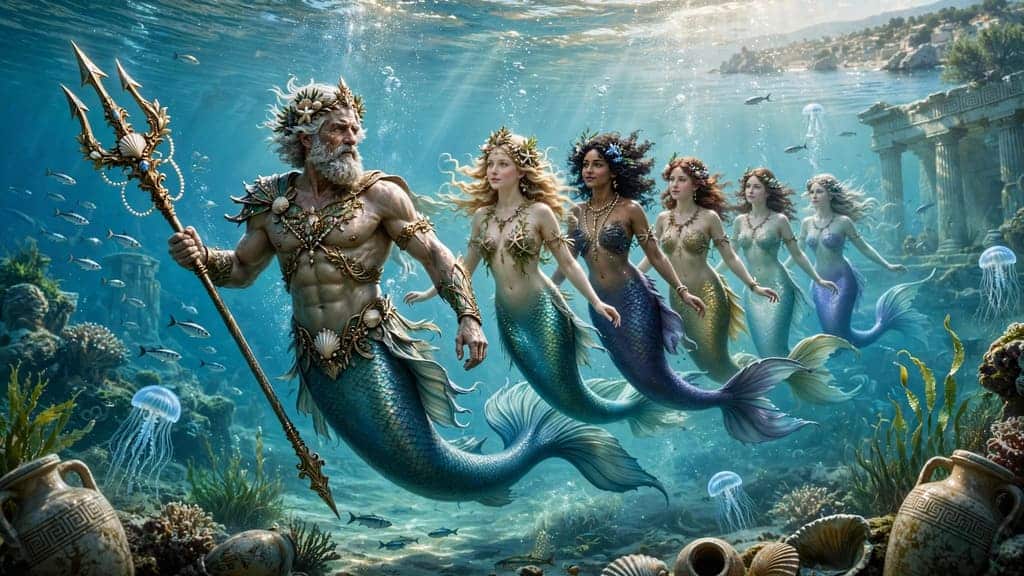
Nereids from the Greek mythology are similar beings. They’re benevolent sea nymphs who guided ships.
According to the myth, there were fifty of them, joined by Triton, the son of Poseidon, who controlled the waves.
Greek sailors respected and feared these beings. The sea was chaotic in itself, so they attempted to contain its nature in the form of a beautiful trickster woman who lured sailors to their death.
This description follows them everywhere. They’re never just pretty, but always dangerous.
They were created as humanity’s attempt to negotiate with something enormous and wild, and survive.
4. Fish-Tailed Gods
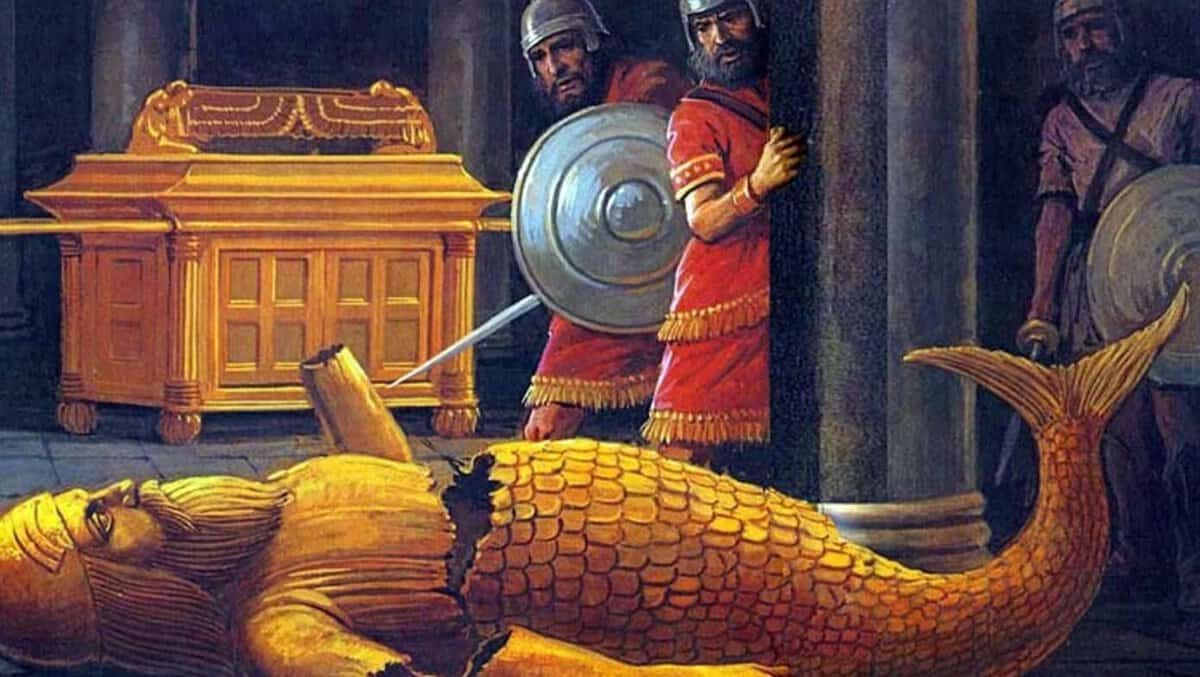
Not all fish-people myths came from one another. Many of them were created independently, across civilizations that had no contact with each other.
C'è Ea or Enki, who was a wise water god, often presented with a fish tail and human torso.
An Indian fish-being Matsya, saved humanity from a great flood.
The Philistines worshipped Dagon, a fish-god, who brought grain and prosperity. He was even mentioned in the Bible as one of the false gods.
In parts of ancient China, people also believed in river deities with aquatic bodies.
Many scholars agree that mermaids reflect something in our psychology. Everywhere in the world, water was the same dangerous, life-giving force.
Giving it a half-human face gave people a concrete figure to appease and worship.
5. The Dragon Connection
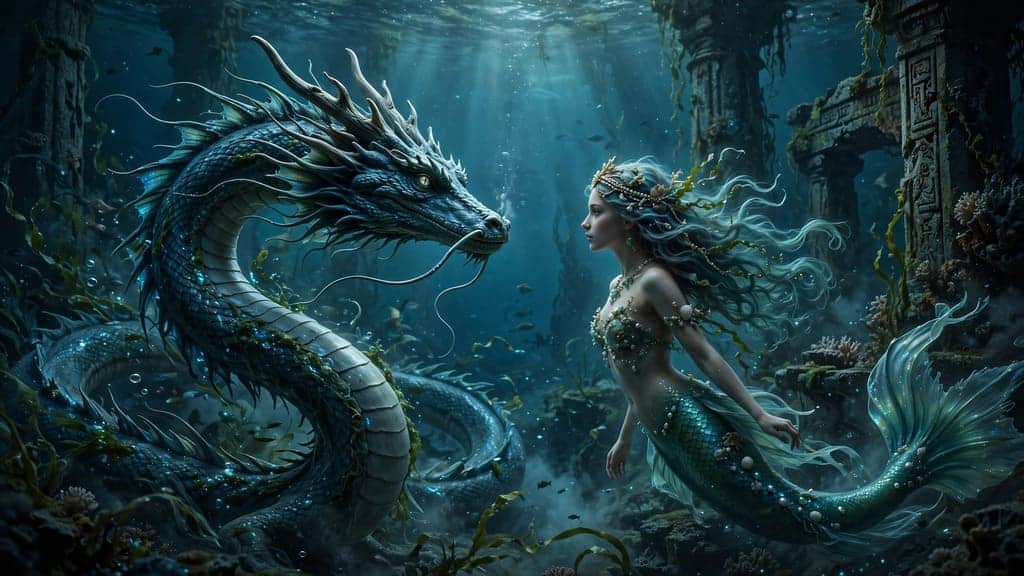
This connection is often overlooked, but throughout mythology, the line between sea-serpents, dragons, and mermaids was often very thin.
They all represented untamed water; they were shape-shifters, living in a liminal space between the land and the abyss.
Melusine is a great example. She’s a creature of European folklore, part human, part serpent, but sometimes, she was depicted with a fish tail.
She became a mythical ancestor of noble families, which tied the mermaid lore directly to power and nobility.
Across East Asia, dragon kings ruled in underwater palaces, and their helpers or daughters frequently had fish tails.
Mystery also connected these two beings. They both punished the greedy and the curious, and guarded holy secrets.
6. Temptress from the Deep
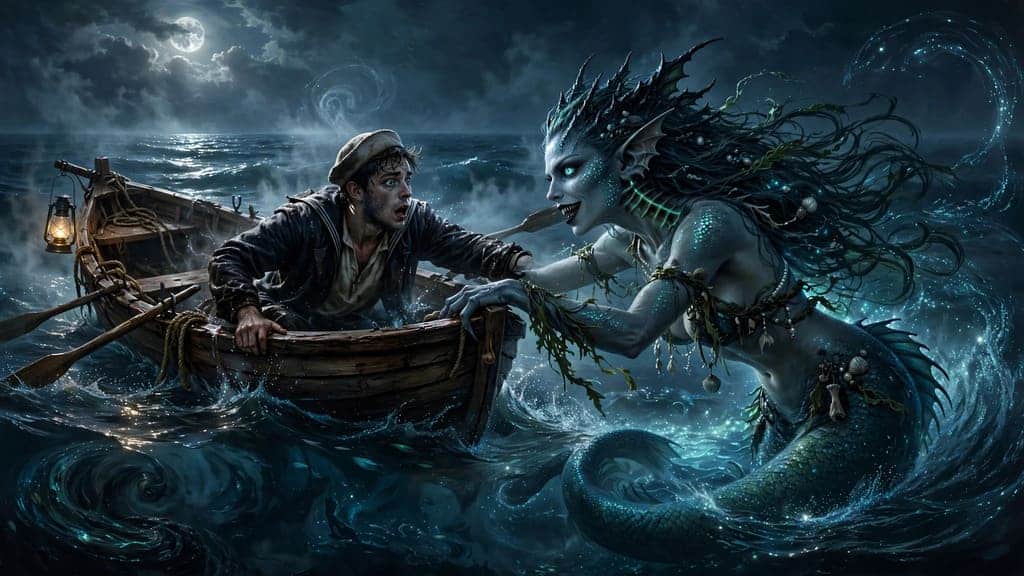
By the Middle Ages, the view of mermaids (d)evolved together with the view of women.
They were no longer divine teachers or demons who protected their space, but temptresses.
European sailors, map-makers, and monks filled bestiaries with warnings about the beautiful half-fish women who seduced men and drowned them in the depths.
The creature became a symbol of temptation, often compared to vanity, sin, and the seductive dangers of the flesh. This is why they’re often presented with mirrors and combs.
Sailors swore they had seen them, and these sightings were considered a very bad omen.
This era gave the creature her most enduring reputation: gorgeous and never to be trusted!
Another reason this myth was revived in the Middle Ages was all the esplorazione.
People traveled unknown waters more than ever before, so the myth became very relevant once more.
7. Mermaids Around the World
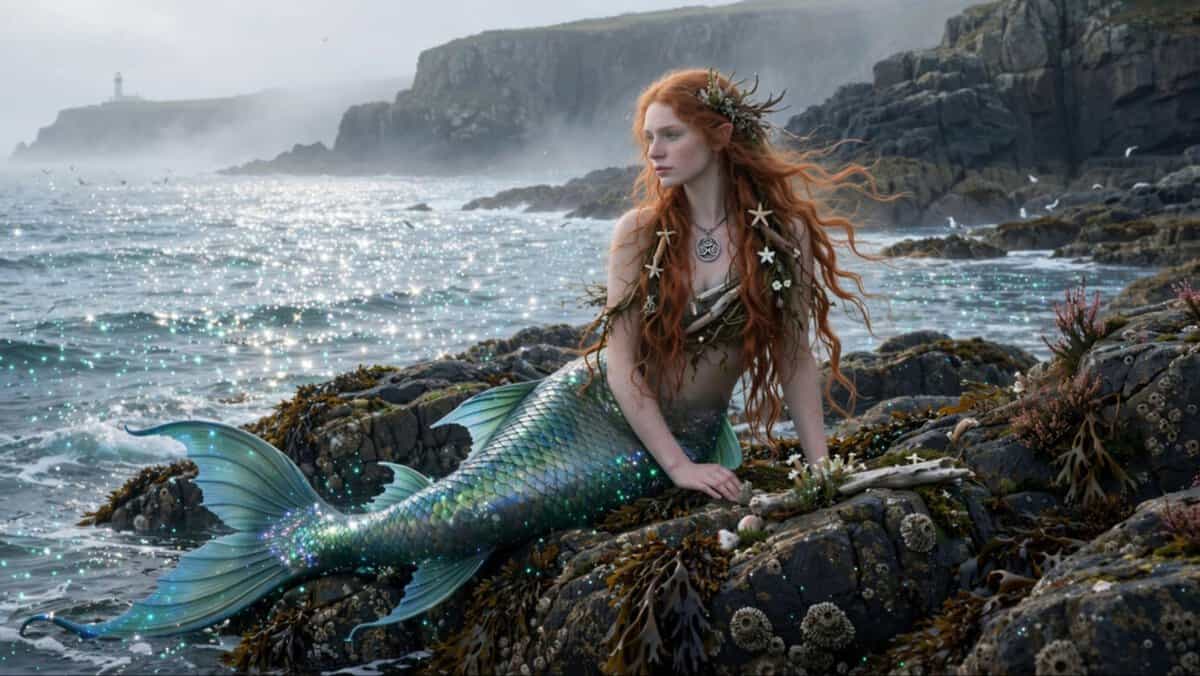
In Japanese mythology, there’s a creature named ningyo, who was essentially a fish with a human face.
It was believed that catching it would bring you sfortuna, but at the same time, consuming it could grant eternal life.
In Ireland and Scotland, there were merrows, who sometimes married humans after losing a magical cap that let them return to the sea.
West African and Caribbean traditions spoke of Mami Wata, a powerful water spirit associated with beauty, healing, wealth, and danger.
It’s fascinating how differently all these cultures approached mermaids.
It tells us that this myth wasn’t spread around the world like a rumor, but that it originated in different places at once.
8. Rusalki
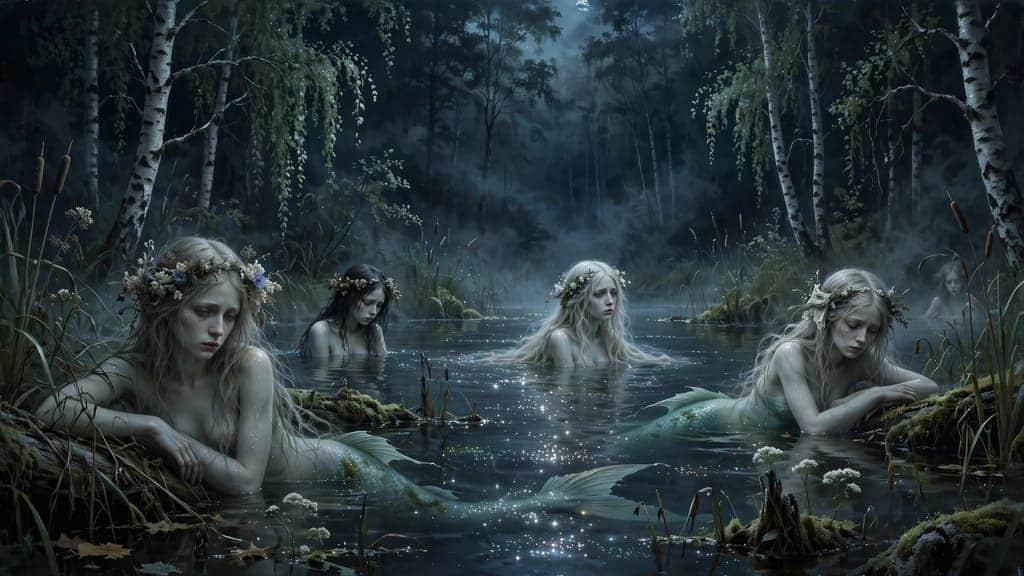
Slavic folklore added its own spin to the mermaid myth with the rusalka.
These lake spirits don’t have a divine origin, but a tragic one. Traditionally, they were the souls of young women who died near water or drowned.
Typically, they were betrayed or had some unfinished business, which turned them irrequieto and aggressive.
They also dragged men into the water, but interestingly, they would sometimes force women to join them.
Rusalki also look like beautiful women with fish tails, and they’re often considered the face of grief.
Unlike the ocean, lakes were still and easy to explore, but they still caused deaths, which is why this myth is so different.
9. Why We Can’t Stop Fantasizing About Them
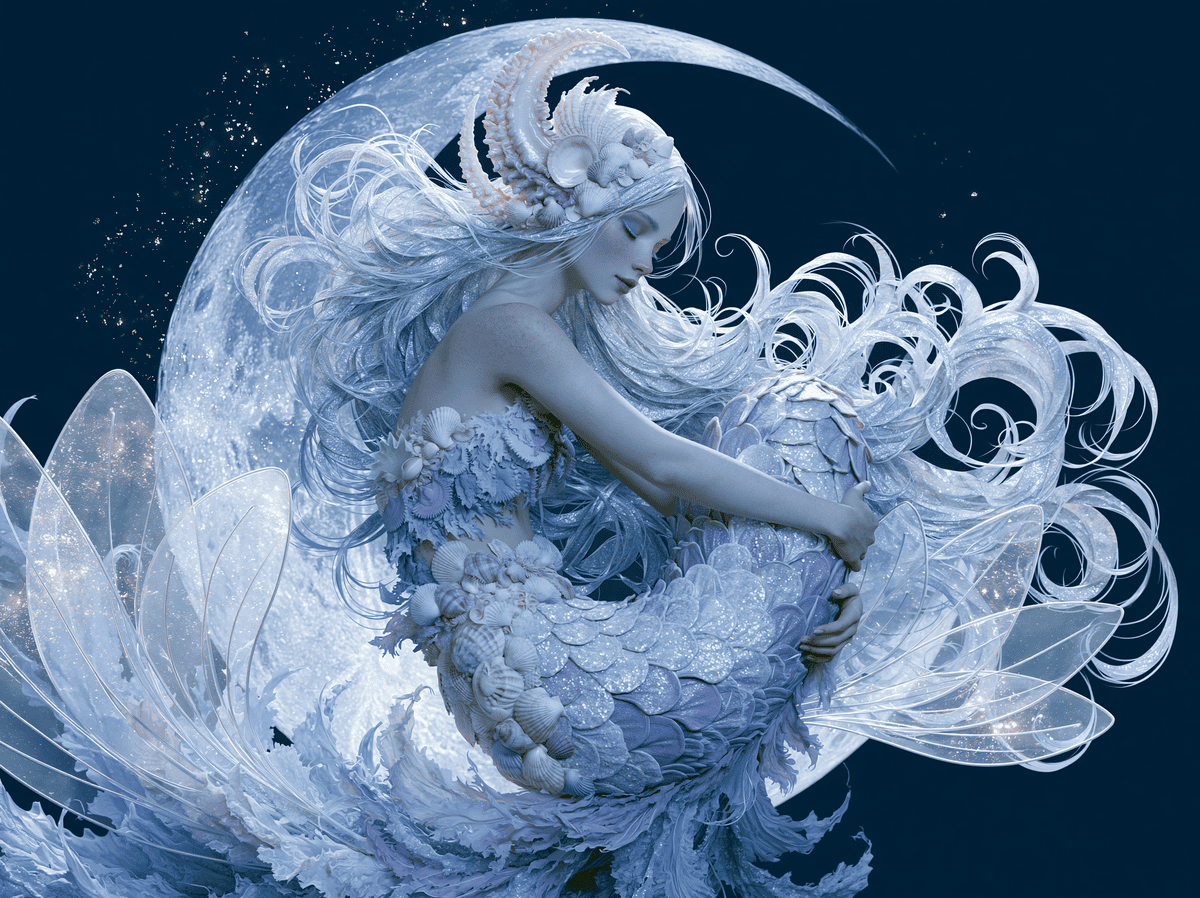
So, why has this idea survived for thousands of years, and more importantly, why does it continue to live today?
Because mermaids continue to exist exactly where we’re most uncomfortable: at the edge of chaos that still remains largely unknown.
We know more about outer space than we do about the ocean, so this mistero is still very relevant.
Of course, popular tales and movies have turned them into some of the most beloved fantastical creatures.
Briefly, there was even a rumor on the internet that scientists had found proof that mermaids were real, and even pictures of a skeleton with a human torso and a long fish tail.
As long as oceans stay deep and mostly unknown, these beautiful beings will have their place in our imagination.

A little Aquarius, devoted to writing and embroidery. Through my writing, I hope to empower readers to align with their true selves and navigate life’s mysteries with confidence.