
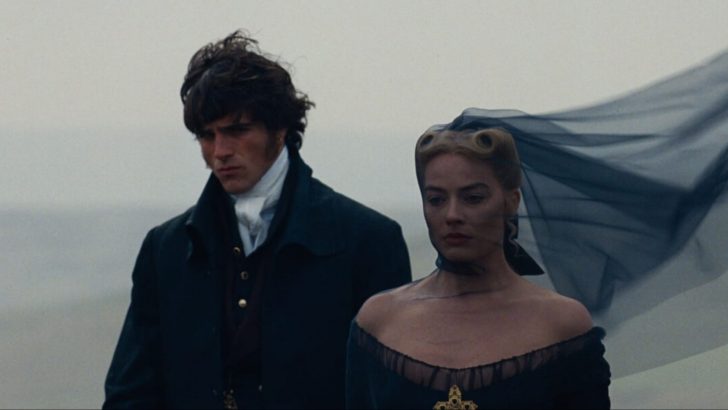
It feels like it’s been ages since we got a rom-com that actually respected the genre’s potential. These movies keep devolving right in front of our eyes!
We’re trading humor for wardrobe malfunctions and genuine chemistry between actors for… hot people looking hot.
Let’s explore why modern romance movies feel like they’re actively trying to ruin love for us.
1. Style Over Substance
The most obvious issue plaguing Hollywood right now is the utter lack of substance hidden behind a pretty face.
There’s still an occasional gem, don’t get me wrong, but genres like dramedy, rom-com, romance, and comedy are approached with an embarrassing lack of seriousness.
Movies have never cost more, yet they’ve never felt cheaper.
Modern filmmakers seem to think that casting a guy with a sharp jawline equals a good script.
They find a tall, handsome young actor and expect us to buy the romance, although there’s zero substance to his character or the story.
He’s there to look broody in a leather jacket, while his personality is as deep as a puddle.
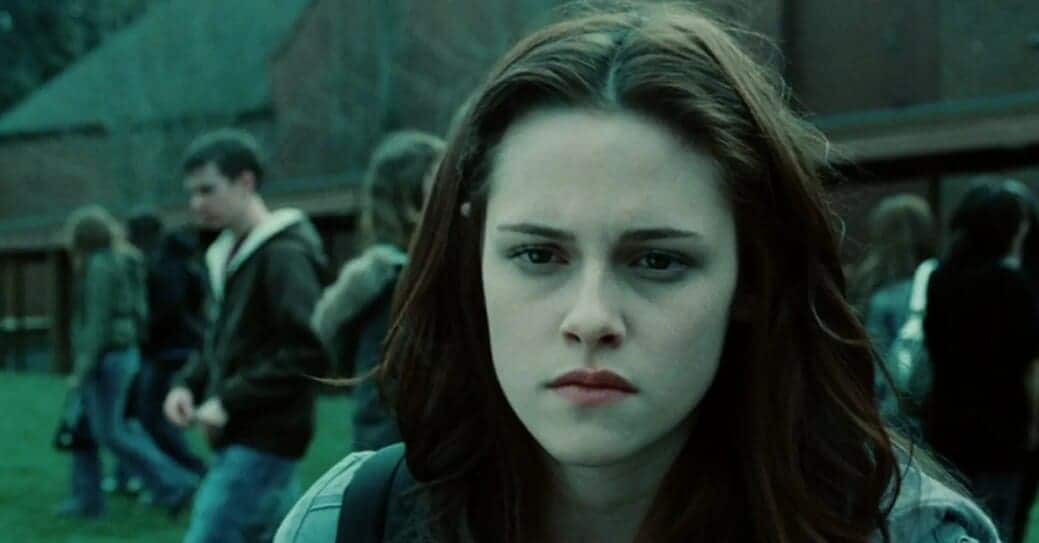
And don’t get me started on the female leads! They’ve been nothing but bland since the Twilight era.
È un self-insert, allowing viewers to picture themselves as they watch the movie, but it’s a terrible idea. It makes the main character utterly empty.
2. Cheating as a Plot Device

This one has been all over the internet lately, since people can’t help but notice it. It’s in everything!
Truth be told, it’s not only in modern rom-coms, but in them, it’s a given.
From movies like “After” and “Wuthering Heights” to Netflix hits like “Through My Window,” cheating is basically the main plot point.
It normalizes infidelity to impressionable viewers and presents it not as betrayal, but as something that must happen in a relationship at some point.
It teaches viewers that if you’re unhappy or unfulfilled by your partner, the right thing to do isn’t to talk to them or simply break up.
No, apparently, the right move is to break their heart, give them trust issues, and humiliate them all over the town.
It’s framed as following your heart, but it’s just being a terrible person.
3. The Glorification of Toxicity

We talk about toxicity day and night; everything’s toxic, and everything affects our mental health. Our awareness is huge on paper, but in romance movies?
It runs the plot.
Half of these stories wouldn’t exist without the brooding, lying, cheating, and manipulation.
If the characters actually communicated like adults, the film would be ten minutes long.
To make matters worse, the toxicity is sold to us as chemistry and passion. We’re meant to believe that if a guy is controlling and jealous, it means he loves you.
The bad boy trope used to be fun and typically about class difference; now it’s about emotional unavailability and erratic behavior.
Filmmakers need to learn that stories can have tensione without it being unhealthy, but writing that would actually require some effort.
4. Nonsensical Plots

Back in the day, with rom-coms such as “Kate and Leopold” or “How to Lose a Guy in 10 Days,” plots were definitely convoluted and naive, but they were at least fun!
Tu suspended disbelief because the charm carried you through. Modern romance falls short even there.
These movies are typically a long string of convenient accidents, drama, and potty humor, and it all feels juvenile at best.
Characters don’t make choices; things just happen to them. It’s lazy writing.
There’s no buildup or slow burn, just a series of contrived events designed to put the leads in the same room.
It often feels like the filmmakers are spitballing ideas as they go: insert embarrassing mishap here, followed by a misunderstanding that could be solved with a single text.
We’re smarter than this, and we deserve stories that make sense from point A to point B.
5. Outdated Tropes

Remember how horror movies from the 2000s were criticized for glorifying virgins? Like, the final girl always had to be the “pure” one, while everyone else met a gruesome fate.
Well, 2020’s rom-coms are doing the exact same thing.
The main girl always has to be a blank slate, inexperienced and naive, so a toxic man can swoop in to shape her as it suits him. It’s borderline grooming, to be honest.
Why can’t a girl have a past? Why does she have to be naive for the romance to matter?
It’s all so regressive and patronizing.
6. The Lack of Character Growth

So, how do characters actually change in these movies, except for the worse?
They often end up being the same people we saw at the beginning of the film, except they might have settled with a partner.
That’s the whole character arc. The unhealthy tendencies, mood swings, and manipulation typically stay, but we should believe that they were fixed through love.
Believable growth is hard to write, but the payoff is wonderful.
In these rom-coms, the main couple just agrees to tolerate each other because the attraction is undeniable. That’s our happy ending.
7. Abuse = Passion

If I see one more scene of a guy dragging a girl away by her arm, I’m going to scream.
In these movies, the characters always have to put hands on each other, yell, and hurt one another on purpose to make a point.
I get it that the filmmakers want to show us how strong or passionate their male character is, but I’m sure there are different ways to do that other than manhandling a woman.
It’s disturbing that this is being sold to young audiences as what desire looks like.
You can have a heated moment without someone getting pushed or grabbed.
Let’s stop pretending that abuse is a love language.
8. Selling the Wrong Idea of Love

Each generation needs to make their mistakes and eventually learn about the nature of love, but these movies keep dragging them down.
These stories keep framing chemistry as connection, and it’s simply not true.
It’s like they’re trying to say that a relationship that gives you peace and comfort isn’t worth having.
The characters in these rom-coms always end up trading their functional, loving relationships for an anxiety-inducing mess.
The message seems to be: If you have a partner who makes you feel wonderful, make sure to cheat on them with the biggest jerk you can find.
It’s setting young people up for failure.

A little Aquarius, devoted to writing and embroidery. Through my writing, I hope to empower readers to align with their true selves and navigate life’s mysteries with confidence.