
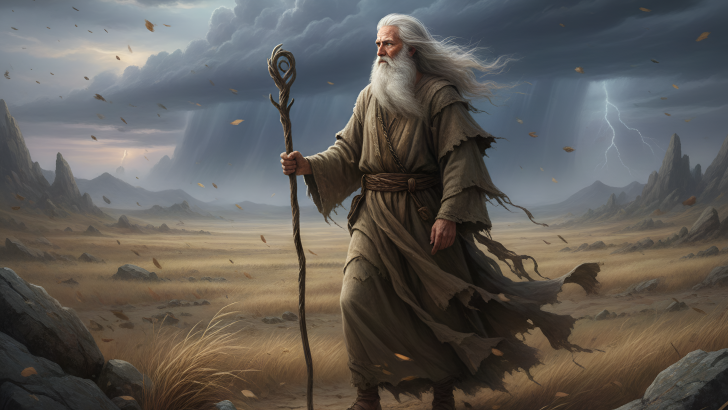
Methuselah is one of the most mysterious figures in the Bible. Known as the oldest man who ever lived, he reached the astonishing age of 969 years.
His story is surprisingly brief and filled with unanswered questions. He lived during a time of growing corruption, just before the Great Flood changed the world forever.
As the grandfather of Noah and a descendant of Adam, Methuselah stood at a turning point between the early generations of humanity and a new beginning after divine judgment.
His extraordinary lifespan, family connections, and timing have inspired centuries of curiosity.
Here are eight intriguing mysteries about Methuselah and his connection to the Flood.
1. How Did Methuselah Live 969 Years?
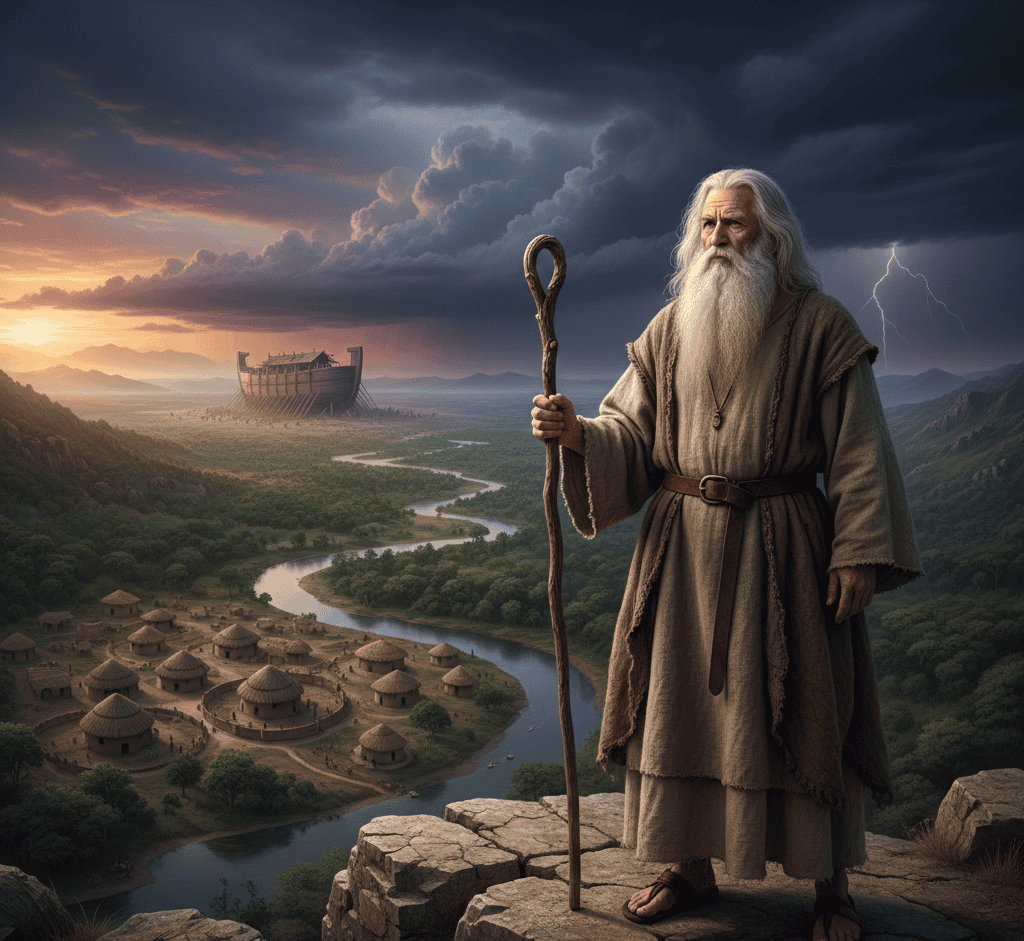
The Bible states that Methuselah lived longer than any other human, reaching 969 years. This remarkable age raises many questions.
Some believe early humans lived longer due to a purer environment or different biological conditions before the Flood.
Others suggest the numbers may have symbolic meaning, representing wisdom, honor, or spiritual completeness rather than literal years.
Ancient cultures often used large numbers to express greatness. Another theory is that time may have been measured differently in early biblical records.
Whether literal or symbolic, Methuselah’s lifespan highlights the unique nature of the world before the Flood and emphasizes the extraordinary character of the earliest generations described in Genesis.
2. Did Methuselah Die the Same Year the Flood Began?
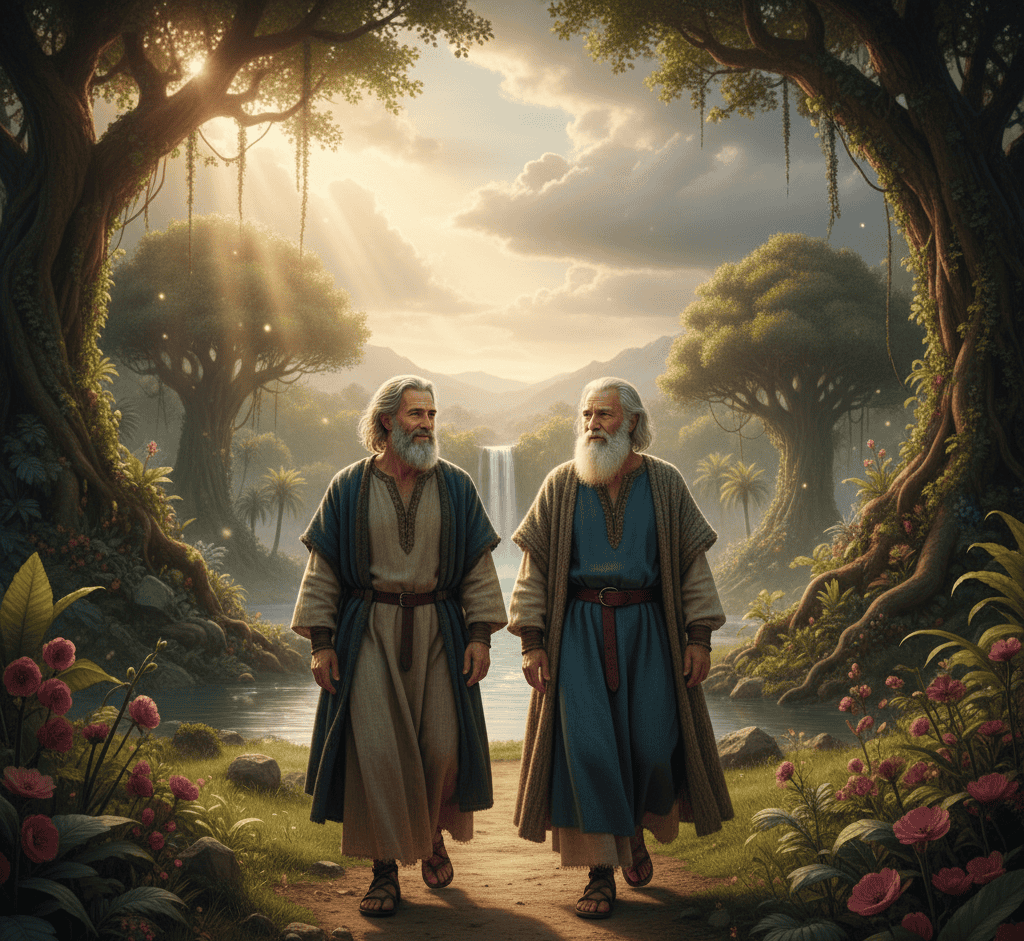
One of the most intriguing details about Methuselah is the timeline of his death. When biblical genealogies are calculated, his lifespan appears to end in the very year the Flood began.
This raises an important mystery. Did he die naturally just before the waters came, or was his death connected to the coming judgment?
Some scholars suggest his name may even carry prophetic meaning, often interpreted as his death shall bring.
If this interpretation is correct, Methuselah’s life itself may have been a countdown to the Flood.
His death could mark the moment when divine patience ended, and the long warned judgment finally began.
3. Why Is So Little Written About Him?
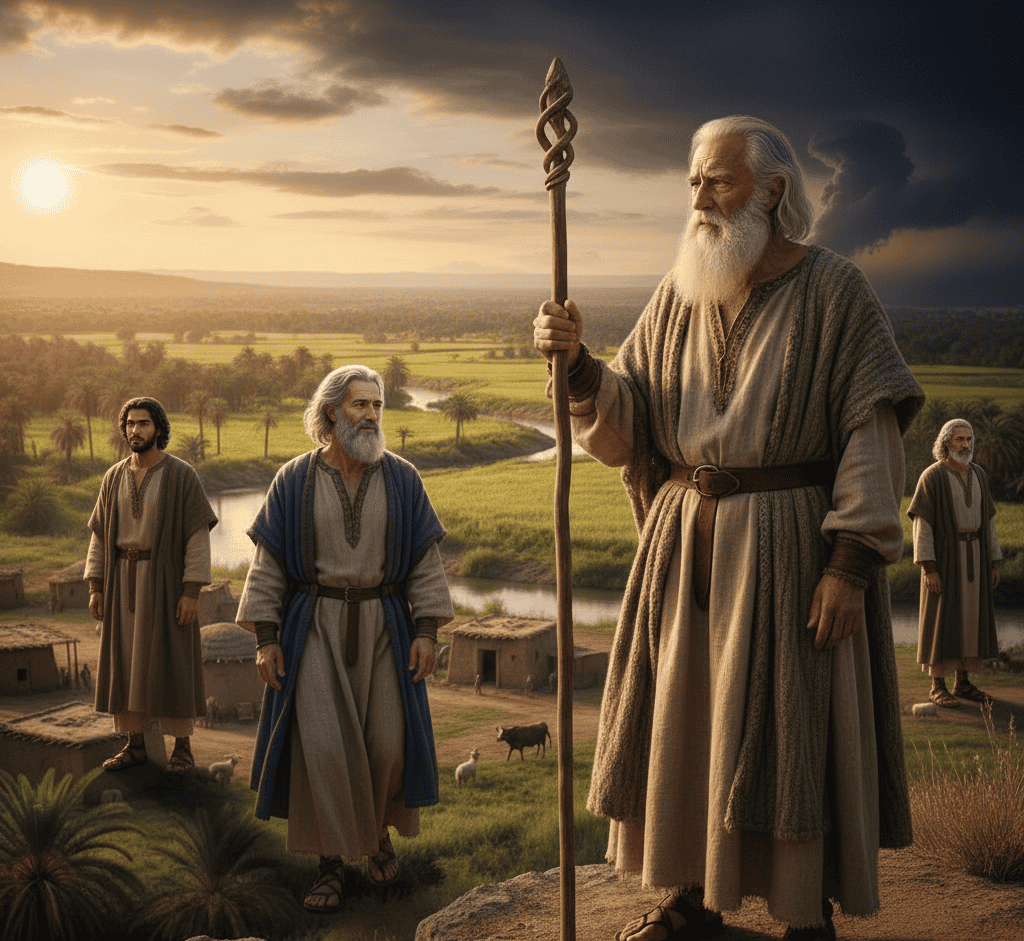
Despite his record-breaking lifespan and important place in Noah’s family line, Methuselah receives very little attention in Scripture.
The Bible provides only his age, his family connection, and the years he lived after his son was born. This lack of detail is surprising for such a significant figure.
One mystery is whether his quiet presence was intentional. His story may represent stability and continuity during a time when humanity was slowly turning away from righteousness.
Another possibility is that his importance lies not in what he did, but in where he stands in the timeline leading to the Flood and the renewal of the world.
4. What Was His Relationship With Noah?
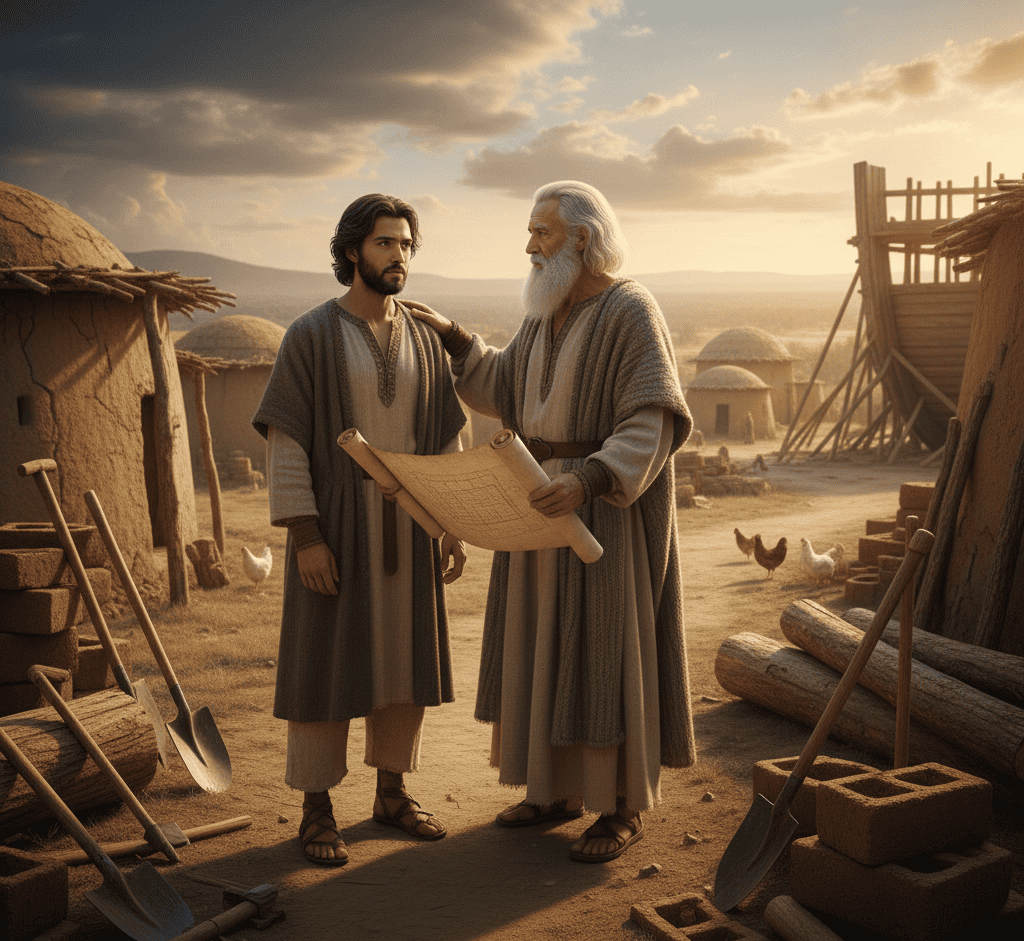
Methuselah was Noah’s grandfather, which means he lived during Noah’s early life and possibly well into the years when the ark was being prepared.
This connection raises fascinating questions. Did Methuselah support Noah’s warning about the coming Flood?
Was he among the few who still honored God in a corrupt generation? Some traditions suggest he was a righteous man like his father Enoch and his grandson Noah.
If he witnessed the construction of the ark, his long life would have allowed him to see humanity’s moral decline firsthand.
His presence links three generations that stood at the center of one of the Bible’s most dramatic events.
5. What Does His Lineage Reveal?
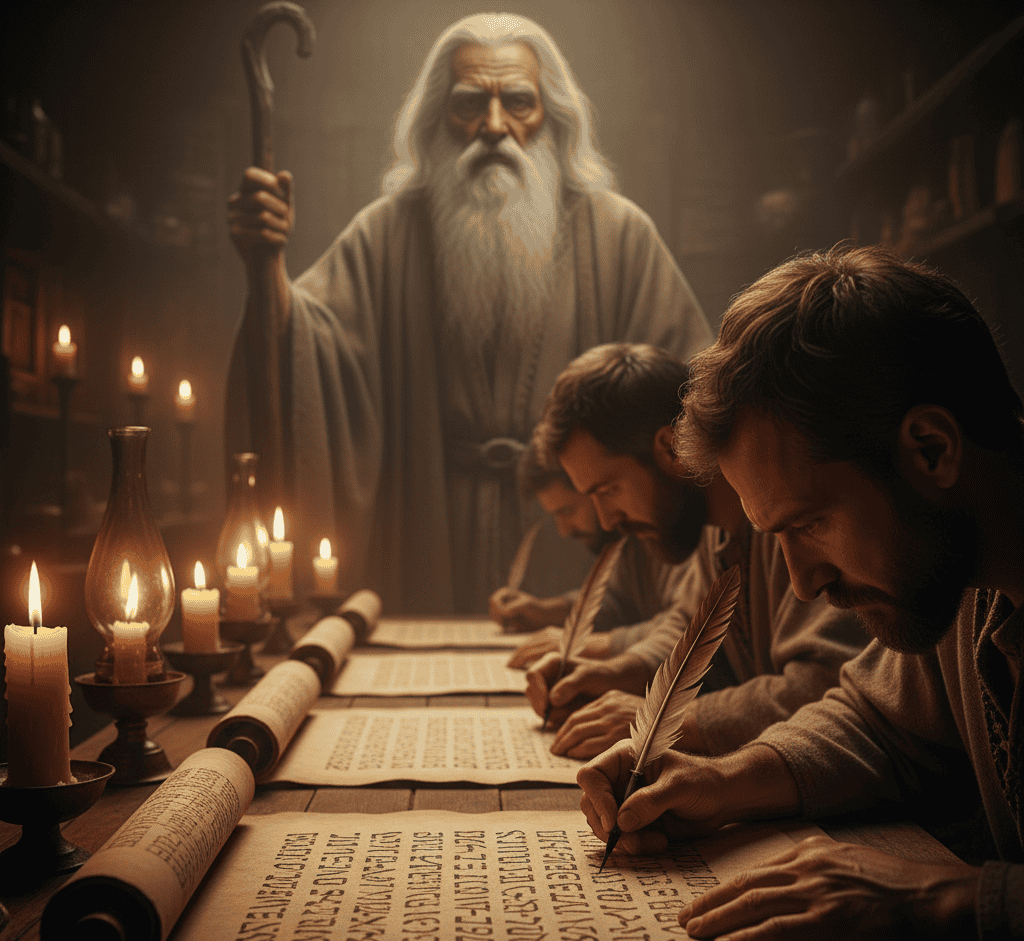
Methuselah belonged to a remarkable family line. His father was Enoch, the man who walked with God and was taken without experiencing death.
His grandson was Noah, chosen to survive the Flood and begin a new human era. This placement makes Methuselah a bridge between two extraordinary figures.
His lineage suggests continuity of faith through generations, even as the wider world became increasingly corrupt.
One mystery is whether this family line preserved spiritual knowledge that others had abandoned.
His position in the genealogy highlights the importance of heritage and raises questions about how faith survived during a time of widespread moral collapse.
6. Why Were Lifespans So Long Before the Flood?
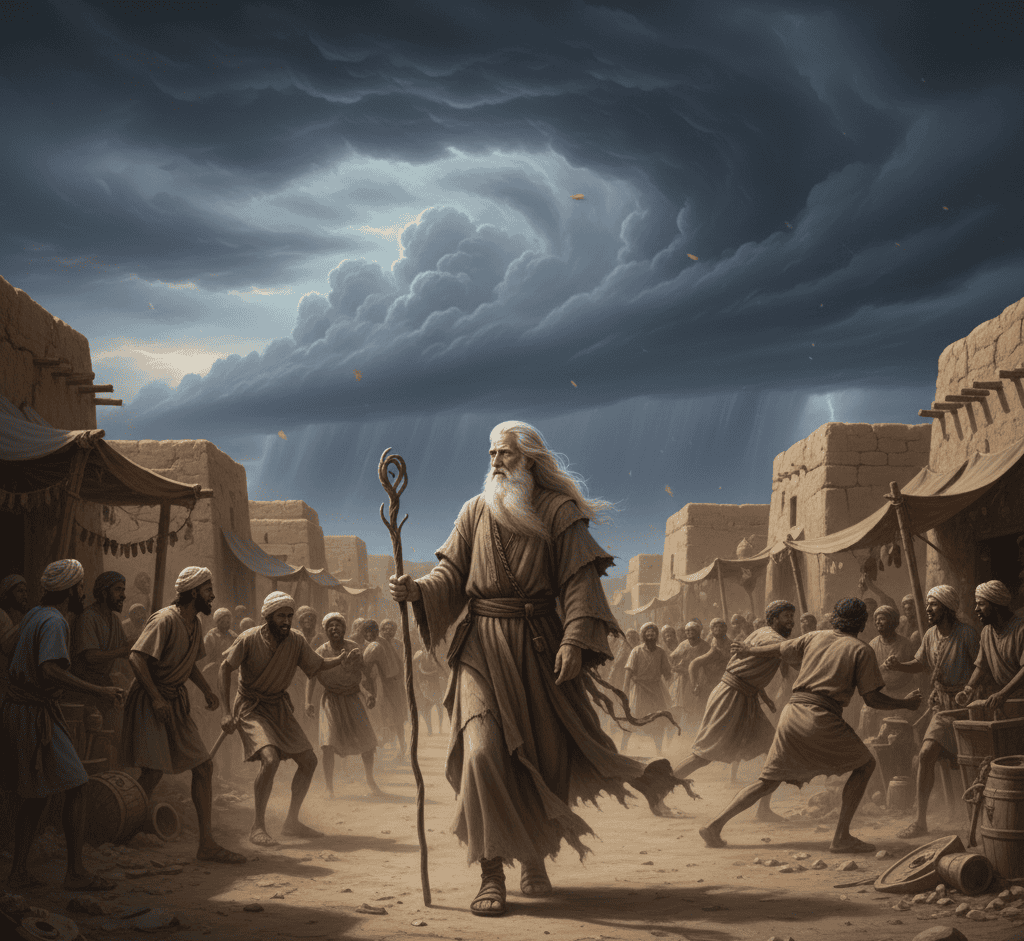
Methuselah’s age was not unique in his generation, though it was the longest. Many early biblical figures lived for several centuries.
This pattern suddenly changed after the Flood, when lifespans gradually shortened. The reason for this shift remains a mystery.
Some believe environmental changes after the Flood affected human longevity. Others suggest that God intentionally limited human lifespan as part of a new order for the world.
There are also symbolic interpretations, seeing long lives as a way to compress history into fewer generations.
Whatever the explanation, Methuselah represents the peak of a lifespan pattern that disappeared after the Flood reshaped human existence.
7. Why Didn’t Methuselah Enter the Ark?
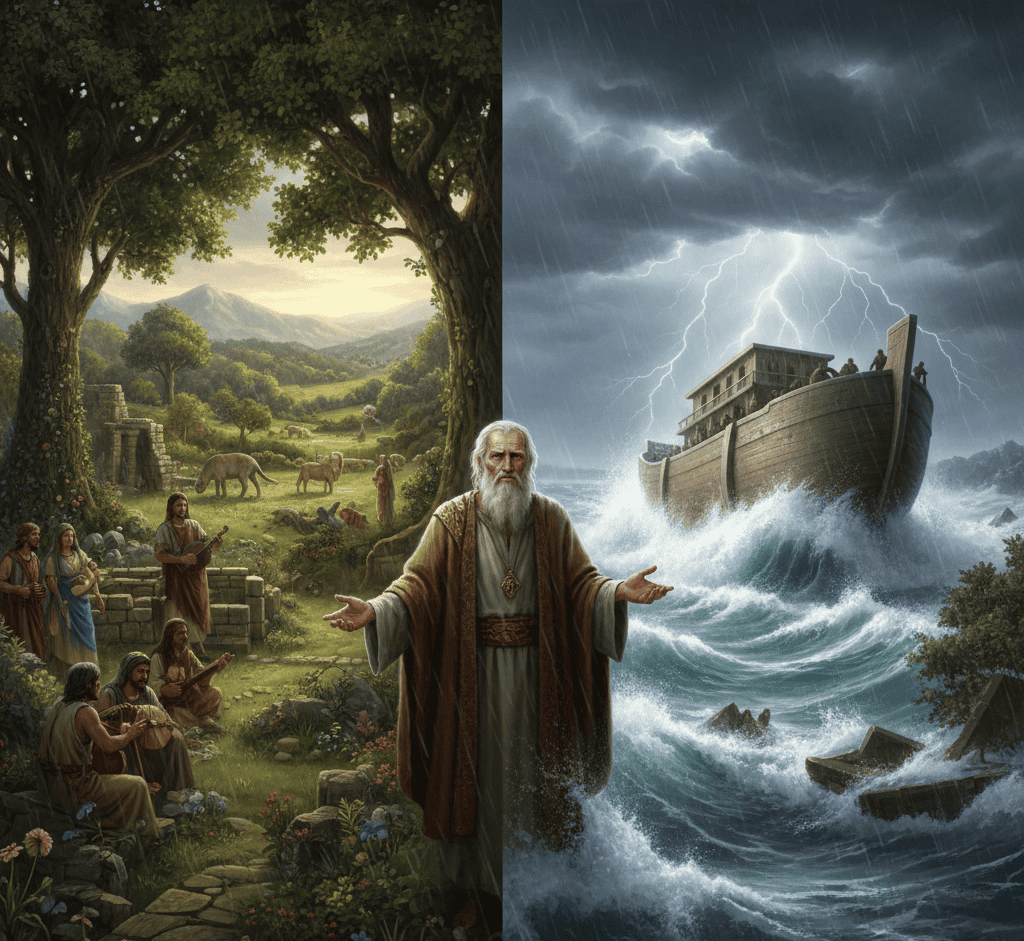
If Methuselah was alive during the years leading up to the Flood, a natural question arises.
Why was he not among those who entered the ark? According to the biblical timeline, he died before the Flood waters arrived.
Some interpret this as an act of mercy, sparing him from the coming destruction. Others see it as symbolic.
His long life represented God’s patience with humanity, and his death marked the end of that extended period of warning.
This mystery connects his lifespan directly to the timing of the Flood and reinforces the idea that his life had prophetic significance within the larger story.
8. What Does Methuselah’s Life Symbolize?
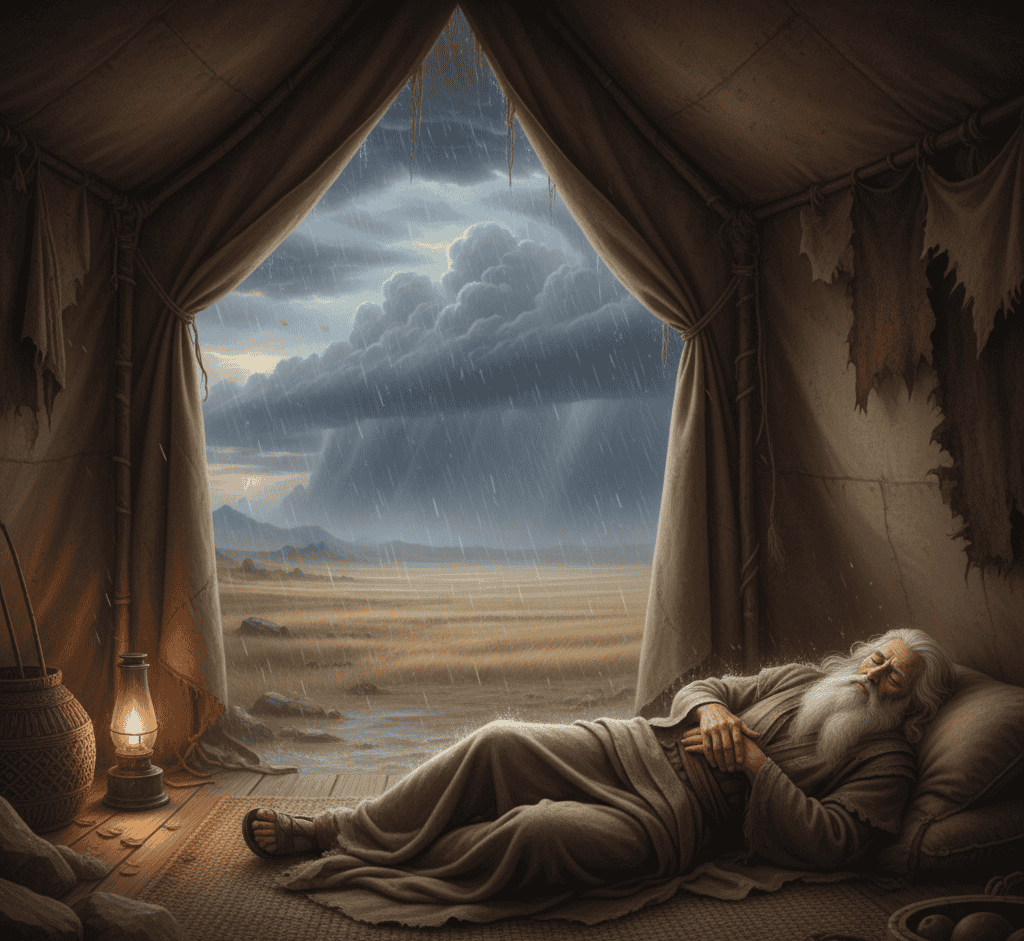
Beyond historical questions, Methuselah’s story carries deep symbolic meaning. His extraordinary lifespan reflects divine patience and the long delay before judgment.
For generations, humanity was given time to change, yet corruption continued to grow.
His life stands as a reminder of the balance between mercy and accountability. Some interpreters see him as a living symbol of grace extended to a fallen world.
When his life ended, that period of waiting came to a close, and the Flood began a new chapter.
In this way, Methuselah represents not only longevity, but also the final moment before one of the most dramatic turning points in biblical history.

Ho sempre sentito una forte connessione con il Divino fin dalla mia nascita. Come autrice e mentore, la mia missione è aiutare gli altri a trovare l'amore, la felicità e la forza interiore nei momenti più bui.