
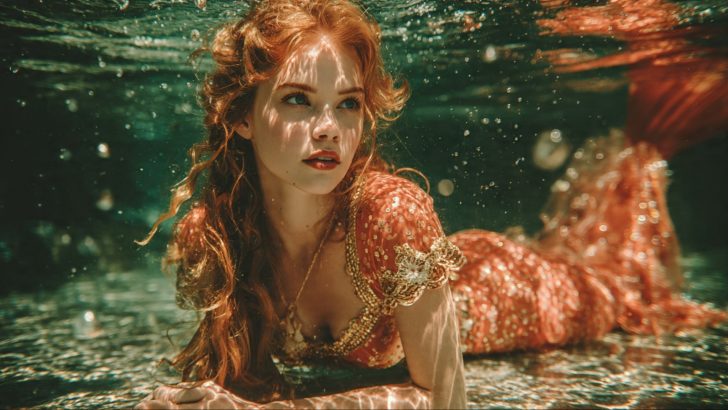
Some mythical creatures from totally different parts of the world look similar, and we can’t always explain this with cultures coming into contact.
I’m not talking about Roman and Greek overlaps, but inexplicable similarities between Slavic, Chinese, Native American, Celtic, and other mythologies.
These cultures have never come into significant contact, at least not that we know, which is why these similarities are so puzzling.
1. Wendigo and Leshy
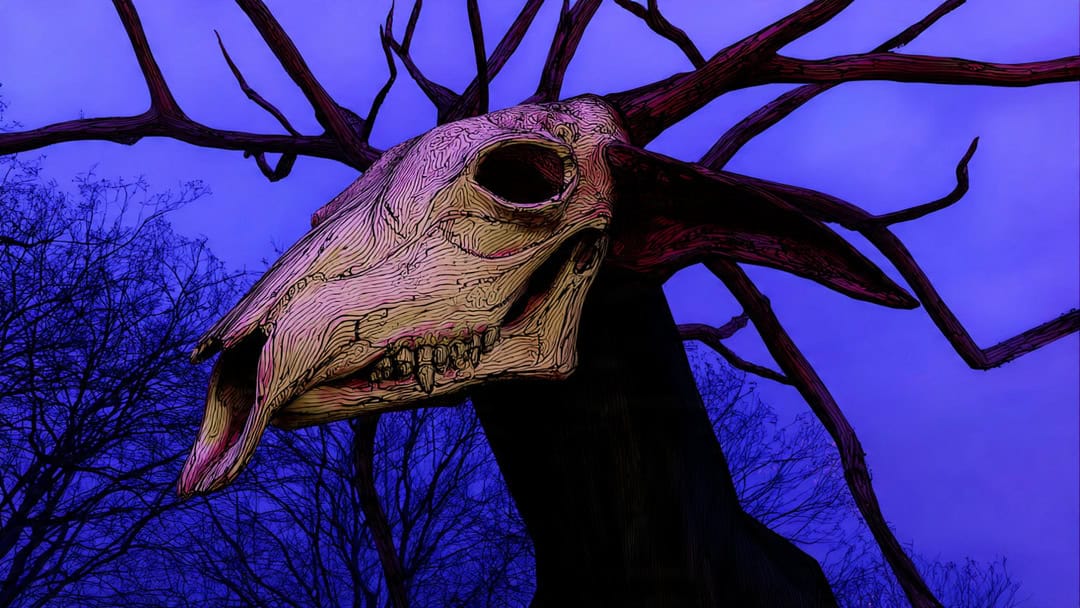
Imagine two creatures that look almost like they’re made from branches, con long skull heads – but they’re from completely different worlds!
Il Nativi americani Wendigo is a terrifying spirit associated with winter and cannibalism. It’s tall, gaunt, and looks like a walking skeleton.
It has the power to mimic voices, and uses it to trick people into coming closer so it can eat them.
On the flipside, Leshy is a forest spirit from Slavic mythology, associated with the laws of nature and wolves. Sometimes, Leshy is also depicted as somewhat of a trickster.
It’s also tall and bony, as though it’s made of branches. Like, Wendigo, its head is a long, animal skull, giving it a spooky vibe.
The weird part? Their similar looks seem like a giant coincidence!
2. Alkonost and Kinnaras
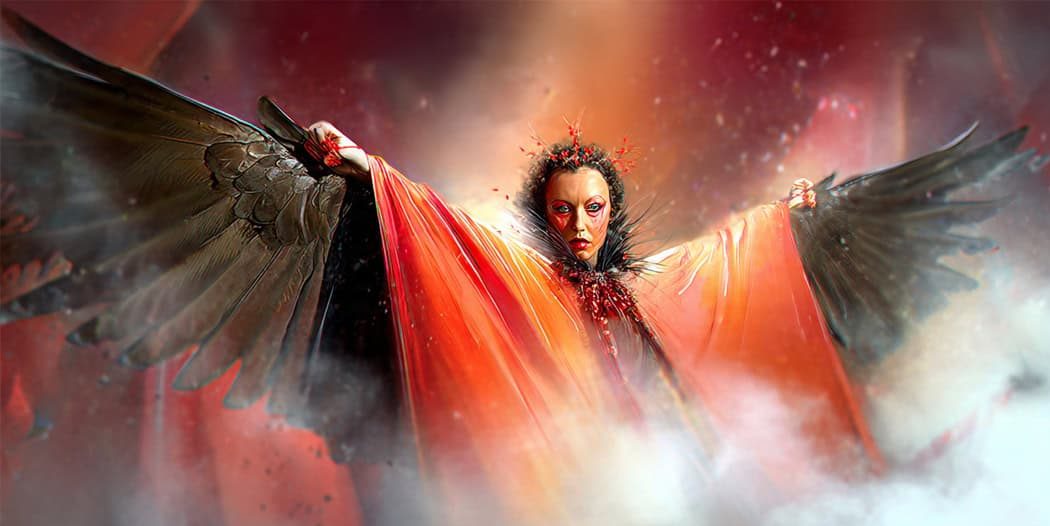
Slavic and Hindu mythologies have an interesting creature in common: bird-women that sing beautiful songs.
They’re depicted as women with beautiful faces and bird bodies, often with beautiful, colorful feathers.
The Alkonost, from Slavic tales, is a bird-woman who sits on a branch and lures travelers closer with her song. She might make them get lost in a dream or even die.
The Kinnara (male) and Kinnari (female) are divine musicians from Hindu mythology. Their upper body is human, but they have wings and tail of a bird.
They’re often depicted as happy, singing, dancing, spreading joy – but also guarding sacred places.
Both creatures symbolize the connection between humans and nature, as well as the dangers of disrespecting the wilderness.
3. Jackalope and White Stag
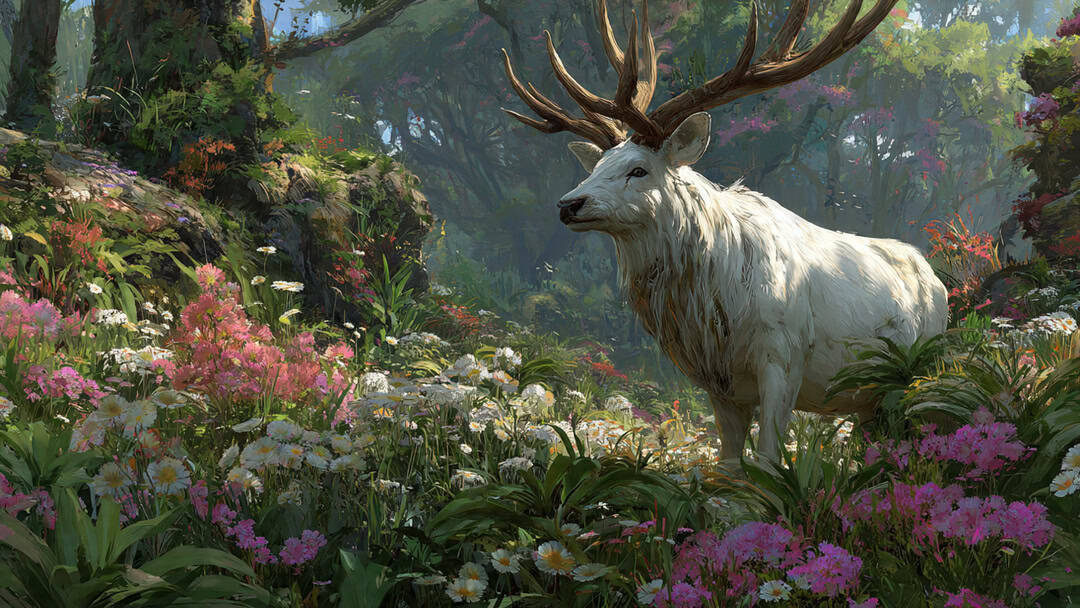
These creatures are both legendary symbols of mysterious wilderness.
Il Jackalope is a horned rabbit from American folklore. It’s a clever creature with the body of a rabbit and antelope horns.
It’s often seen as a trickster or a symbol of elusive, wild magic.
Tuttavia, il White Stag known from Arthurian legends is also linked to mystery, the otherworld, and the pursuit of adventure.
It’s ethereal and glowing, and seeing it means that you’re about to cross into the world beyond the ordinary.
Both represent the wilderness – one as a clever trickster animal, the other as a mystical hunt.
Both these mythic creatures are messengers from the wild, reminding us of nature’s unpredictable, enchanting side.
4. Baba Yaga and Yama Uba
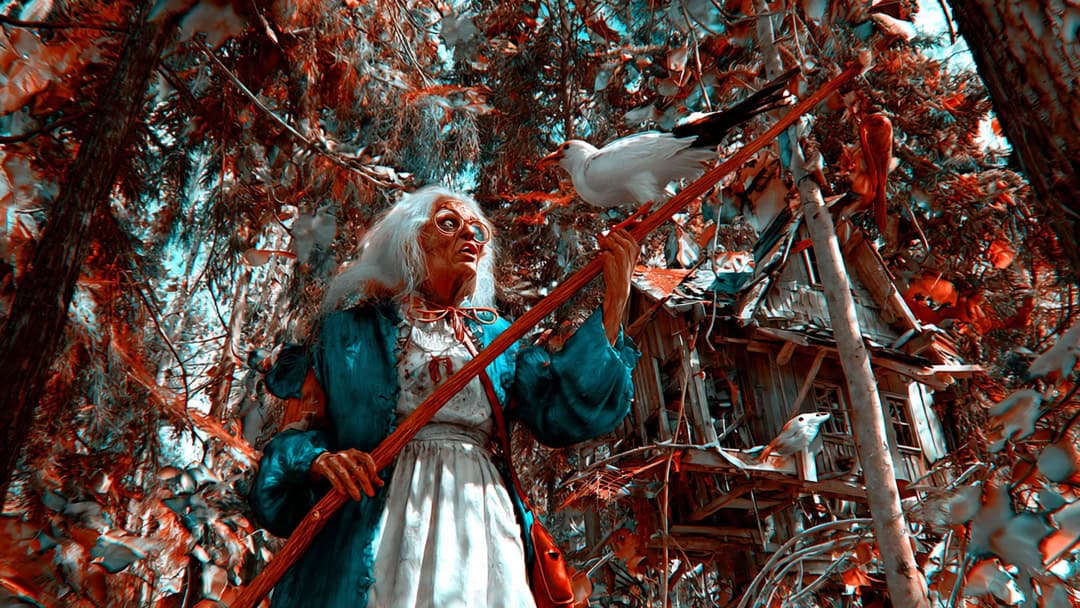
Both these old ladies have a prominent and very dark spot in their respective mythologies.
Baba Yaga da Slavic tales is a wicked witch with many inexplicable powers.
She possesses magical horses, burning skulls, and even seems to control the cycles of night and day from her hut on chicken feet!
She is often linked to wisdom and chaos, and presents various tasks and tests to those who come to her.
Yama Uba da Japanese folklore is her creepy counterpart. She’s associated with death, famine, and dark magic.
Both are old, mysterious, terrifying, but also incredibly wise.
These grandmas represent the power that we unlock with age, and the wisdom that can only be achieved through experience.
At the same time, they embody our innate fear of old age and death.
And here’s another weird coincidence for you: “baba” means old woman in many Slavic languages as well as Japanese!
5. Rusalka and Mermaid
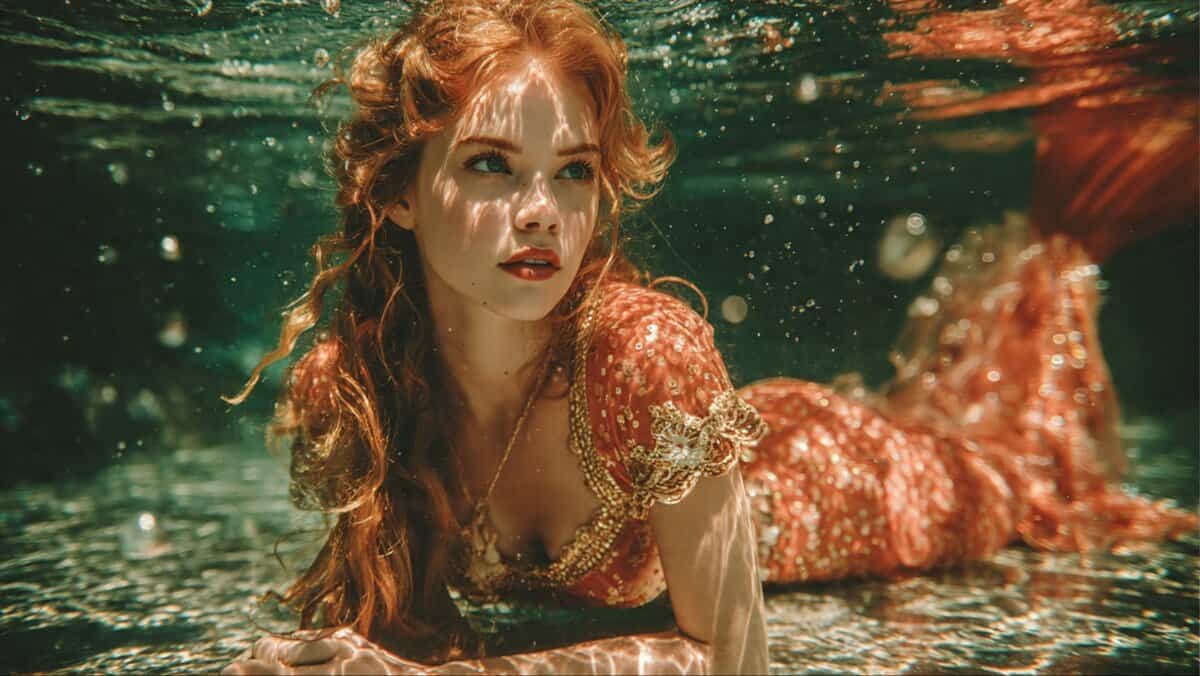
Water is the element of mystery, and it has inspired many myths. Among them, there are two curious creatures: the Rusalka and the Mermaid.
Il Rusalka da Slavic folklore is a beautiful woman with a fish tail, haunting lakes and rivers.
She’s both alluring and dangerous, tempting men with her song and often leading them to their doom.
Mermaids, more associated with acqua salata, are legendary sea creatures with shimmering tails and mesmerizing voices.
They symbolize love, danger, and the mysteries of the sea.
Both are temptresses, water spirits that seek to draw humans to the water’s edge and drown them.
6. Vila and Nymph
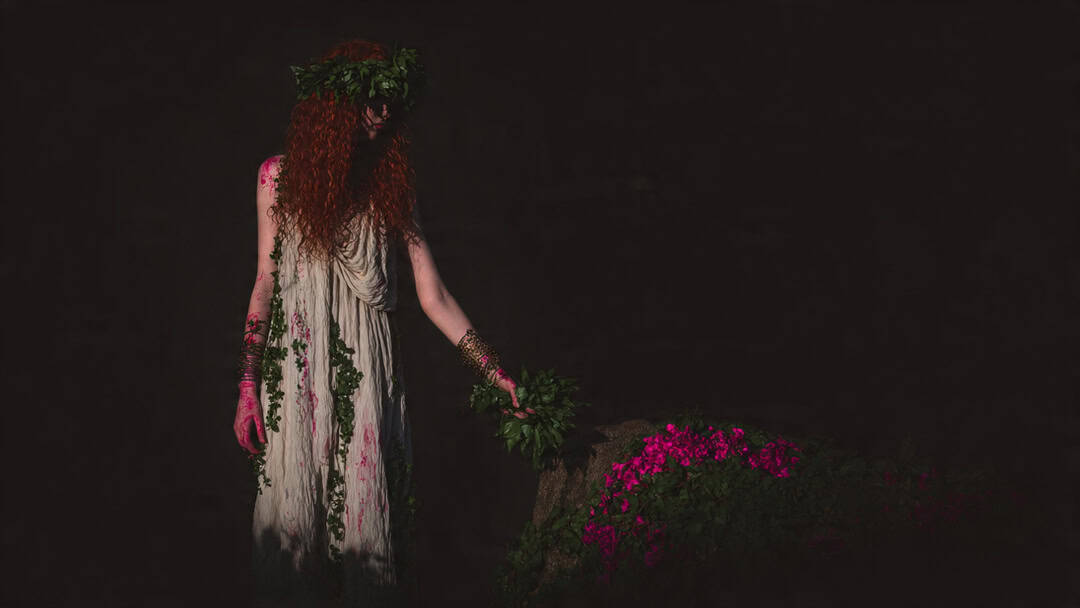
Il Vilas from Slavic myths are female demons or spirits that guard the wilderness. They’re often categorized by the place they’re guarding, whether it’s a lake, a forest, or a mountain.
They’re incredibly beautiful, but can be cruel, punishing those who disrespect their space. However, they also help heroes and sometimes even fall in love with humans.
Nymphs, on the other hand, are Greek nature spirits associated with trees and rivers.
They’re joyful, excited, and mischievous, and often depicted as beautiful women who embody the vitality of nature.
Both are closely connected to the natural world, but Vilas tend to be more ominous, while Nymphs are symbols of joy and fertility.
7. Satyrs and Xiezhi
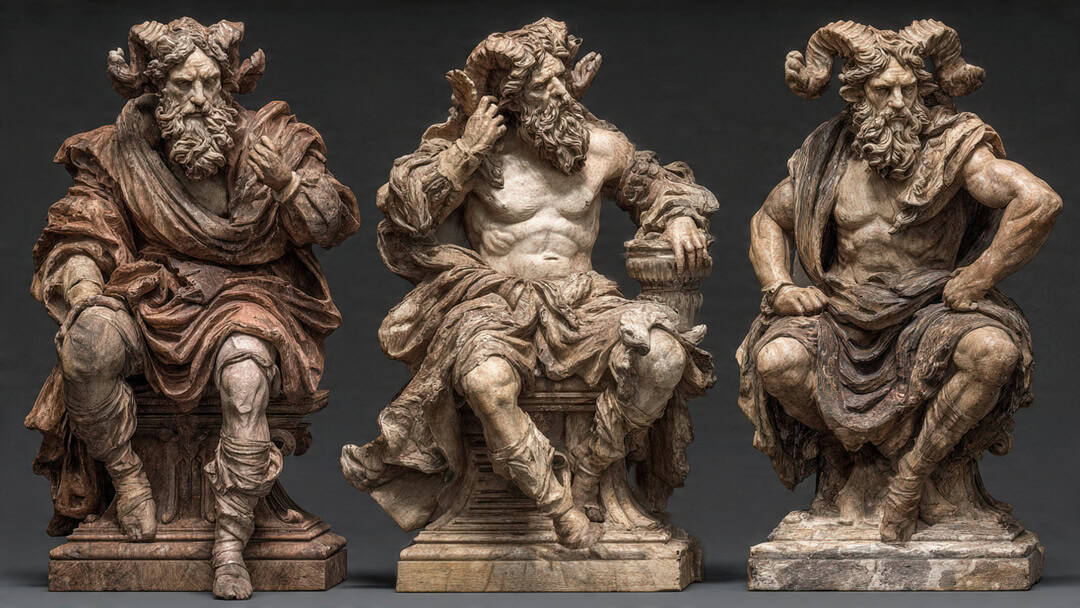
These two beings may look alike, but that’s where every similarity stops!
Greek Satyrs are half-human, half-goat creatures known for their love of music, wine, and mischief. They’re the helpers of Dionysus, symbols of wilderness and primal instincts.
On the other side of the globe, the Chinese Xiezhi is a mythological beast with a goat’s head and a keen sense of justice.
It’s known for punishing liars and evil-doers.
Mentre Satyrs are connected to the natural order, Xiezhi is concerned with morality.
It’s fascinating to see how differently this animal is perceived around the world.

A little Aquarius, devoted to writing and embroidery. Through my writing, I hope to empower readers to align with their true selves and navigate life’s mysteries with confidence.