
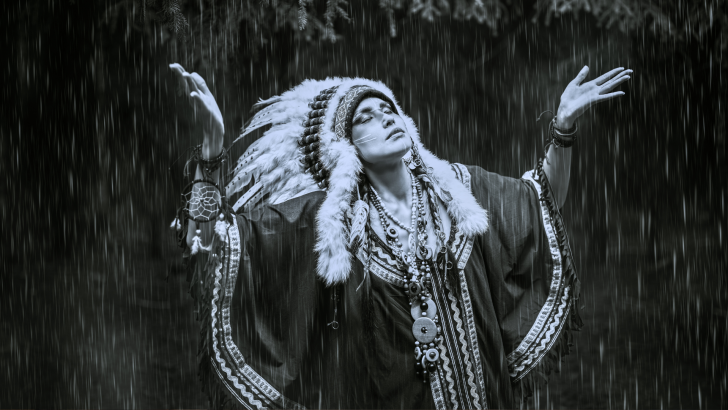
Grief is a universal experience, but the ways people process it can vary widely across cultures.
Recent studies at Johns Hopkins University explored a Native American grief ritual that seems to process trauma much faster than many modern therapies.
Researchers found that participants who engaged in this traditional ceremony processed emotional pain about six times faster than those using standard therapeutic methods.
Unlike some modern approaches, this ritual combines spiritual, social, and physical elements to help individuals confront their loss fully.
By studying these practices, researchers hope to understand how traditional rituals can inform contemporary mental health care.
Here are five key aspects of the Native American grief ritual that make it so effective at processing trauma.
1. Active Emotional Expression

One of the most important aspects of this Native American ritual is the emphasis on active emotional expression.
Participants are encouraged to openly express sadness, anger, and other feelings connected to their loss.
Unlike modern therapy sessions, which often rely on talking and cognitive processing, the ritual integrates physical, vocal, and communal expressions of grief.
People may cry, chant, drum, or perform symbolic gestures that allow them to release stored emotions.
This combination of verbal, physical, and spiritual expression accelerates the processing of trauma.
By fully engaging with their feelings, participants experience relief more quickly than through conventional therapeutic talk alone.
Researchers at Johns Hopkins observed that this method helps the brain process traumatic memories and emotions efficiently.
The active expression also fosters a sense of validation, as community members witness and honor the pain being expressed.
This supportive environment is a crucial reason why the ritual can process grief so rapidly.
2. Community Participation and Support
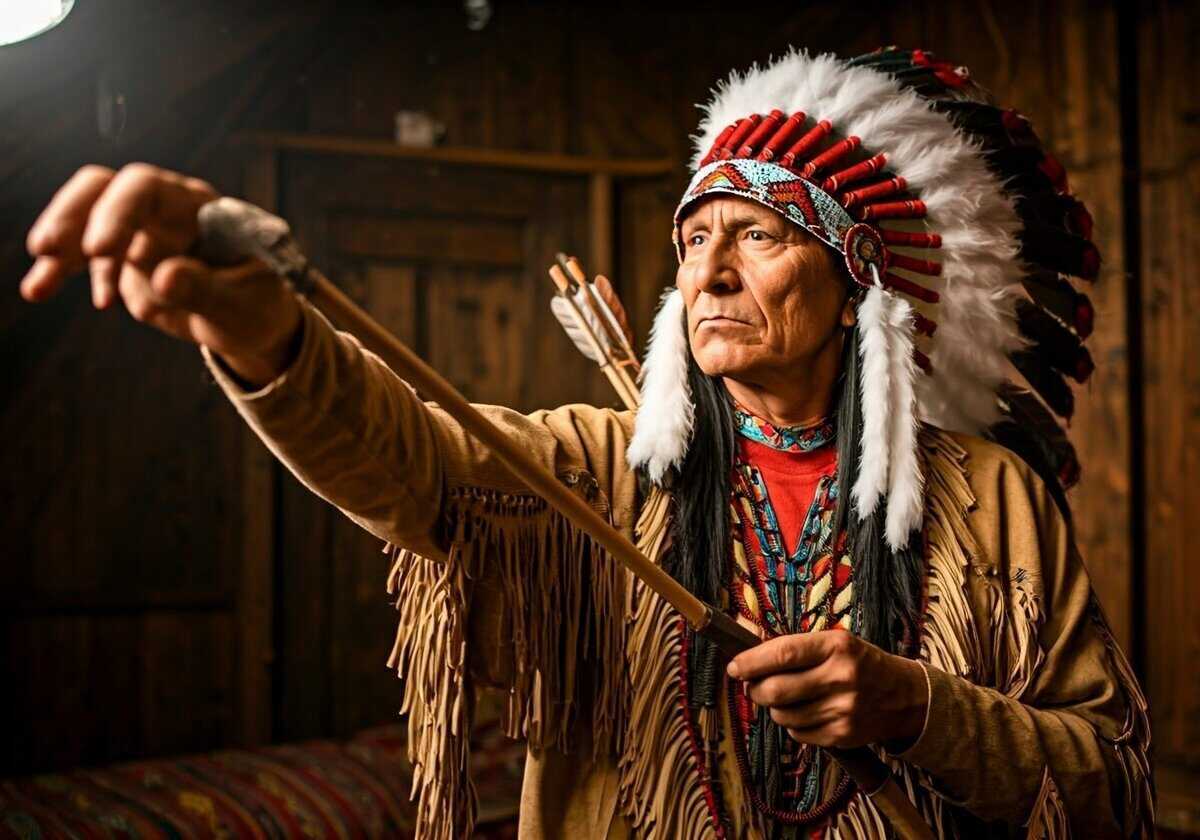
Another key factor is the involvement of the community. Unlike individual therapy, which can feel isolating, this ritual is designed to be communal.
Family, friends, and tribal members participate, offering support, encouragement, and understanding.
The shared experience reduces feelings of loneliness and creates a safe space for emotional release.
Participants often describe a sense of being “held” by the group, which strengthens emotional resilience.
Community involvement also allows individuals to learn from each other’s coping strategies and share collective wisdom.
This social reinforcement accelerates the healing process because grief is not faced alone. Researchers found that the combination of personal expression and group support creates a powerful dynamic.
The community helps guide the participant through each stage of grief while providing comfort and validation.
This collective approach is a central reason the ritual can process trauma six times faster than standard therapy.
3. Symbolic and Spiritual Elements

The ritual also includes symbolic and spiritual acts that deepen emotional processing.
Participants may use objects, perform ceremonial dances, or engage in prayers that represent the release of grief and the renewal of life.
These actions help translate abstract feelings into tangible acts, making it easier to confront and let go of pain.
The spiritual component provides meaning and context for the loss, connecting it to larger cultural and spiritual beliefs.
Researchers noted that this dimension helps the brain integrate emotional experiences more fully.
Modern therapy often focuses on cognitive and emotional understanding, but the ritual adds a physical and spiritual layer that accelerates healing.
These symbolic acts create a sense of closure and purpose, reinforcing emotional release.
By integrating mind, body, and spirit, the ritual addresses trauma on multiple levels, enhancing recovery in a way that modern therapy may struggle to replicate.
4. Structured Process with Clear Stages
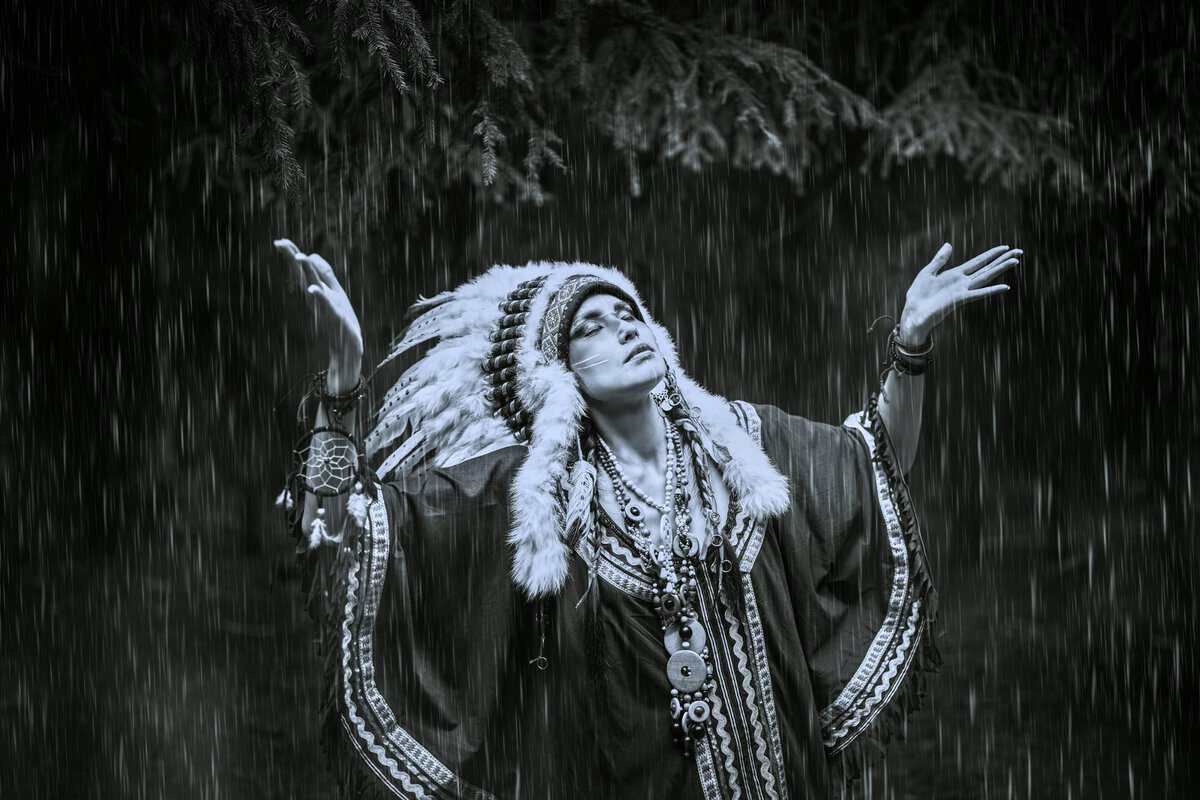
Participants move through clearly defined stages, including acknowledgment of loss, emotional expression, communal sharing, symbolic release, and reflection.
This structure provides a roadmap for grief, ensuring that participants do not avoid or suppress emotions.
Each stage builds on the previous one, guiding individuals from intense emotion to acceptance and resilience.
Researchers at Johns Hopkins observed that this step-by-step progression prevents bottlenecks in emotional processing.
By following a set path, participants confront trauma fully while being supported at every stage.
This structured method contrasts with therapy that may be more open-ended or inconsistent.
The clear framework of the ritual ensures efficient processing of grief, allowing participants to move from pain to healing more rapidly than in traditional therapeutic settings.
5. Integration of Physical Movement and Ritual Objects

Finally, the ritual uses physical movement and ceremonial objects to enhance emotional release.
Drumming, dancing, and walking in specific patterns are common elements, as are symbolic items like feathers, stones, or water.
These physical actions engage the body and mind simultaneously, grounding emotions and providing an outlet for pent-up energy.
The use of ritual objects offers a visual and tactile connection to grief and healing, reinforcing intention and focus.
Researchers found that incorporating body movement significantly accelerates trauma processing because it allows stored emotional energy to be released.
The combination of movement, objects, and community creates a holistic approach that addresses mental, physical, and spiritual dimensions.
By connecting body and mind in the grieving process, participants achieve deeper healing faster, demonstrating why this Native American ritual is so remarkably effective.

Ho sempre sentito una forte connessione con il Divino fin dalla mia nascita. Come autrice e mentore, la mia missione è aiutare gli altri a trovare l'amore, la felicità e la forza interiore nei momenti più bui.