
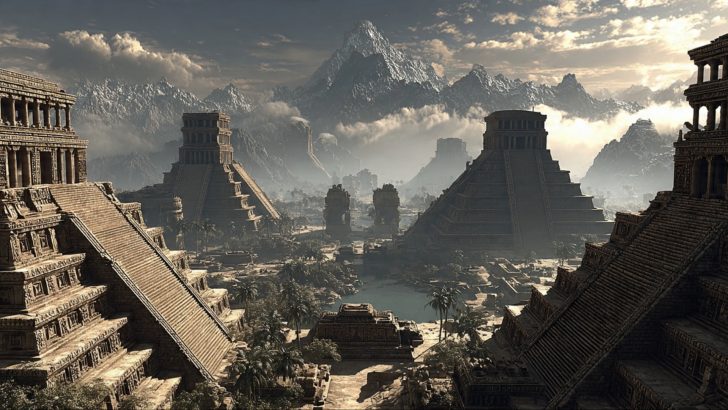
Native American cultures are quite diverse, and so are their ways of understanding and tracking time.
However, there’s one thing that all ancient calendars have in common – they were deeply rooted in nature and spirituality.
They relied on the land, celestial events, and oral traditions to mark the passing of days and seasons.
Here’s a closer look at some of the Native American timekeeping secrets that you probably never knew.
1. Seasonal Cycles

For Native Americans, like for Celts and other ancient communities, the changing seasons weren’t just weather patterns.
They were the backbone of the intero year.
People observed the land carefully, noting when plants sprouted and when animals migrated.
This allowed them to know when it was best to plant or harvest crops. These natural events signaled the start of important periods in their lives.
For instance, some tribes waited for the first snow to start certain ceremonies, while others marked the arrival of spring with specific rituals.
These seasonal markers helped them stay in tune with nature’s timing, ensuring their survival.
2. Lunar Calendars
Native Americans also tracked the moon’s phases to organize their months and ceremonies.
The lunar cycle, lasting roughly 29 days, was a perfect natural clock that almost all ancient calendars used.
They observed the new moon, the full moon, and everything in between to determine when to hold important rituals or plant crops.
These lunar calendars also carried deep spiritual significance. The moon was seen as a symbol of change and renewal.
This made their timekeeping flexible, connecting their spiritual beliefs directly with celestial movements.
3. Solar Calendars and Celestial Alignment
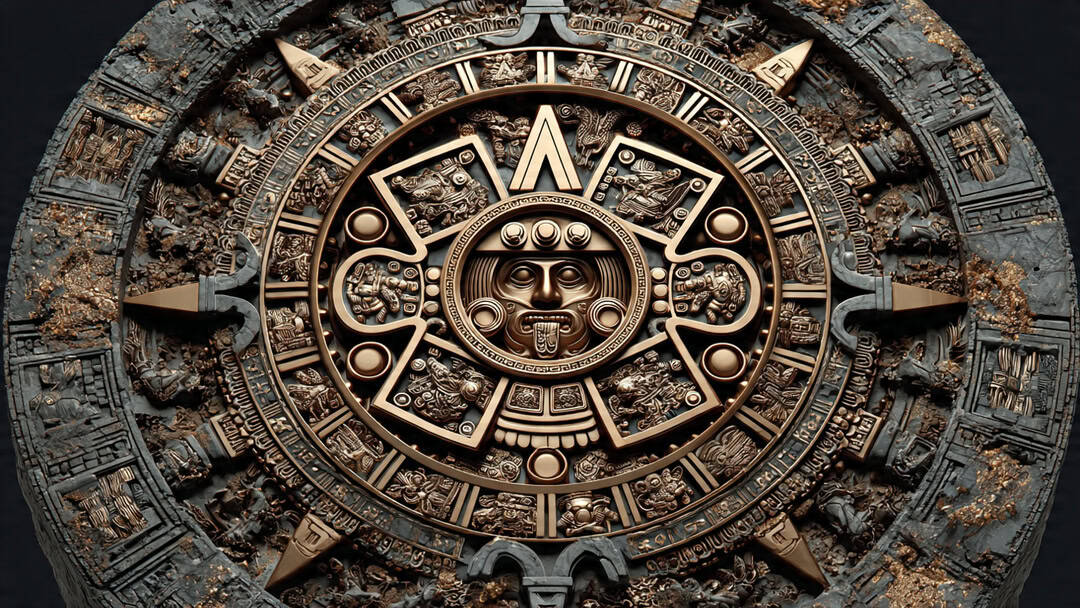
While some Native American tribes depended on lunar cycles, others, like the Hopi and Zuni, used solar calendars aligned with the sun’s position.
These calendars roughly matched the 365 days of the year, divided into months that corresponded with solstices and equinoxes.
They followed the sun’s journey across the sky, marking important times for planting and harvesting.
These solar calendars often included ceremonies tied to the changing seasons.
Their understanding of celestial movements was precise, allowing them to plan their year with practical insight.
4. Sacred Ceremonies

Many Native American groups believed that certain times of the year held sacred power, and their ceremonies reflected this.
For example, solstices, equinoxes, and lunar phases were seen as gateways to connect with spirits or the divine.
These ceremonies often involved fasting, dancing, o offerings, and were scheduled carefully to align with cosmic events.
The spiritual calendar was a way to honor the universe’s rhythm and maintain harmony with nature.
5. Unique Tribal Systems
An important thing to remember is that there was never a unified, single calendar across the American tribes.
Each group developed its own system based on its environment and beliefs.
Some relied heavily on lunar phases, others on seasonal rounds, and some combined both.
These systems were flexible and adattabile, changing with the landscape and circumstances.
Native American timekeeping was diverse and rich, as it spanned across an entire continent with different time zones and climates.
It was a tapestry of different practices, each with its own story and purpose.
6. The Mayan Calendar
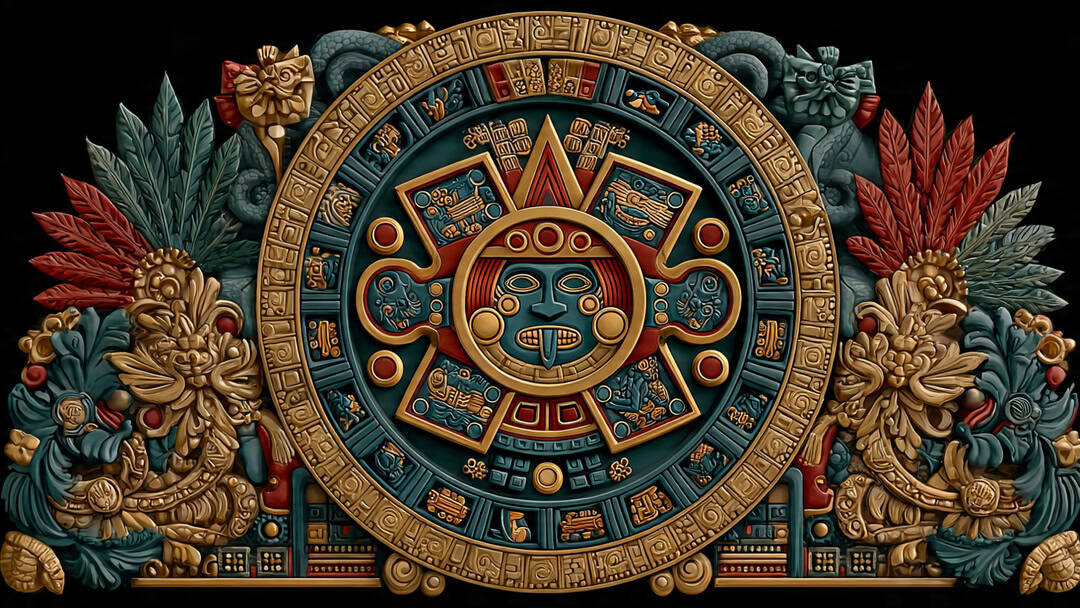
The Mayan calendar combined several cycles: the Haab, a solar calendar of 365 days; the Tzolk’in, a ritual calendar of 260 days; and the Long Count, used to track longer periods.
The Mayans believed these cycles held cosmic importance, linking human life directly to celestial movements.
Their calendar encoded their history, mythology, and beliefs.
The Mayan system shows how ancient peoples saw time as a layered, sacred construct, blending astronomy, spirituality, and culture into one.
7. Oral Traditions and Living Time

American tribes typically didn’t keep written records of their calendars. Instead, they relied on oral traditions passed down through generations.
Stories, songs, ceremonies, e elders carried the knowledge of when to plant or hunt.
This oral approach kept their understanding of time alive and flexible, able to adapt to environmental and other changes.
It also fostered a deep sense of community and respect for elders, as they were keepers of this generational knowledge.
Time was a living, breathing tradition that connected these tribes to their ancestors and the natural world.

A little Aquarius, devoted to writing and embroidery. Through my writing, I hope to empower readers to align with their true selves and navigate life’s mysteries with confidence.