

In much of the Christian world, reading the whole Bible isn’t actually the norm.
We learn the basics in school, grow up reading biblical stories for kids, and attend church. But all three provide us only the most comfortable truths about God.
So, when an individual decides to finally pick up the book, they get shocked by how dark it is.
Instead of feeling God’s love more clearly than ever, they find themselves questioning their beliefs.
Let us explore why this happens and how we can find our way back to God after losing faith.
1. The Old Testament

When deciding to read the Bible, it only makes sense to start with the Old Testament, and this is often the stone people trip over.
When you grow up on biblical tales for kids, you tend to remember Noah’s Ark as a story about animals marching two by two into safety.
But actual Scripture makes you face the reality of the entire world dying in the flood. You read about Abraham being told to sacrifice his son and cities being wiped out.
È un heavy, violent read.
For many readers, God no longer feels like a loving father but as a cruel and negative force!
The sheer amount of death commanded in those early books is enough to make anyone feel sick to their stomach.
It all feels completely at odds with the loving God we were told about.
This disconnect alone is enough to shake your faith.
2. The Vague and Confusing Laws

When you somehow make it to Leviticus and Deuteronomy, things get terribly confusing.
You’re given lists upon lists detailing what you can eat, what fabrics you should wear, when you’re allowed to work, and a bunch of specific punishments for minor offenses.
Many people report that God’s laws in the Bible come across as vague and even unjust!
It makes you feel like the entire system was set up to make you fail, so you start feeling anxious and judged.
When you try to apply logic to these ancient laws, the whole thing falls apart!
It leads people to proclaim that the Bible makes no sense.
3. Empathy for the Devil

One of the most shocking things people discover when they start reading the Bible is their growing empathy for Lucifer.
Whether you’re reading Genesis or later books, you see God commanding violence and ruthless punishments, while the only thing Lucifer did was ask Eve to use her own judgment.
Many people can’t help but relate to the rebel who questioned absolute authority and shared enlightenment with Adam and Eve.
So, don’t feel ashamed if your mind went there.
The portrayal of God can come off as oppressive, and we instinctively side with the “underdog” who went his own way.
Don’t worry; you’re not a devil worshipper now! You’re just trying to make sense of a dynamic that looks completely unfair to the modern mind.
4. The Lack of Filter

If it’s your first time picking up the Bible yourself, know that there’s no Sunday school filter lì.
Pastors and teachers are great at picking the verses that focus on love and redemption. They smooth over the rough edges for us.
And when you start reading yourself, there’s no one there to help you move past a troubling verse and to remind you of the historical context.
All in all, you’re left to interpret ancient Near Eastern warfare through a modern lens.
For people who have associated the Christian faith with holidays and a cozy home, this can be devastating.
It feels as though something has been hidden from you all your life, and that can be hard to accept.
5. Trying to Comprehend God

All of these things lead you to question everything you’ve ever been told about God.
You started out believing God was perfectly good and loving, and just.
However, as you read the Bible, you encounter a deity who changes His mind and plays favorites, who punishes people severely, and who commands the deaths of innocents to punish a few sinners.
You keep trying to connect the loving Savior with this new image, and it just won’t stick.
In that moment, you feel betrayed by the very book that was supposed to bring you peace. You feel lied to and led to worship a deity you knew nothing about.
This is completely natural.
And it’s not the death of your faith; it’s just the loss of the simple idea of the faith.
6. Understanding Scripture Literally

A large part of the problem is how we approach the Bible.
Many people were raised in environments that pushed them to be literal and take every verse as a direct command from God.
When you read the Bible like this, you set yourself up for failure.
Scripture contains ancient poetry, war rhetoric, and apocalyptic literature, and we all consume it as factual history.
The writers of the Old Testament wrote in a style that was typical for their time, which often comes off as very dramatic.
If you don’t stop to recognize all of that, Scripture starts to read like a horror story!
Reading between the lines is necessary if you wish to restore your faith.
7. How to Navigate Your Disappointment?
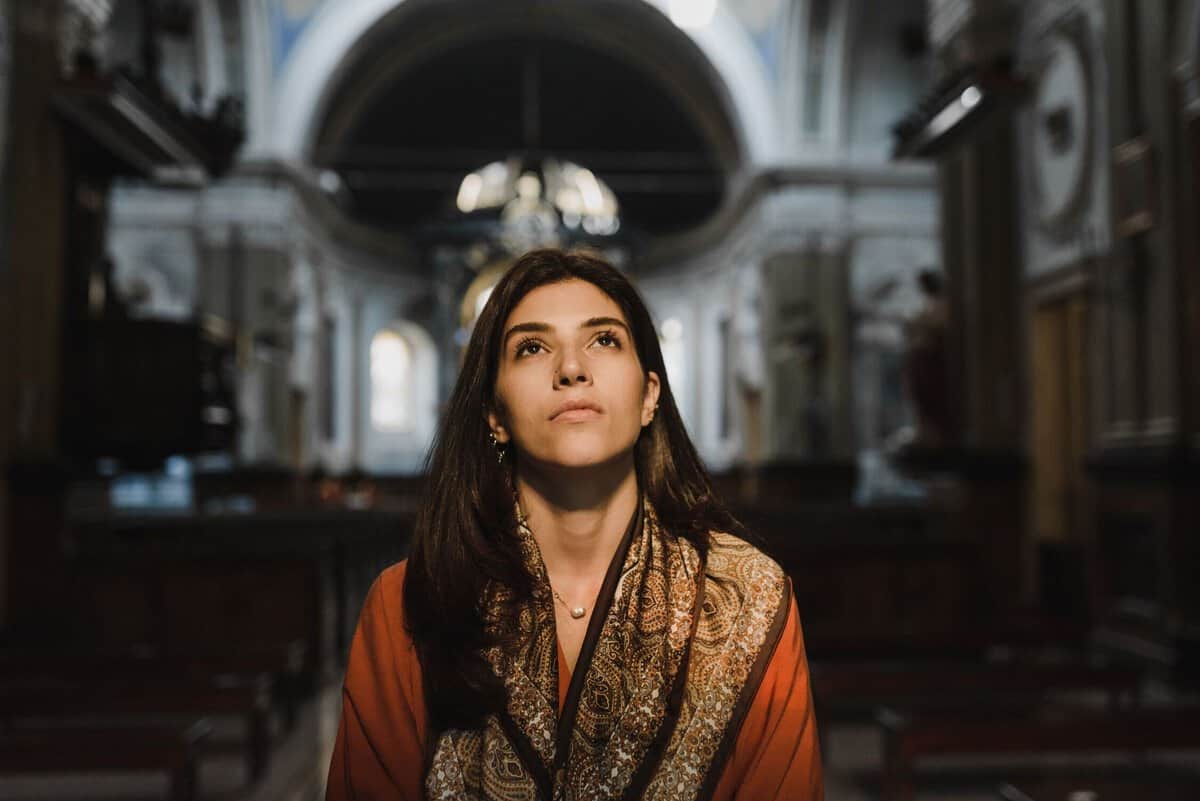
So, you closed your Bible, and you feel absolutely disappointed. Where do you go from there?
First, allow yourself to feel the loss. Something you believed your whole life has been shattered, so acknowledge it.
Ignoring your feelings about this will just lead you to lose your faith completely.
Doubt isn’t an enemy; it’s often a starting point from which our faith matures and grows deeper.
Look at this time as a transizione. They tend to be painful, but we always come out on the other side.
8. Try a Different Approach to the Bible
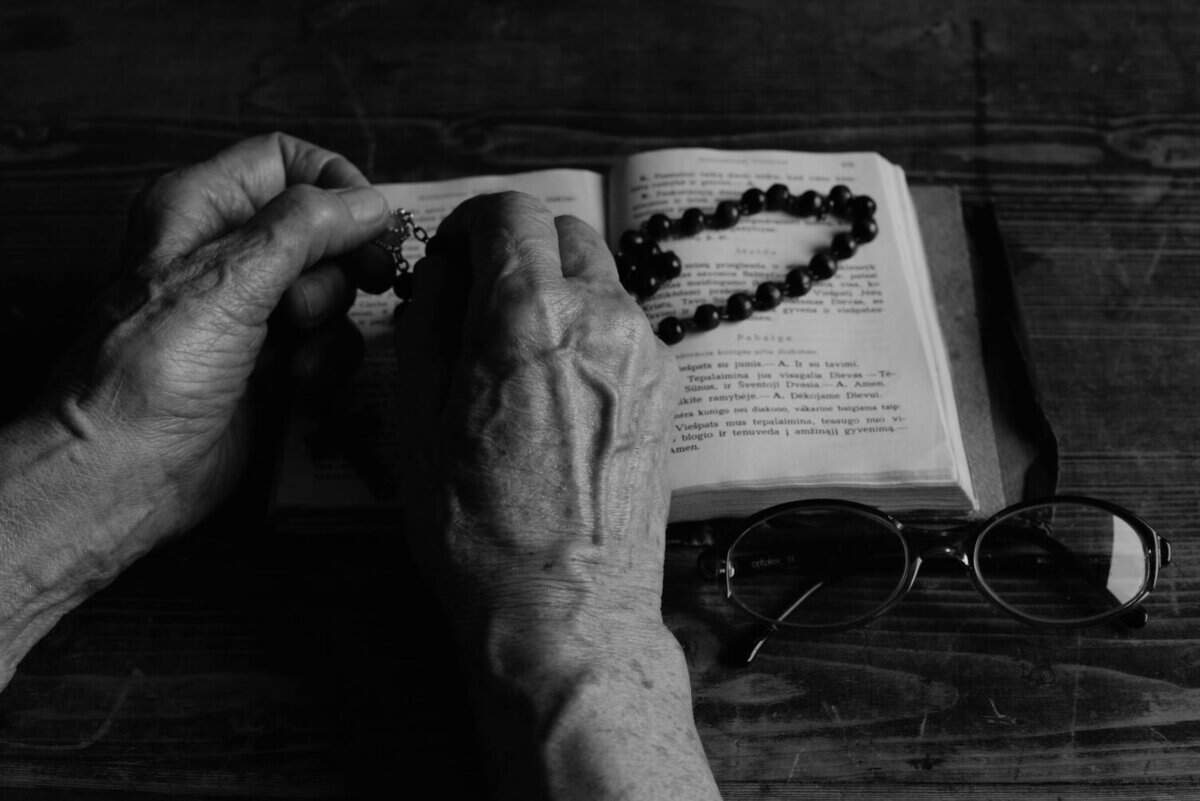
When you feel ready to open the Bible again, you must change how you read it.
Approach it like you would any ancient myth. When reading the Iliad, you don’t believe that Athena literally came down to support her favorite warriors?
Instead, you look for metaphors e applicare contesto.
Learn about the culture that the Holy Book is based on.
Of course, don’t just read Scripture, but read about Scripture. Many great philosophers wrestled with the very verses that confuse you, so look at how they understood them.
9. Rebuild Your Faith

Faith is a journey. We lose and regain it a hundred times throughout life. At least I did.
Questioning your beliefs is the first step toward strengthening them. You need to be able to explain to yourself what you believe for your faith to be true.
In the process, you might turn your back on certain doctrines, and that’s okay.
Whenever you feel bad for doubting, remember Apostle Thomas. He refused to just believe what he was told, and he was still a trusted disciple of Christ.
And lastly, focus on the love and grace of Gesù Cristo.
Even He questioned certain parts of the Old Testament, claiming that Father didn’t intend for us to interpret them that way.

A little Aquarius, devoted to writing and embroidery. Through my writing, I hope to empower readers to align with their true selves and navigate life’s mysteries with confidence.