
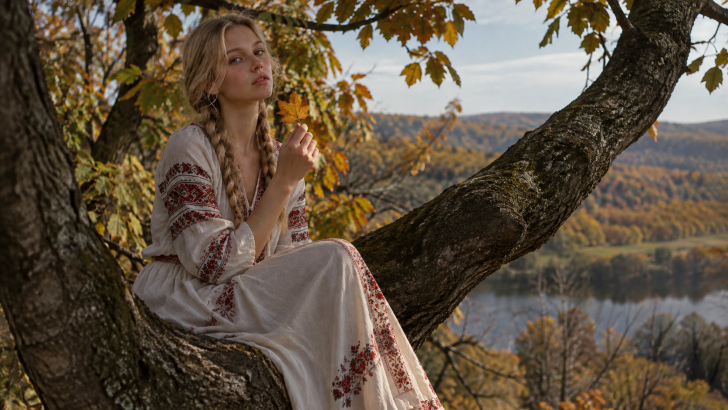
Plants were never just part of the scenery in Slavic folklore. A tree could mark a sacred place.
A flower could appear in a love custom. Certain herbs were gathered on special days, while other plants were believed to protect the home.
Some traditions are very old. Others come from later Christian folk culture.
And because Slavic traditions stretch across many countries and centuries, the meaning of the same plant could change from one region to another.
That is part of what makes the subject so interesting. The forest, field, garden, and village home were filled with plants that carried stories far beyond their everyday uses.
Here are ten sacred and symbolic plants connected to Slavic folklore.
1. Oak – The Tree of Thunder and Strength
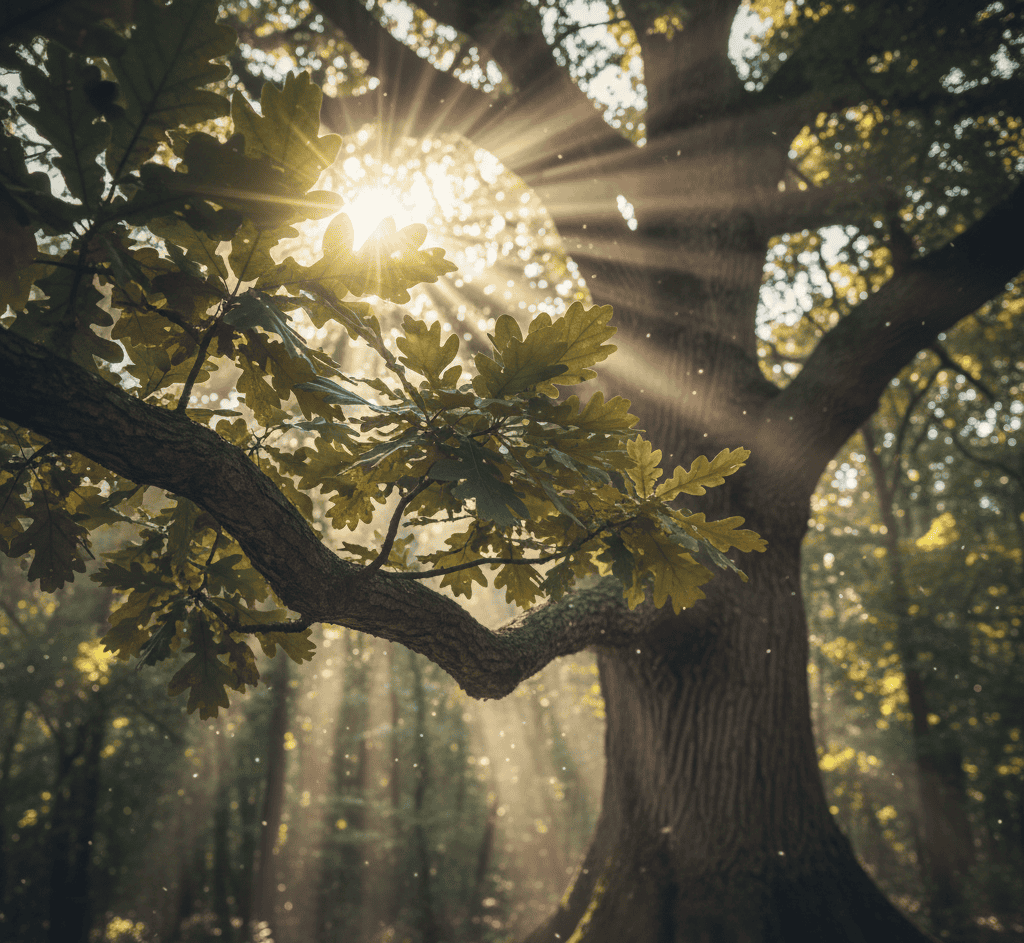
Few trees have a stronger place in Slavic tradition than the oak. It is often connected with Perun, the Slavic god of thunder, lightning, warfare, and authority.
The connection makes sense. Oak trees can grow enormous and live for centuries.
They stand high above the landscape, and their size makes them natural targets for lightning.
Sacred groves and important trees appear in accounts of Slavic religious life, although the exact customs were different across regions.
The oak came to represent strength, protection, endurance, and divine power.
Even after Christianity spread through Slavic lands, old trees could remain important gathering places.
There is something easy to understand about that. Walk beneath a truly ancient oak, and it does not feel like an ordinary plant.
It feels as though it was there before you arrived and plans to remain long after you leave.
2. Birch – The Tree of Spring and New Beginnings

If the oak feels powerful and ancient, the birch feels almost like the opposite. It is bright, delicate, and strongly connected with spring.
Birch branches appear in seasonal customs in several Slavic regions, especially during late spring and early summer celebrations.
Young birch trees could be decorated with ribbons, flowers, or wreaths. Girls sometimes gathered around them for songs, dances, and rituals connected with youth and the changing season.
Over time, older seasonal customs also mixed with Christian celebrations such as Trinity and Pentecost.
The birch became linked with freshness, renewal, beauty, and young life. Its white bark only made it more noticeable.
After a long winter, green birch branches were an easy symbol of the world becoming alive again.
For people whose lives depended heavily on the seasons, that return of green was worth celebrating.
3. Rowan – A Tree of Protection
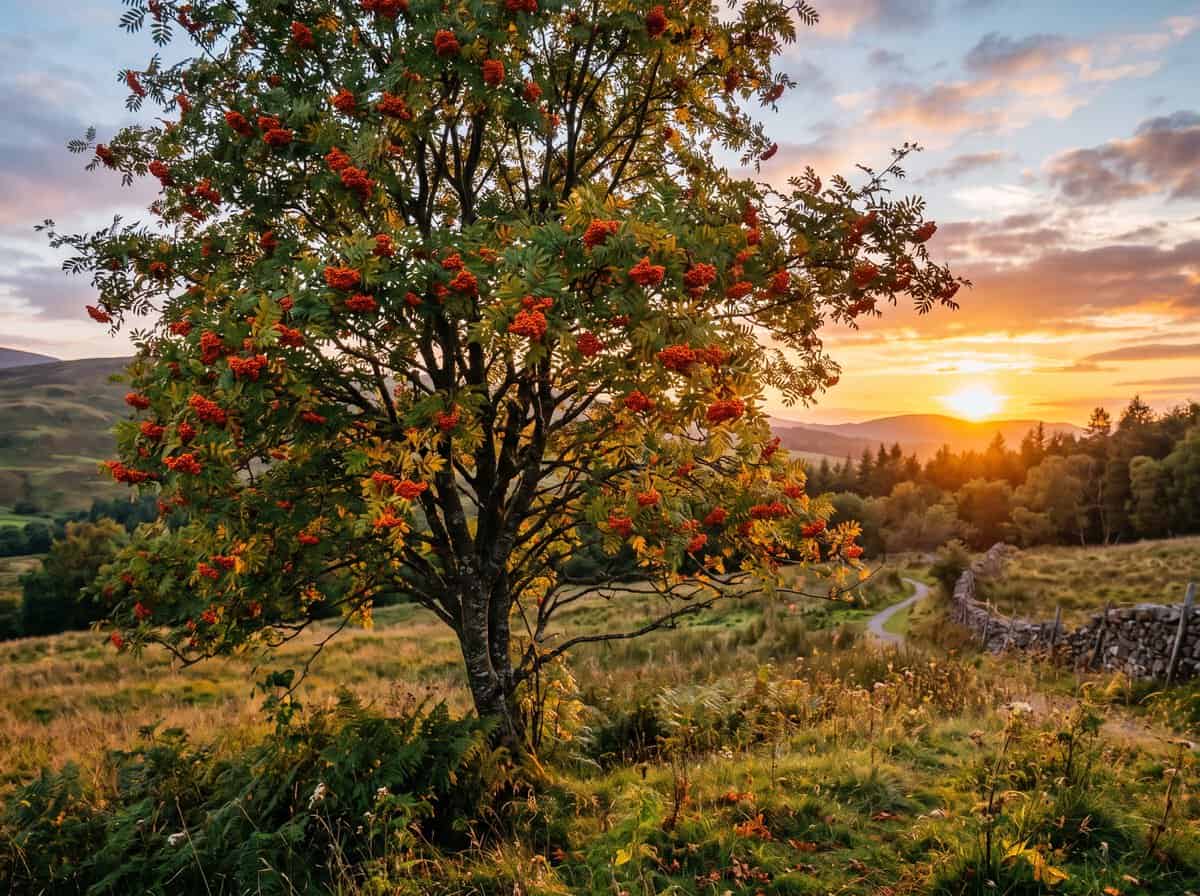
Rowan is easy to recognize when its clusters of bright berries appear.
In Slavic and wider European folklore, the tree gained a strong reputation for protection.
Branches, berries, and pieces of rowan wood could be connected with customs meant to guard homes, animals, or people from harmful forces.
Its red berries probably helped strengthen this reputation. Red was often treated as a powerful protective color in traditional cultures.
Rowan also stood out during parts of the year when other plants had lost much of their color.
Different regions naturally developed different beliefs around it, so there was no single Slavic “rowan ritual.”
Still, the protective theme appears again and again. A rowan growing near a home could feel like more than a beautiful tree.
In folklore, it could become a quiet guardian standing at the edge of everyday life.
4. Fern – The Plant With a Magical Flower

The fern carries one of the most famous impossible plants in Slavic folklore.
According to legends, a fern could produce a magical flower on a special night, often connected with Ivan Kupala celebrations around midsummer.
There is one obvious problem. Ferns do not produce flowers. That is exactly what makes the legend so magical.
Finding the mysterious fern flower was said to bring extraordinary luck or knowledge.
In different versions, the finder might discover hidden treasure, understand animals, gain unusual insight, or see secrets normally hidden from humans.
Of course, nobody could simply walk into the forest and pick one. The search was often described as difficult and frightening.
The fern flower belonged to a night when the ordinary rules of the world seemed weaker.
Its power came partly from the fact that it could never exist in normal life.
5. Mugwort – The Herb of Midsummer Traditions

Mugwort has a long history in European folk practices, including traditions found across Slavic regions.
It became especially connected with midsummer customs.
People could gather aromatic plants around celebrations associated with Ivan Kupala, when fire, water, plants, courtship, and seasonal change all became important themes.
Mugwort was one of the herbs that gained a reputation for protection.
It could be carried, placed around the home, or included among other plants gathered at meaningful times of year.
Later folklore sometimes gave such herbs increasingly magical qualities. But there was also a practical reason people noticed mugwort.
It has a strong smell and was a familiar wild plant. That made it easy for stories and customs to grow around it.
Something found beside an ordinary path could suddenly become special when gathered on the right night.
6. Linden – The Tree of Community and Protection
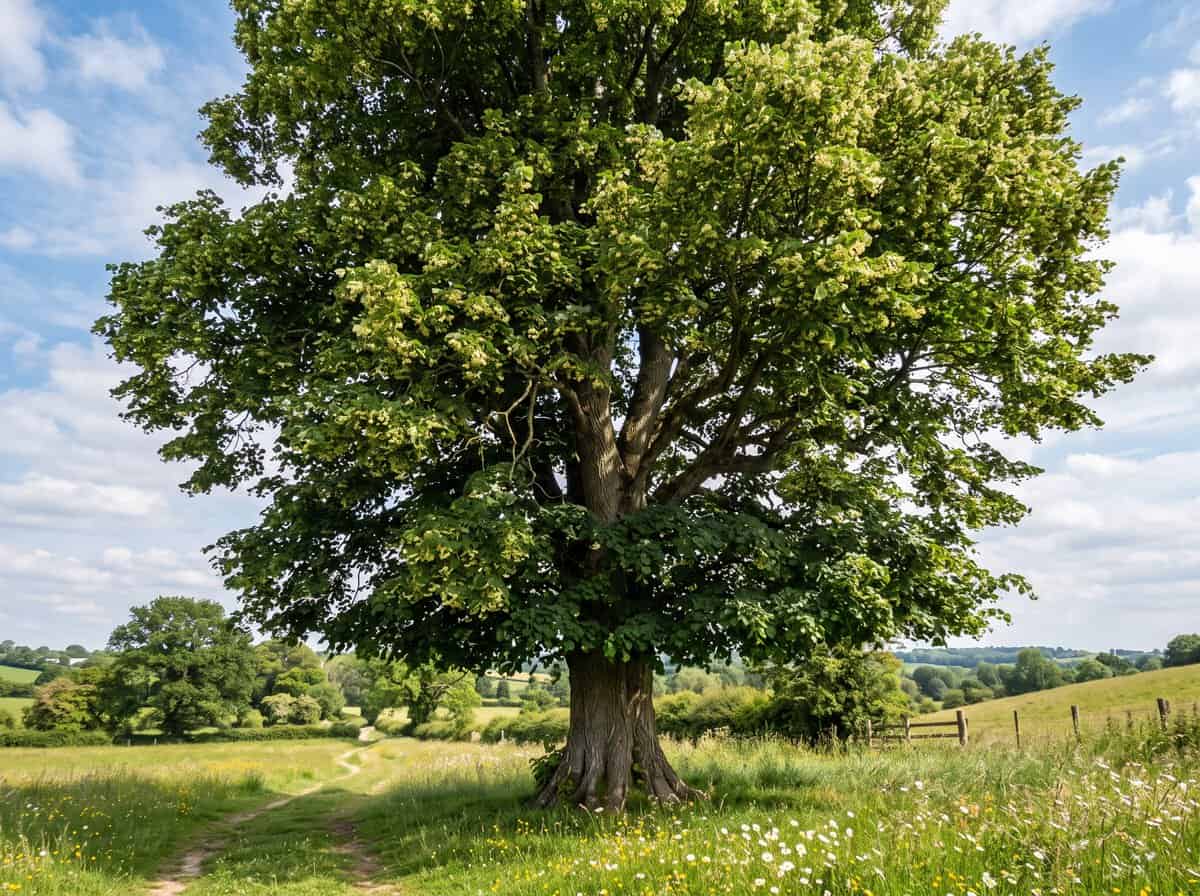
The linden, also called the lime tree, has a special place in many Slavic cultures. Its importance went far beyond mythology.
Linden trees could stand near homes, churches, village centers, and meeting places. Their shade created natural spaces where people could gather.
The tree also became connected with protection and sacred places.
In later Christian folk tradition, some linden trees were associated with the Virgin Mary, saints, shrines, or local religious customs.
That makes the linden a good example of how plant traditions can change without completely disappearing.
An important tree from older local culture could gain a new Christian meaning while remaining important to the community.
Even today, the linden has a strong cultural presence in parts of the Slavic world.
Its fragrant flowers, broad shade, and long life make it easy to see why people formed such a close relationship with it.
7. Willow – The Tree Between Water and Spring

Willows love wet places. They grow beside rivers, streams, ponds, and damp ground, which gave them a natural connection with water.
In Slavic folklore, willow branches became especially important in spring customs.
Later Christian traditions used willow branches around Palm Sunday in regions where actual palm branches were difficult to find.
But folk beliefs often went beyond their official religious meaning.
Willow branches could be treated as symbols of health, life, protection, and spring energy.
The tree’s ability to grow quickly also helped create its image as a plant full of life.
At the same time, its connection with water gave it a more mysterious side.
Rivers and wetlands were important places in Slavic folklore, sometimes connected with spirits and strange encounters.
The willow therefore belongs to two worlds at once. It is a cheerful sign of returning spring, but it also grows beside places where old stories become a little darker.
8. Apple Tree – The Tree of Love and Fertility
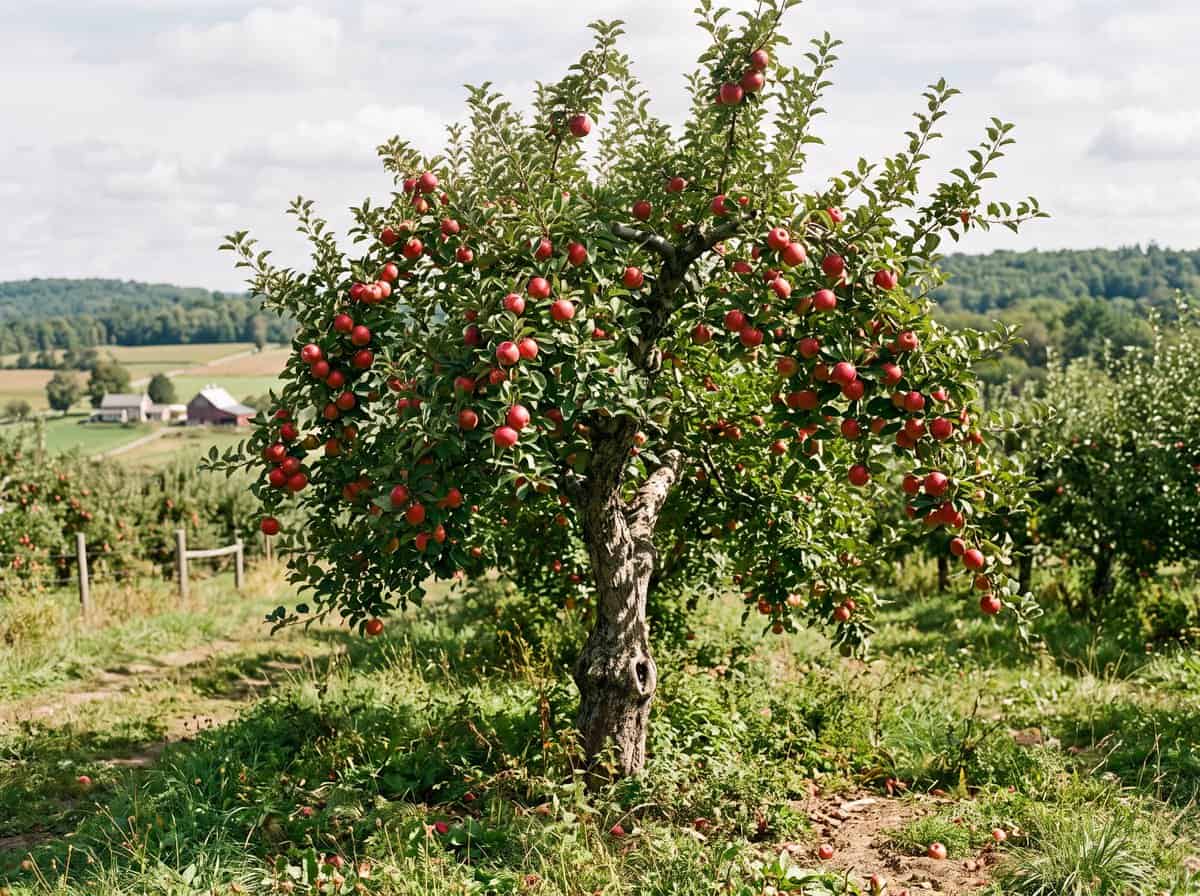
Apples appear again and again in European folklore, and Slavic traditions are no exception.
The apple tree could be connected with youth, beauty, marriage, fertility, and abundance.
Apples naturally fit these ideas. A healthy tree produces many blossoms in spring and then fruit later in the year.
It becomes an easy symbol of something beginning beautifully and eventually producing a reward.
Apples also appeared in courtship and wedding customs in some Slavic regions.
Giving, accepting, or using an apple in a particular way could carry a romantic meaning.
The exact custom depended on the place and period. Apple trees also belonged to the everyday world.
Families grew them. People ate the fruit. Children knew the trees.
That familiarity made the symbolism stronger, not weaker.
Magic in folklore did not always come from rare plants hidden in distant mountains. Sometimes it grew right outside the house.
9. Periwinkle – The Flower of Lasting Love
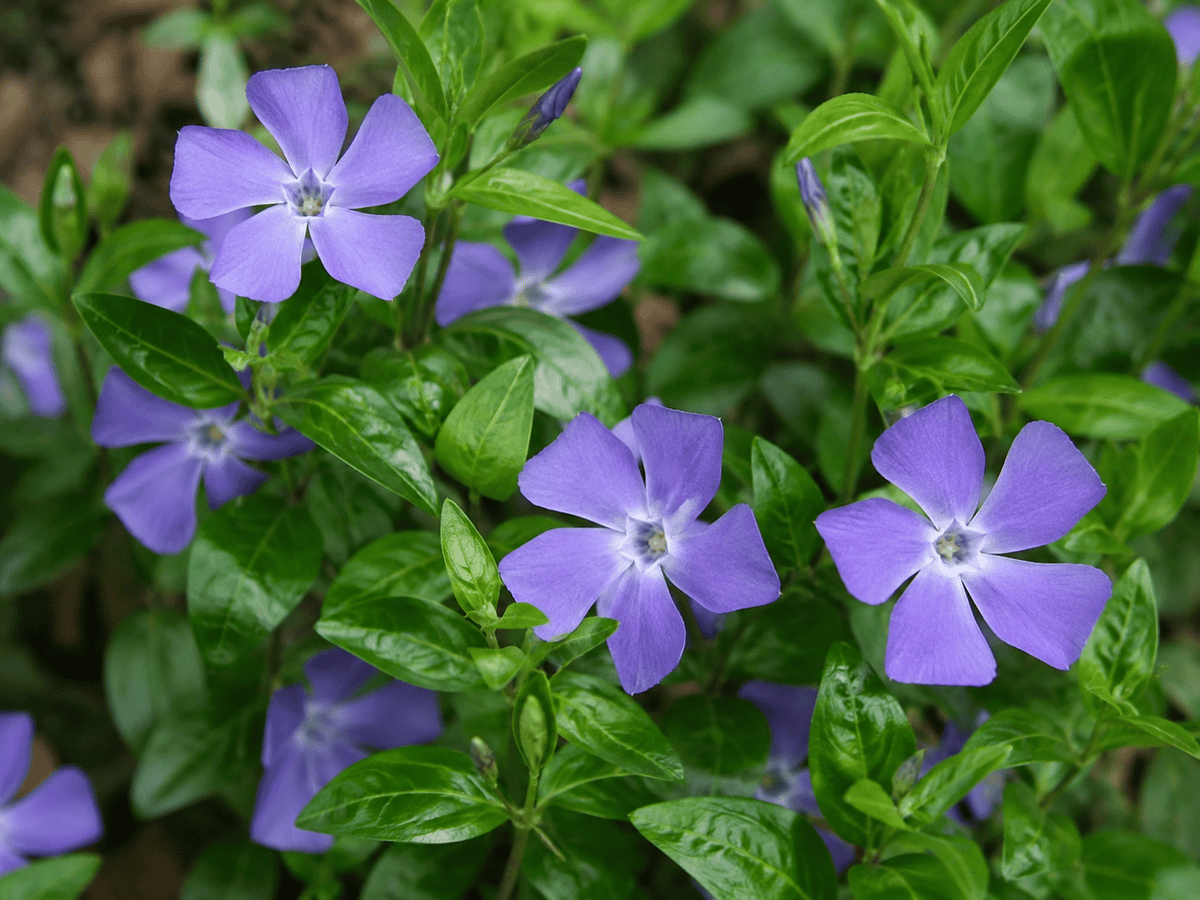
Periwinkle is a small evergreen plant, but it gained a large role in some Slavic traditions. It became especially important in wedding customs.
Because the plant stays green, it can represent lasting life, loyalty, and love that does not quickly fade.
Periwinkle was sometimes woven into wedding wreaths or used in decorations connected with the bride and groom.
Its symbolism is beautifully simple. Flowers bloom and disappear. Periwinkle remains green.
For a wedding, that made it an obvious image of the kind of relationship people hoped the newly married couple would have.
The plant also appears in songs and folk traditions, particularly in parts of Ukraine and other Slavic regions.
It shows how an ordinary little plant could carry enormous emotional meaning.
You did not need a rare magical flower. A few green leaves could represent a promise meant to last for years.
10. Wheat – The Sacred Symbol of Life and Abundance
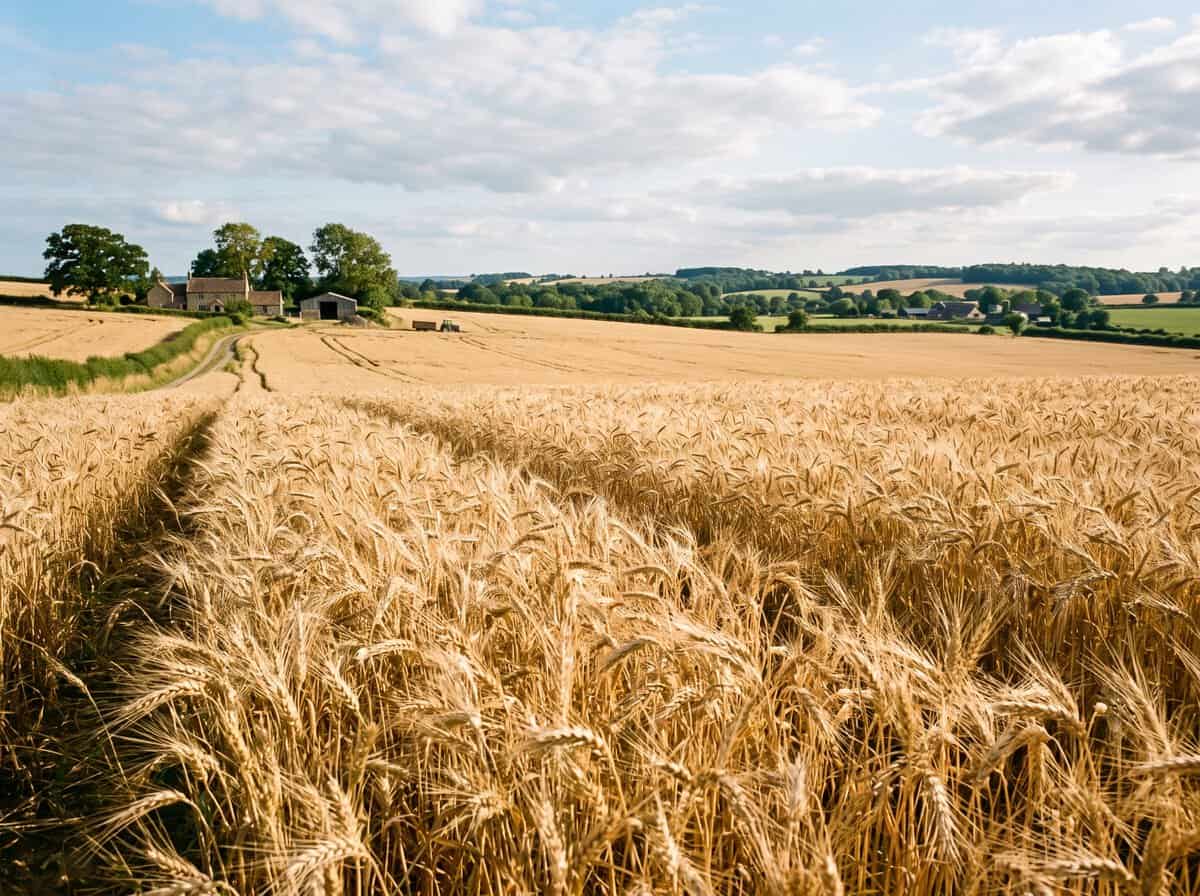
Wheat may not seem mysterious. For many Slavic communities, however, few plants were more important.
Grain meant food. A successful harvest could mean security through winter. A failed one could bring real hardship.
It is no surprise that wheat became surrounded by customs connected with fertility, prosperity, family, death, and the changing seasons.
Grain appears in wedding traditions, harvest celebrations, seasonal customs, and later Christian folk practices across the Slavic world.
It could represent abundance because one seed produces many more.
It could also represent the cycle of life. Grain is placed into the earth, disappears from sight, and then returns as a living plant.
This symbolism became especially powerful in farming communities.
Wheat did not need a legend about hidden treasure to feel sacred. It kept people alive.
The magical world was rarely completely separate from everyday life.
It grew in forests, beside rivers, around houses, and across the same fields people depended on every single year.

Ho sempre sentito una forte connessione con il Divino fin dalla mia nascita. Come autrice e mentore, la mia missione è aiutare gli altri a trovare l'amore, la felicità e la forza interiore nei momenti più bui.