
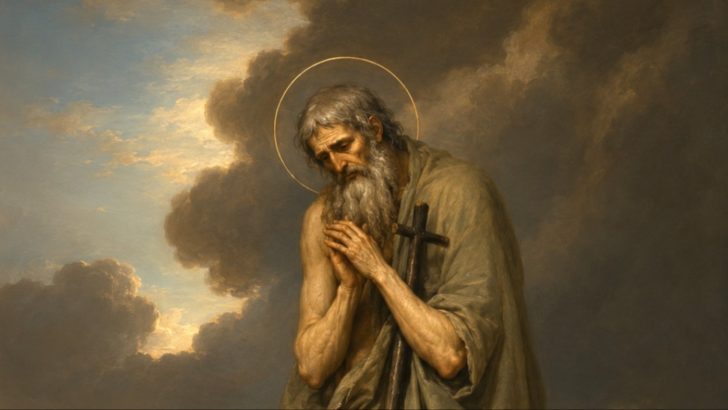
The Church honors and remembers countless saints. In fact, pick any day of the year, and you’ll find it’s a feast day of at least two saints.
At some point, some heroes of faith slip from the collective memory and end up forgotten.
But let’s not toss their wisdom aside! Let’s explore their lives and the strength of their faith.
1. Saint Isidora of Tabenna
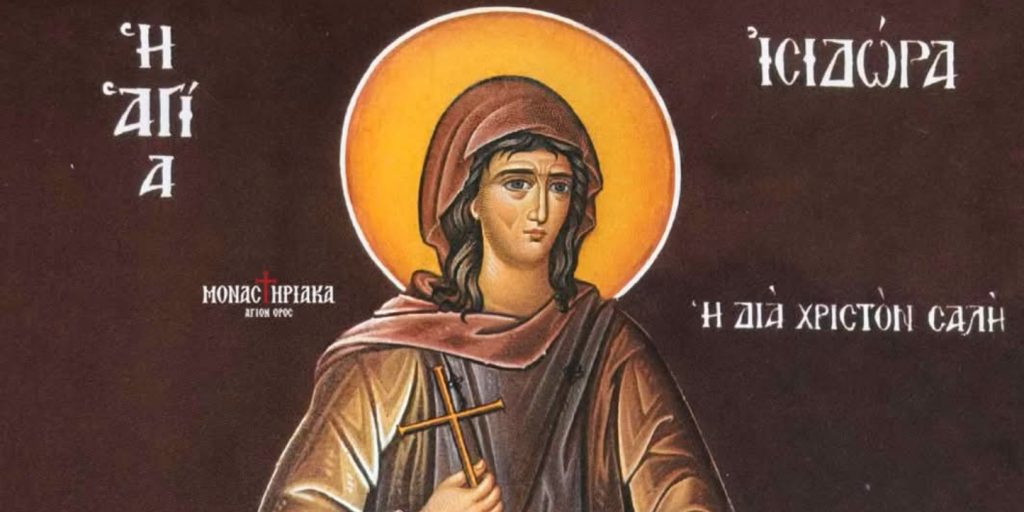
In 4th-century Egypt, there was a woman named Isidora who saw human praise come distruttivo and toxic.
She lived in a monastery in Tabenna, but instead of working to be the holiest and the most respected nun, she went the other way!
Isidora tied a dirty dishrag to her head and pretended to be completely simple-minded.
She played a fool on purpose because she wanted to be treated like the lowest servant in the monastery.
As part of this, she also took on the most degrading chores, enduring the mockery of the other nuns without ever talking back.
Playing ignorant was her way to drown her ego.
2. Saint Stylianos of Paphlagonia
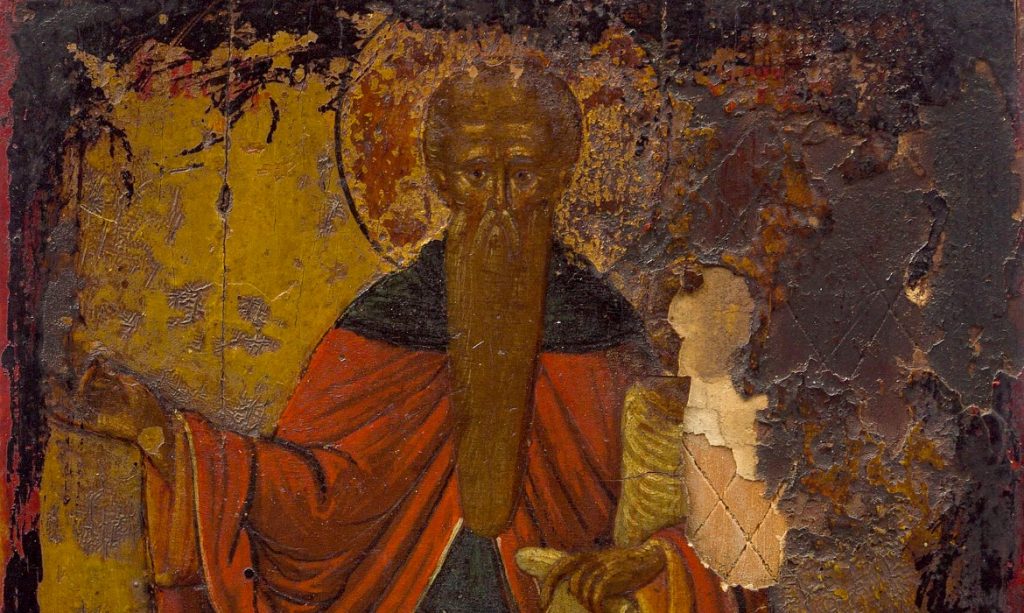
In all the icons depicting Saint Stylianos of Paphlagonia, he’s cradling a baby in his arms.
In the 6th century, people lived in a desperate reality when sick babies and children had little to no chances of survival.
Stylianos was a hermit, completely withdrawn from society, but he still couldn’t turn his back on the most vulnerable.
He dedicated his entire life to pregare for children and nursing them back to health in his shelter.
After some time, he became known as the holy man, a miracle worker who could save children’s lives, and parents traveled for days to find him.
In a world that discarded the weak, Stylianos had empatia.
3. Saint John of Ustiug
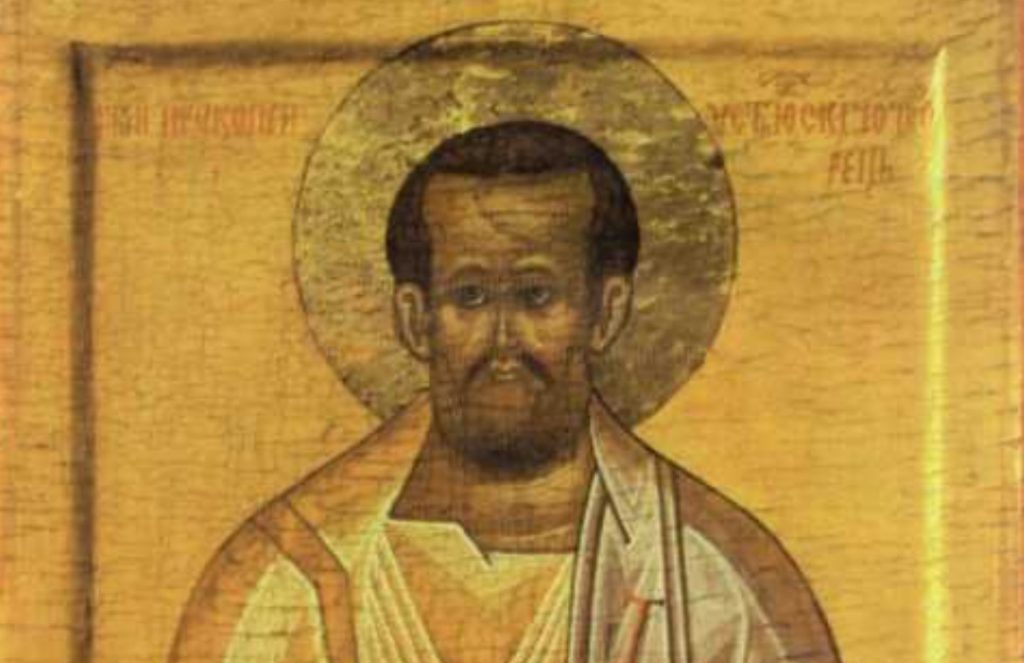
Saint John of Ustiug lived in the 13th century Russia.
He was a fool-for-Christ, which is what the Orthodox tradition dubbed the believers who act in insane ways to prevent complacency of the people around them.
In the middle of a notorious Russian winter, he took his clothes off and climbed onto a church roof to pray!
To make matters worse, he lived in the north, and the weather conditions were so severe that they should have killed him.
He believed that he carried the spiritual burdens of the whole city, so he endured the pain and discomfort while the people pointed and laughed at him.
4. Saint Gerasimos of Cephalonia
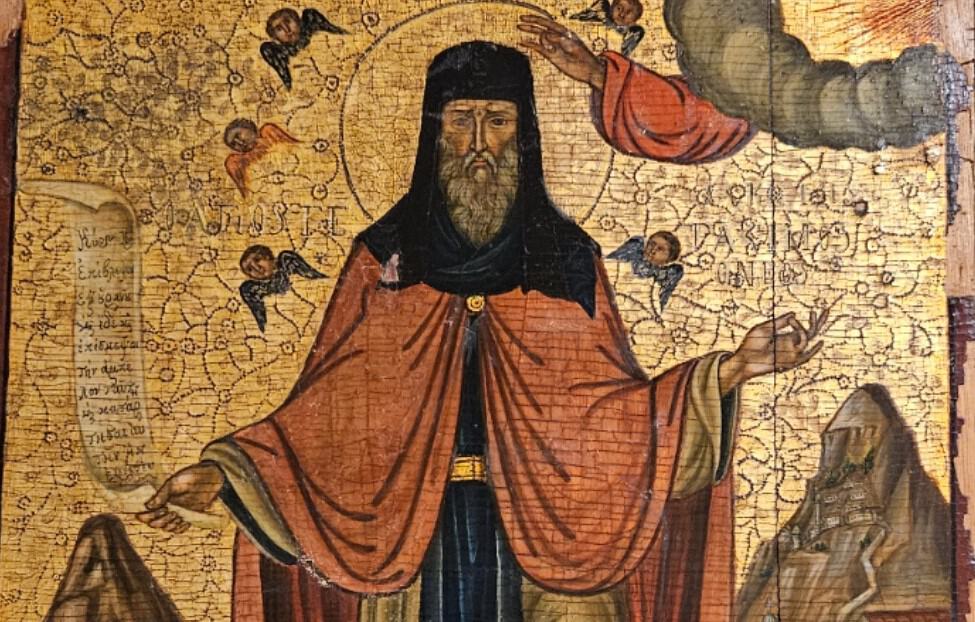
Nel 16th century, on the isolated Greek island of Cephalonia, Saint Gerasimos chose to devote his life to helping the mentally ill.
As you can imagine, mental illness was terribly misunderstood at the time.
The sick were often abandoned by their families, locked away, or left in the wilderness.
Thankfully, Saint Gerasimos didn’t see them as monsters but as the forgotten children of God.
He spent his whole life seeking them out and bringing them back to his monastery, where he fed them, washed their feet, and prayed for their health.
Much like the other people of his time, he might have also thought these people were cursed or possessed.
And still, he faced their chaos and responded with care and love.
5. Saint Pelagia Ivanovna
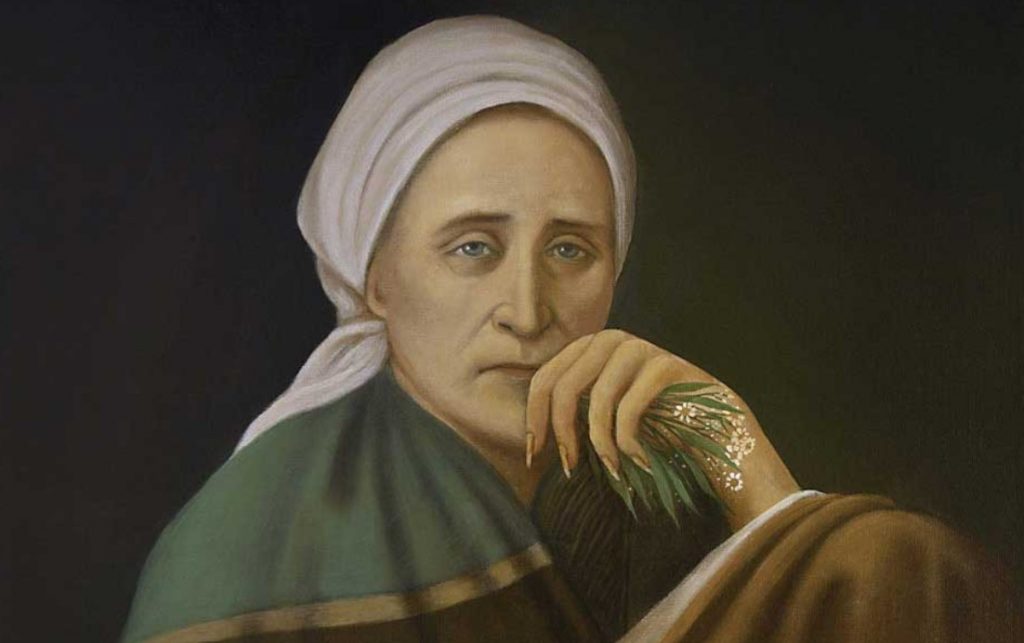
In the 19th century, Saint Pelagia Ivanovna was a mystic who lived a brutally ascetic vita.
Instead of seeking any comfort, she chose to wear chains beneath her clothes and barely ate anything. She spent all her waking time in deep prayer.
She saw the world of her time as infiltrated by evil and sought to protect it with devotion. But sadly, her sacrifice mainly went unnoticed.
She willingly became a living ghost, torturing her body and soul for the good of the many who easily forgot about her.
6. Saint Thomas the Fool of Syria
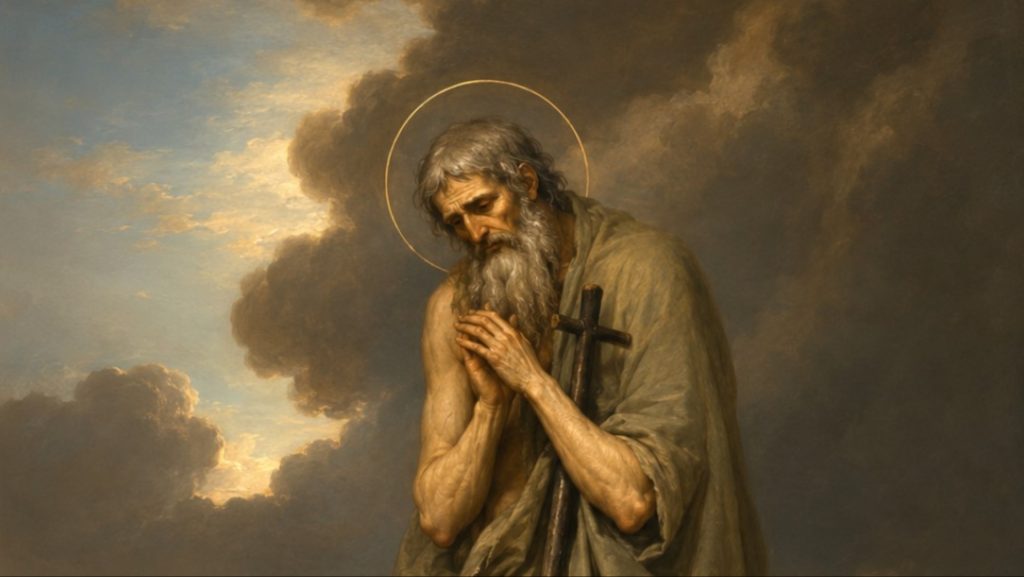
In the 6th century, Saint Thomas was looked upon as a joke by the people of his village.
Much like Isidora of Tabenna, he hid his holiness and his ego by acting like a complete nuisance.
He behaved strangely in public and crashed social gatherings. He would often say bizarre things, so people despised him.
They mocked him endlessly, and he accepted that rather than having people praise him.
The foolish disguise was cleared only after he died, when people discovered he was a holy man walking among them!

A little Aquarius, devoted to writing and embroidery. Through my writing, I hope to empower readers to align with their true selves and navigate life’s mysteries with confidence.