
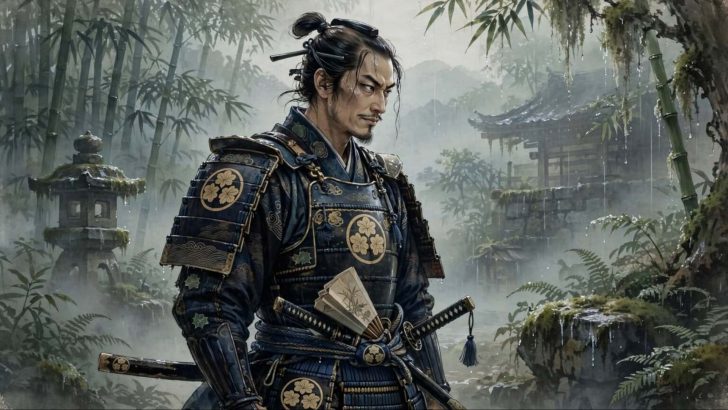
Japanese samurai clans had shaped the country’s history for centuries.
They fought against foreign invasions and decided who got to run the country, and some of them had left such a strong impact that it’s still felt today!
There are clans that rose and fell quickly, and then there are those that maintained their power for generations.
Here are some of the strongest samurai clans in Japanese history!
1. The Minamoto Clan
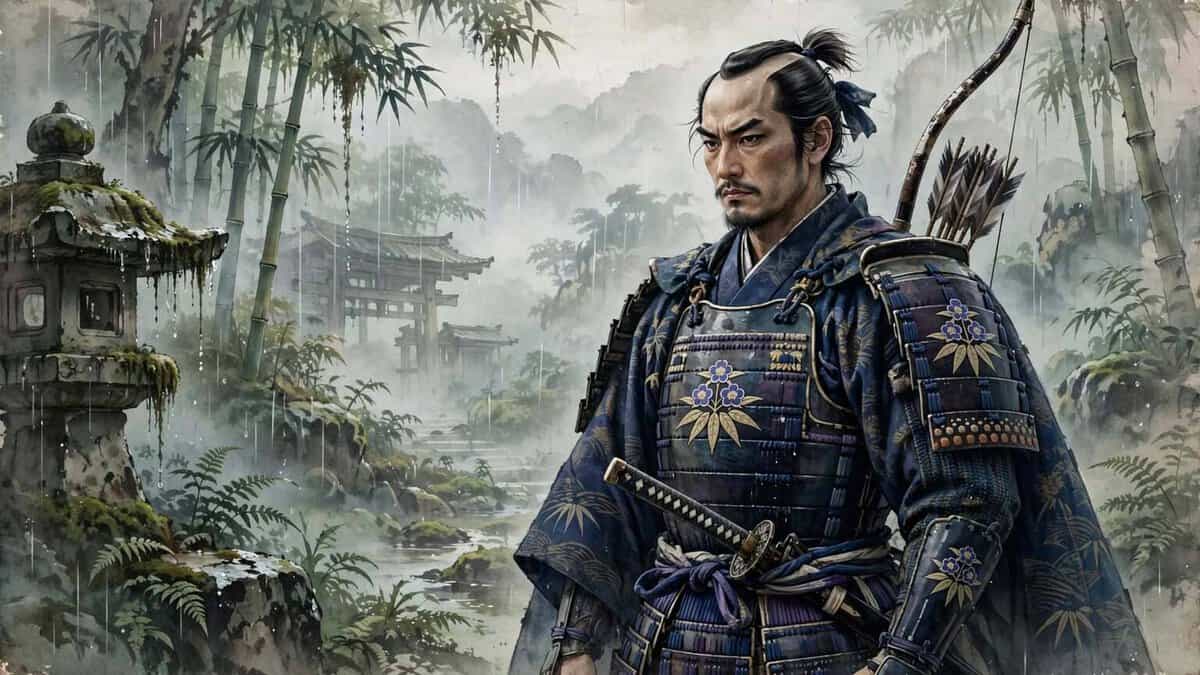
The Minamoto clan marks the beginning of samurai rule in Japan.
The clan descended from imperial princes who never got to inherit the throne, and then built itself into a powerful warrior’ guild.
One of their most glorious moments came in the 1180 civil war against the Taira clan (the Genpei War).
Minamoto no Yoritomo led the clan, and thanks to his ruthless leadership, the Taira clan was nearly wiped out in 1185.
Later, he named himself shogun and created Japan’s first military government.
For the first time, real power was no longer in the hands of the imperial court, but in the hands of the samurai.
The Minamoto clan essentially invented the shogun system that went on to define Japanese politics for nearly 700 years!
2. The Taira Clan
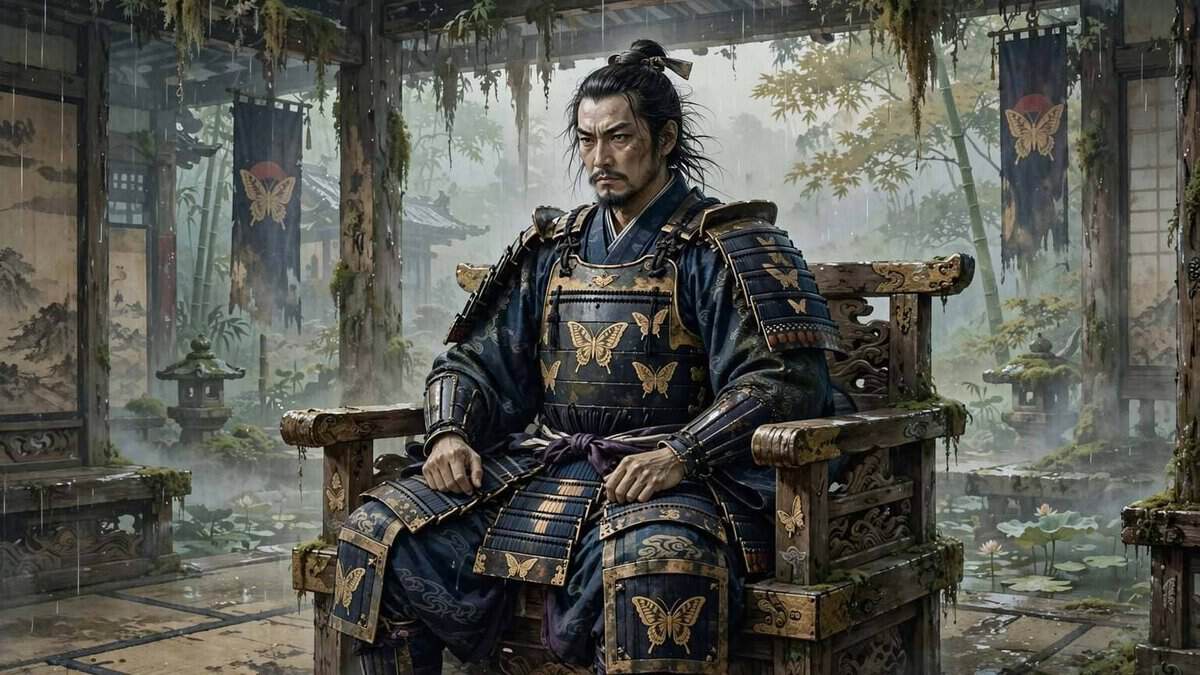
Before the civil war, the Taira clan had also done something that had never been done before.
Taira no Kiyomori, a samurai, became the de facto ruler of Japan while essentially just being a ruler who served the imperial court.
By the 1160s, he managed to gain control over the government and place his grandson sul throne. He also filled the court with Taira loyalists.
This clan was the first to prove that the samurai were more than sellswords.
However, their dominance attracted trouble, which culminated in the Genpei War and a terrible loss.
Still, it was their success that influenced the ambition of all powerful clans that came later.
3. The Hōjō Clan
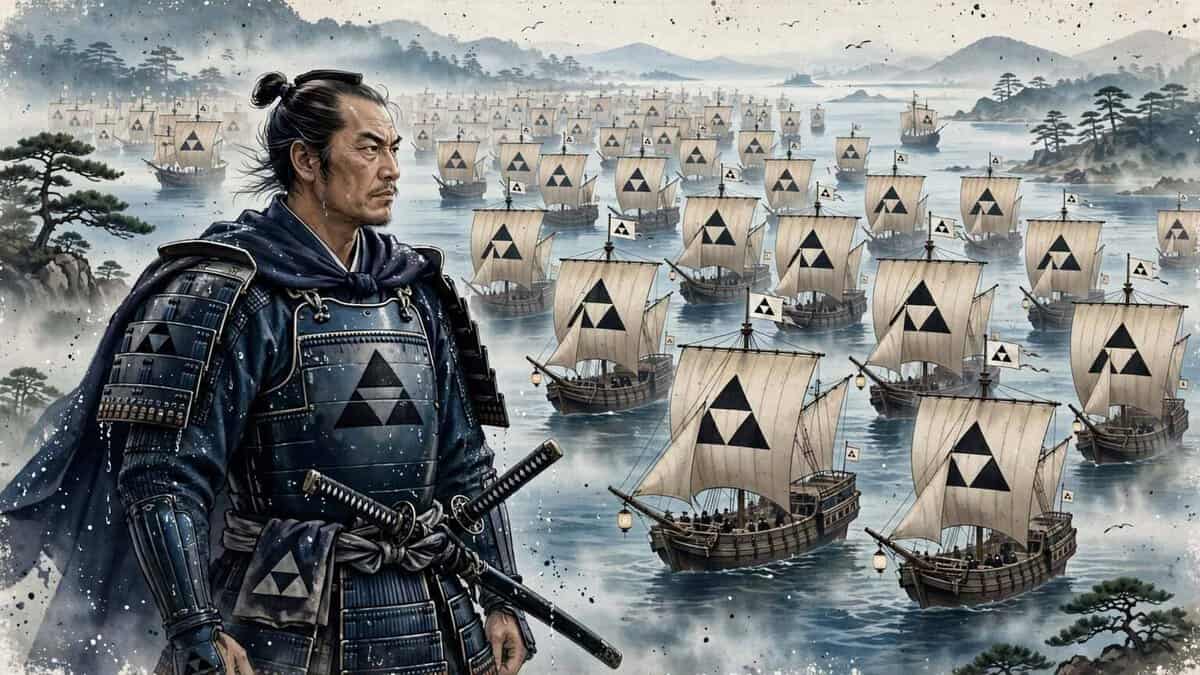
The Hōjō samurai clan ruled Japan without actually being in charge.
After the founding line of the Minamoto military government died out, they took over as regents. They created the shogunate and quietly ruled from behind the throne for over a century.
In the late 1200s, the clan had its brightest moment, after Hōjō Tokimune led the defense against Kublai Khan‘s fleets.
This victory seemed divinely blessed because the clan defeated the invaders twice, and both times, well-timed typhoons came to finish the job.
These typhoons were even dubbed “divine wind.”
Aside from the battlefield, the Hōjō were administrators and lawmakers.
They remained in power until the 1333 rebellion.
4. The Oda Clan
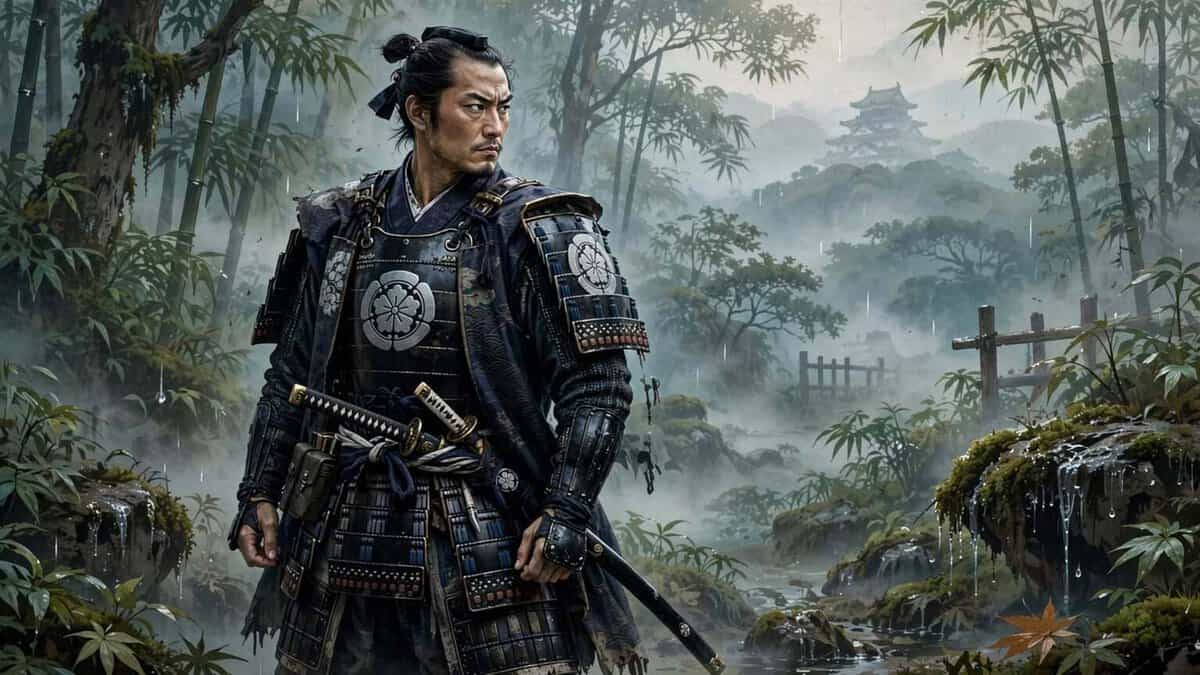
During the Sengoku period, Japan was war-torn and basically leaderless.
The Oda clan was minor compared to some other samurai clans until Oda Nobunaga came into power by defeating a much larger army in 1560 with a surprise attack.
He also invented various tactics that helped his clan stand out.
He built the Azuchi Castle and crushed rival warlords and rebels, striving to unify Japan under one ruler.
That job remained unfinished, however.
In 1582, he was betrayed and forced to take his own life.
His life’s work made a crucial impact: unification became the goal of those who came after him.
5. The Takeda Clan
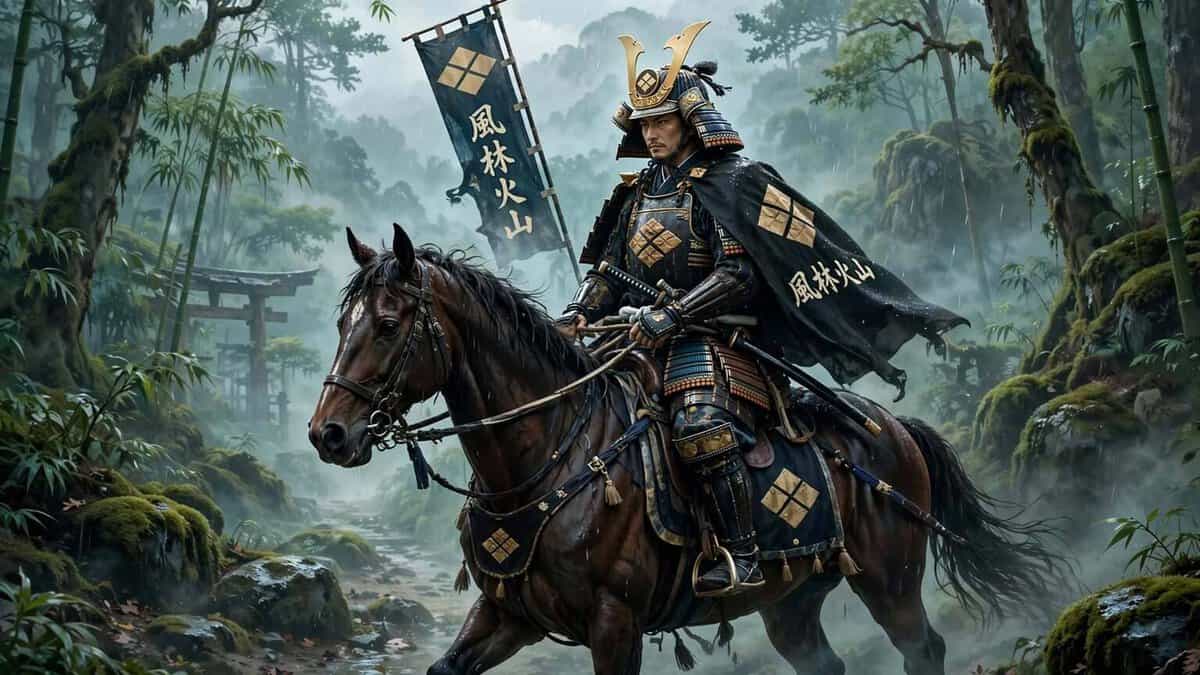
The Takeda clan produced one of the most respected warlords in Japanese history: Takeda Shingen.
He had built a cavalry force so fierce it borders on legend. His military philosophy consisted of being as swift as the wind and completely quiet.
His famous rival was Uesugi Kenshin, and the two samurai clashed repeatedly in the 1500s.
Takeda Shingen was set on conquering neighboring provinces, and he even threatened Oda Nobunaga’s territory.
He reportedly died from an illness during a campaign.
Those who followed after him weren’t as successful, but regardless, his feats alone made the Takeda clan one of the most prominent.
6. The Uesugi Clan
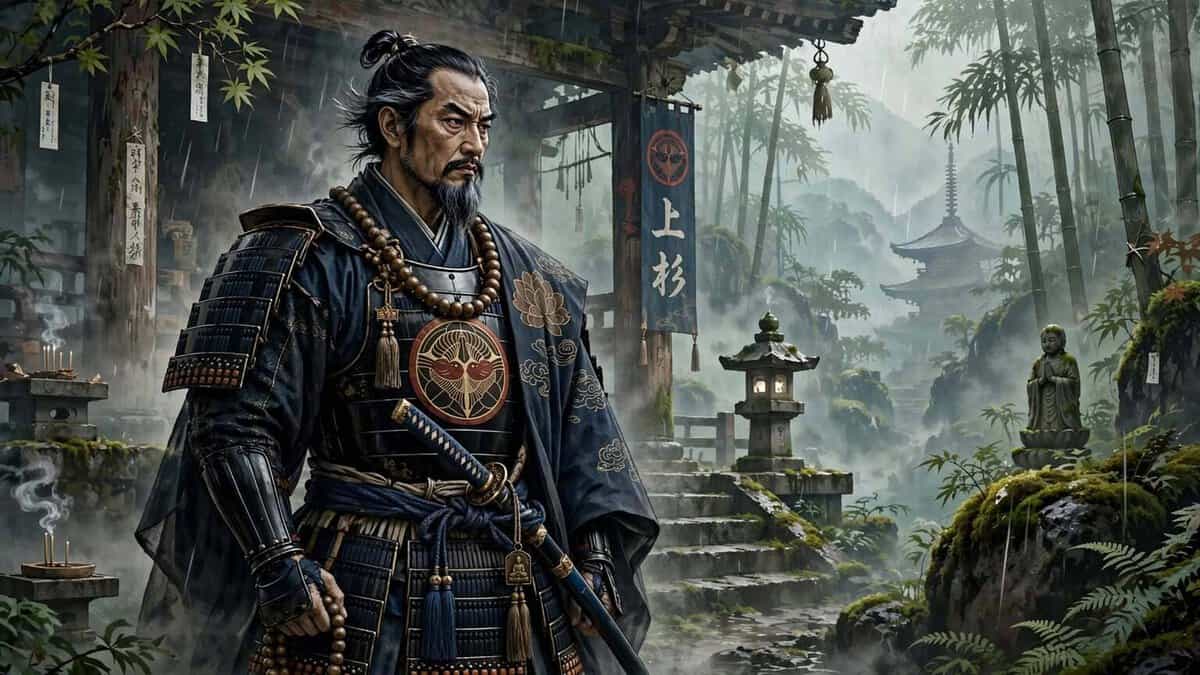
Uesugi Kenshin earned the nickname the God of War, and tells you all that you need to know about him.
He was a devout Buddhist who kept his army strictly disciplined.
His rivalry with Takeda Shingen became legendary in Japanese military history, especially since there was never a definitive winner.
This samurai’s character gets even more interesting when you learn that he was truly honorable.
When his rival’s territory was cut off from salt supplies, Uesugi Kenshin sent him salt instead of exploiting the crisis.
After his death in 1578, his adopted son took over.
The Uesugi clan’s legacy was marked by discipline and honor, in what was arguably the bloodiest era in Japanese history.
7. The Mōri Clan
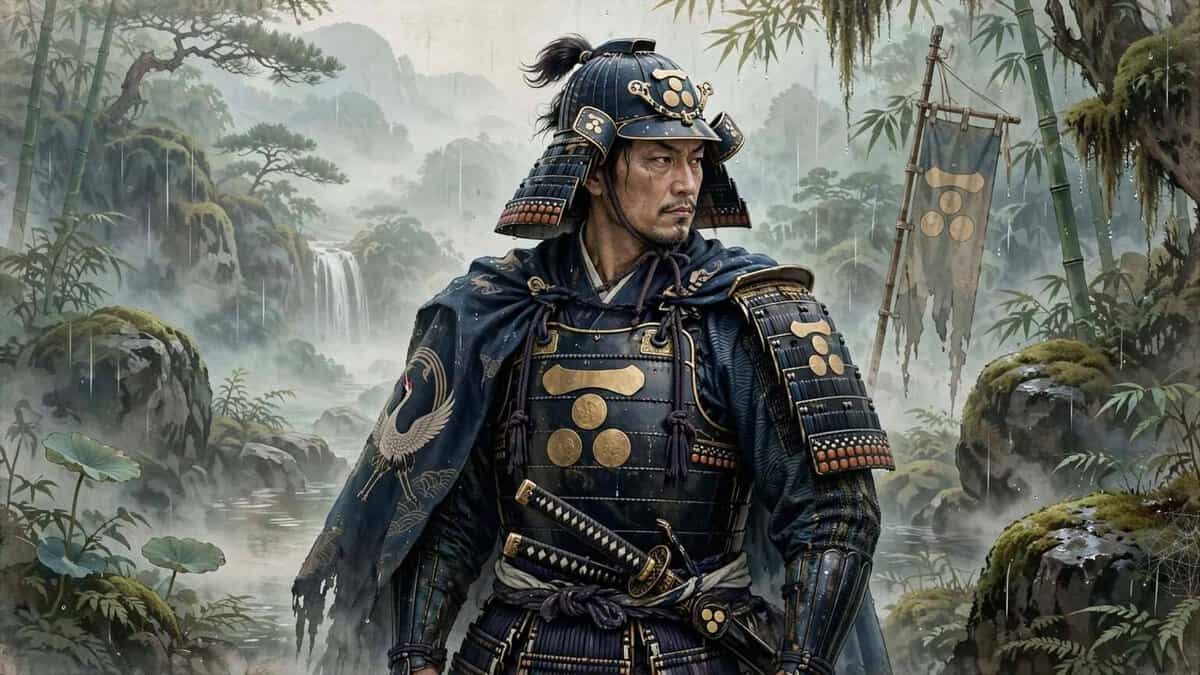
The Mōri used strategia instead of force to come into power, thanks to Mōri Motonari.
He started as the head of a minor family, but he forged alliances and made calculated betrayals, which allowed him to dominate his region.
His most famous victory happened in 1555, when he lured a much larger army onto a cramped island and attacked from ambush.
This samurai clan was known for internal unity, and Motonari himself taught his sons to always stick together.
This allowed the clan to become one of the most powerful in western Japan.
8. The Toyotomi Clan
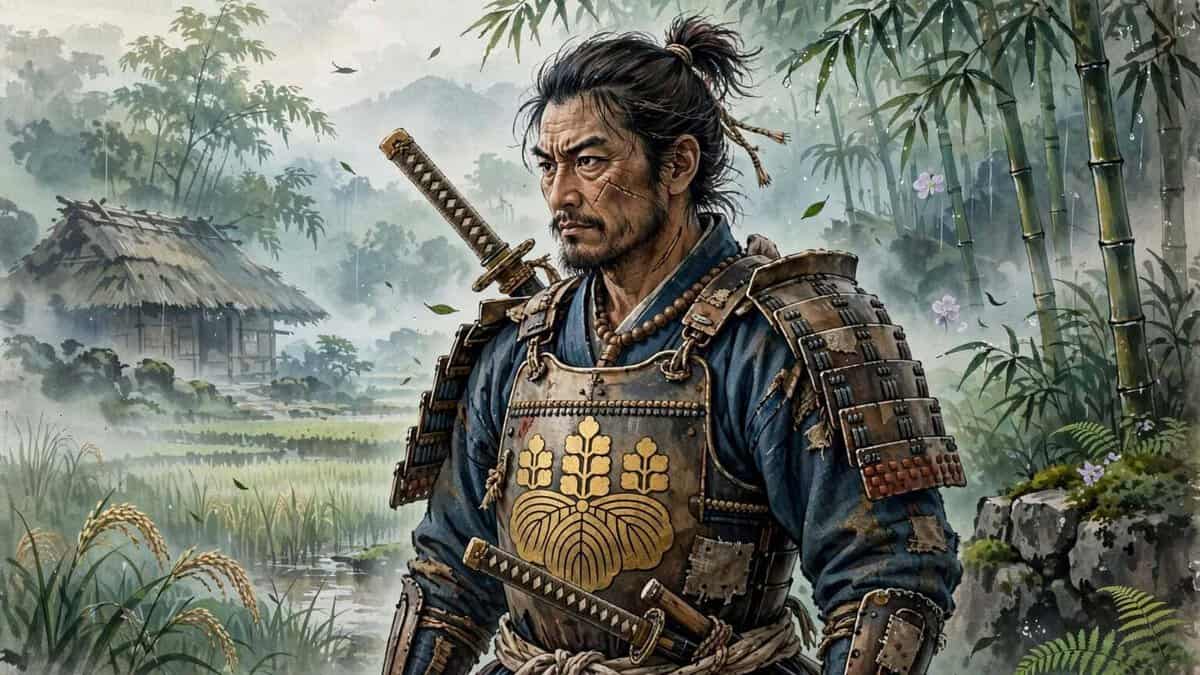
Toyotomi Hideyoshi was born a peasant with no samurai bloodline. He climbed the ranks under Oda Nobunaga through pure talent.
After Nobunaga’s death, Hideyoshi avenged him and took over the unification.
Over the next several years, he worked tirelessly until he finally became the ruler of Japan in 1590!
He singlehandedly reshaped society, creating a class structure that stood for centuries. He also strengthened tax collection around the country.
At some point, however, his ambition went too far. Two expensive invasions of Korea failed without achieving anything meaningful.
Still, Toyotomi Hideyoshi did unify Japan after centuries of civil war.
9. The Tokugawa Clan
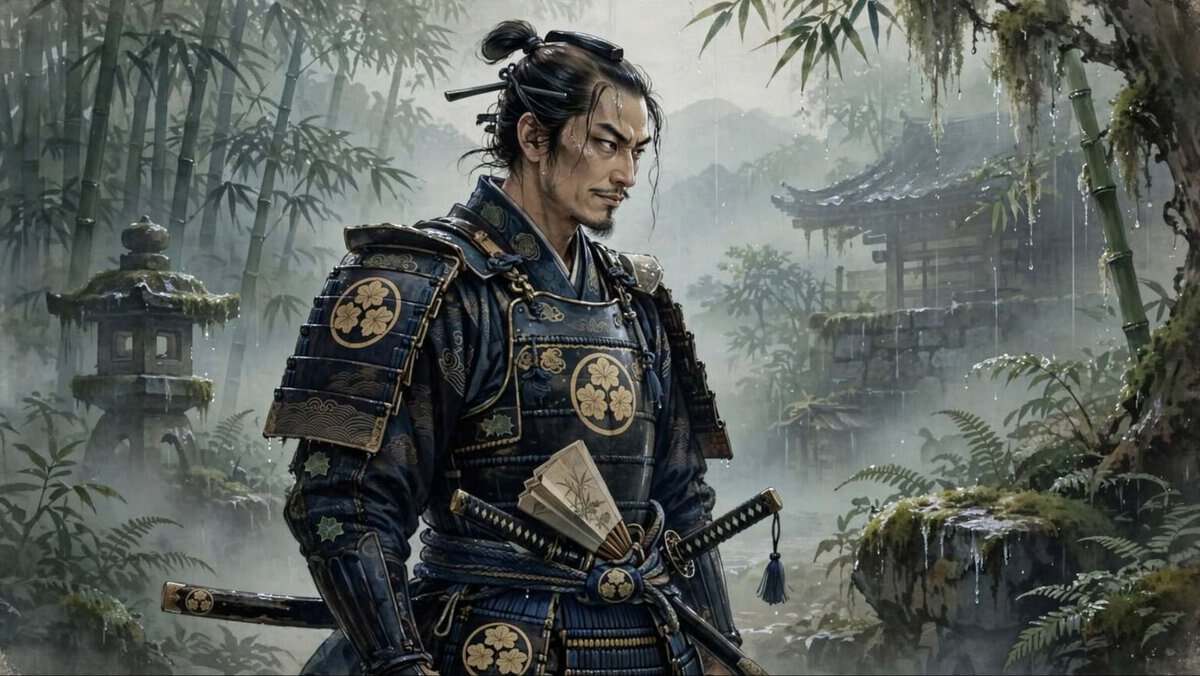
Tokugawa Ieyasu spent decades playing an ally to both Nobunaga and Hideyoshi samurai clans, and in 1600, his chance finally came.
In the Battle of Sekigahara, he defeated his rivals and gained complete control of the country!
Soon, he was named shogun and created his own military government, which went on to rule Japan for 250 years!
The Tokugawa clan’s rule was stable and strict. They achieved one of the longest periods of pace that the country remembers.
Their reign ended in 1868, and with it, the age of the samurai did, too.
10. The Ōuchi Clan
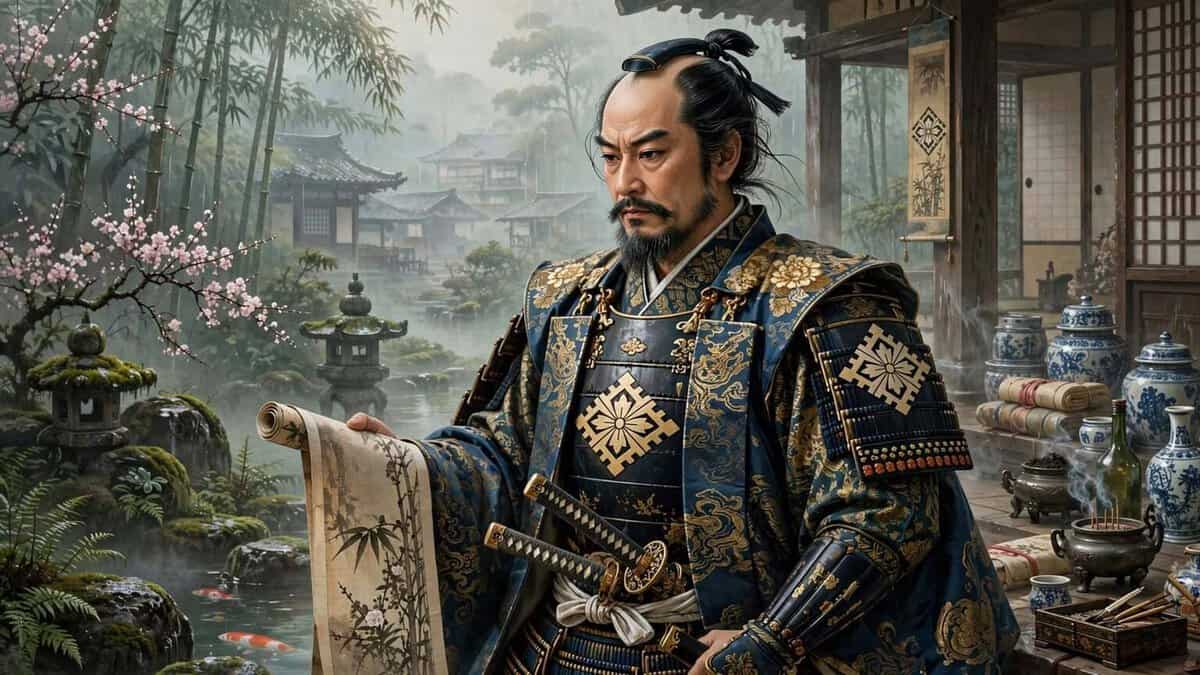
The Ōuchi clan built its power on trade instead of war.
They controlled the crucial routes, earning enormous wealth in the 15th and 16th centuries.
Ōuchi Yoshitaka became a patron of the arts. He supported poetry, theatre, and even welcomed the early Christian missionaries in 1551.
Unfortunately, the clan’s dominance was ended overnight, when Sue Harukata rebelled against them.
Their rule is considered a golden age due to the cultural impact they made.

A little Aquarius, devoted to writing and embroidery. Through my writing, I hope to empower readers to align with their true selves and navigate life’s mysteries with confidence.