
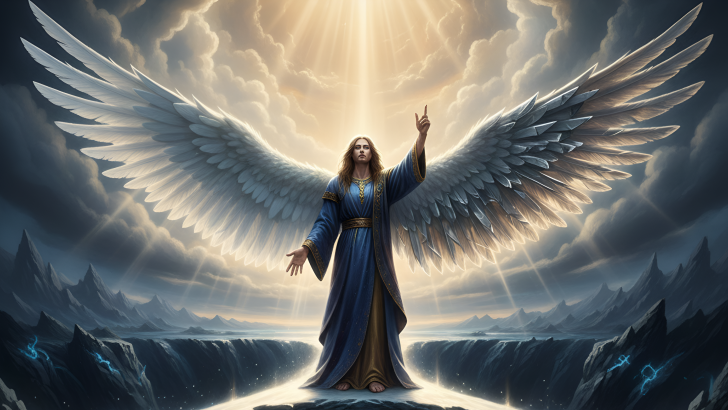
Sariel is known as a fallen angel, but unlike others who rebelled and were cast away forever, he is said to have been forgiven by God.
His role is unique, combining mercy, justice, and divine duty. While many angels serve as messengers or guardians, Sariel’s purpose goes deeper.
He oversees the fallen Watchers, those angels who transgressed divine law, and ensures that cosmic order is maintained.
His story is rarely told in mainstream texts, but in apocryphal writings and mystical traditions, Sariel appears as both redeemer and punisher, a symbol of second chances and the harsh reality of divine justice.
Sariel’s Fall and Redemption
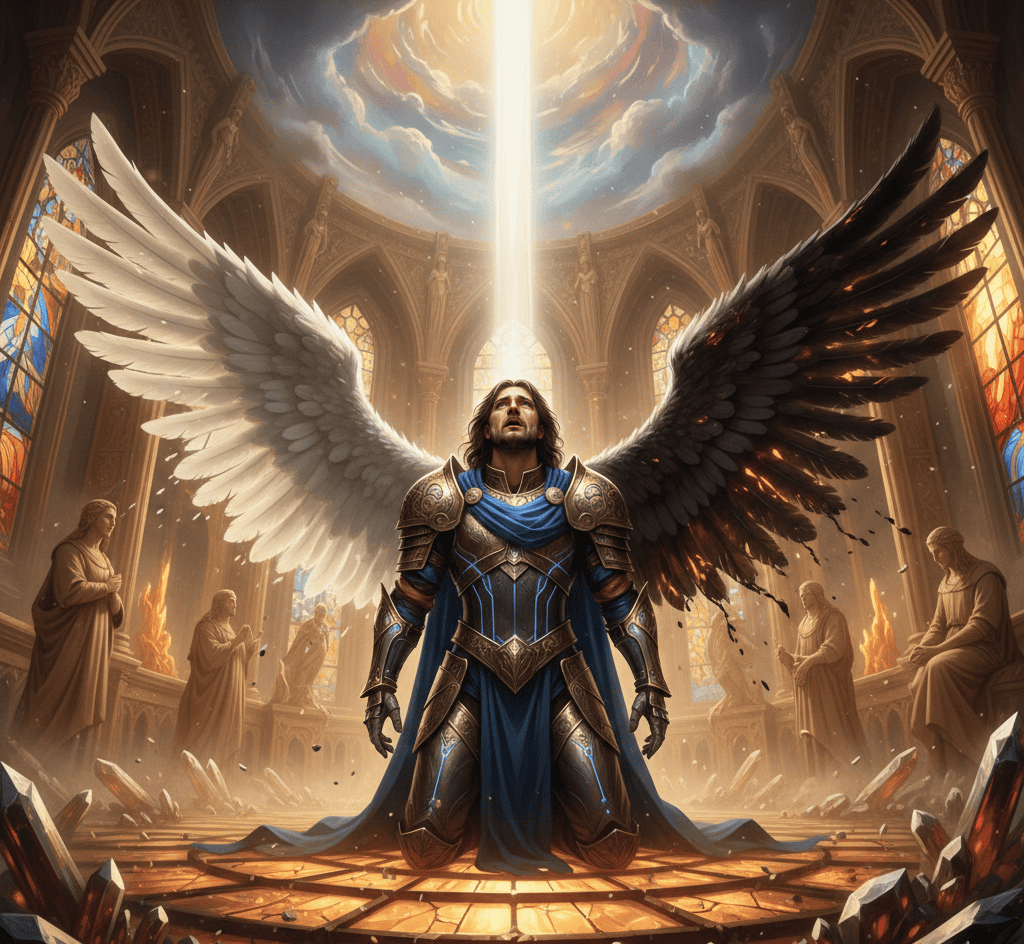
Legends suggest that Sariel originally belonged to the Watchers, a group of angels tasked with guiding humanity and maintaining heavenly order.
The Watchers, however, eventually rebelled, drawn by curiosity and desire. They descended to Earth, interacting with humans in ways forbidden by God.
They taught knowledge and secrets that should have remained hidden, and many of them corrupted human life in the process.
Sariel, along with a few others, initially joined them, perhaps out of curiosity or sympathy.
Unlike most of the rebellious angels, Sariel soon recognized the gravity of their actions.
According to mystical sources, he repented and sought forgiveness, pleading with God to restore his place in the celestial hierarchy.
His repentance was accepted, a rare act in the chronicles of angelic rebellion. While other fallen angels were cast into darkness without hope, Sariel was given a special mission.
His forgiveness was conditional, tied to his willingness to serve as a punisher and overseer of the fallen.
In this way, he became a bridge between divine mercy and the enforcement of celestial law.
Mystics and scholars note that Sariel’s path illustrates a unique principle: even in the face of grave errors, redemption is possible if coupled with responsibility and service.
The Punisher of Fallen Watchers
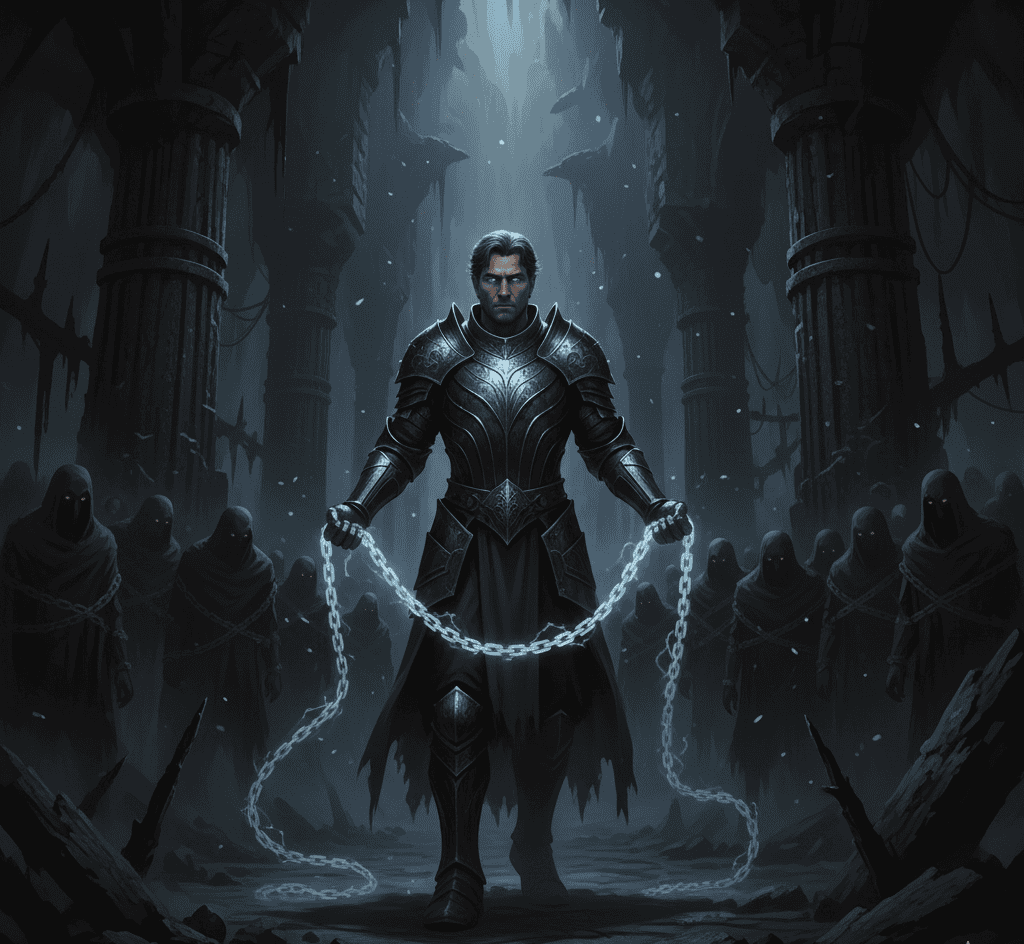
Sariel’s primary role after redemption is often described as punishing the fallen Watchers. Unlike humans, angels are immortal and powerful, making the act of discipline a delicate and challenging task.
Sariel ensures that these beings face consequences for their transgressions, preventing further interference with the natural order.
Accounts describe him as a figure of stern authority, not vengeance. He enforces rules, observes the behavior of the fallen, and administers divine correction when necessary.
Some traditions depict Sariel as carrying out these duties with a sense of solemn justice rather than anger.
His mission is not to torment for pleasure, but to maintain balance. In many texts, his actions serve as a warning to other angels and humans alike: knowledge without responsibility carries consequences.
Mystics claim that Sariel sometimes interacts with humans who stumble upon forbidden truths, guiding them to understanding without letting them fall into corruption.
Legends also suggest that Sariel can bind or restrain the fallen Watchers when they attempt to interfere in the mortal world.
He acts as a cosmic warden, watching over both Earth and heaven, ensuring that those who once rebelled cannot cause further harm.
Unlike punitive angels sent to destroy, Sariel’s justice is precise and measured, reflecting his unique perspective as one who has fallen and been forgiven.
Lessons in Forgiveness and Responsibility
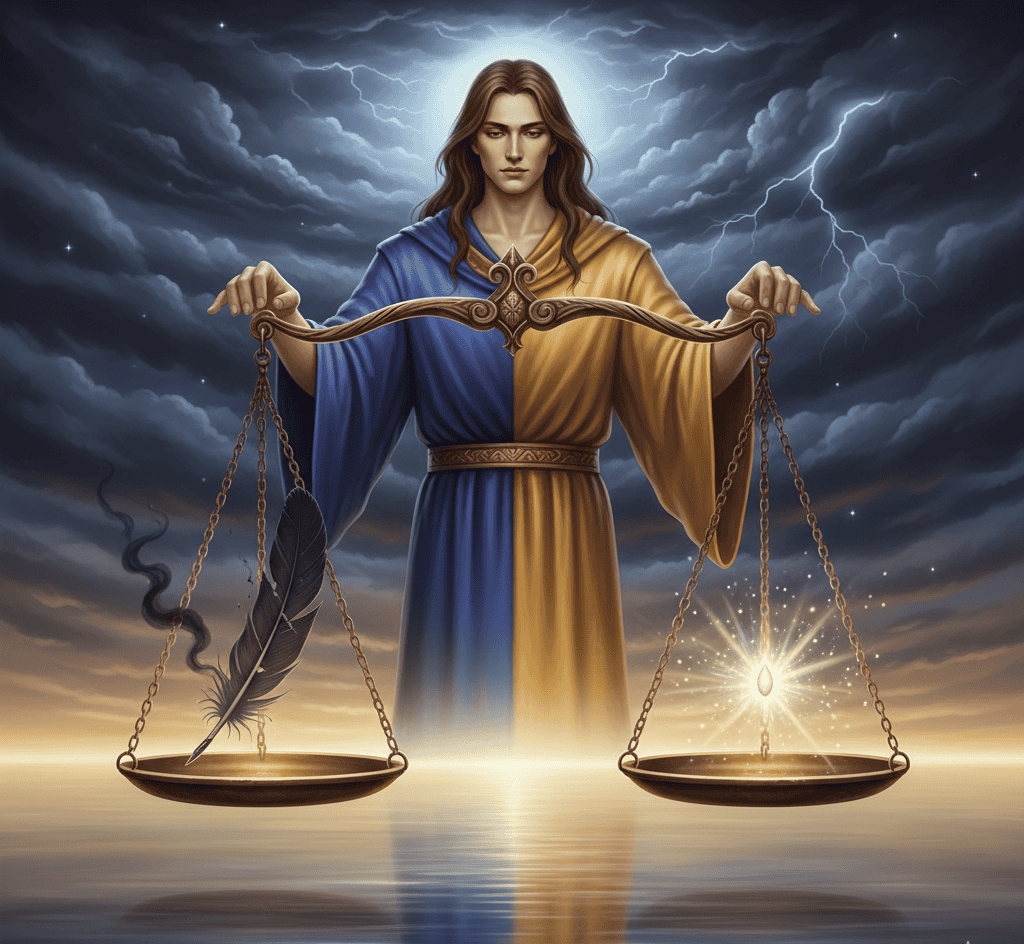
The story of Sariel is remarkable because it intertwines rebellion, punishment, and divine grace.
Unlike other angels whose mistakes led to permanent exile, Sariel demonstrates that forgiveness is possible, but it is never without responsibility.
Mystical texts suggest that God granted him redemption not as a reward, but as a test.
He is allowed to act in God’s name because he understands the weight of transgression and the importance of obedience.
His story teaches humans that repentance must be coupled with action, and that understanding one’s mistakes is not enough without a commitment to restore balance.
Whistleblowers and researchers studying angelology often point to Sariel as evidence that the celestial hierarchy is more nuanced than traditional texts suggest.
Angels are not merely obedient servants or wrathful punishing forces; some, like Sariel, occupy a space that blends mercy with justice.
His role challenges the idea that all fallen beings are irredeemable, suggesting a cosmic system where repentance and service can restore trust, even among the most powerful entities.
Mystics and theologians also see Sariel as a protector of humanity indirectly. By restraining the fallen Watchers and enforcing their punishment, he prevents forbidden knowledge from spreading unchecked.
This guidance, though invisible, helps maintain the balance between divine order and human free will.
In this sense, Sariel is both guardian and judge, a reminder that celestial beings can act with wisdom and restraint rather than sheer power.
Why Sariel’s Story Matters Today

In a modern context, Sariel’s story resonates with ideas of accountability and redemption.
It encourages reflection on the consequences of curiosity and the importance of ethical action.
Just as Sariel faced the consequences of joining a rebellion, humans are reminded that actions have results, and mistakes require both acknowledgment and corrective effort.
The angel’s dual role as forgiven redeemer and punisher of the fallen provides a model for understanding the balance between mercy and justice in everyday life.
Some mystics argue that Sariel’s presence is subtle but ongoing, a reminder that cosmic order is never absent from the world.
While most people will never see him, his influence is thought to ensure that powerful forces, both spiritual and human, do not disrupt the natural flow of life.
Whistleblowers suggest that ancient texts recorded his deeds in symbolic language, pointing to encounters with mysterious figures who enforce boundaries between knowledge, power, and responsibility.
Sariel’s story also challenges modern perceptions of angels. Not all angels are messengers of comfort or protection.
Some have complex duties that require enforcing rules, confronting transgression, and balancing forgiveness with accountability.
By forgiving Sariel and giving him a sacred task, God demonstrates that redemption is possible, but it carries obligations.
This narrative provides hope, but also caution, reminding humanity that power and knowledge demand responsibility.
Ultimately, Sariel remains a figure of profound significance. He is a fallen angel who was forgiven, a punisher who tempers justice with understanding.
He is also a guardian who protects the balance between heaven and Earth.
His story encourages reflection on morality, ethics, and divine law, showing that even in the midst of rebellion, redemption and purpose can be found.
Sariel embodies the rare combination of mercy and judgment, serving as a timeless example of what it means to face the consequences of one’s actions, accept responsibility, and work tirelessly to restore cosmic balance.

Ho sempre sentito una forte connessione con il Divino fin dalla mia nascita. Come autrice e mentore, la mia missione è aiutare gli altri a trovare l'amore, la felicità e la forza interiore nei momenti più bui.