

When people alter their actions, feelings, or personality to fit in with others, they are said to have social camouflage. Social camouflage is typically an unconscious reaction that develops to assist an individual with their coping strategies.
Although social camouflage has the potential to assist people in becoming more integrated within the community or complex social structures, this technique will usually have a negative impact on the individual over time.
Eventually, the inauthenticity of the individual’s personal presentation could lead to fatigue, disorientation, and detachment from self. The signs listed below may indicate that you are masking your true identity when interacting with others.
1. You Rehearse Conversations In Advance
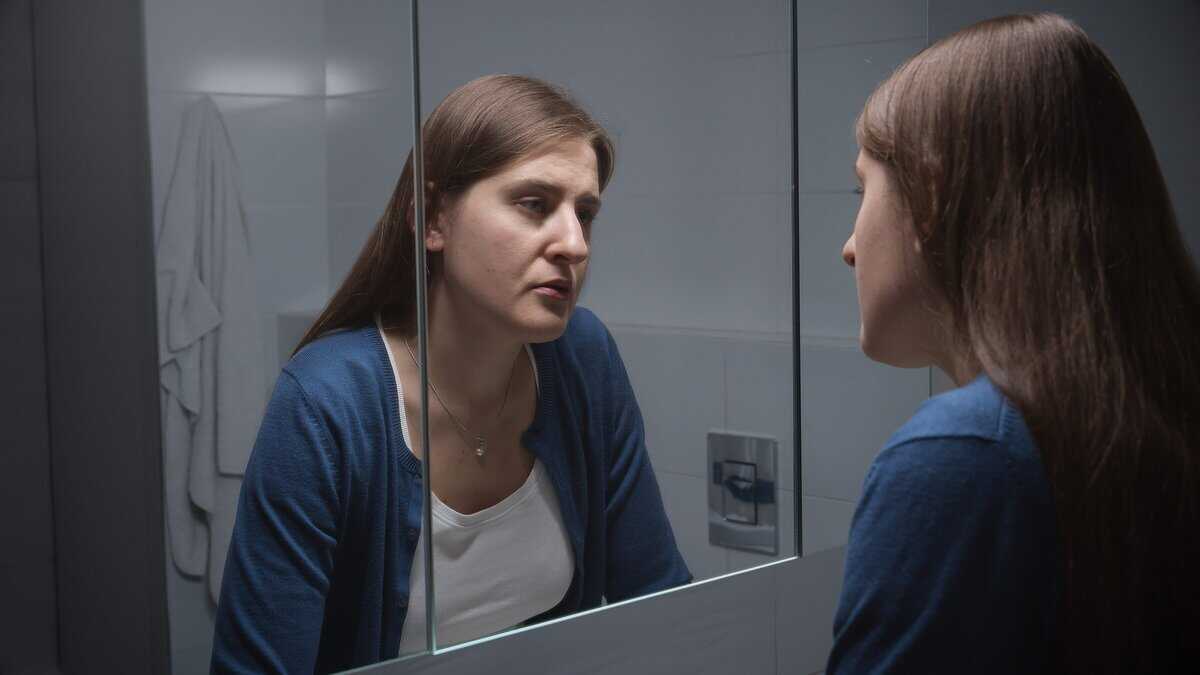
Planning your words before you engage in social situations leads to lots of thinking about how you’ll respond. Thinking this way helps to prepare you, but it also creates pressure.
Instead of being at ease, you’ll be focused more on the performance aspect of your conversation. Instead of feeling a connection with someone during a conversation, you feel as though you are completing a task.
The habit of rehearsing may leave you mentally drained after talking because you are anxious about saying the wrong thing or being misinterpreted.
2. You Copy Other People’s Behavior

It’s common to mimic how others talk, laugh, and respond in order to fit in with them and not stand out from the crowd.
You may adjust your tone or interests based on the people you are spending time with. While this method of social adaptation may seem helpful, it obscures true feelings and reactions.
Eventually, you may lose track of which reactions belong to you and which belong to others. Copying others will lead to greater acceptance by society, but also to less ability to express yourself.
3. You Feel Drained After Socializing

Social events leave you feeling tired mentally and physically. Even if the person you were talking to was positive, interacting with them will require recupero tempo.
This energy drain is due to the need for continual self-monitoring. You are performing through your interactions, and the amount of energy used is associated with the need for you to appear acceptable to others.
Camouflage may occur when socializing is viewed as work instead of a connection.
4. You Suppress Natural Reactions

You often suppress facial expressions, feelings, and opinions because it feels comfortable to do so to avoid being judged negatively. With time, this has become an automatic process.
For example, you may smile when confused and hold back what you feel when you do not agree with someone. Over time, this suppression of emotional reactions can create a feeling of internal discomfort.
Although it may help in some cases to avoid the risk of engaging in conflict, after some time, you become disconnected from your feelings and needs.
5. You Struggle To Identify Your Real Personality

Sometimes, you aren’t sure who you are when you aren’t fulfilling a social role. You may feel disconnected or empty when you are alone.
When you’re masking all the time, your identity is shaped by what other people think you should be. Eventually, it changes what you like and what you’re comfortable doing.
If you find it hard to answer simple questions about yourself, this could indicate that camouflaging has taken the place of authenticity.
6. You Avoid Conflict At All Costs

You try hard to create peaceful connections. Rather than speak your mind, you just go along to avoid upsetting others.
You fear conflict because it can expose your true self, so by avoiding tension, you put more value on being “nice” than being honest. You maintain an outward appearance of calm and peace, but create suffering due to holding back your authentic self.
This habit often masks your unfulfilled personal needs. Hiding behind “going along to get along” places a higher value on being accepted than on your own self-esteem.
7. You Constantly Monitor Yourself

You’re self-conscious about your appearance, voice, and mannerisms. You constantly scrutinize people’s reactions to you and adjust your behavior in response to those reactions.
The fact that you monitor yourself constantly creates tension and makes it hard to relax around other people.
Since you are focused on yourself instead of being in the moment, difficulty in connecting with others becomes more prominent. Self-monitoring is a significant indicator of social camouflaging.
8. You Change Yourself Depending On The Group

You can act one way around one group and then another way when you are with another group. Many of the things that make you funny, interesting, or valuable can change depending on who you are with.
While there is nothing wrong with being flexible, it is normal to feel confusion when in a state of flux.
Thus, who you are may not be identifiable from time to time, and social camouflage has become habitual rather than a conscious decision.
9. You Fear Being Truly Seen

It is scary to be 100% alive and yourself. You think being honest means being rejected, and it is that fear that keeps you wearing your mask.
You do not feel safe being vulnerable, so you only share what seems okay. This fear eventually limits your ability to connect deeply with others.
You want acceptance but hide your truth, creating an emotional gap and feeling alone.
10. You Feel Relief When You’re Alone

Being alone is restful for you because it allows you to remove your mask and take a breath. This shows how much work it takes to be social.
Recovery time is when we are by ourselves. Solitude is healthy, but having to be alone to recover from wearing a mask is a problem.
A real connection should give you energy instead of draining it, so if you feel this all the time, it is time to start being your authentic self around others.

Born and raised in Bosnia and Herzegovina. Ever since I was a little girl, my imagination knew no bounds. I remember vividly how I’d scribble down short stories, each page bursting with adventures and characters conjured up from the whimsy of my mind. These stories weren’t just for me; they were my way of connecting with my friends, offering them a slice of my fantasy world during our playtimes. The joy and excitement on their faces as we dived into my fictional realms motivated me to keep writing. This early passion for storytelling naturally evolved into my pursuit of writing, turning a childhood hobby into a fulfilling career.