

The Bible contains many instructions from God that can seem unusual or even shocking to modern readers.
Some of these requests were symbolic, some were tests of faith, and others demonstrated God’s authority and plans.
While they may seem strange, each action carried a deeper meaning about obedience, trust, or God’s purposes.
By studying these events, we can better understand the relationship between God and His people, and how faith often requires courage and willingness to follow guidance, even when it doesn’t make sense at first.
These stories remind believers that God’s wisdom is higher than human understanding.
1. Abraham Sacrificing Isaac
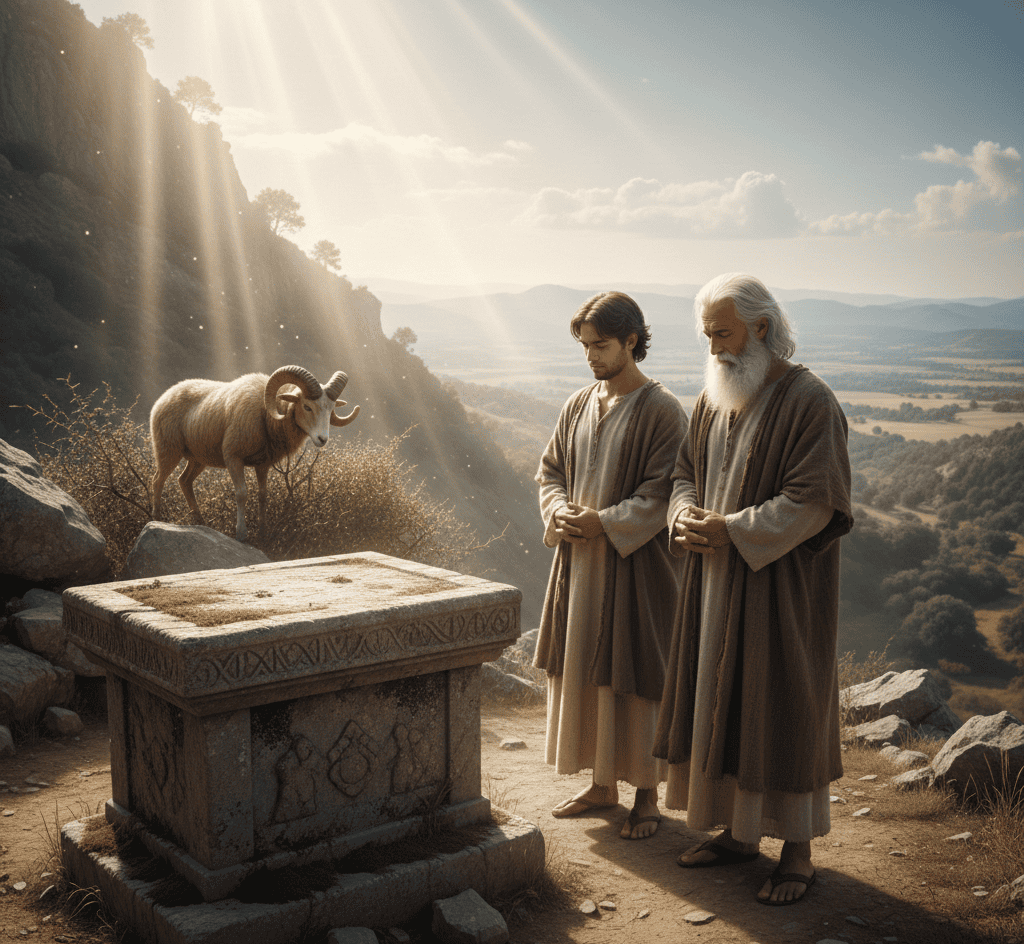
One of the most famous and challenging instructions in the Bible was when God asked Abraham to sacrifice his son, Isaac.
On the surface, it seems shocking, even cruel, but it was a test of Abraham’s faith and obedience.
Abraham was prepared to follow God completely, trusting that God’s promises were true. At the last moment, God stopped him and provided a ram as a substitute offering.
This story teaches that faith sometimes requires difficult choices, patience, and trust in God’s plan.
It also demonstrates that God values obedience, loyalty, and trust above the things we might hold most dear in life.
2. Noah Building the Ark
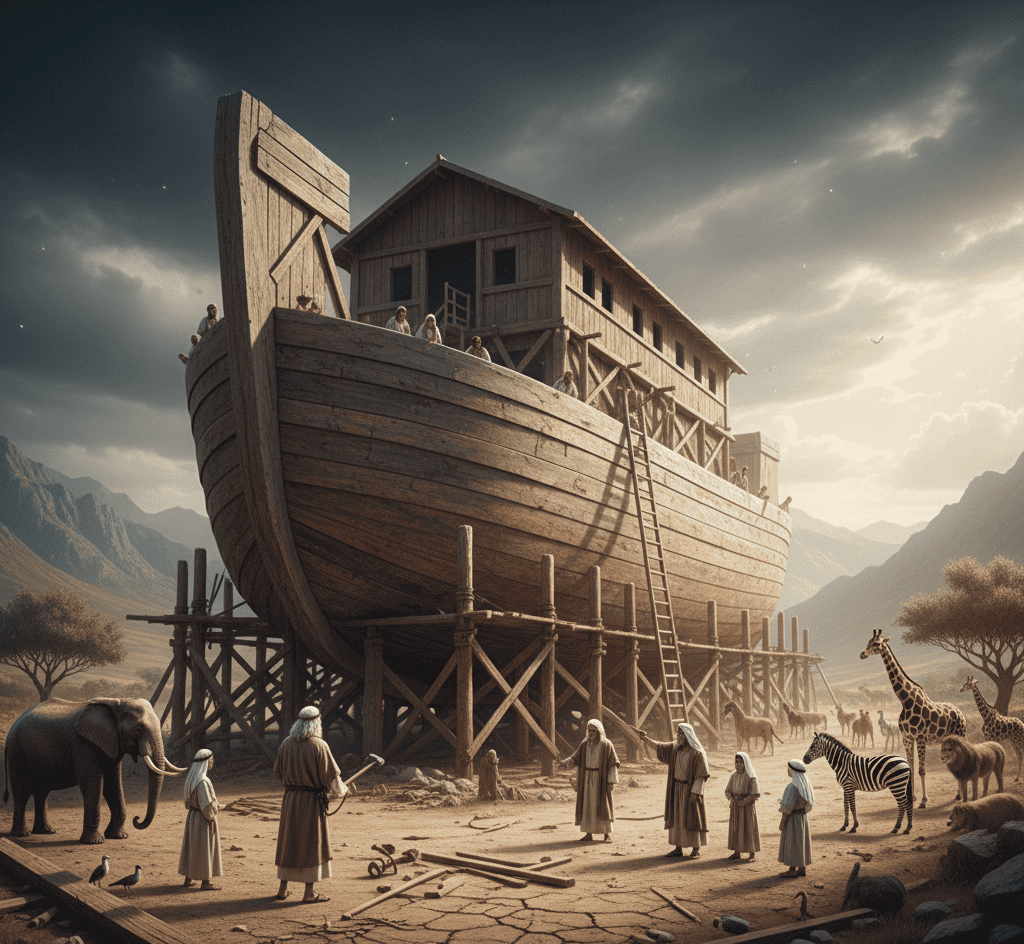
God instructed Noah to build a massive ark to survive a coming flood, even though there had never been rain before.
The request seemed impossible and strange to those around him, but Noah obeyed carefully, following the exact specifications God gave.
The ark protected Noah, his family, and the animals from destruction.
The story illustrates that following God’s guidance often requires patience, hard work, and a willingness to do what others might see as unusual or unnecessary.
Noah’s faith and diligence show that trust in God’s instructions can prepare people for challenges that seem unimaginable or beyond human understanding.
3. Gideon Reducing His Army

God told Gideon to shrink his army from thirty-two thousand men to only three hundred before fighting the Midianites.
The instruction seemed illogical, as a small force against a massive enemy seemed doomed.
Yet God explained that the victory would show His power, not human strength. Gideon obeyed and experienced a miraculous win.
This story emphasizes that God’s methods often defy human logic, showing that obedience and faith are more important than relying solely on numbers, resources, or personal plans.
It teaches that trusting God can produce extraordinary results, even when circumstances seem impossible.
4. Jericho’s Walls Falling

God commanded Joshua and the Israelites to march around the city of Jericho once each day for six days, and seven times on the seventh day, blowing trumpets and shouting.
To anyone watching, this would seem like an odd and ineffective battle plan. But when they obeyed exactly, the walls collapsed, and the city was conquered.
This story demonstrates that God sometimes asks people to act in unusual ways to reveal His power and authority.
It teaches that faith often requires patience, precision, and willingness to follow instructions that may seem strange, unwise, or contrary to normal expectations.
5. Elijah Raising the Widow’s Son
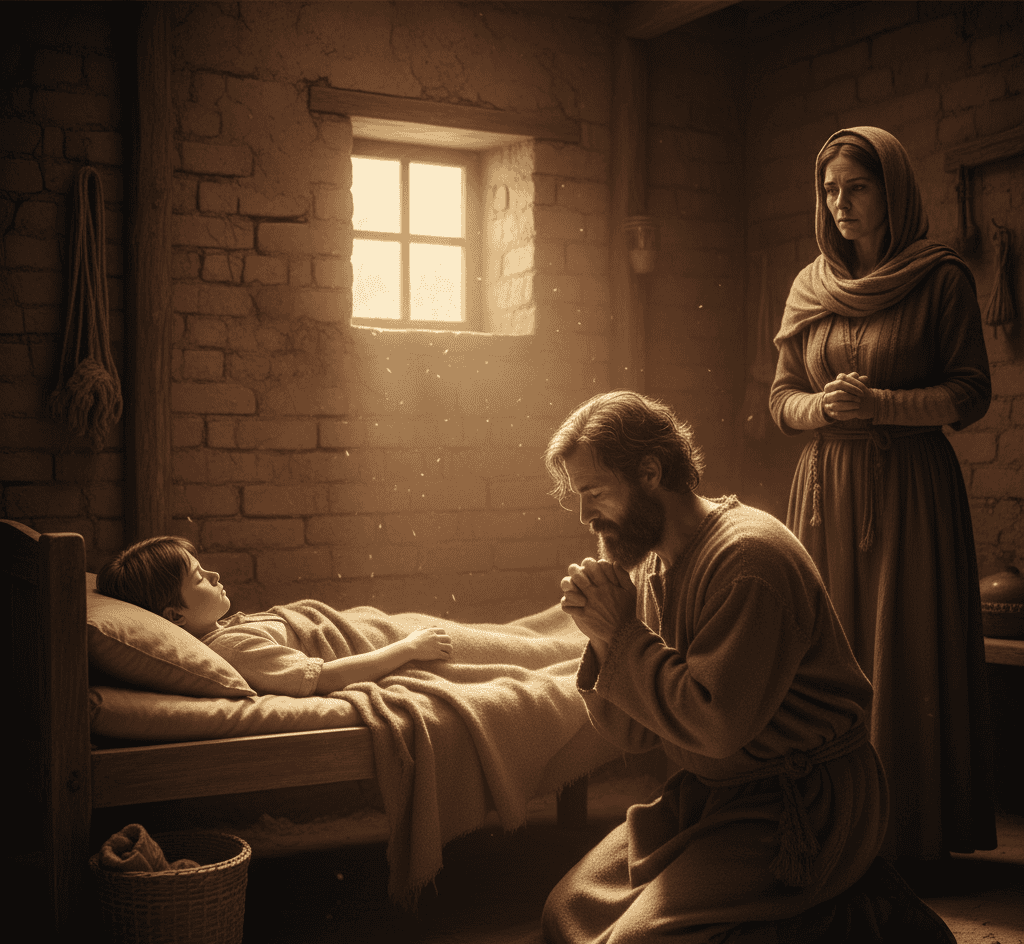
God asked the prophet Elijah to stay with a widow in Zarephath, and later to raise her dead son.
The request seemed extraordinary and beyond human ability, as life and death are usually out of human control. Elijah obeyed, prayed to God, and the boy was restored to life.
This story teaches that God sometimes calls people to perform actions that appear impossible, requiring complete trust in His power.
It reminds believers that divine guidance can lead to miraculous outcomes and that faith often asks people to step beyond their comfort zones into areas of uncertainty or risk.
6. Jonah Going to Nineveh
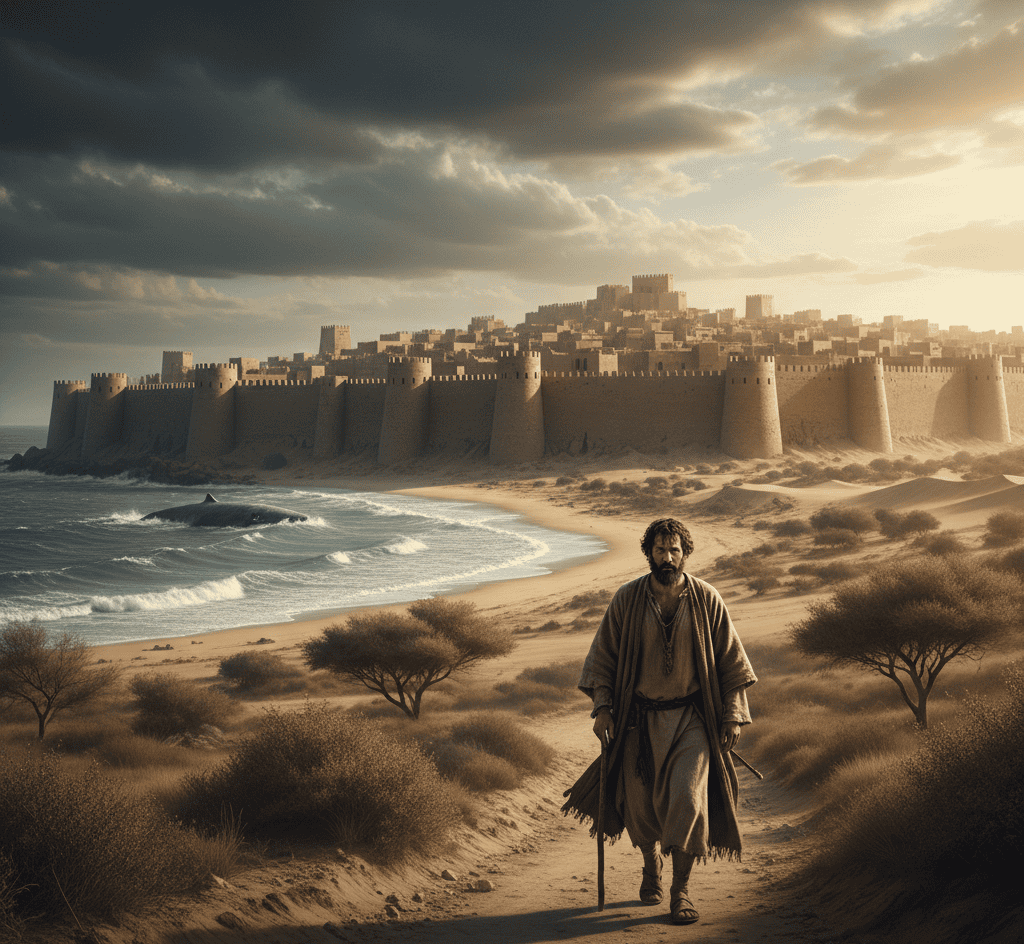
God commanded Jonah to go to the city of Nineveh and call its people to repentance, even though Jonah did not want to obey.
He tried to flee in the opposite direction, but God intervened with the famous story of the big fish. Eventually, Jonah obeyed, and the city repented.
This story shows that God sometimes asks people to act in ways they find uncomfortable, challenging, or against personal desires.
It teaches that obedience can bring widespread blessing, and that God’s purposes are greater than human plans.
Following God often requires courage, humility, and the willingness to take difficult or unpopular actions.
7. Ezekiel Eating a Scroll
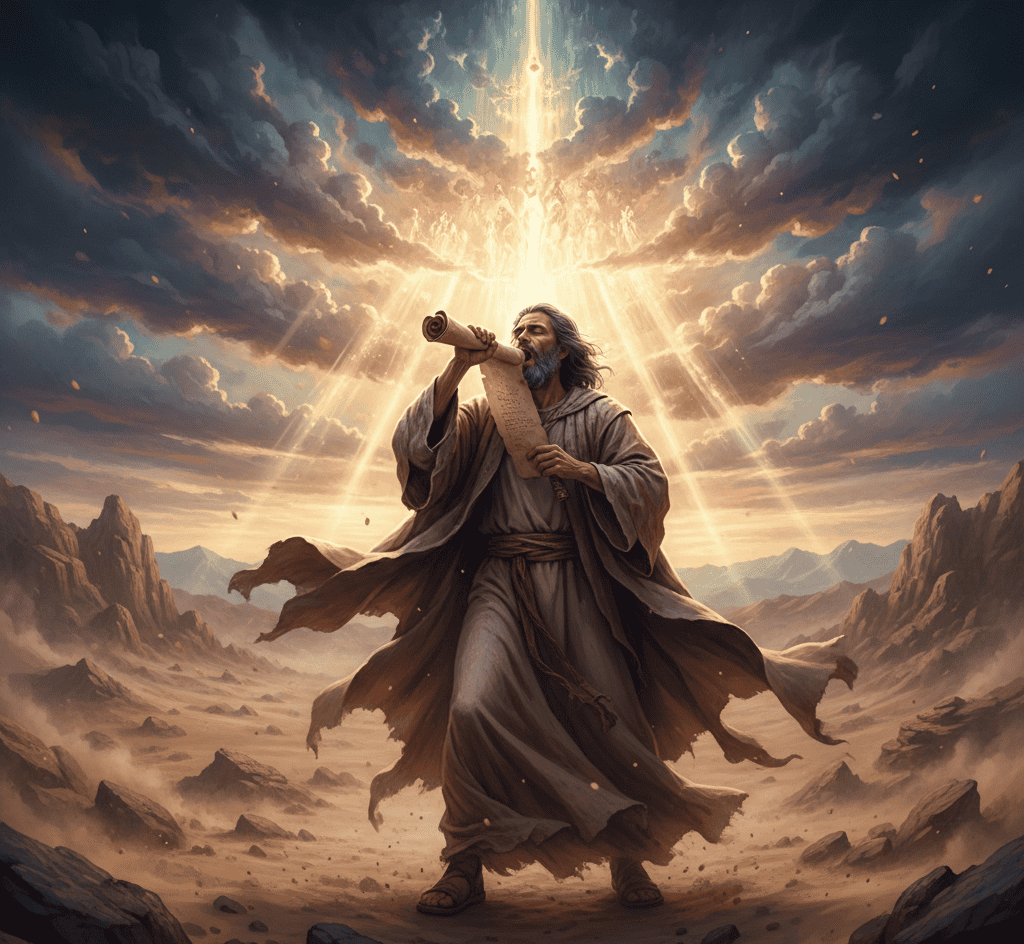
God instructed the prophet Ezekiel to eat a scroll containing words of lamentation and prophecy.
This strange action symbolized internalizing God’s message, taking it into himself before delivering it to the people.
Eating the scroll seemed bizarre, but it represented total commitment, obedience, and understanding of God’s word.
Ezekiel’s obedience showed that sometimes God’s instructions are symbolic, teaching spiritual truths in unusual ways.
The story reminds believers that fully embracing God’s guidance can require effort, trust, and willingness to experience unusual, uncomfortable, or challenging tasks to grasp and communicate divine purposes.

Ho sempre sentito una forte connessione con il Divino fin dalla mia nascita. Come autrice e mentore, la mia missione è aiutare gli altri a trovare l'amore, la felicità e la forza interiore nei momenti più bui.