
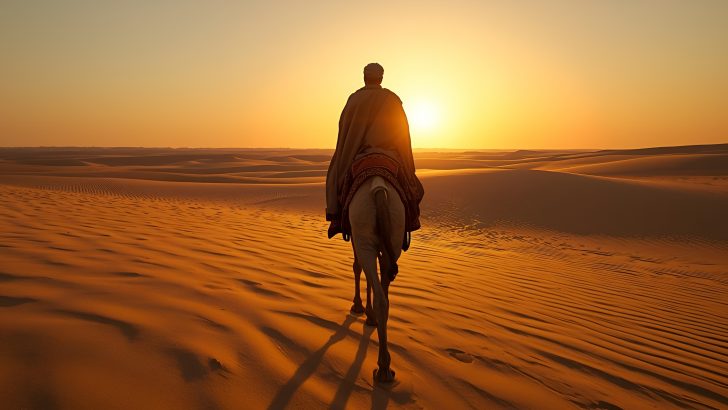
Travel in ancient times was very different from the way people move around today.
There were no cars, airplanes, or trains, so people had to find creative ways to reach distant places.
Some journeys were slow and difficult, while others were surprisingly clever for their time.
People used animals, simple machines, and natural paths to move across land, rivers, and seas.
Travel was important for trade, exploration, communication, and sometimes even war.
Many of these methods may seem strange or surprising to modern readers, yet they helped shape civilizations and connect cultures.
Here are ten surprising ways people traveled in ancient times and how these methods helped people explore the world long before modern transportation existed.
1. Riding Camels Across Deserts
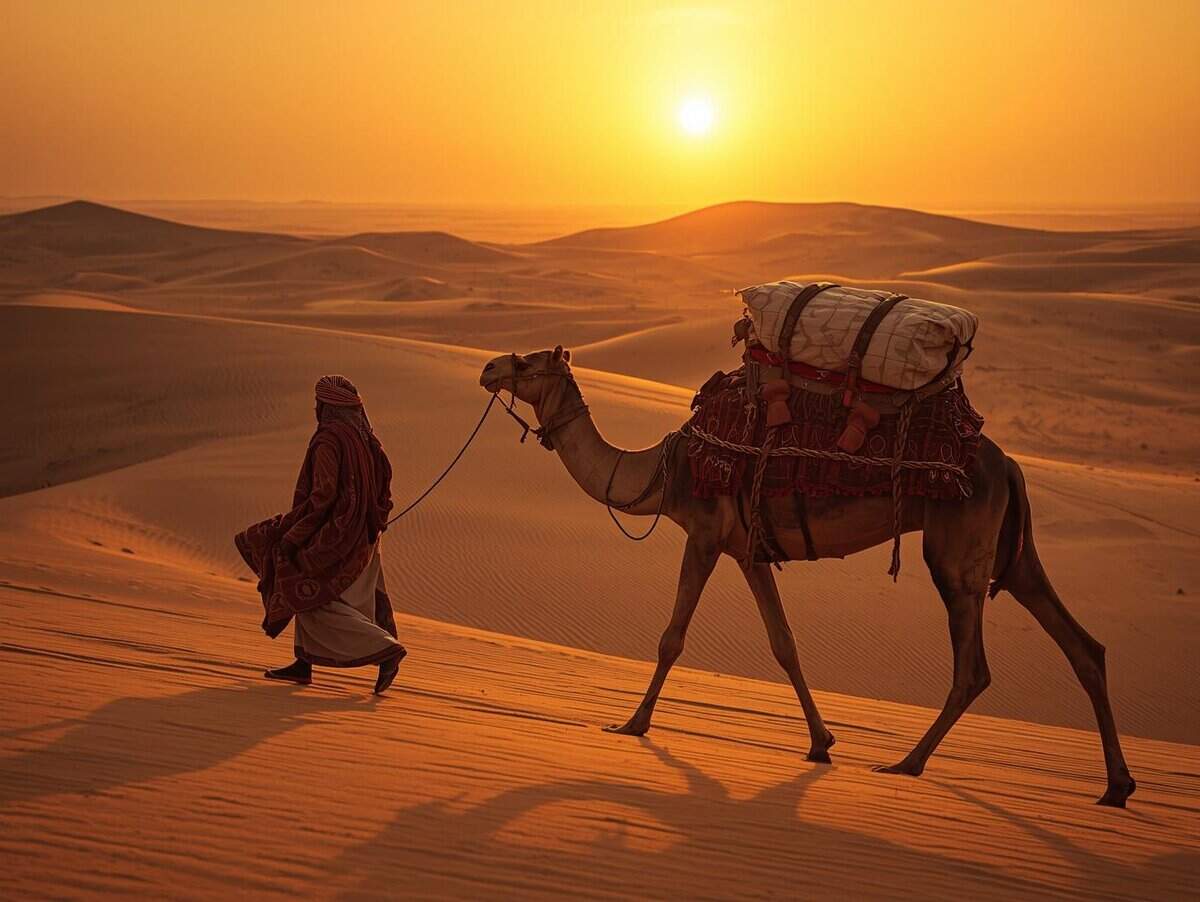
Camels were one of the most important travel animals in ancient desert regions. People in places like the Middle East and North Africa depended on them to cross long stretches of sand and heat.
Camels could survive with little water and carry heavy loads for many days. This made them perfect for long journeys where other animals would struggle.
Travelers often joined large caravans for safety, moving slowly across deserts while carrying goods such as spices, cloth, and precious metals.
These journeys could take weeks or even months. Camels were so reliable that they became known as the ships of the desert. Without them, trade across many ancient deserts would have been almost impossible.
2. Traveling by River Rafts
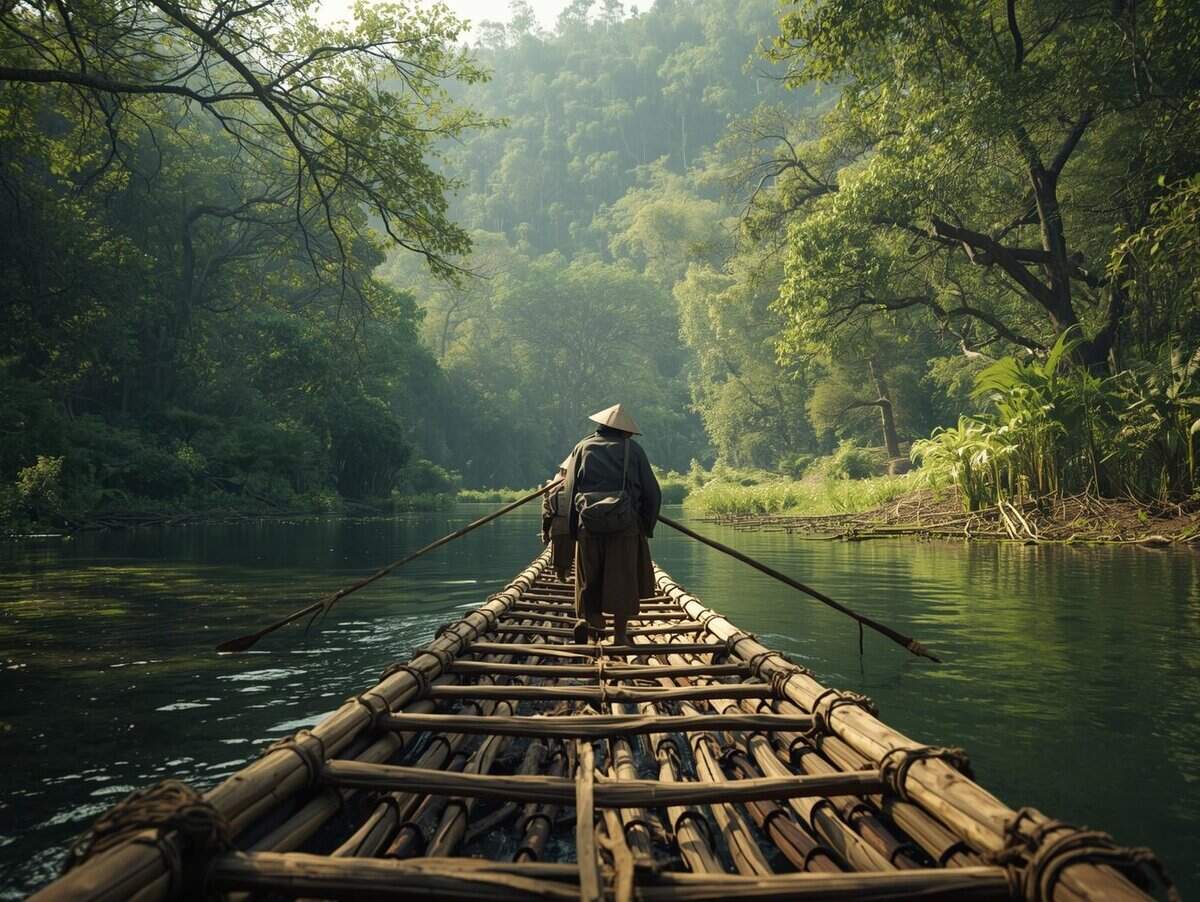
Before large ships became common, many people traveled on simple rafts made from wood, reeds, or bamboo.
Rivers were natural roads in ancient times, and rafts allowed travelers to move goods and people more easily than walking long distances.
In places like ancient Egypt and parts of Asia, river travel was extremely important. People could float downstream while guiding the raft with long poles or paddles.
Some rafts carried food, building materials, or even animals. Although these rafts were simple, they were effective for moving through areas with strong river networks.
They allowed ancient communities to trade and communicate with nearby towns along the water.
3. Riding in Horse Chariots
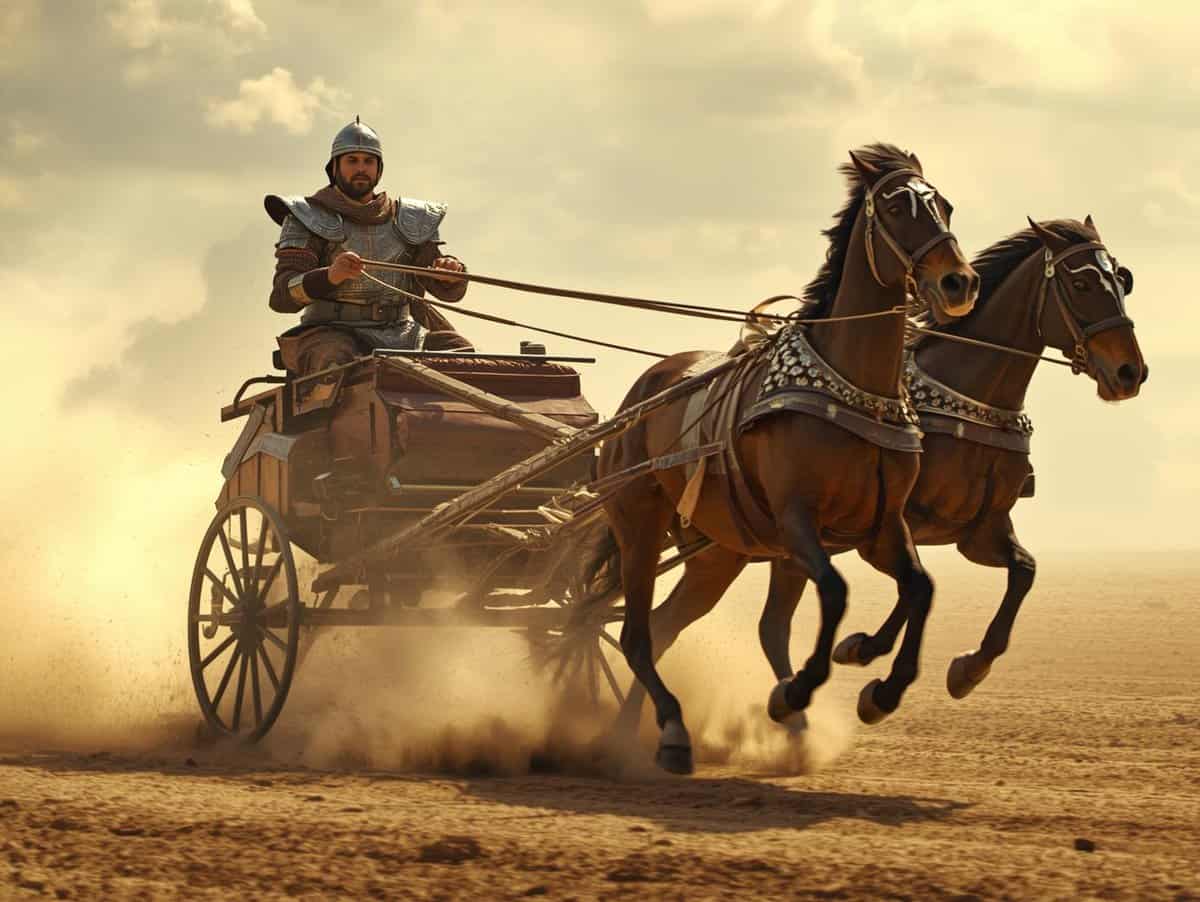
Horse chariots were a fast and exciting way to travel in many ancient civilizations. These two-wheeled vehicles were pulled by horses and used by warriors, messengers, and important leaders.
Chariots allowed people to move quickly across open land, which made them useful during battles and long journeys.
Ancient Egyptians, Greeks, and Romans all used chariots in different ways. Some chariots were decorated and used in ceremonies or races, while others were built for speed and war.
Riding in a chariot required skill because the driver had to control powerful horses while standing on a moving platform.
Despite the challenge, chariots were one of the fastest travel methods of the ancient world.
4. Traveling on Donkeys and Mules
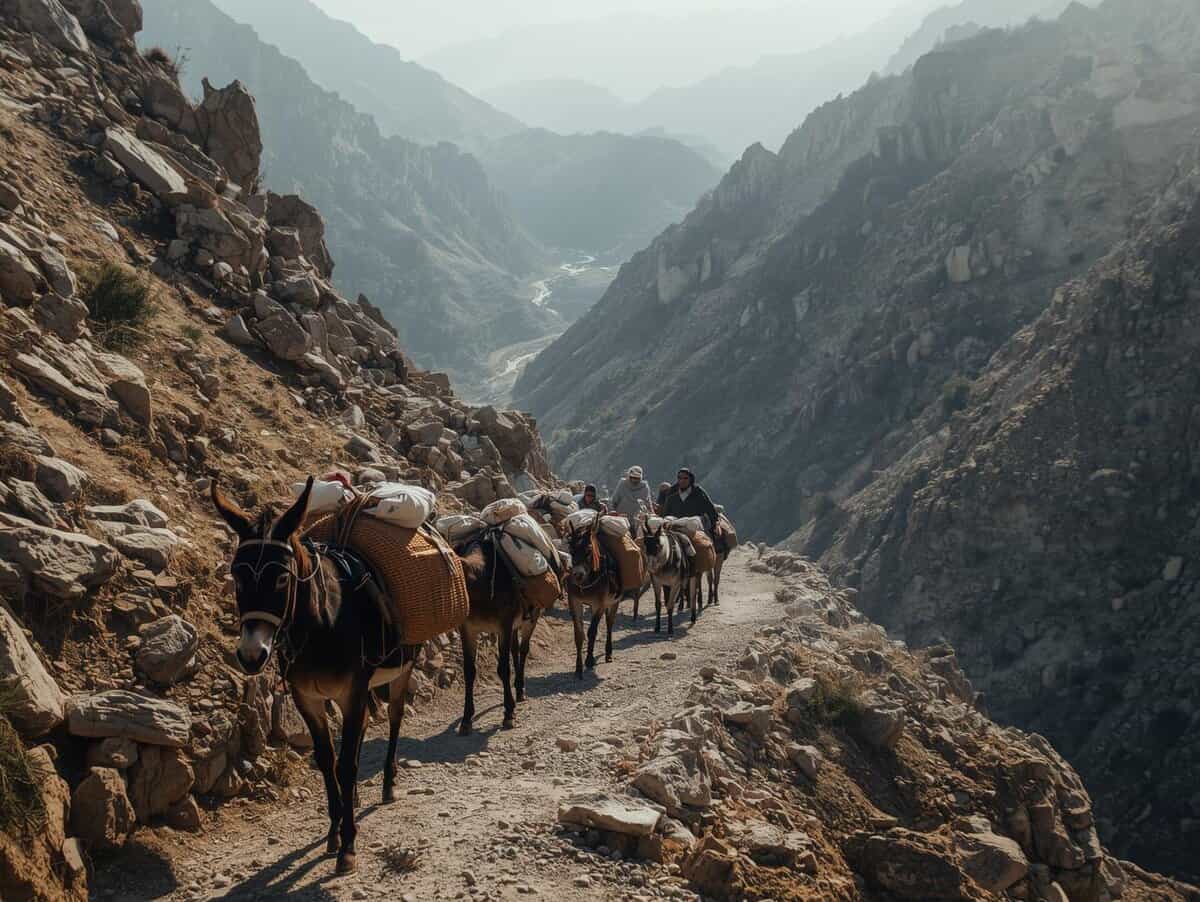
Donkeys and mules were among the most common travel animals in ancient times. These animals were strong, patient, and able to carry supplies through rough terrain.
Farmers, merchants, and travelers used them to transport food, tools, and trade goods. Unlike horses, donkeys could move safely along narrow mountain paths and rocky roads.
This made them very useful in regions with difficult landscapes. Mules, which are a mix between horses and donkeys, were especially valued because they combined strength with endurance.
Many traders traveled with long lines of pack animals carrying goods from one village to another. These animals helped connect small communities across mountains and valleys.
5. Walking Long Pilgrimage Routes
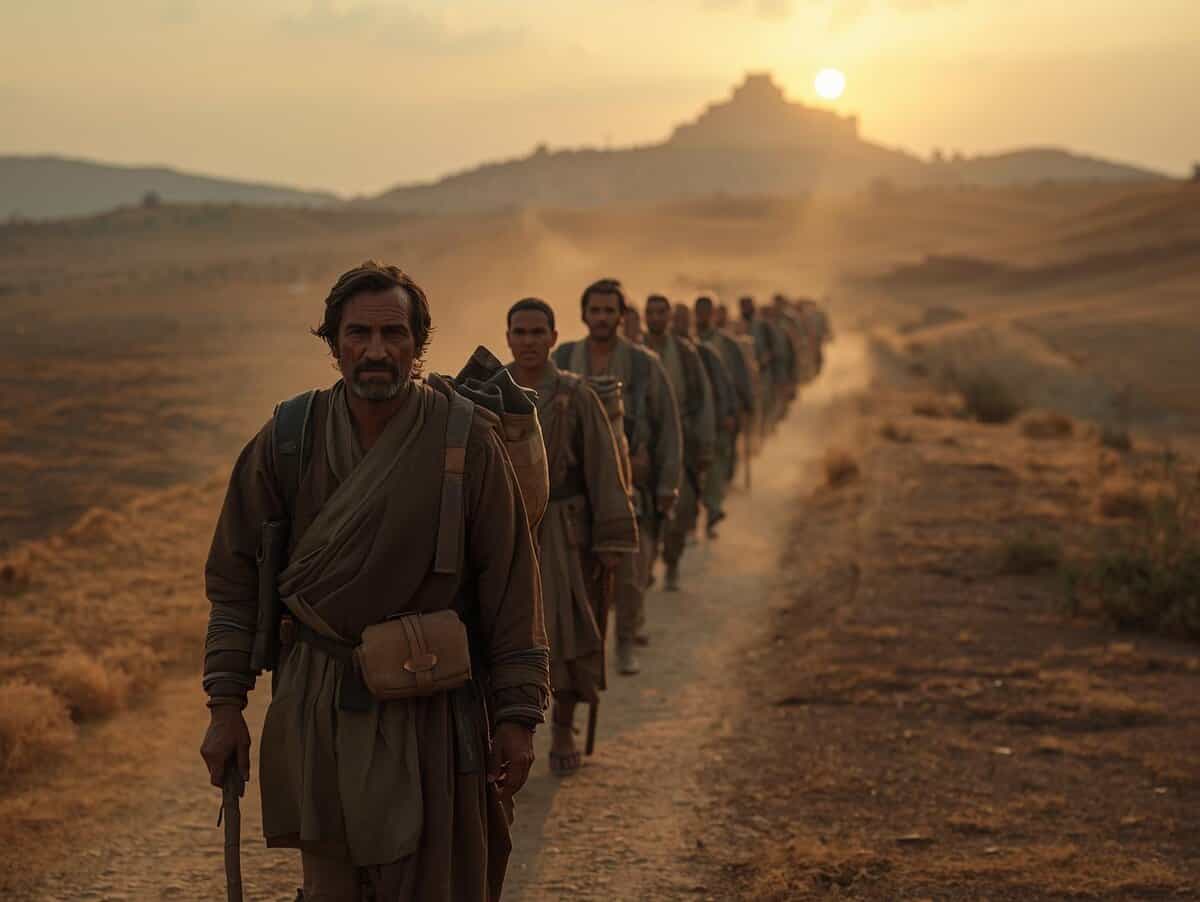
Many people in ancient times traveled simply by walking. Pilgrims, traders, and messengers often covered great distances on foot.
Some religious journeys took weeks or even months to complete. Pilgrims walked to temples, sacred cities, or holy sites to pray, give offerings, or seek spiritual guidance.
Famous routes connected distant regions and became important cultural paths. Travelers often walked in groups for safety and support.
Along the way, they rested in villages or simple shelters. Walking may seem slow today, but in ancient times, it was one of the most reliable ways to travel.
6. Traveling by Large Trade Ships
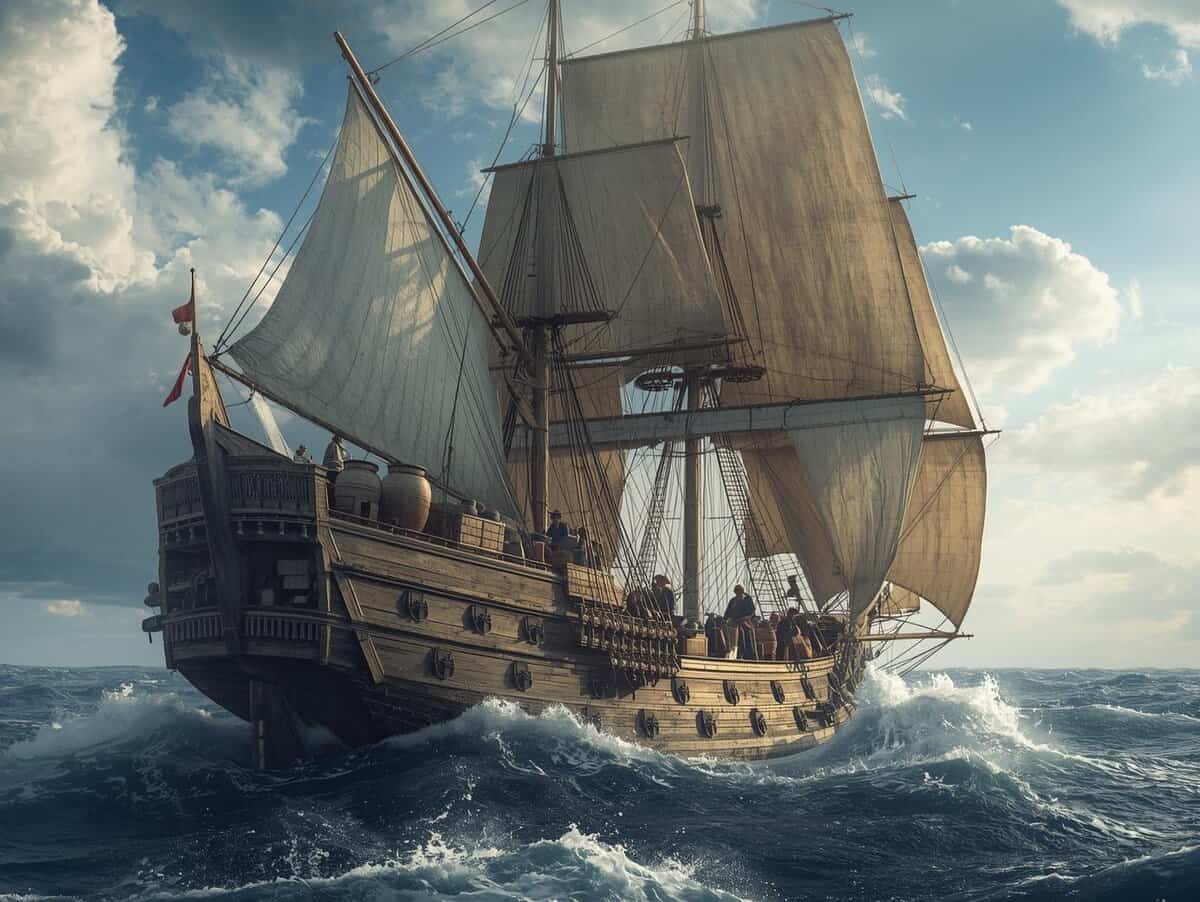
Sea travel became very important as ancient civilizations grew and trade expanded. Large wooden ships carried merchants and goods across seas and oceans.
These ships transported items such as grain, wine, olive oil, pottery, and precious metals. Ancient sailors learned to follow the stars and watch the winds to guide their journeys.
Trips across the sea were often dangerous because storms could appear suddenly. Pirates were also a threat to travelers and merchants.
Despite the risks, sea travel allowed distant civilizations to trade and share knowledge.
These voyages connected places that were far apart and helped cultures grow through exchange.
7. Using Ice Sleds in Cold Regions
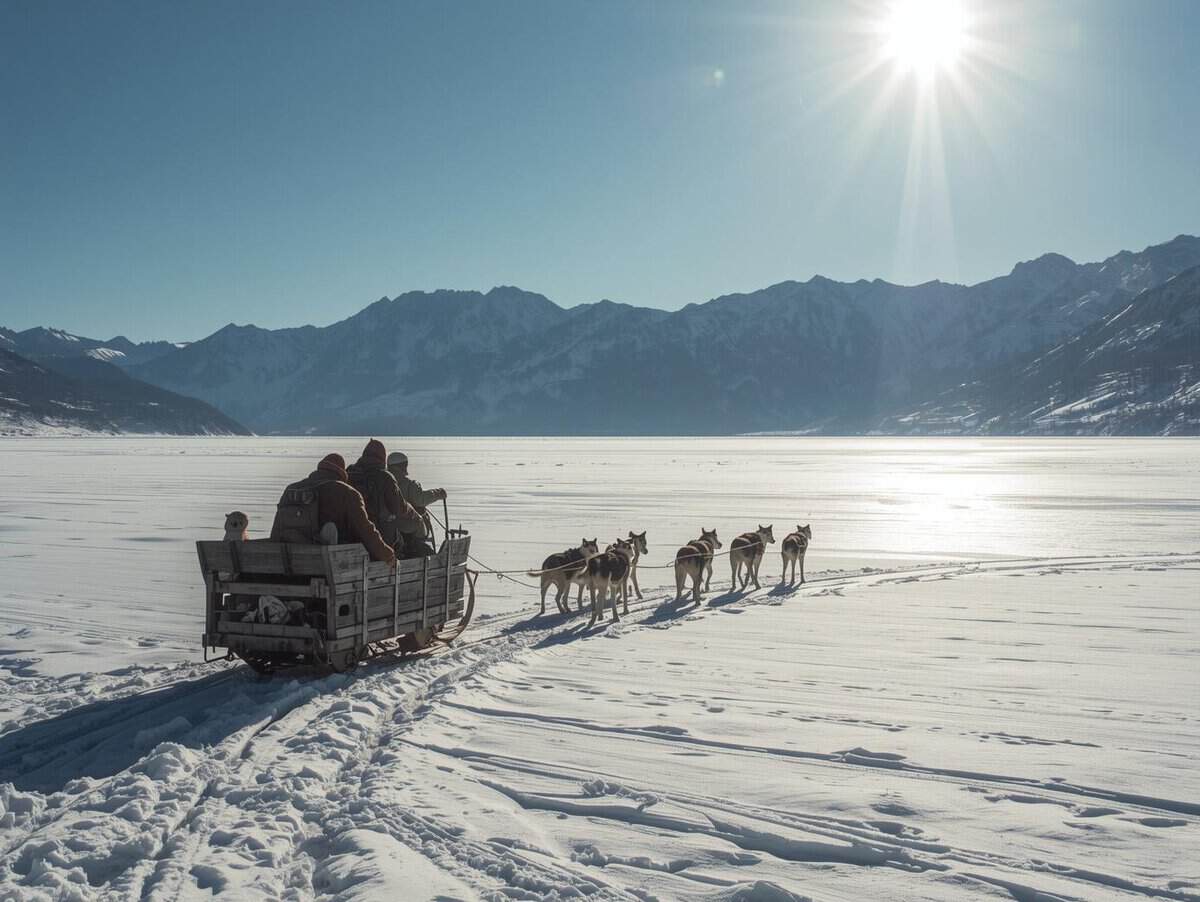
In very cold regions, people found creative ways to travel across snow and ice. One surprising method involved using sleds that slid easily across frozen ground.
These sleds were often pulled by animals such as dogs or reindeer. Travelers could move faster than walking through deep snow.
This type of travel was common in northern areas where winter lasted many months. Hunters used sleds to reach distant forests and frozen lakes.
Communities also used them to transport food and supplies between villages. Even though the sleds were simple, they allowed people to survive and travel in harsh winter environments.
8. Riding Elephants in Asia
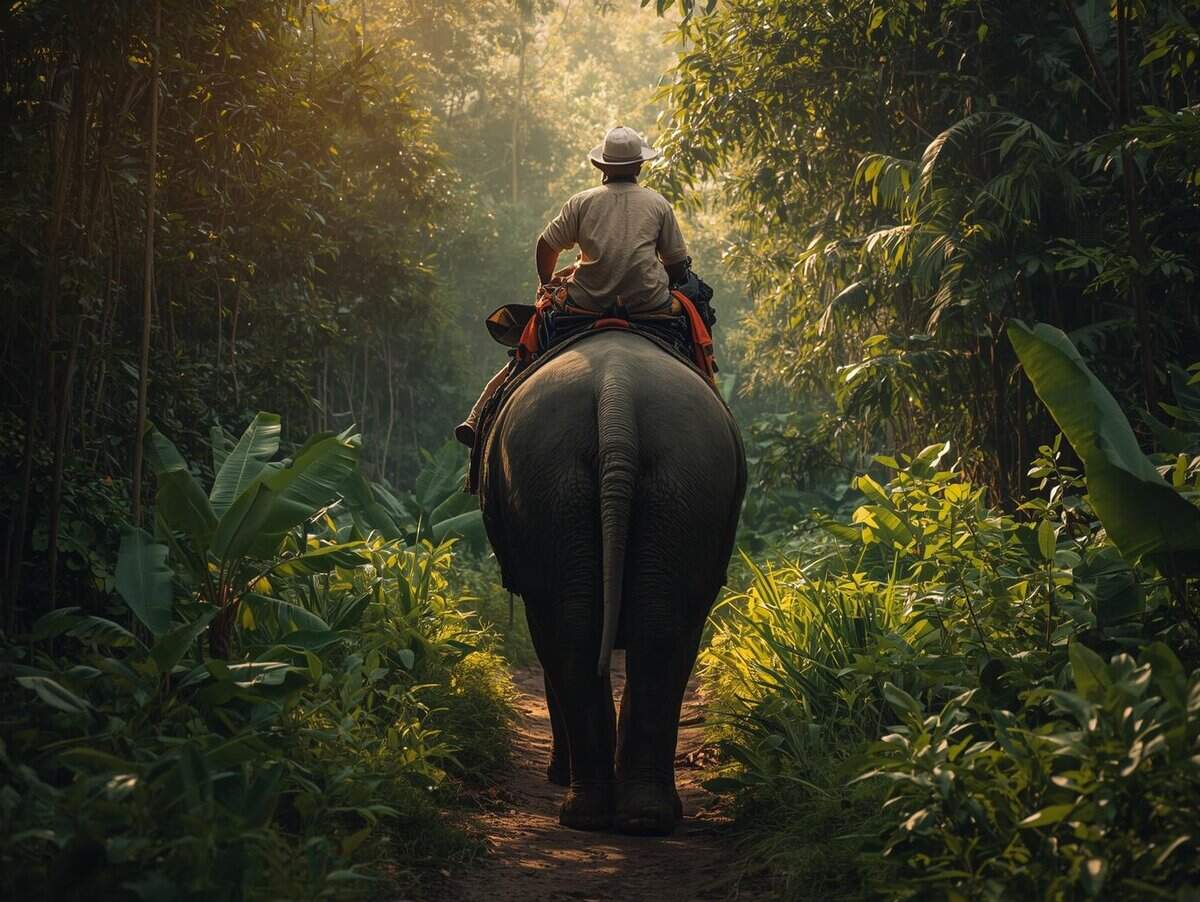
In parts of ancient Asia, elephants were used as powerful transportation animals. Their great strength allowed them to carry people, heavy goods, and even soldiers across difficult terrain.
Elephants could move through forests and rivers where carts and wagons could not travel. Kings and military leaders often rode elephants during important journeys or battles.
Riding an elephant was considered a sign of status and power. Trainers developed close relationships with these animals to guide them safely.
Although they moved slowly compared to horses, elephants could travel long distances while carrying large loads.
Their role in transportation and warfare made them very valuable in ancient societies.
9. Traveling in Simple Carts and Wagons
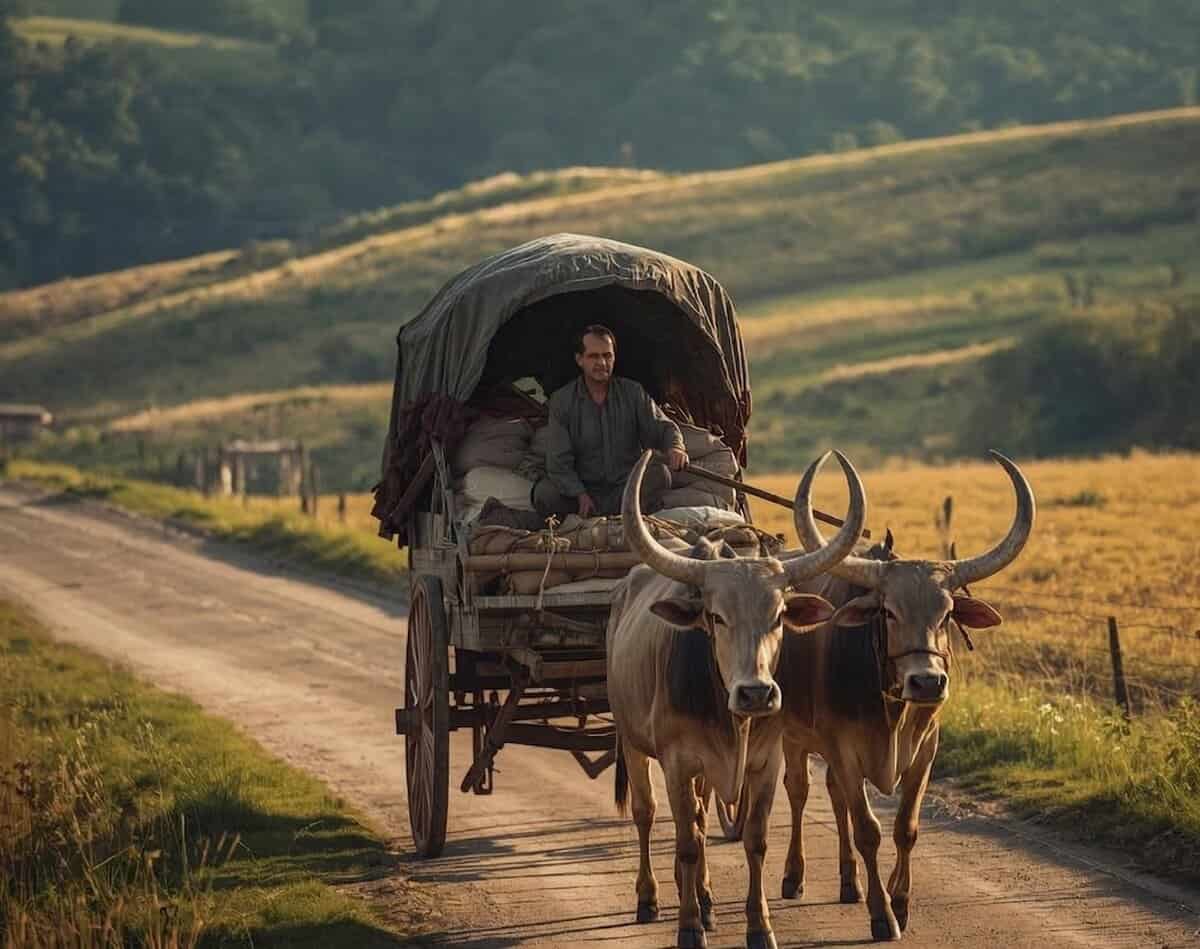
Carts and wagons were another common way to travel on land. These vehicles had wooden wheels and were pulled by animals such as oxen, horses, or donkeys.
They allowed families and traders to carry many supplies at once. Roads were often rough, so travel could be slow and uncomfortable.
However, carts made it possible to move heavy goods like grain, pottery, or tools between towns.
In many ancient civilizations, long trade routes were filled with wagons moving from one market to another.
These simple vehicles helped expand trade and connect distant settlements across large regions.
10. Crossing Mountains with Rope Bridges

In some ancient mountain regions, travelers crossed deep valleys using rope bridges made from plant fibers or woven vines.
These bridges stretched high above rivers and cliffs, connecting paths that would otherwise be impossible to cross.
People carefully walked across while holding onto ropes for balance. Sometimes animals were guided across slowly as well.
Although these bridges looked fragile, skilled builders made them strong enough for regular use.
Crossing a rope bridge could be frightening, but it allowed people to travel through some of the most challenging landscapes in the ancient world.

Ho sempre sentito una forte connessione con il Divino fin dalla mia nascita. Come autrice e mentore, la mia missione è aiutare gli altri a trovare l'amore, la felicità e la forza interiore nei momenti più bui.