
The Bible doesn’t just give us moral lessons and comforting psalms—it also delivers some deeply unsettling characters that feel like they belong in a supernatural thriller. When it comes to demons, the vibe isn’t just “spooky.” It’s psychological, symbolic, and occasionally what did I just read?
These aren’t always red-horned, pitchfork-wielding villains. Biblical demons often represent inner turmoil, destruction, temptation, and forces that disrupt both individuals and entire communities. Some are subtle. Some are chaotic. All of them? Uncomfortable in their own unique way.
Let’s take a look at some of the most disturbing demonic figures and forces in the Bible—because nothing says “light reading” like existential dread with a spiritual twist.
1. Legion
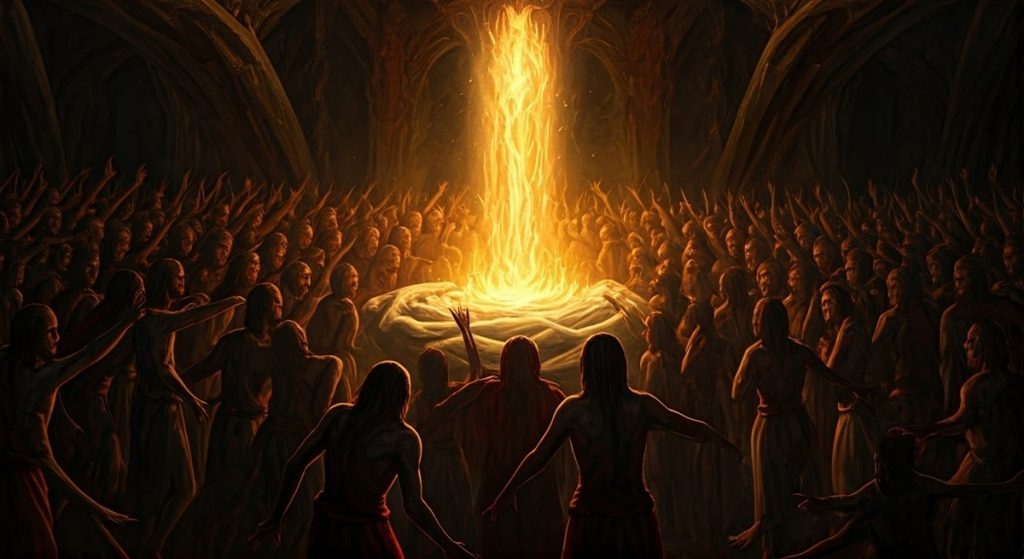
Legion isn’t just one demon—it’s many. And that’s exactly what makes it so disturbing. In the Gospels, when Jesus encounters a possessed man, the entity inside him identifies itself as “Legion, for we are many.” Which is already… not comforting.
This isn’t just about possession—it’s about being completely overwhelmed, mentally and spiritually. The man is described as isolated, uncontrollable, and living among tombs, which adds a whole layer of eerie imagery. Legion represents chaos in numbers: not one bad influence, but countless voices, impulses, and forces all pulling in different directions.
And just when you think it can’t get weirder, the demons are cast into a herd of pigs, who then run off a cliff. It’s dramatic, unsettling, and deeply symbolic of how destructive unchecked chaos can be. Subtle? Not even slightly.
2. Beelzebub
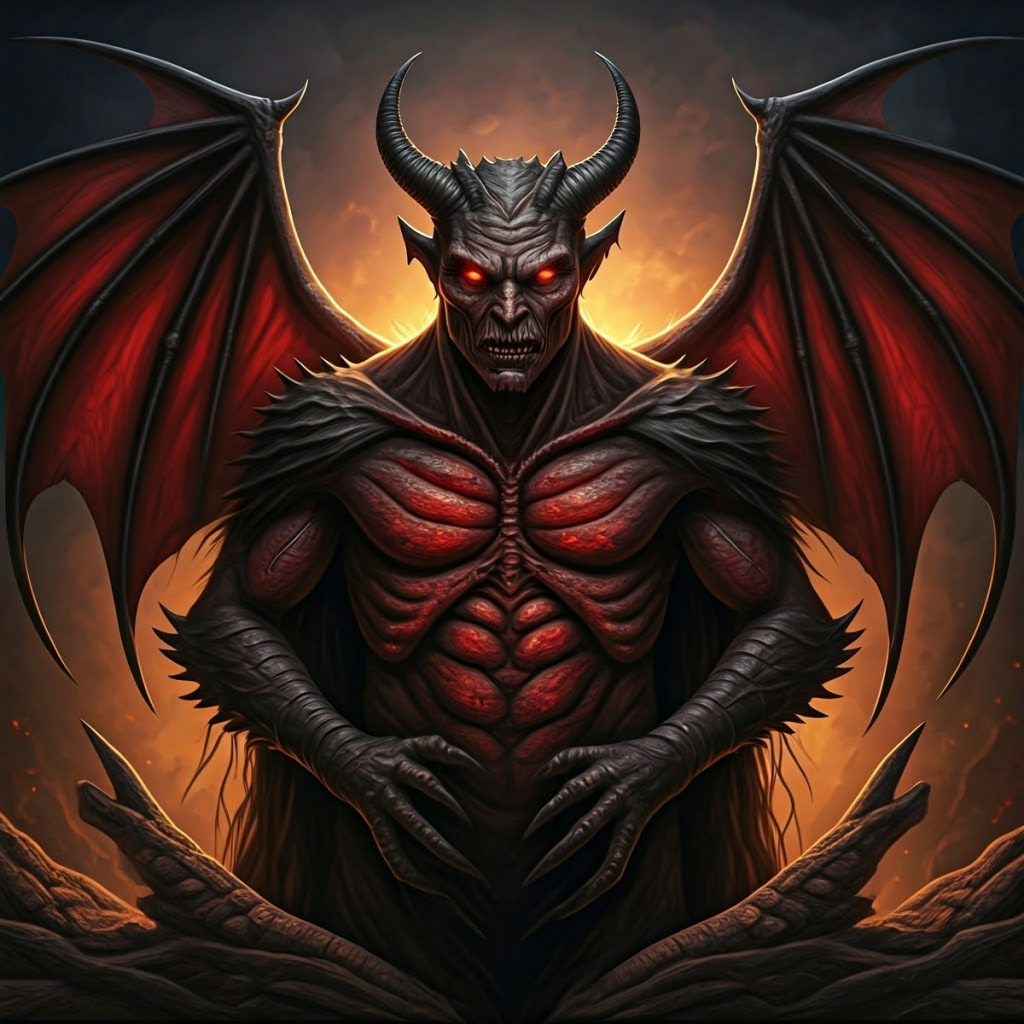
Beelzebub is often referred to as a “prince of demons,” which already sounds like a title you don’t want on your résumé. The name itself is sometimes translated as “Lord of the Flies,” which is… not exactly a comforting image.
In the New Testament, Beelzebub is associated with authority over other demonic forces, making him less of a chaotic wildcard and more of an organized threat. That’s what makes him particularly unsettling—he represents structured corruption, not just random evil.
There’s something inherently disturbing about the idea of evil being coordinated. It’s not just chaos—it’s intentional, strategic, and disturbingly efficient. Beelzebub isn’t here to cause random trouble; he’s here to run the whole operation.
3. Satan
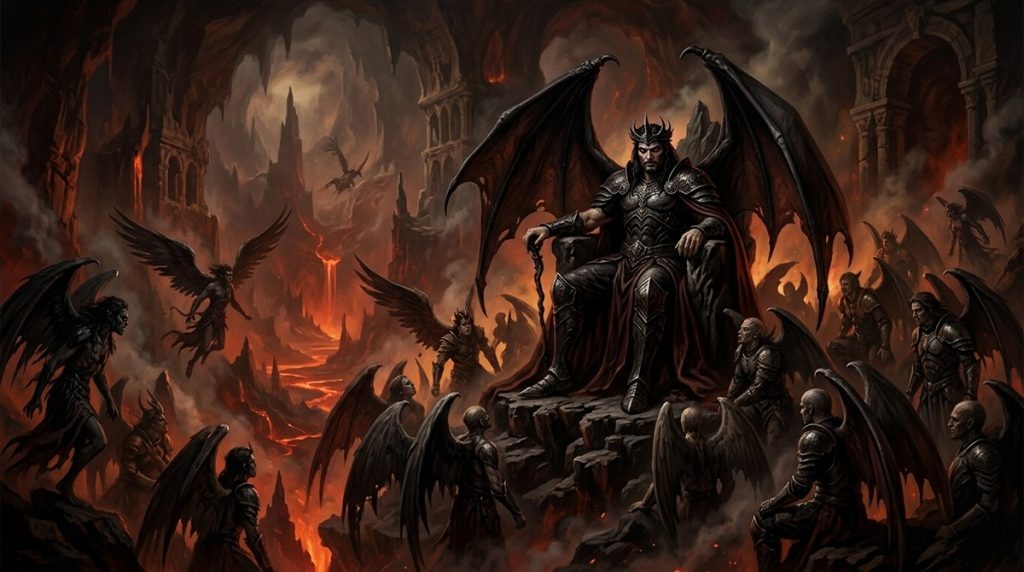
You can’t talk about disturbing demons without mentioning Satan—the ultimate adversary figure in the Bible. But what makes Satan truly unsettling isn’t just the role of “enemy”—it’s the metodi.
Satan is often portrayed as a tempter, an accuser, and a master of subtle influence. In the Book of Job, for example, he doesn’t just cause chaos for fun—he tests, challenges, and pushes boundaries in ways that feel disturbingly calculated.
This isn’t loud, obvious evil. It’s quiet, persuasive, and often disguised as something reasonable. That’s what makes it so effective—and so unsettling. Satan represents the kind of chaos that doesn’t announce itself, but slowly shifts your perspective until everything feels… off.
4. Unclean Spirits
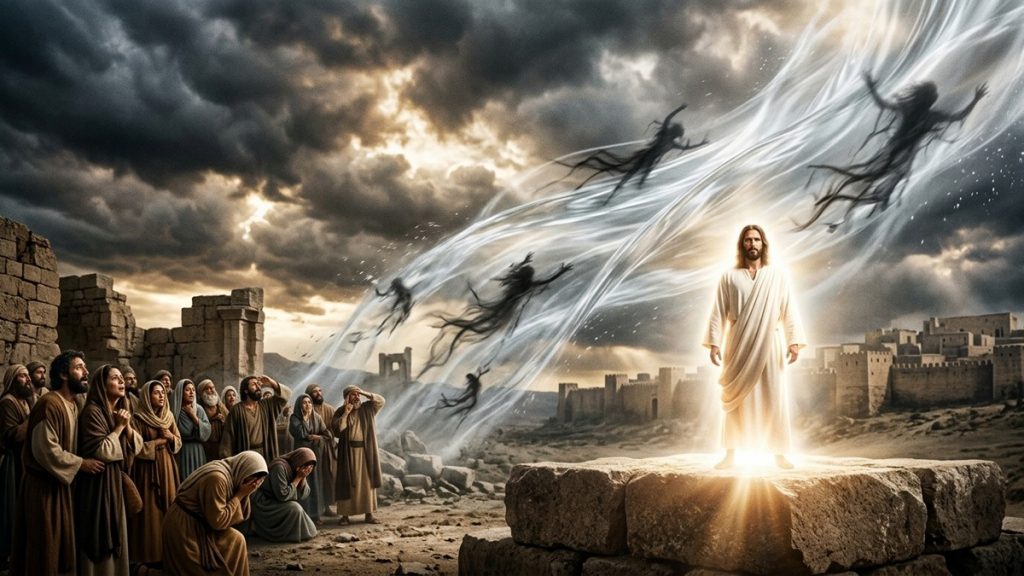
The Bible frequently refers to “unclean spirits,” and while the term might sound vague, the effects are anything but. These spirits are associated with possession, physical suffering, and mental distress—often leaving individuals isolated from society.
What makes them disturbing is how they blur the line between the spiritual and the psychological. People affected by unclean spirits are described as losing control, harming themselves, or being unable to function normally.
There’s something deeply unsettling about that loss of autonomy—the idea that something unseen could take over your thoughts or actions. It’s less about dramatic horror and more about quiet, personal unraveling.
5. The Lying Spirit (1 Kings 22)
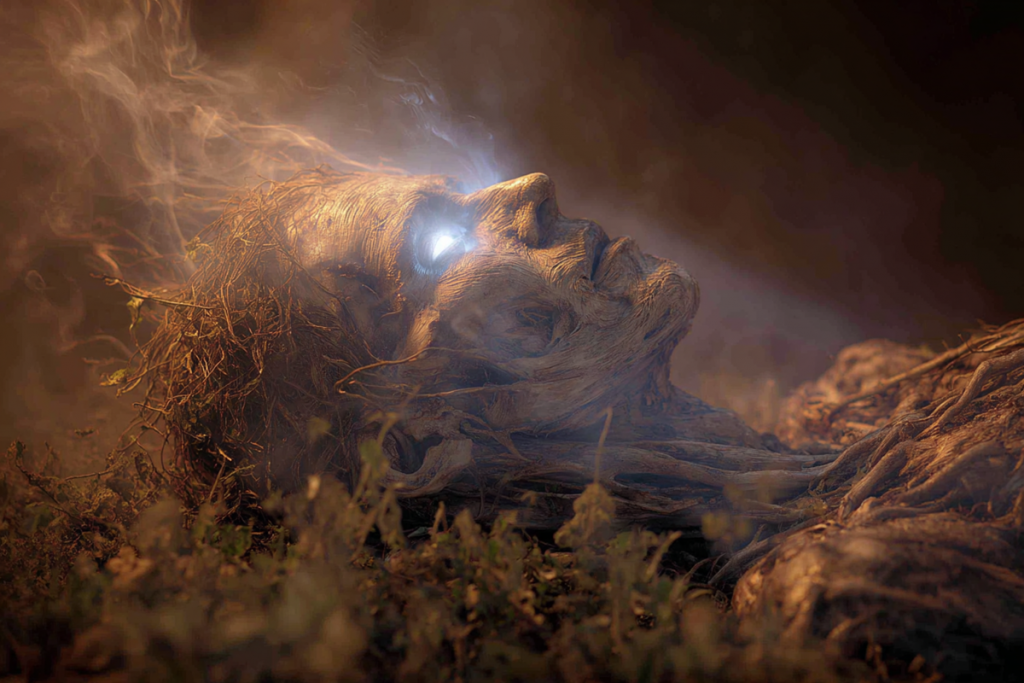
In one of the Bible’s more unexpected moments, a “lying spirit” is sent to deceive prophets and lead a king toward destruction. Yes, you read that correctly—deception is the entire job description here.
This spirit represents misinformation, manipulation, and the danger of believing what you want to hear instead of what’s true. It’s not physically terrifying—but psychologically? Absolutely.
What makes this so disturbing is how relatable it feels. The idea that falsehood can spread easily, especially when it aligns with someone’s desires, is something that hits uncomfortably close to home. It’s chaos through confusion—and it works.
6. The Destroyer (Abaddon/Apollyon)
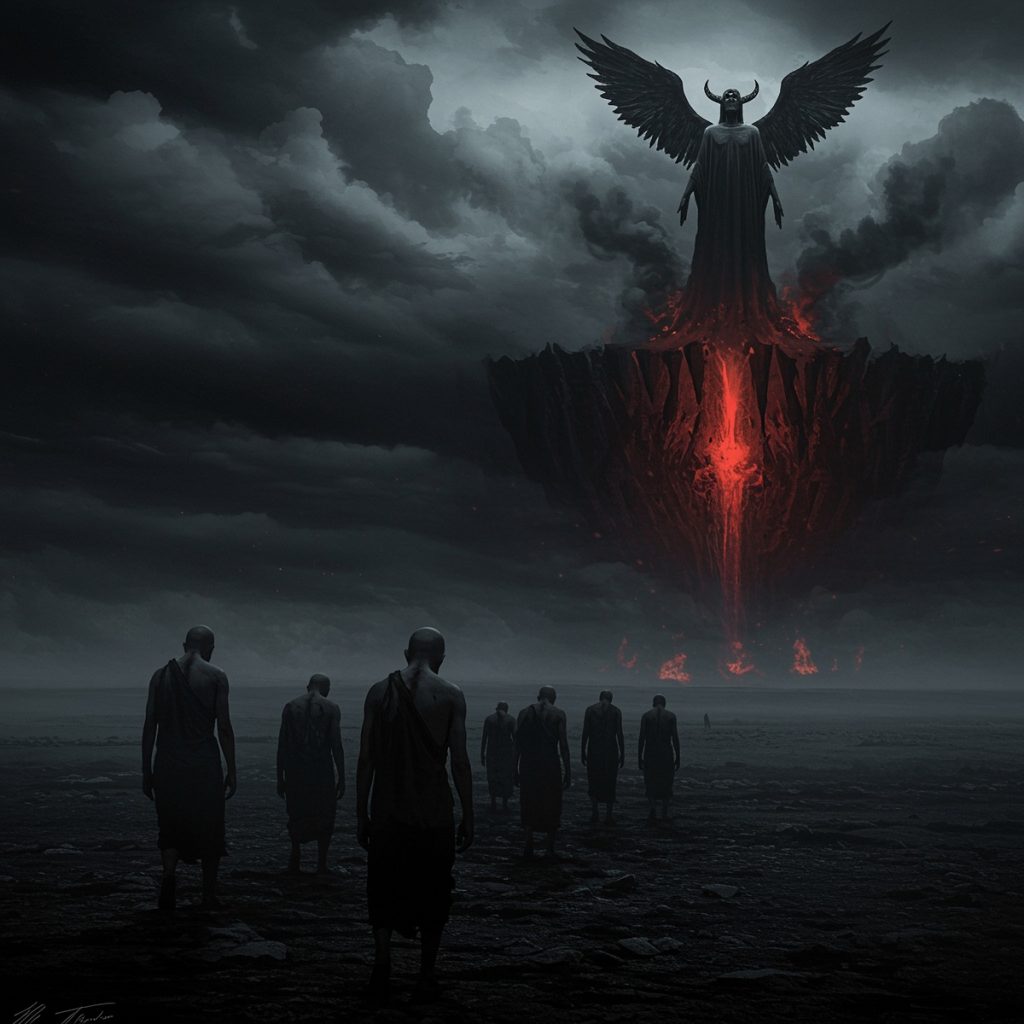
Known as Abaddon in Hebrew and Apollyon in Greek, this figure is associated with destruction and the abyss, particularly in the Book of Revelation. Even the name literally means “destroyer,” which is about as subtle as it gets.
This isn’t a tempter or a deceiver—it’s pure, unapologetic devastation. The imagery surrounding this entity is intense, often involving apocalyptic scenarios and forces that feel completely beyond human control.
What makes the Destroyer so disturbing is the scale. This isn’t personal chaos—it’s global, overwhelming, and unstoppable. It represents the kind of destruction that doesn’t just disrupt life—it ends it.
7. Demonic Forces Behind Idolatry
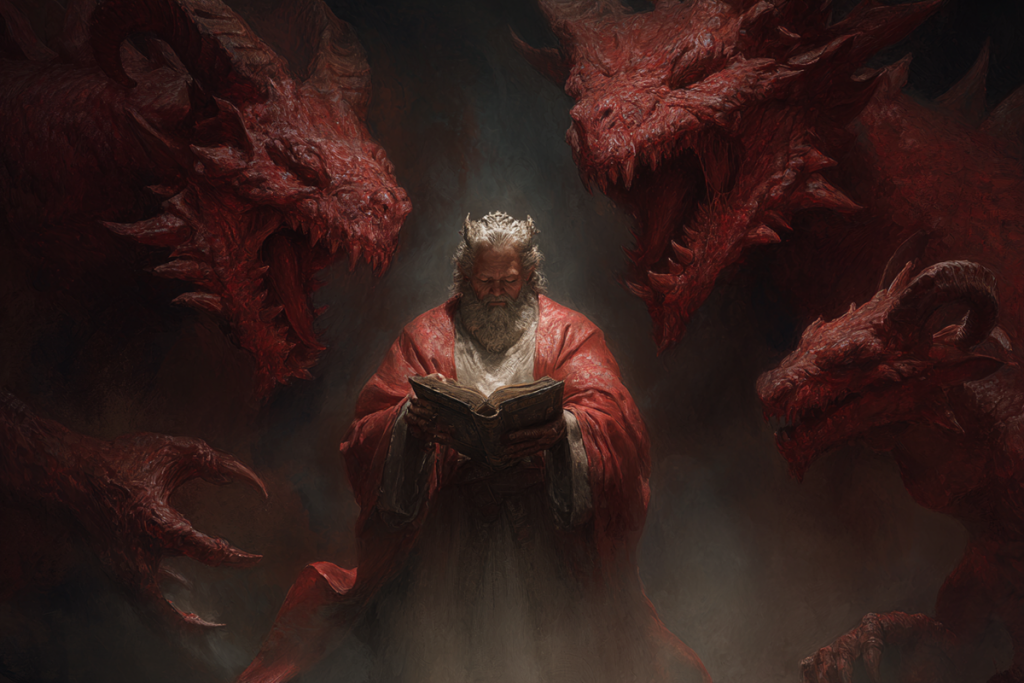
Throughout the Bible, there’s a recurring idea that false gods and idols aren’t just harmless misunderstandings—they’re influenced by demonic forces. That’s… a lot to process.
This concept suggests that entire systems of belief and behavior can be shaped by deceptive, harmful influences. It’s not just about individual actions—it’s about collective misdirection.
What makes this disturbing is how subtle it is. People don’t think they’re doing something wrong—they believe they’re following truth. That’s the danger. It’s chaos disguised as normality, which might be the most unsettling kind of all.

Lover of good music, reading, astrology and making memories with friends and spreading positive vibes! 🎶✨I aim to inspire others to find meaning and purpose through a deeper understanding of the universe’s energies.