
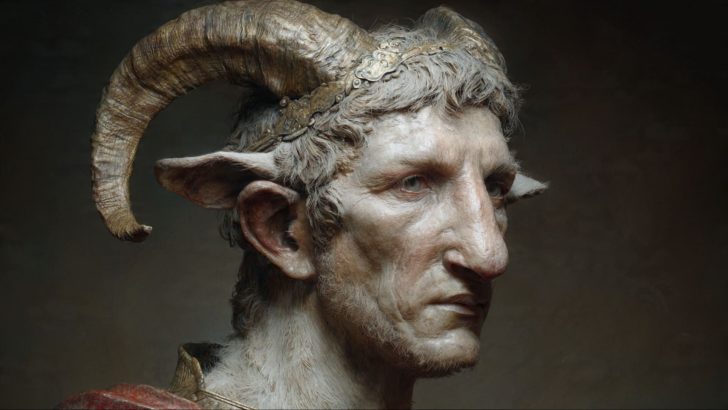
Trajan was a legendary Roman emperor, known for his military power and grand building projects.
His influence across the empire was so great that he crossed into the realm of myth!
Among Slavic peoples, especially in the Balkans, his story didn’t fade away with the fall of Rome.
Instead, he’s remembered as a supernatural figure called Trojan, and he keeps a terrible secret – he’s got goat ears!
Here’s how the oral tradition remembers him!
1. From Emperor to Myth
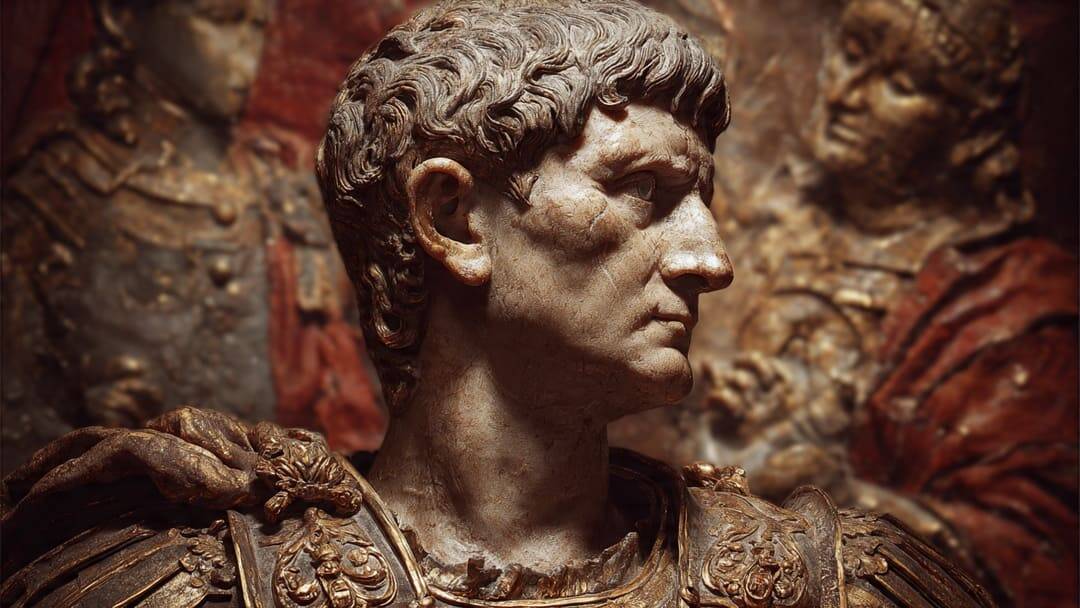
Long after Trajan’s reign ended, his name echoed in folk tales.
History remembers him as the symbol of strength and conquest, the emperor who ruled Rome at the peak of its might!
However, in Slavic folklore, he was imagined a bit differently. They turned his image into an elusive, dark creature that roamed the night and punished people unfairly.
Now the timeline might be a bit confusing, since Trajan ruled in the first century AD, while Slavic migration to the Balkans is dated several centuries later.
Some claim the myth came from strong Dacian influence, while some sources claim that South Slavs are native to the region.
Either way, the story of Trajan is a very popular and beloved folk tale that’s still taught in schools.
In the legend, he’s renamed Trojan and presented as a ruler who provokes awe and fear.
2. The Folktale
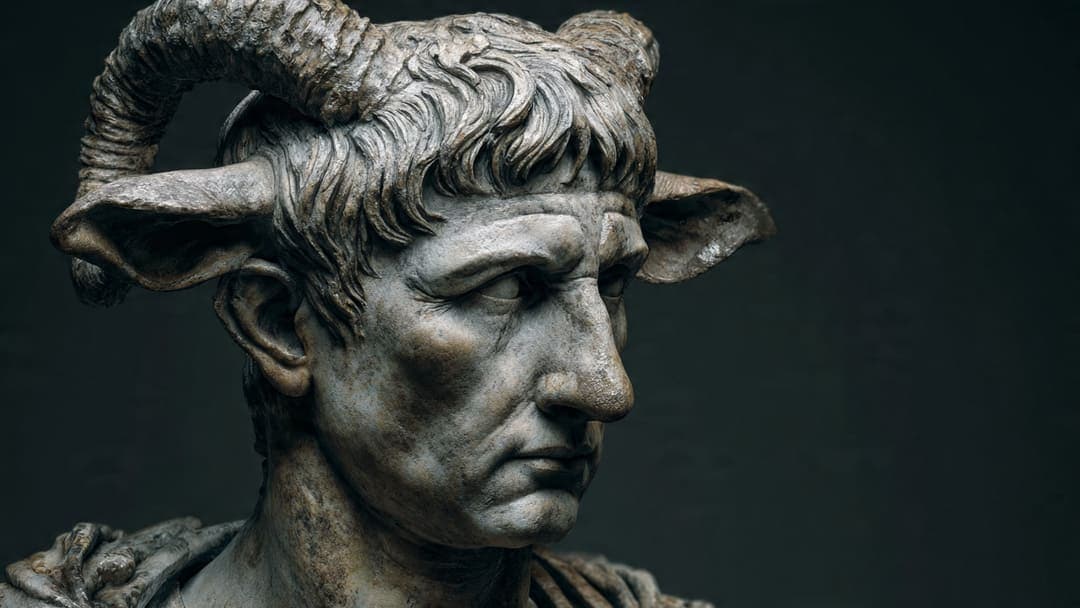
The folktale goes that a long time ago, there was a ruler named Trojan who had goat ears. He would severely punish those who even noticed them.
He had many barbers, and he would test them by asking if they saw the ears, and when they said the truth, Trojan had them thrown into prison.
This went on until one barber decided to send his young apprentice, who knew better. He cut Trojan’s hair, and when asked about the ears, he said he didn’t notice anything strange.
Trojan let him go and paid him well, but the apprentice was weighed down by the secret for years and had to share it somehow.
He went to a field and dug a hole, and into this hole he shouted three times: “Emperor Trojan has goat ears!”
From this very hole sprouted three reed stalks, and eventually, some children made flutes out of them. When they played, the sound echoed: “Emperor Trojan has goat ears!”
When the news got back to Trojan, he realized that the truth couldn’t be hidden, and decided to set all the barbers free.
3. Trojan’s Nocturnal Nature
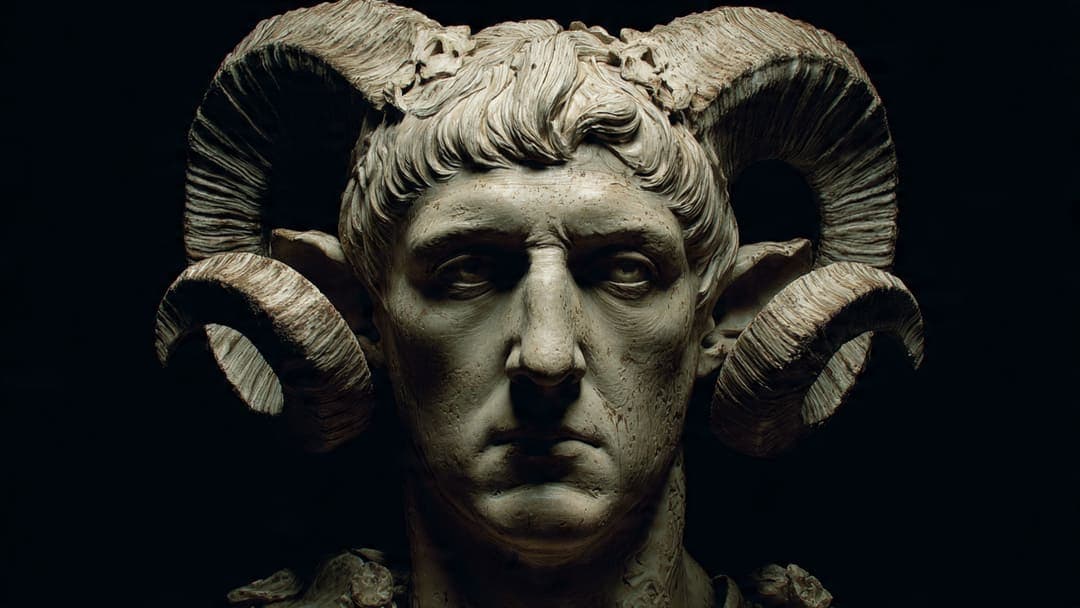
Emperor Trojan is a creature of the night. Some see him as a monster, and others as a guardian of conoscenza nascosta.
There are several versions of his legend, but in all of them, there’s something horribly strange about his appearance that clearly ties him to the otherworld.
He’s either presented with multiple heads or animal ears.
These features symbolize his connection to the primal world and forbidden, divine knowledge.
Essentially, he’s seen as a link between worlds.
The stories paint him as mysterious, hideous, but also divine.
4. Trojan and the Slavic Gods
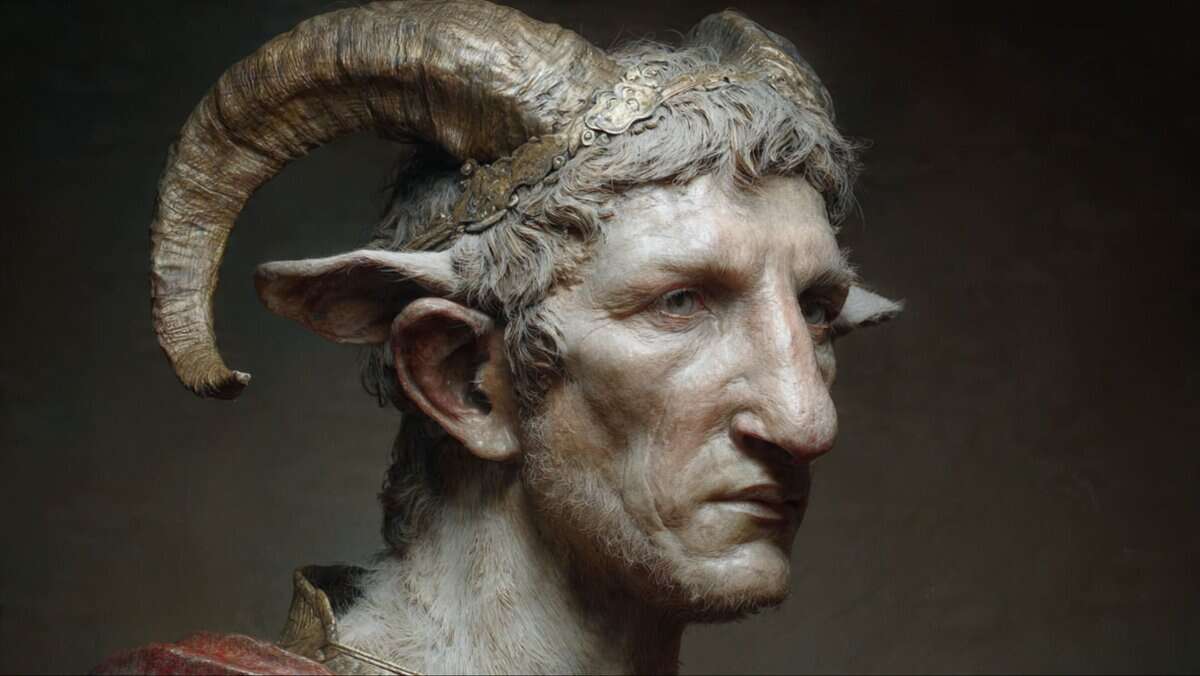
The legend of Emperor Trojan is a complex mix of local gods and mythic motifs.
Some mythologists think that he might be a combination of three prominent Slavic gods: Perun, Veles, e Horz.
They’re deities of thunder, underworld, and Sun, and it’s suspected that Trojan combines all of these powers.
His legend clearly shows how Slavic tribes blended their indigenous beliefs with Roman and Greek influences.
Trojan embodies chaos and order, destruction and protection, all at once.
This fusion reflects a culture trying to understand and control the primal elements of life by revering a supernatural guardian who embodies them all.
5. Terrifying Appearance
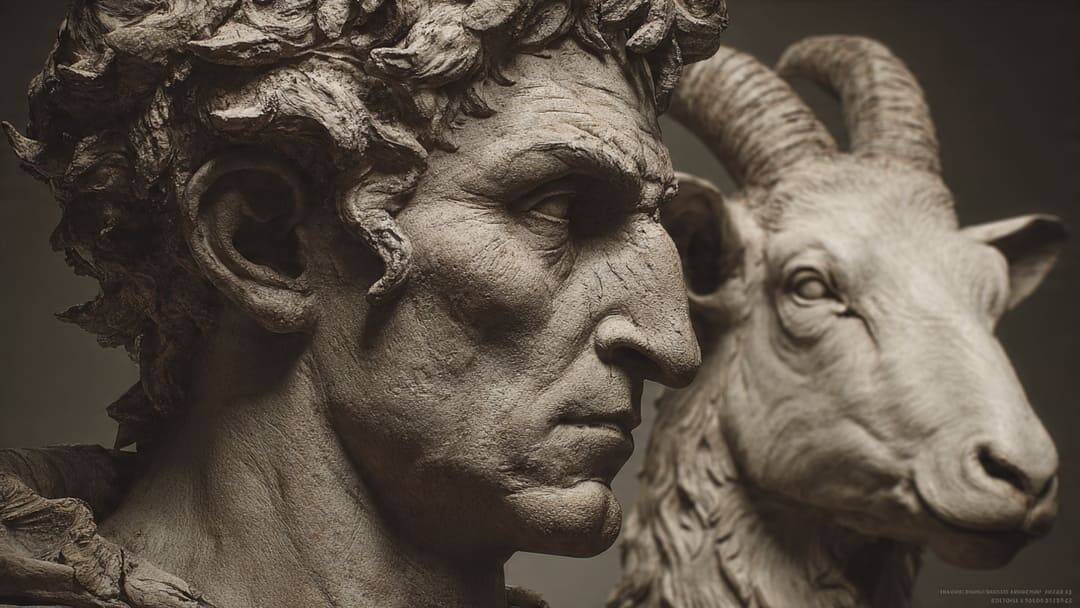
Emperor Trojan’s description varies from strange to downright terrifying.
In every version of the legend, his description includes demonic elements: three heads, goat or donkey ears, wings, etc.
Despite this frightening appearance, he’s not actually an evil being. He’s simply a guardian of sacred places and knowledge.
If he’s not presented as an emperor in his palace, then his lairs are in the mountains or deep in forests. He only ever comes out when the night falls.
Both his appearance and mistakes contain lezioni preziose. In the aforementioned tale, we learn from his example that lies get uncovered sooner or later.
However, he’s also a warning about straying too far from the community and taking the wilderness lightly.
Like many other folklore creatures, Trojan isn’t black and white; he’s a being of chaos and a keeper of wisdom.
6. The Symbolism of Darkness
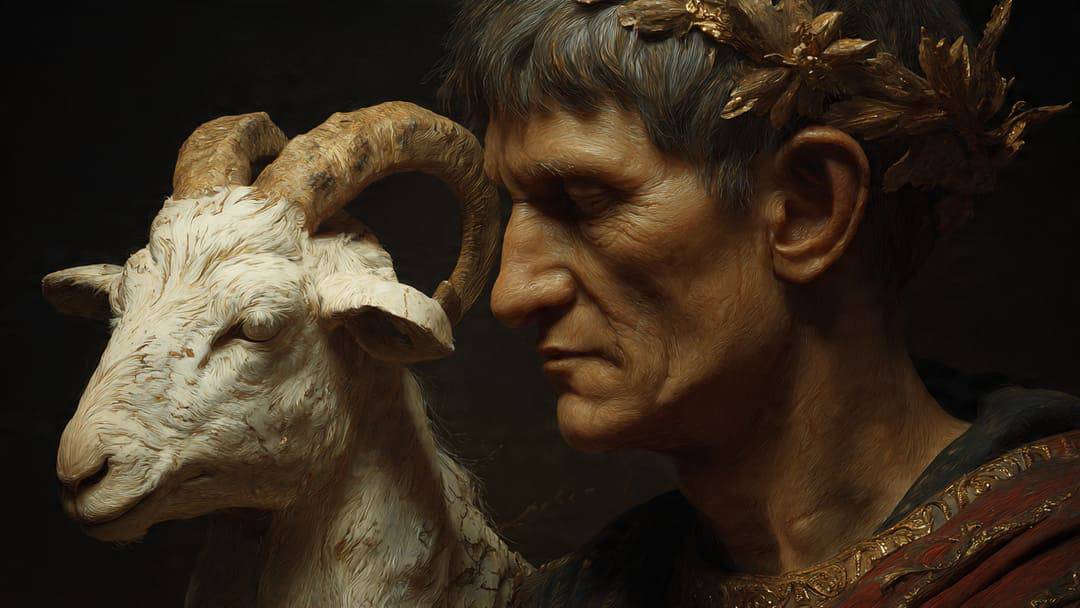
Like his appearance, Trojan’s association with the night is a symbol of the sconosciuto e il primordiale. By moving only at night, he avoids daylight and purity.
His otherworldly appearance is also taboo, so no one must witness it, or the balance of the worldly and supernatural might suffer.
His stories often depict him visiting spirits, which reinforces his role as the bridge between worlds.
The night symbolizes the chaos and fertility of nature, which humans both fear and venerate.
The myth of Emperor Trojan reminded people that the greatest truths are best hidden, but also that some powers are better left in the shadows.
7. Cultural Memory
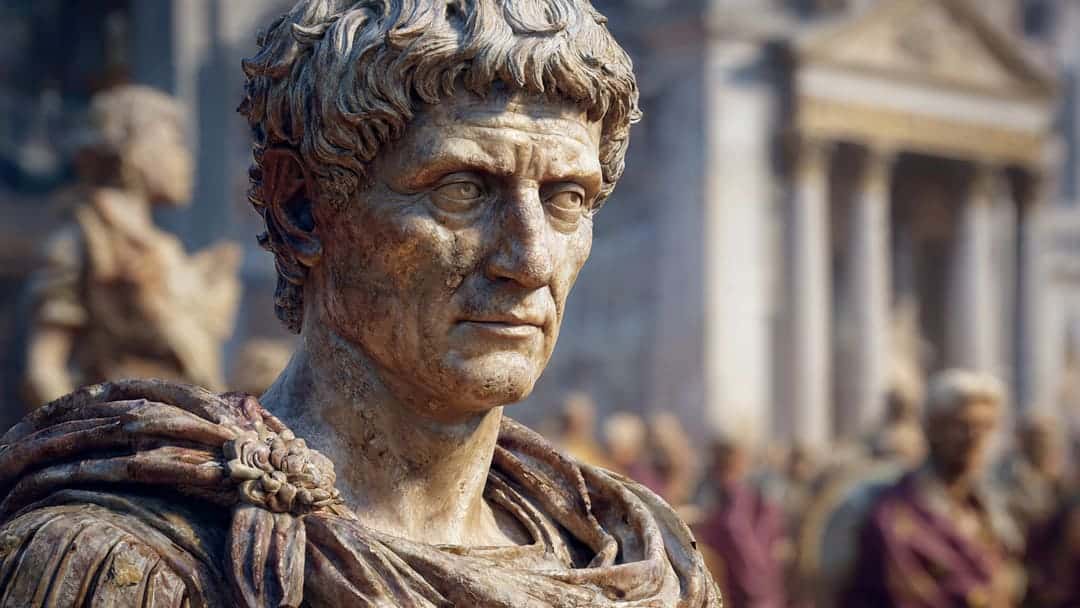
Trojan’s myth has persisted through countless generations, shaping local traditions and toponymy.
Villages, bridges, and rivers still carry his name.
His legends served as warnings and explanations for mysterious phenomena in the wilderness.
Trojan’s story is a reflection of cultural identity, a way for communities to connect with their history and environment.
At the same time, it’s the perfect example of how a foreign conqueror is adopted and reshaped as part of the local folklore.

A little Aquarius, devoted to writing and embroidery. Through my writing, I hope to empower readers to align with their true selves and navigate life’s mysteries with confidence.