
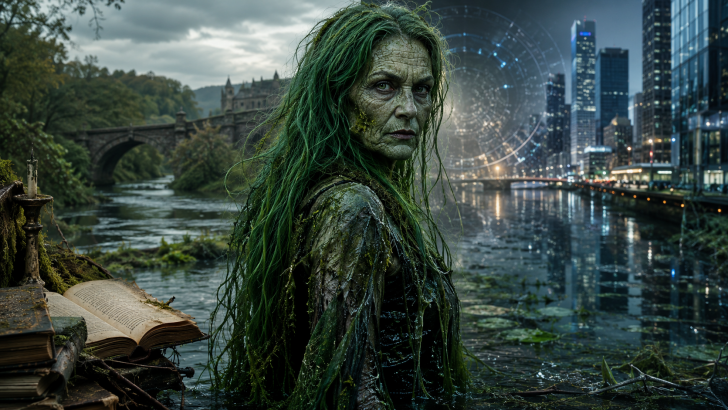
Long before warning signs, fences, and public safety campaigns existed, many communities created frightening stories to keep children away from dangerous rivers, ponds, and canals.
In parts of England, one of the most famous of these figures was Jenny Greenteeth, a mysterious river hag said to lurk beneath the water’s surface.
Her stories were especially common in northern England, where generations of parents used her legend to discourage children from wandering too close to rivers alone.
Here are nine fascinating things about Jenny Greenteeth, the river hag of English folklore.
1. Jenny Greenteeth Lived in Rivers and Ponds
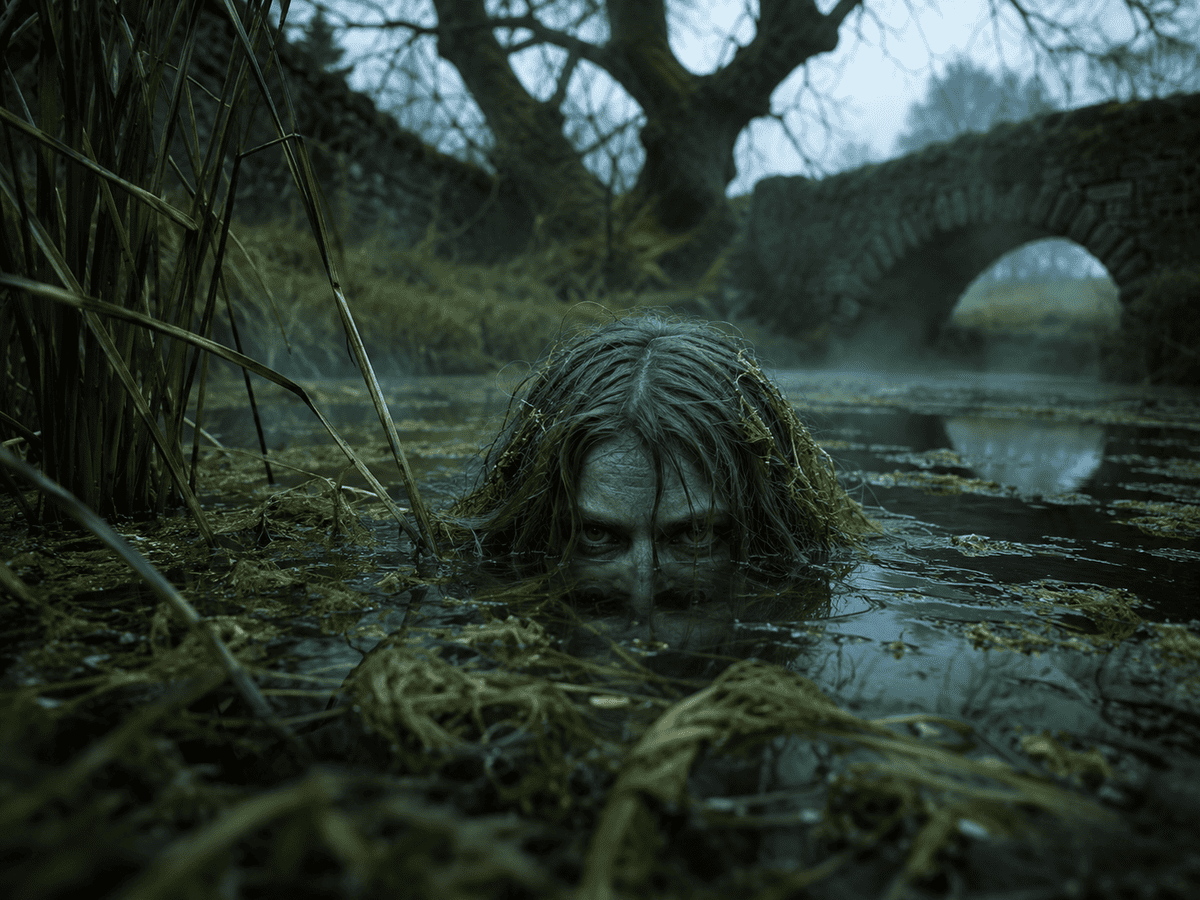
Unlike ghosts that haunted houses or spirits that wandered forests, Jenny Greenteeth was connected almost entirely to water.
She was said to hide beneath the surface of rivers, ponds, canals, and marshes, waiting silently among the reeds and weeds.
Because many villages depended on local waterways for drinking water, fishing, and transportation, children often spent time near places that could become extremely dangerous.
The legend gave these risks a frightening face. By imagining a creature hiding beneath the water, communities found an effective way to encourage fear.
2. Her Name Came From Pond Weed
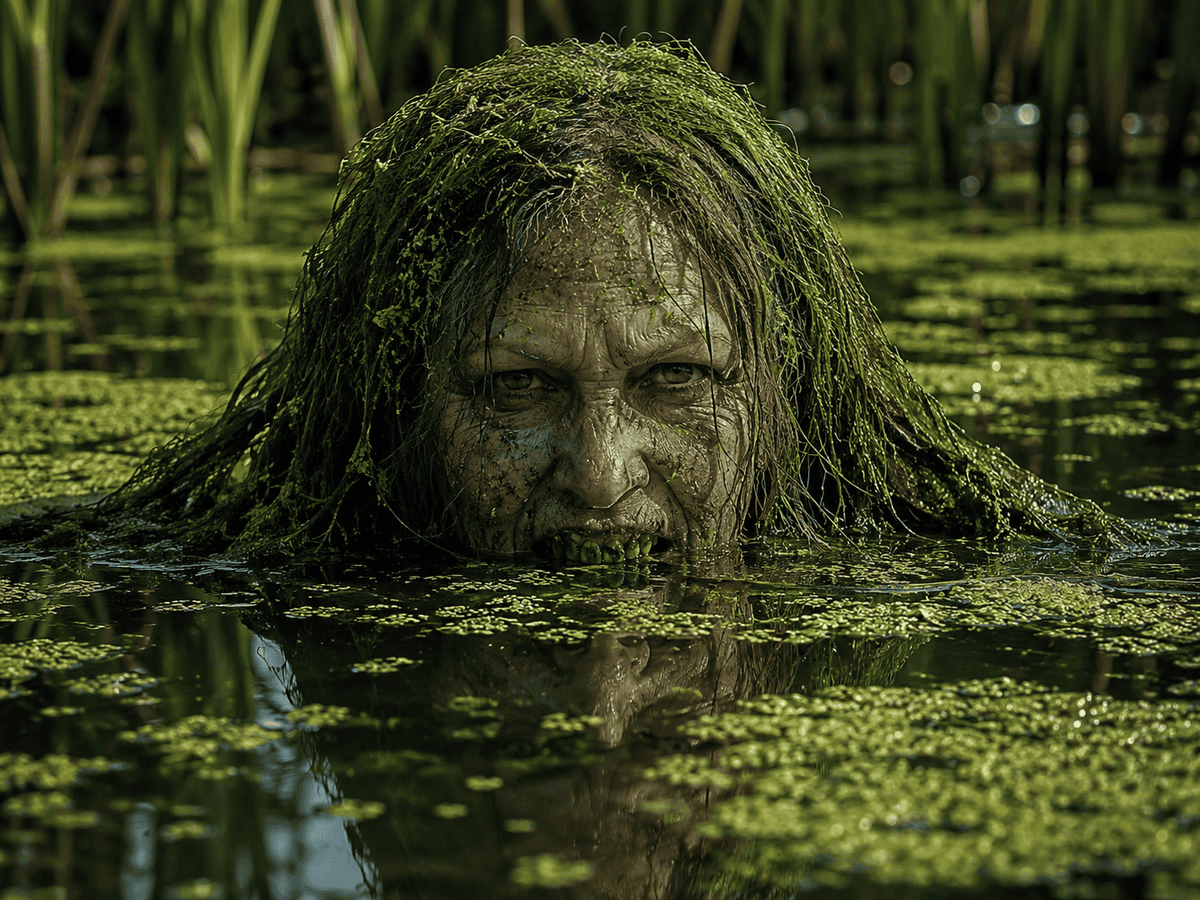
Jenny’s unusual name probably came from the green plants that float across the surface of still water.
Many stories described her with green skin, green hair, or long strands of pond weed hanging from her body.
From a distance, floating weeds can hide the true depth of water or disguise dangerous areas beneath the surface.
This connection between the creature and the landscape made the stories feel even more believable to local children.
Her appearance blended perfectly into the environments where she was said to live, making every patch of green water seem suspicious.
3. She Was Usually Described as an Old Woman
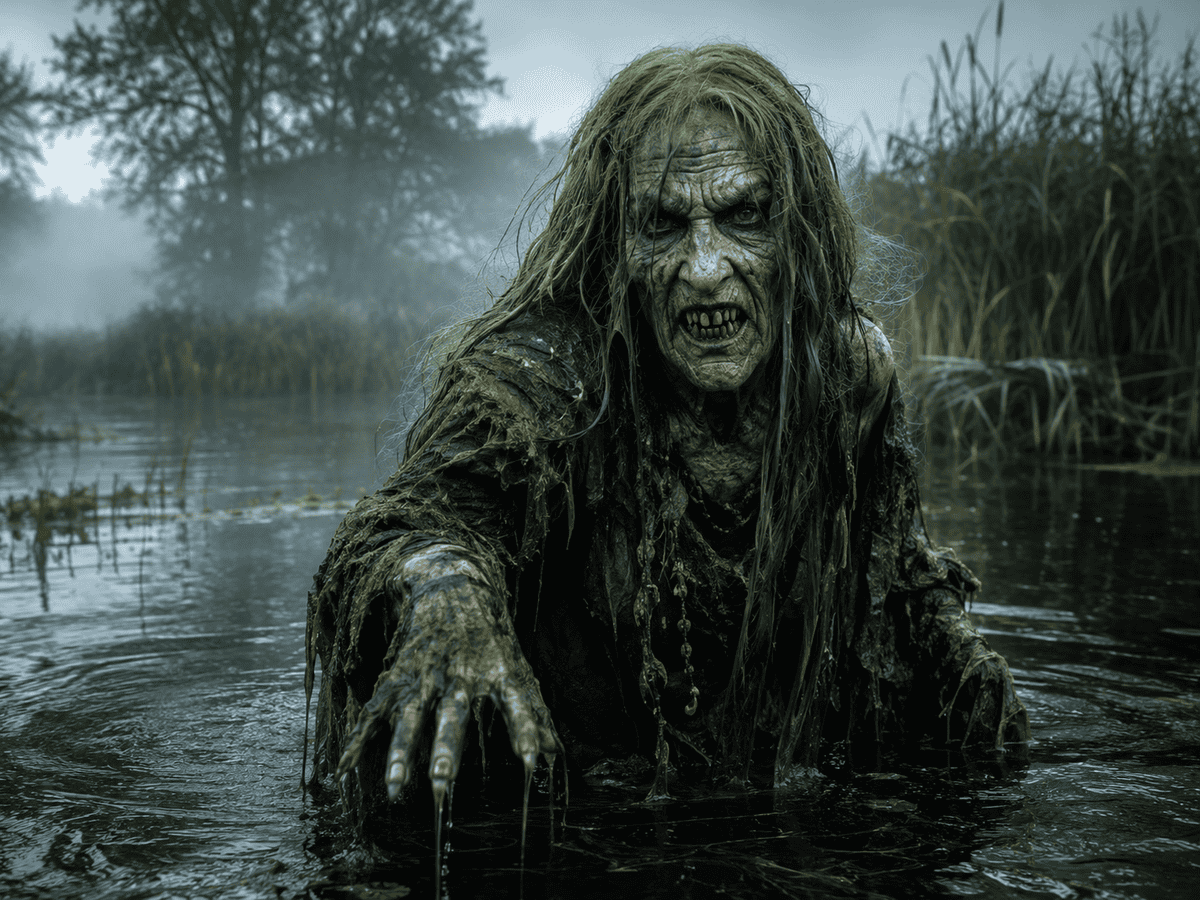
Most versions of the legend portray Jenny Greenteeth as an elderly woman with frightening features.
Stories often describe long fingers, sharp teeth, tangled hair, and skin covered with algae or river plants.
Like many figures in European folklore, she combined human and monstrous characteristics. This mixture made her both recognizable and unsettling at the same time.
The image of an old woman lurking beneath dark water became one of the most memorable parts of her legend and helped ensure the stories survived for generations.
4. Parents Used Her Story to Protect Children
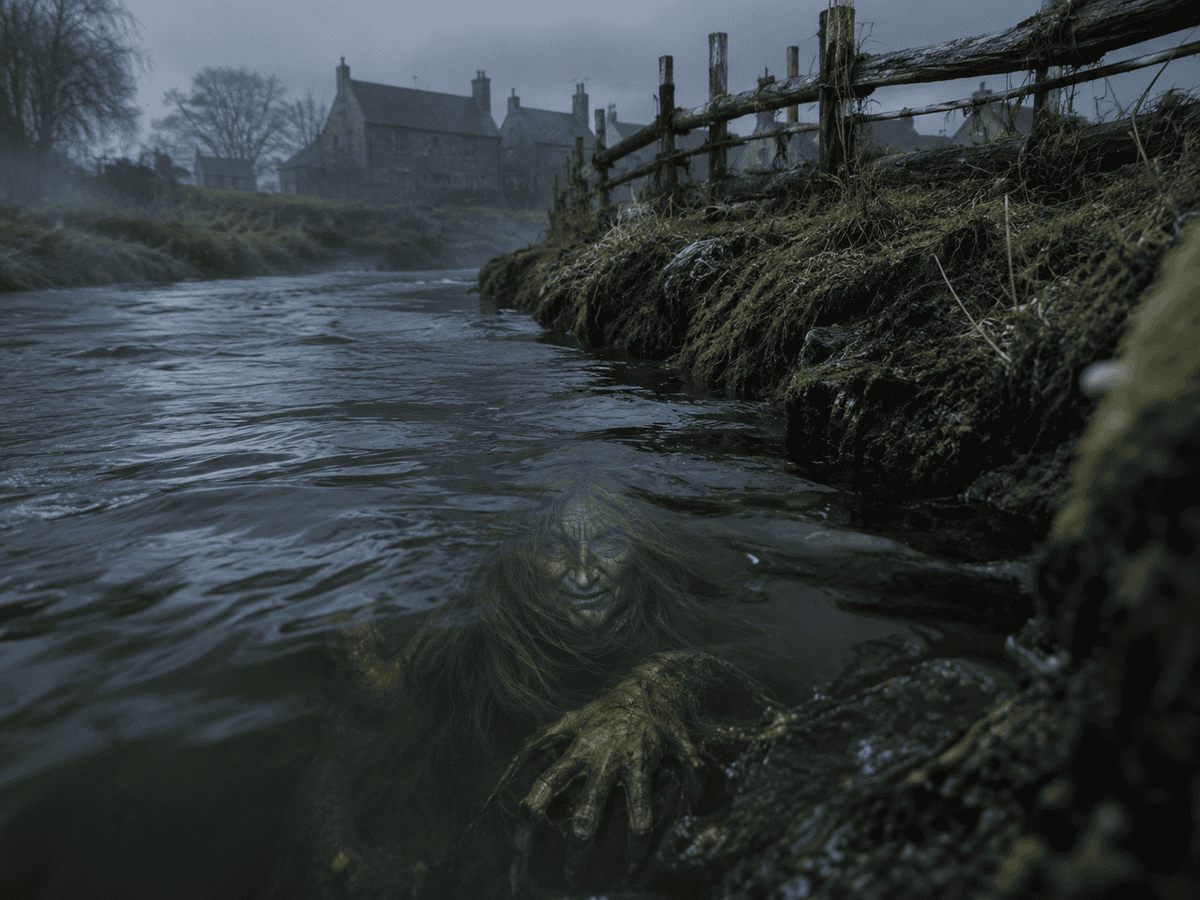
Many folklorists believe Jenny Greenteeth served an important practical purpose. In this way, folklore acted as an early form of public safety education.
Rivers and ponds posed serious dangers, especially before modern swimming lessons and rescue equipment became common.
Rather than giving complicated explanations about currents and water depth, parents often relied on memorable stories instead.
The fear of Jenny Greenteeth may have prevented countless children from approaching dangerous water alone. Many cultures created similar creatures for exactly the same reason.
5. She Had Relatives Across Europe
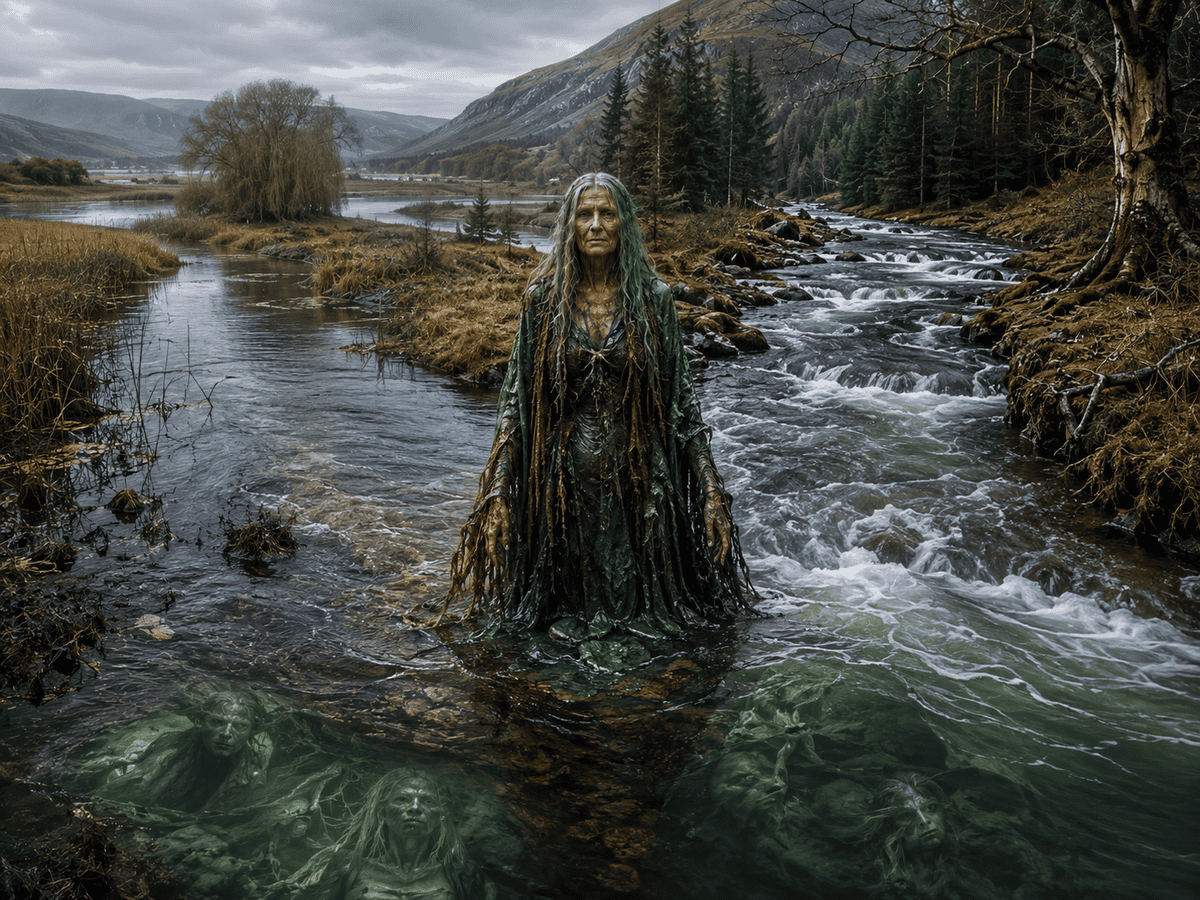
Jenny Greenteeth was not the only water spirit in European folklore. Many cultures developed similar legends involving creatures that lived in lakes, rivers, and marshes.
The Slavic Rusalka, the Scottish kelpie, and several Germanic water spirits share similarities with her stories.
Although each figure had unique characteristics, they often served similar purposes.
These recurring themes suggest that communities across Europe responded to the dangers of water in remarkably similar ways despite living far apart from one another.
6. Her Stories Were Especially Popular in Northern England
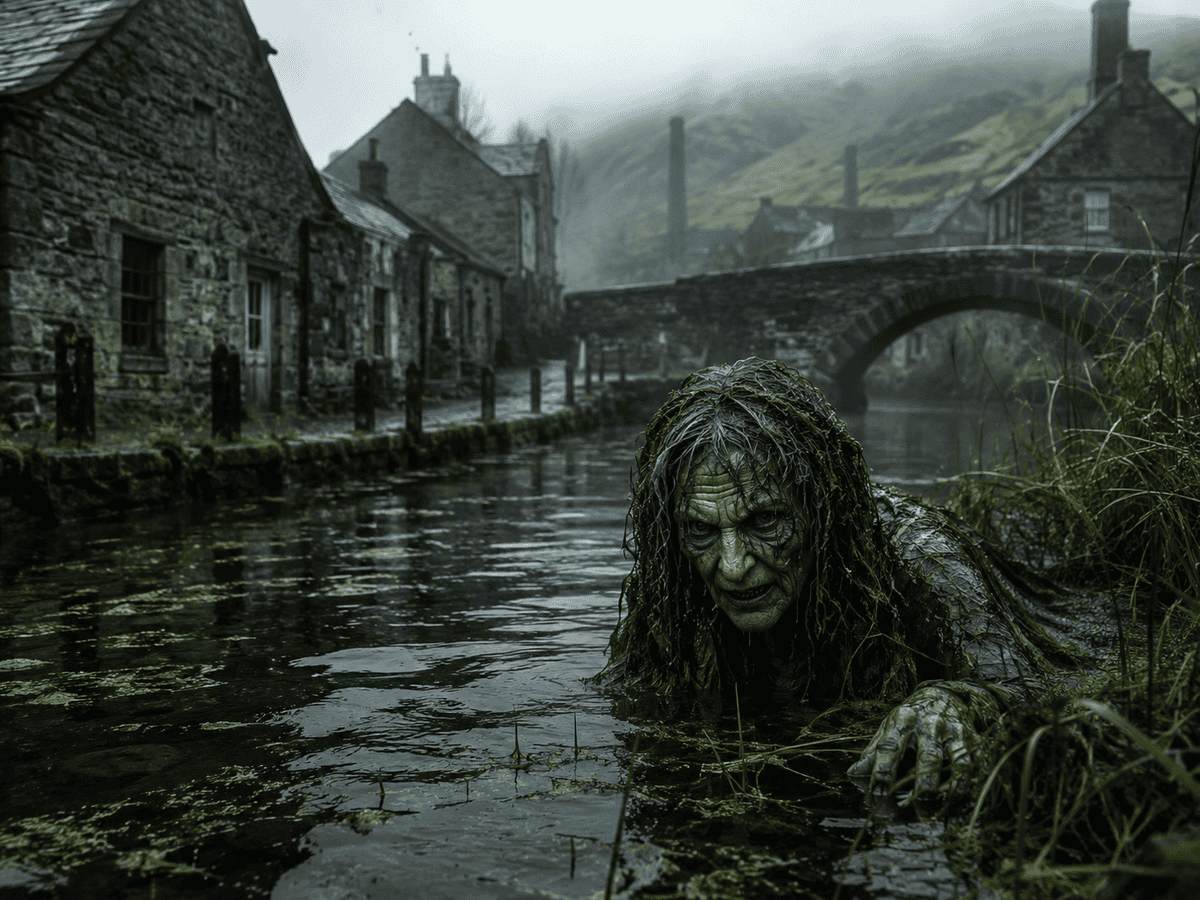
Jenny Greenteeth is most strongly associated with regions such as Lancashire, Cheshire, and Staffordshire. Different villages often told slightly different versions of her story.
Some described her as a spirit, while others portrayed her as a witch or monster living beneath the water. These local differences are common in folklore.
As stories travel between communities, details naturally change while the central idea remains the same.
This process allowed Jenny Greenteeth to remain familiar while adapting to local landscapes and traditions.
7. She Was Sometimes Connected With Winter
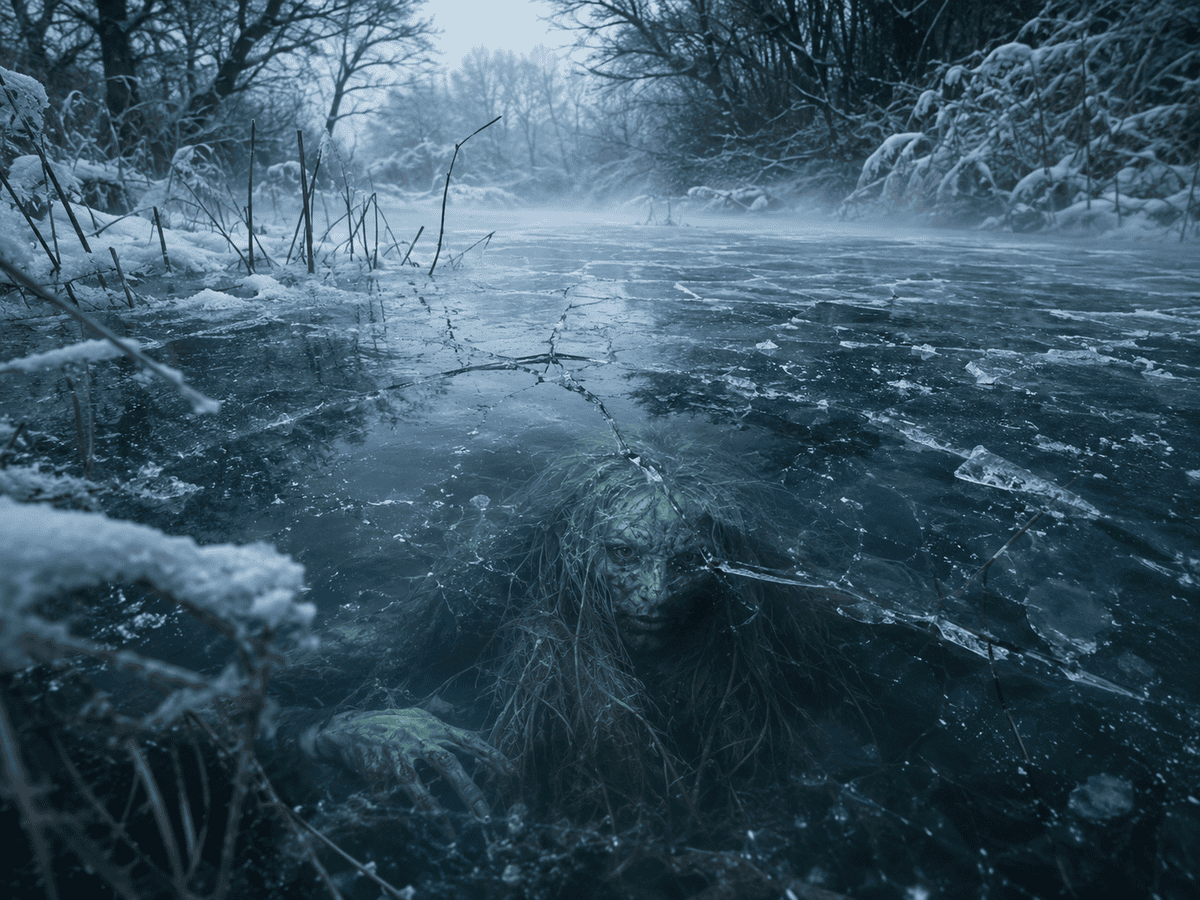
Some traditions associated Jenny Greenteeth with cold weather and dark seasons. Frozen ponds, icy riverbanks, and short winter days increased the dangers surrounding water.
During these months, even shallow ponds could become deadly. Adding a supernatural figure to these risks helped reinforce the importance of caution.
Winter folklore often focused on creatures that punished carelessness or wandering too far from safety.
Jenny fit naturally into this broader tradition of seasonal warnings and protective storytelling.
8. Folklore Often Used Fear as a Teacher
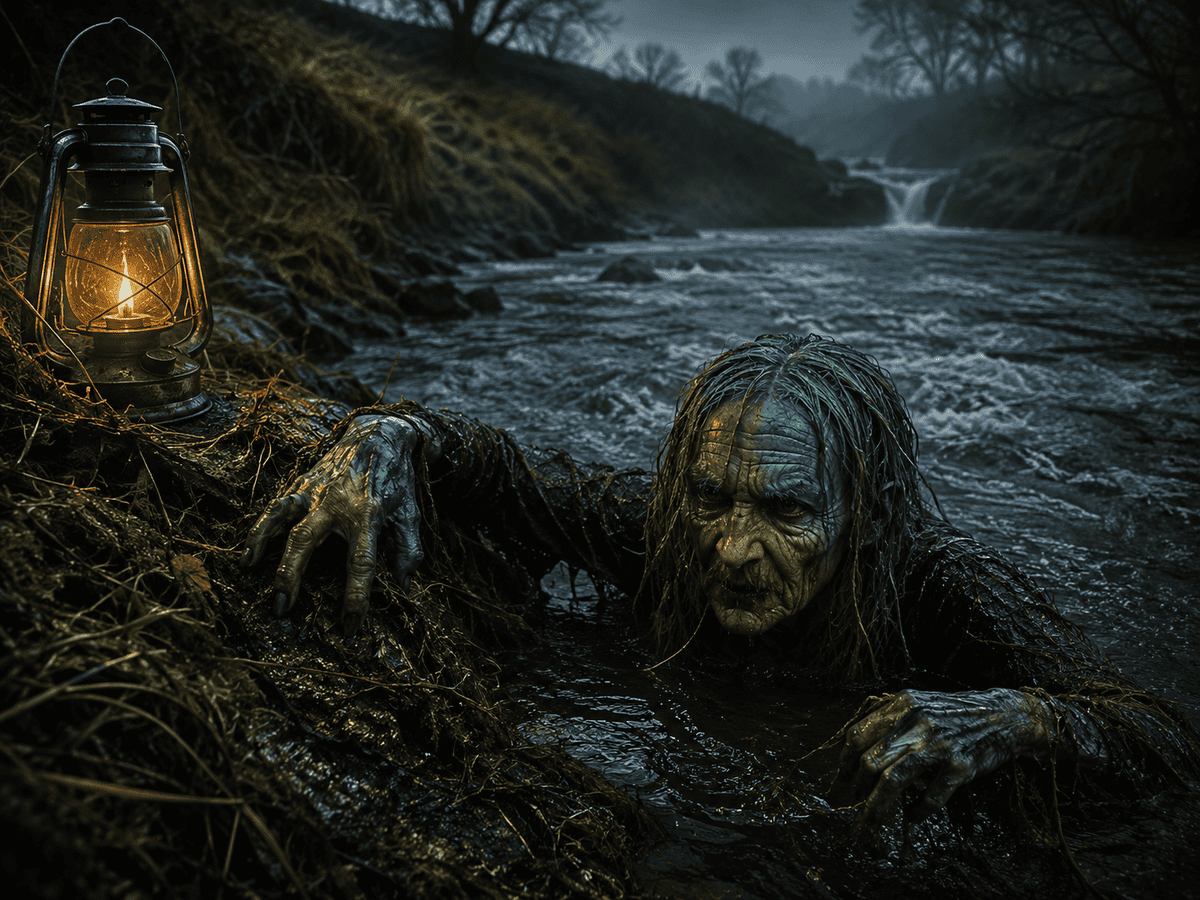
Modern audiences sometimes view these stories as unnecessarily frightening.
However, for earlier communities, fear was often seen as an effective way to communicate important lessons.
Children remembered stories far more easily than rules. A warning about currents might be forgotten, but a terrifying river hag waiting beneath the water was much harder to ignore.
Jenny Greenteeth reflects a time when folklore served practical purposes alongside entertainment.
Many traditional stories were designed not only to amuse but also to protect.
9. She Continues to Appear in Modern Culture
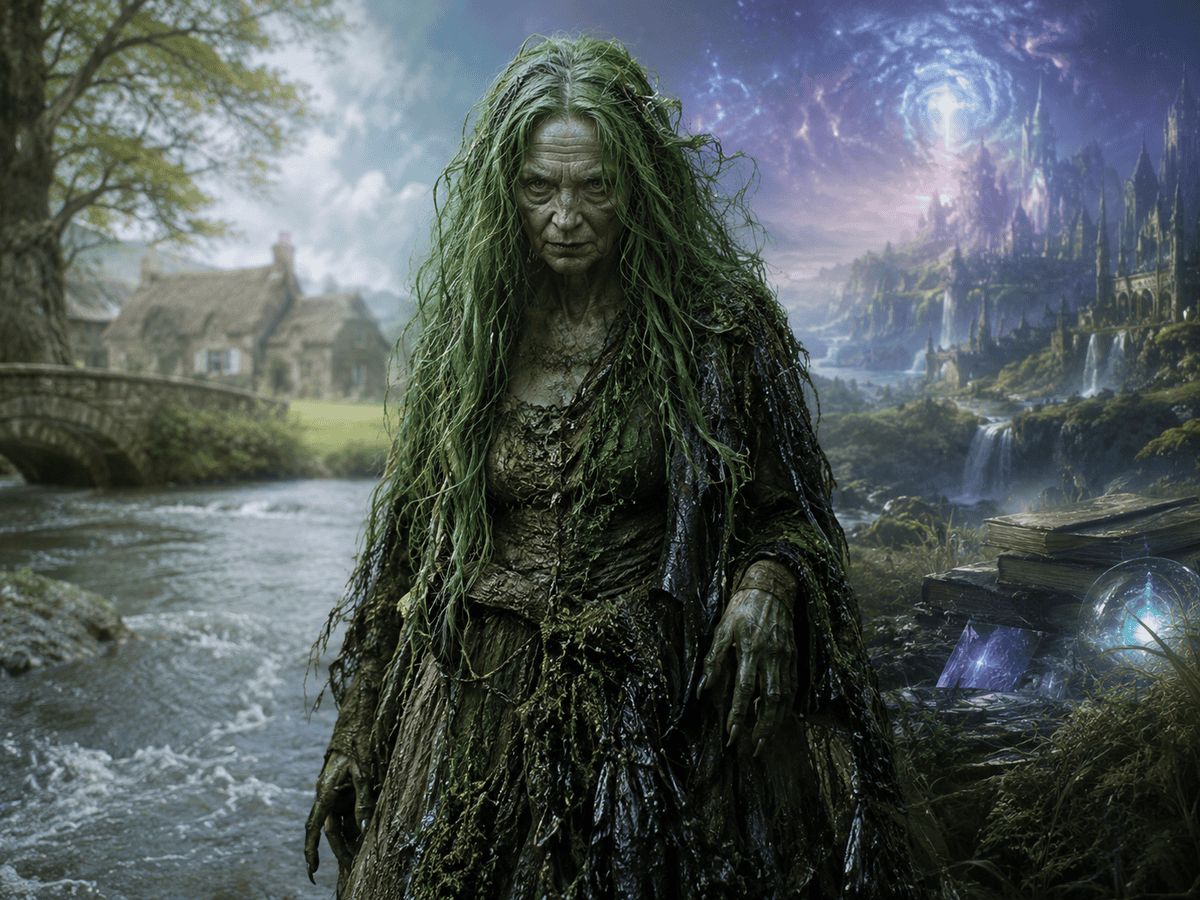
Although fewer children hear her stories today, Jenny Greenteeth has not disappeared completely. Writers, game designers, and fantasy authors continue drawing inspiration from her legend.
She occasionally appears in novels, folklore collections, and modern retellings of traditional English myths. Interest in local folklore has grown steadily in recent years.
As people rediscover older traditions, figures like Jenny Greenteeth continue finding new audiences far beyond the villages where the stories first began.

I always felt a strong connection to the Divine since my birth. As an author and mentor, my mission is to help others find love, happiness, and inner strength in the darkest of times.