

King David is one of the most complex and fascinating figures in biblical history. He was a shepherd, warrior, poet, outlaw, king, and deeply flawed human being.
Unlike rulers who inherited power through bloodlines or political manipulation, David’s rise was slow, painful, and shaped by years of rejection, danger, and spiritual testing.
His story is not just about kingship. It is about transformation, endurance, and the cost of destiny.
Below are ten essential facts that reveal how David rose from obscurity to become one of the most influential kings in history.
1. David Was the Least Likely Choice for a King

David’s rise began with improbability. He was the youngest son of Jesse, a family with no royal status.
When the prophet Samuel came to anoint a new king, even David’s own father did not consider him worthy enough to be presented.
While his older brothers stood tall and confident, David was left behind tending sheep.
This detail is crucial because it shows that David’s destiny did not align with human expectations. In ancient culture, age, strength, and appearance mattered greatly.
David had none of these advantages. His selection emphasized a recurring biblical theme: power does not always come from position, but from inner character.
David’s early invisibility shaped his humility. Before anyone saw him as a leader, he learned responsibility, patience, and resilience in isolation.
2. His Time as a Shepherd Trained Him for Leadership

David’s years as a shepherd were not a detour, they were preparation. Protecting sheep required vigilance, courage, and sacrifice.
David fought lions and bears to defend his flock, developing both physical bravery and mental discipline.
More importantly, shepherding taught him leadership through service. He learned to guide rather than dominate, to protect the weak, and to stay alert to danger.
The famous biblical phrase describing David as a “shepherd of Israel” was not symbolic. It was a literal experience turned into a leadership philosophy.
His psalms reflect this period deeply, showing introspection, emotional intelligence, and spiritual awareness rarely seen in warriors of his time.
3. David’s Victory Over Goliath Was Strategic, Not Accidental

The story of David and Goliath is often simplified into a tale of faith, but it was also a demonstration of intelligence and skill.
David rejected traditional armor because it limited his movement. Instead, he chose tools he had mastered, his sling and stones.
David understood his opponent’s weakness. Goliath was heavily armored, slow, and reliant on close combat.
David kept distance, used speed, and struck decisively. This was not blind courage; it was calculated confidence.
That single victory changed David’s status overnight. From shepherd boy to national hero, he became a symbol of hope for Israel and a threat to King Saul.
4. King Saul’s Jealousy Forced David Into Exile

After Goliath’s defeat, David gained popularity, respect, and military success. This triggered Saul’s insecurity.
As David’s praise grew, Saul’s fear turned into obsession. He attempted to kill David multiple times, forcing him to flee.
David spent years living as a fugitive, hiding in caves and foreign territories. This period tested his patience and moral strength.
Despite opportunities to kill Saul and claim the throne by force, David refused. This restraint shaped his legitimacy.
He believed power taken prematurely would be corrupted. His refusal to seize authority unlawfully became one of the defining reasons his reign was later accepted.
5. David Built Loyalty Through Compassion, Not Fear
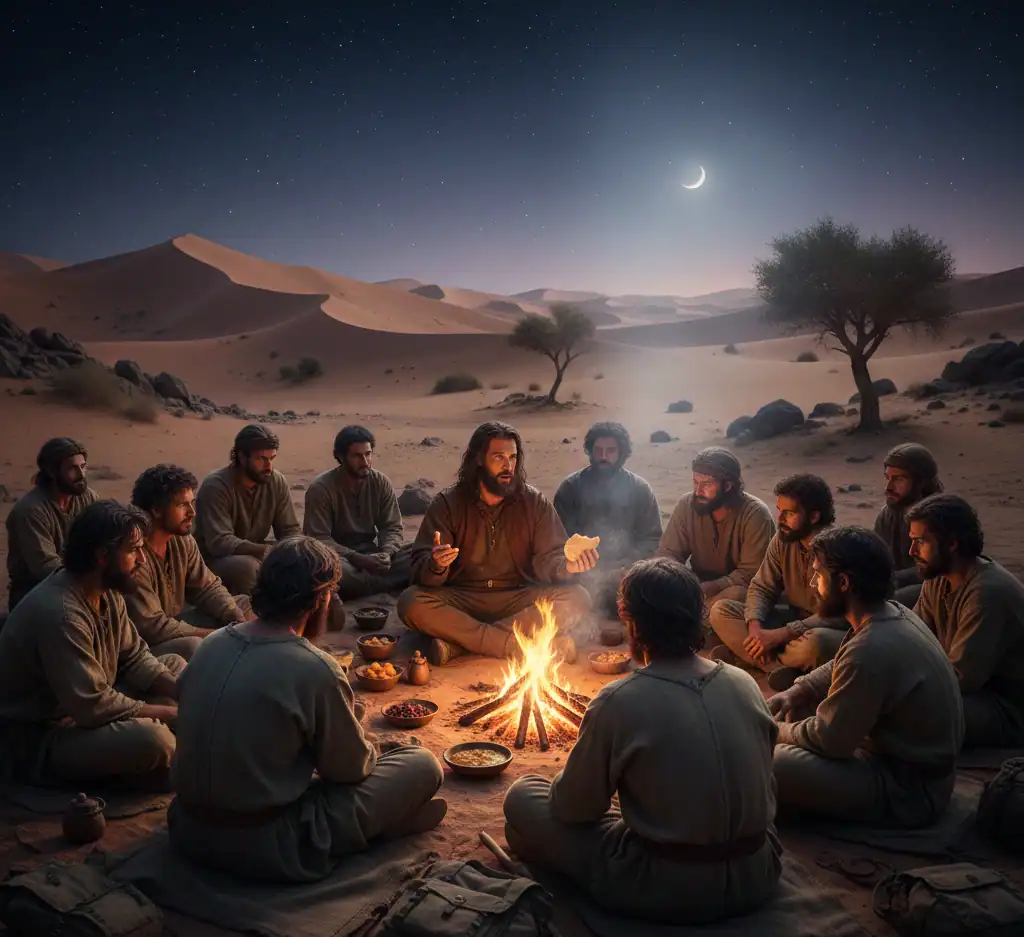
While in exile, David attracted followers who were described as distressed, indebted, and discontented.
Rather than ruling them through fear, he united them through empathy and shared hardship.
David shared resources, protected communities, and rewarded loyalty fairly. Over time, his followers became disciplined warriors bound by trust rather than coercion.
This organic loyalty would later support his claim to kingship. He became the main source of power.
Unlike Saul, whose authority was maintained through force and paranoia, David’s leadership grew from relational strength.
6. He Refused to Kill Saul, Even When Given the Chance
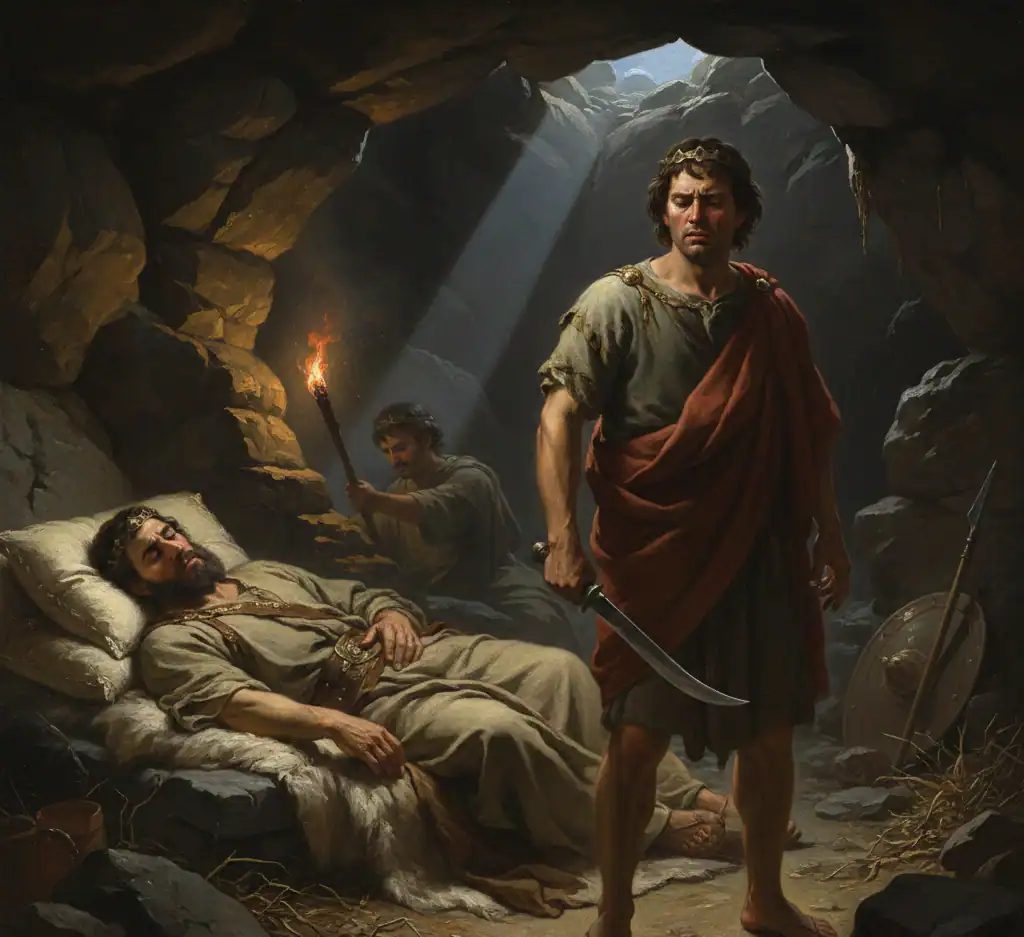
One of the most telling moments in David’s rise occurred when Saul unknowingly entered a cave where David was hiding. David had the perfect opportunity to kill him and end years of suffering.
Instead, David cut a piece of Saul’s robe and later showed it as proof of restraint.
This act demonstrated self-control, moral authority, and reverence for divine order. David believed that removing Saul was not his role, even if Saul was unjust.
This moment solidified David’s reputation, not just as a warrior, but as a man guided by conscience rather than ambition.
7. David Became King Gradually, Not All at Once
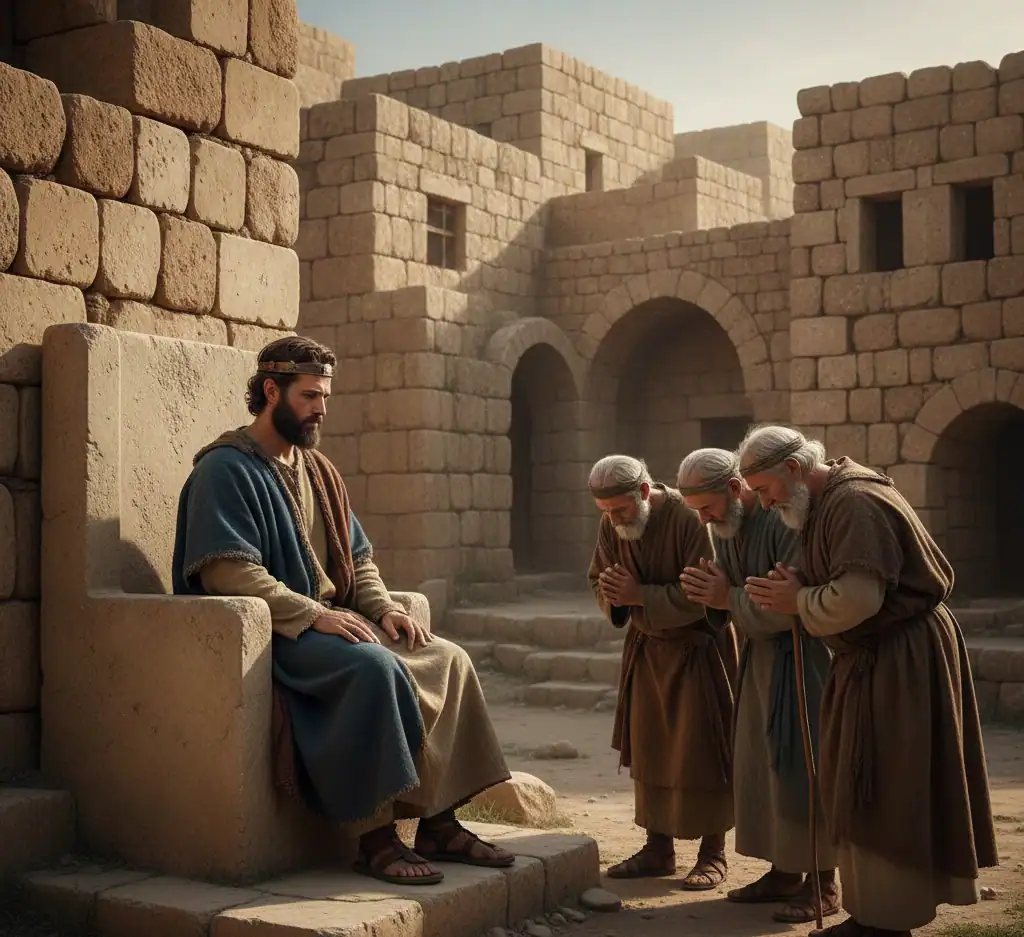
David did not immediately rule all of Israel. After Saul’s death, he became king only over the tribe of Judah.
The rest of Israel followed Saul’s son for years, leading to internal conflict.
David waited patiently, strengthening alliances and governing responsibly in Hebron. Eventually, the tribes unified under his leadership, not through conquest, but through recognition of his capability and integrity.
This slow rise ensured stability. David’s kingship was accepted, not imposed, which reduced rebellion and strengthened national identity.
8. Jerusalem Was a Strategic and Symbolic Choice

One of David’s most impactful decisions was establishing Jerusalem as the capital. Previously a neutral city, it was not associated with any single tribe.
By choosing Jerusalem, David avoided favoritism and created a unifying center.
Jerusalem also had strong defensive advantages and deep spiritual significance. David later brought the Ark of the Covenant there, merging political authority with religious identity.
This decision transformed Jerusalem into the heart of Israel’s spiritual and political life, a status it holds to this day.
9. David Was a Warrior-Poet, Not Just a King

Unlike most ancient rulers, David was deeply artistic. He composed psalms that expressed fear, guilt, gratitude, and hope.
His emotional honesty made him relatable, even centuries later. This balance between strength and vulnerability set David apart.
He acknowledged failure, sought forgiveness, and reflected deeply on his actions. His humanity made his authority feel authentic rather than imposed.
David’s legacy endured not only because of military success, but because of his inner life, preserved through his words.
10. David’s Rise Was Marked by Failure as Much as Success
David’s story does not end with triumph. His reign included moral failure, family tragedy, and personal regret.
Yet his response to failure defined him more than the failures themselves.
He accepted responsibility, sought repentance, and continued to govern with humility. This ability to fall and rise again became central to his legacy.
David’s rise to power was not about perfection. It was about growth, endurance, and transformation through adversity.

I always felt a strong connection to the Divine since my birth. As an author and mentor, my mission is to help others find love, happiness, and inner strength in the darkest of times.