
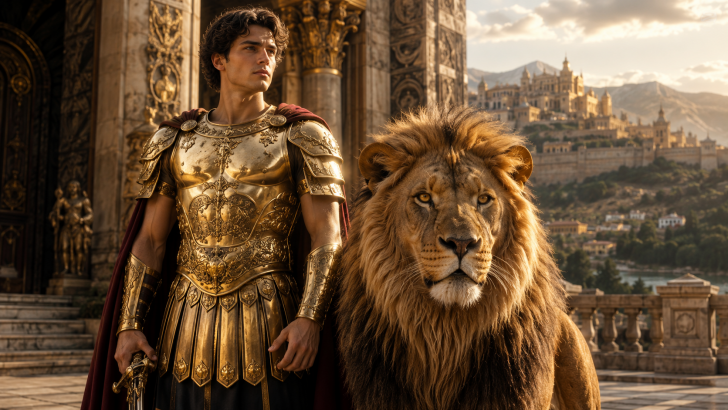
Few animals have inspired as much admiration throughout history as the lion.
Long before modern nations adopted lions for flags, coats of arms, and monuments, ancient civilizations viewed these powerful animals as symbols of royalty, divine authority, courage, and protection.
From the temples of Mesopotamia to the palaces of Egypt and the myths of Greece, lions appeared beside kings and gods across the ancient world.
For people living thousands of years ago, the lion represented qualities that rulers wanted to possess, and societies wanted to celebrate.
Its strength, confidence, and commanding presence made it seem like the perfect animal to stand beside rulers and divine beings.
Even cultures that never encountered lions directly often adopted the creature as a symbol of power and leadership.
Here are ten reasons lions became symbols of kings and gods throughout history.
1. Lions Were Seen as the Strongest Predators
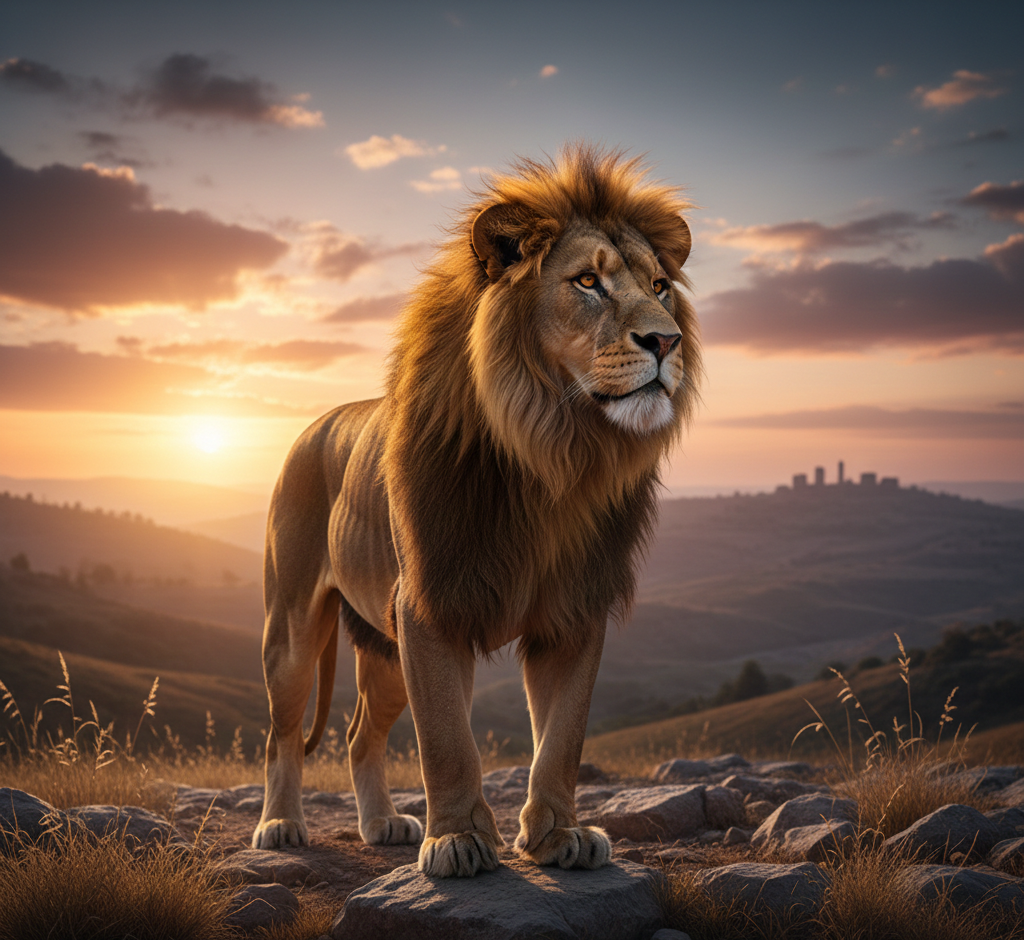
One of the main reasons lions became symbols of royalty was their reputation for strength.
In many parts of the ancient world, lions were among the largest and most powerful predators people could encounter.
Their ability to hunt large animals and dominate their environment made them natural symbols of authority.
Ancient rulers wanted to be viewed in much the same way. Kings hoped their enemies would see them as powerful and impossible to challenge.
Many royal inscriptions compared rulers to lions during battle or described kings as possessing the courage and strength of the great cats.
The comparison helped reinforce the image of rulers as protectors capable of defending their people and territories.
2. Their Appearance Inspired Respect and Awe
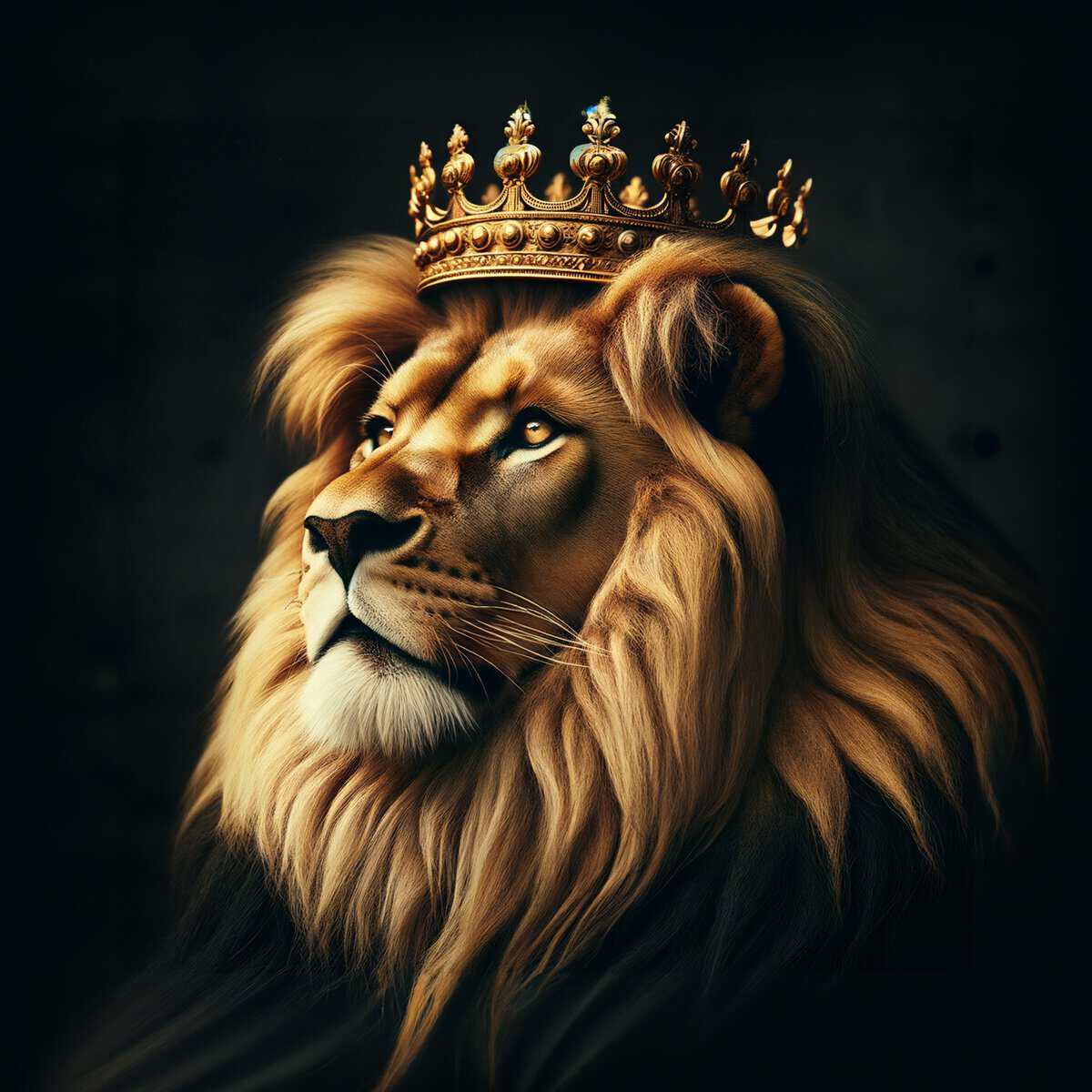
The lion’s appearance contributed greatly to its symbolic power. Its muscular body, intense gaze, and confident posture created an impression of authority.
Male lions possess another feature that made them especially impressive. Their manes gave them an appearance that almost resembled a natural crown.
Ancient observers often connected this majestic appearance with royalty. The mane created an image of dignity and distinction unlike any other animal.
This reputation has survived for thousands of years because the animal naturally inspires admiration.
Ancient artists emphasized these features in statues, carvings, and paintings designed to glorify rulers and gods.
3. Lions Represented Courage in Battle
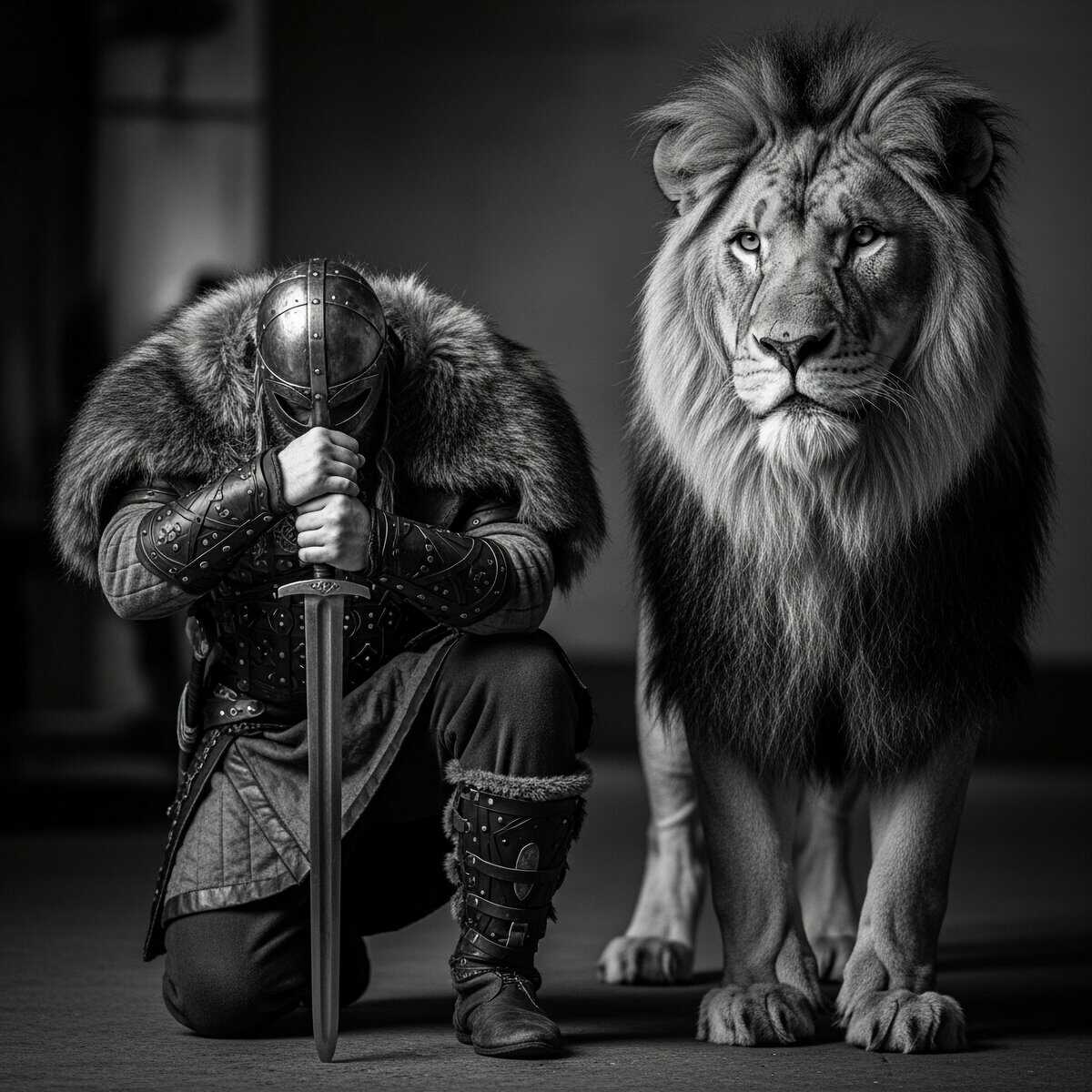
War played a major role in many ancient societies, and courage was one of the qualities most admired in rulers.
Lions became symbols of bravery because of their willingness to confront dangerous prey and defend their territory.
Kings often wanted to be associated with this fearlessness. Ancient warriors carried lion symbols on shields, armor, and banners.
Some rulers even participated in ceremonial lion hunts to demonstrate their courage and physical strength.
The lion became a symbol not only of physical ability but also of the willingness to face danger without hesitation.
This connection with courage helped make the animal a favorite symbol among kings and military leaders.
4. Many Gods Were Associated With Lions
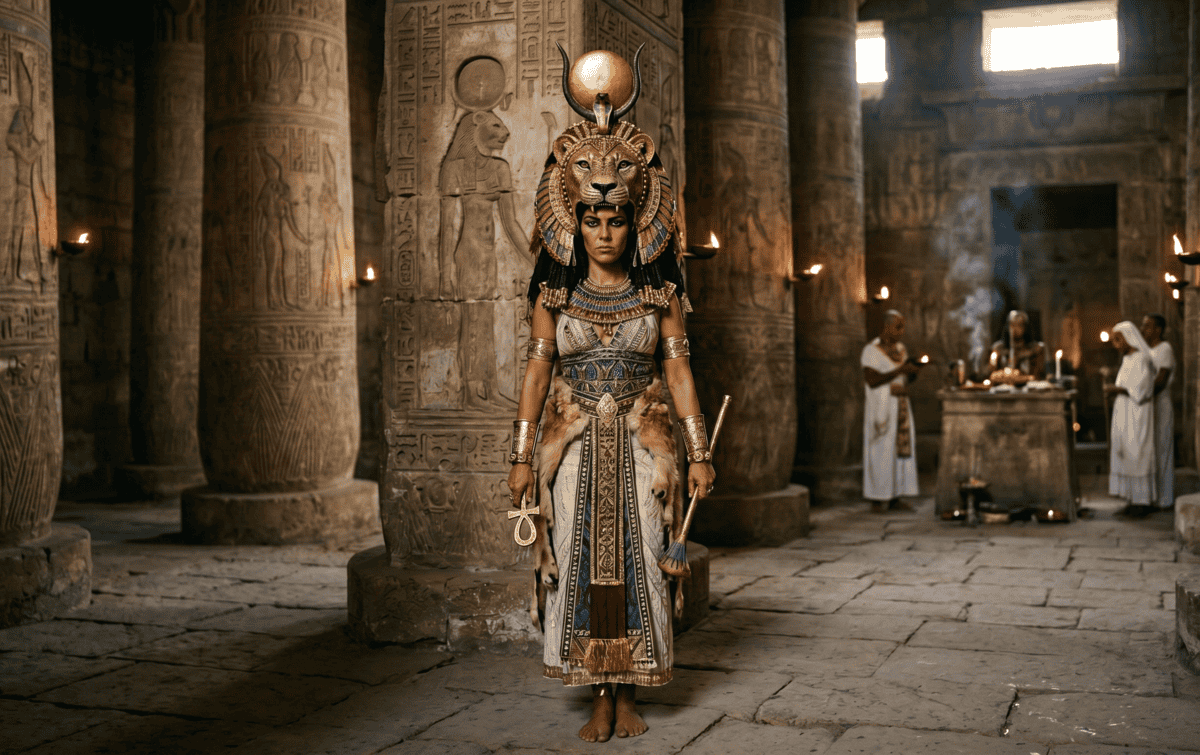
Numerous ancient deities shared connections with lions. The Egyptian goddess Sekhmet was portrayed with the head of a lioness and represented protection, war, and healing.
The Mesopotamian goddess Ishtar was closely linked with lions and often appeared standing upon them.
In Greek mythology, lions were associated with powerful figures such as Cybele and Heracles.
These connections strengthened the lion’s sacred reputation. If gods were associated with lions, kings could use the same symbolism to suggest divine support or authority.
The animal became a bridge between earthly rulers and heavenly powers.
Religious and political symbolism often worked together in ancient societies, making the lion one of the most effective symbols available.
5. Lions Protected Sacred Spaces
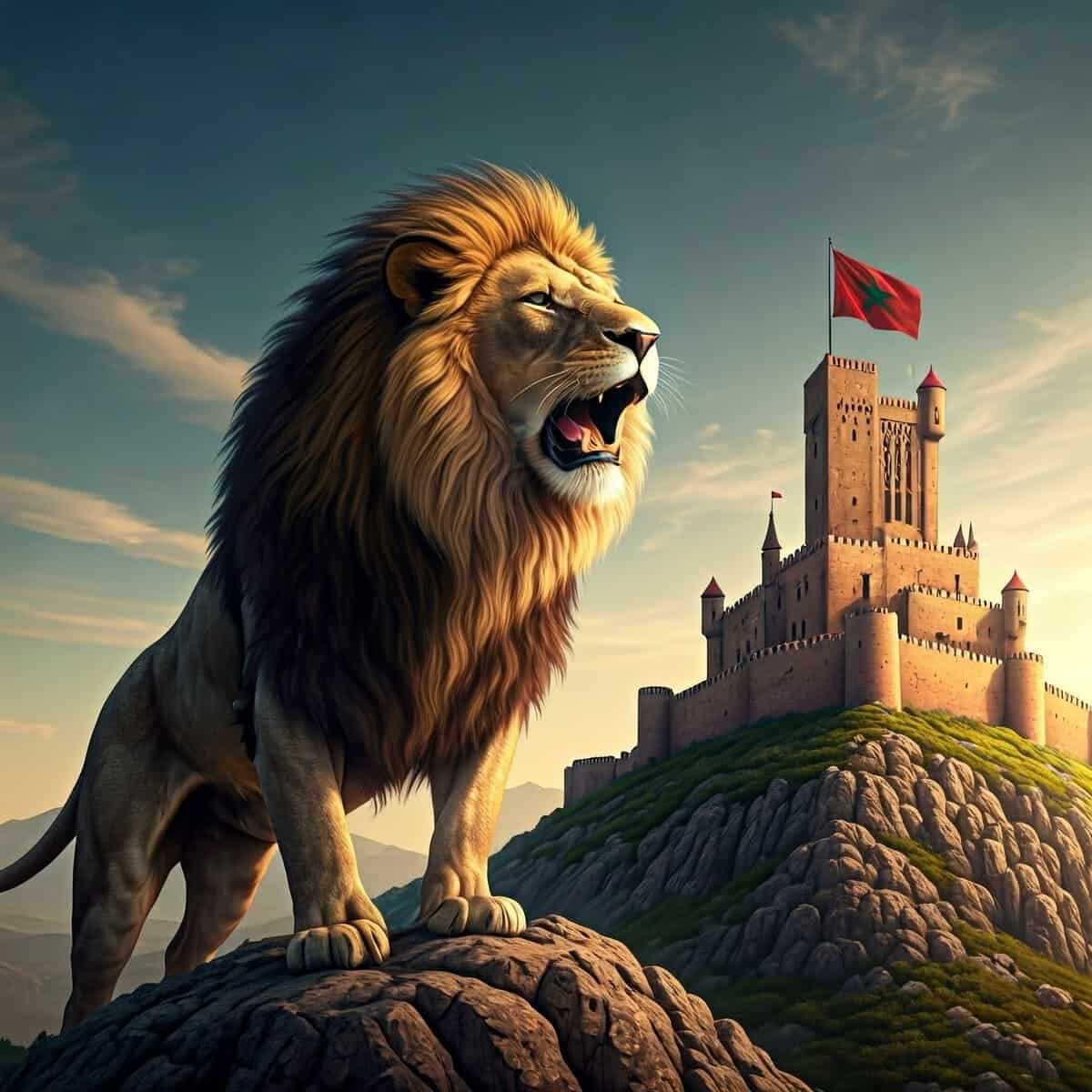
Ancient civilizations frequently placed lion statues at the entrances of palaces, temples, and cities.
These sculptures served both practical and symbolic purposes. The lion acted as a guardian protecting important places from danger and evil influences.
Visitors approaching these locations would immediately see symbols of strength and authority.
This tradition appeared across many cultures. Massive stone lions guarded temples in Mesopotamia.
Lion statues stood outside Egyptian sanctuaries. Similar traditions appeared in Asia and later spread into Europe.
The idea of the lion as protector became deeply rooted in architecture and religious symbolism.
6. Their Dominance Reflected Royal Authority
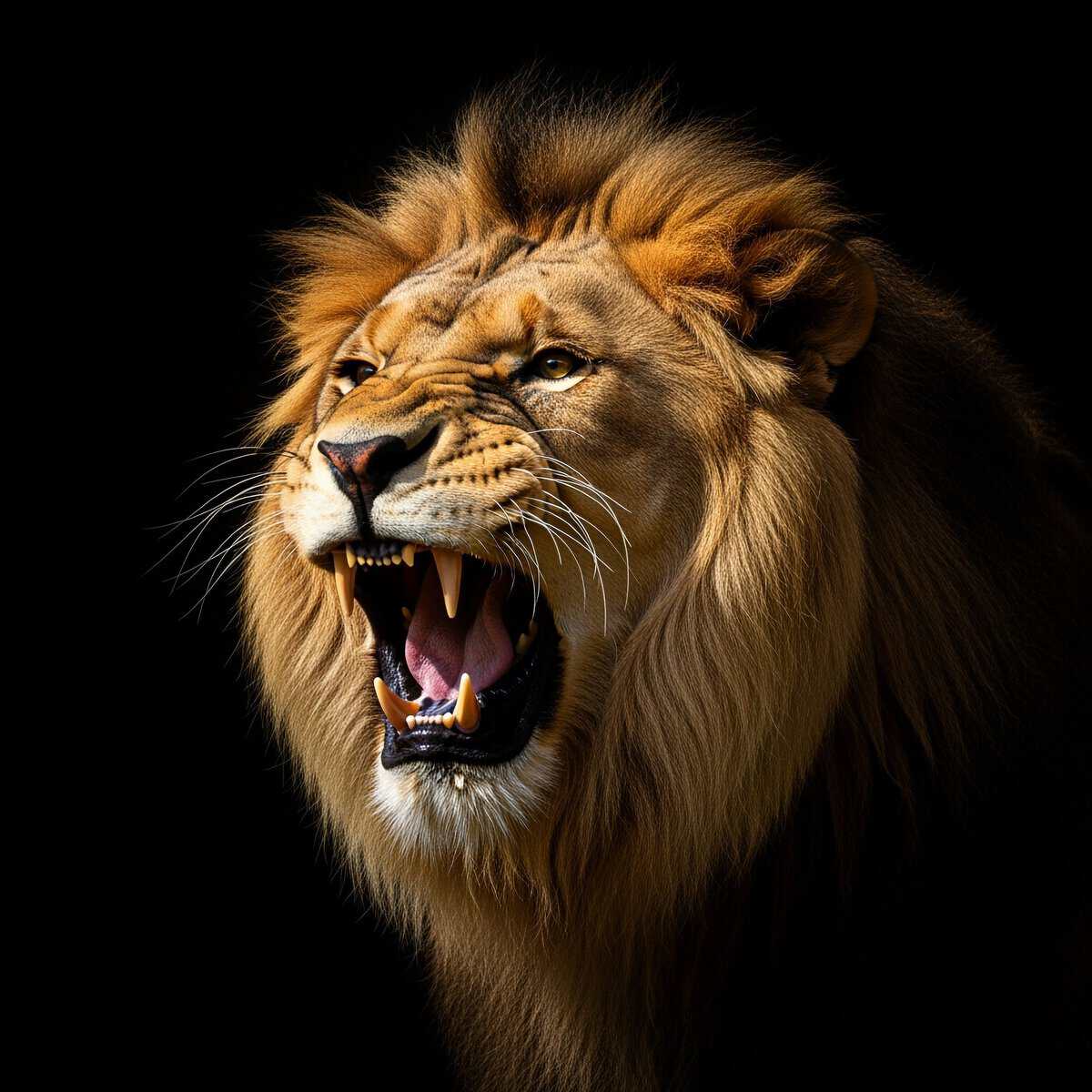
Lions naturally occupy positions near the top of the food chain. Ancient people saw this dominance as similar to the role of kings within society.
Just as lions ruled over other animals, kings ruled over nations and people. This comparison became especially popular in royal propaganda.
Rulers wanted subjects to view their authority as natural and unquestionable. The lion provided an image that communicated this idea instantly.
Its position in nature mirrored the social hierarchy many civilizations believed was necessary for stability and order.
Because of this, the lion became one of the strongest visual symbols of leadership ever created.
7. Lions Were Associated With the Sun
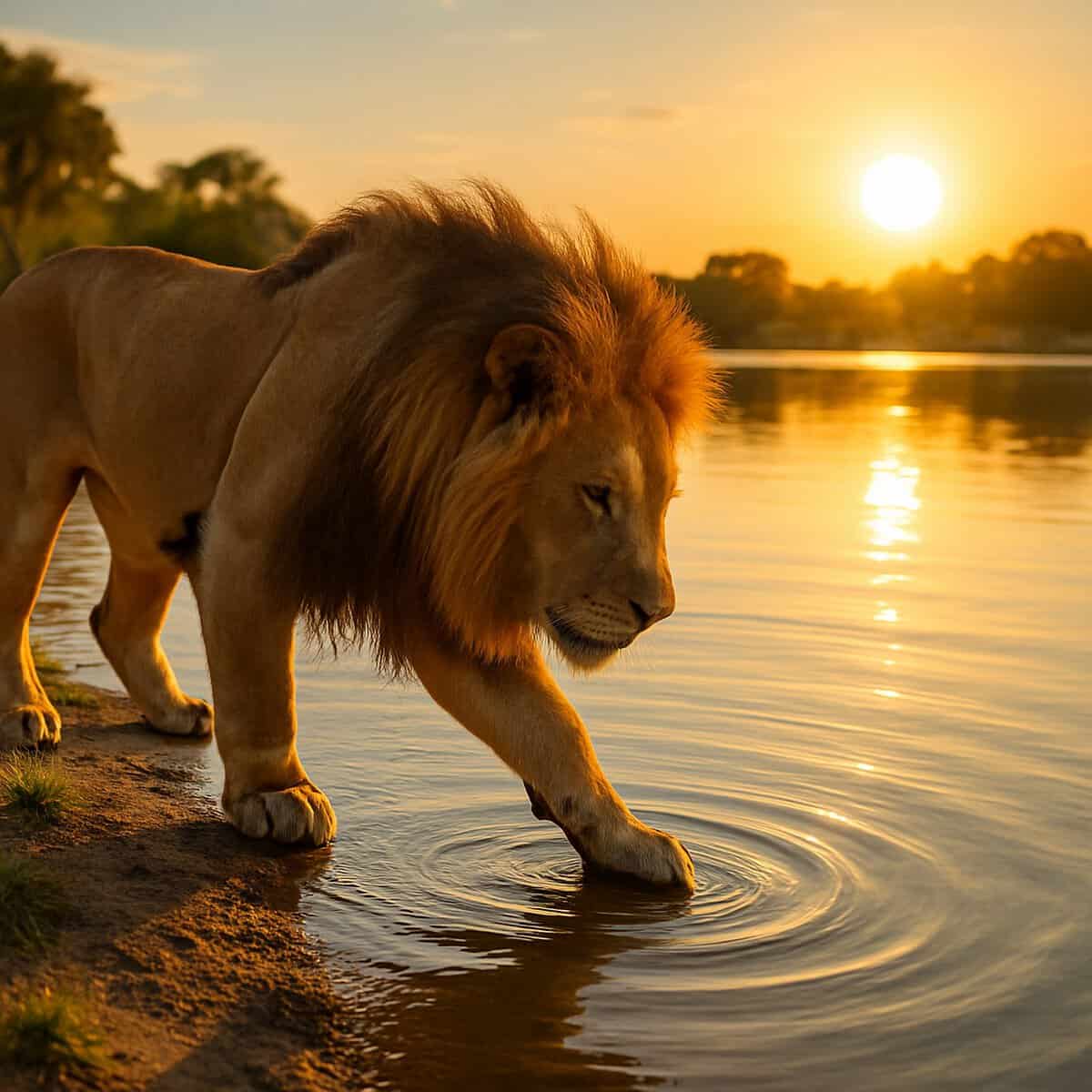
Several ancient cultures connected lions with the sun. Their golden fur reminded people of sunlight, while their strength and energy reflected qualities associated with solar deities.
In Egypt, lion gods and goddesses often had connections with the power of the sun. Other civilizations made similar associations.
Because the sun represented life, authority, and divine order, the lion inherited some of these meanings.
Kings frequently claimed connections with solar gods to strengthen their legitimacy.
The lion became not only a symbol of earthly power but also of cosmic order and divine protection.
8. Lion Hunts Became Symbols of Royal Power
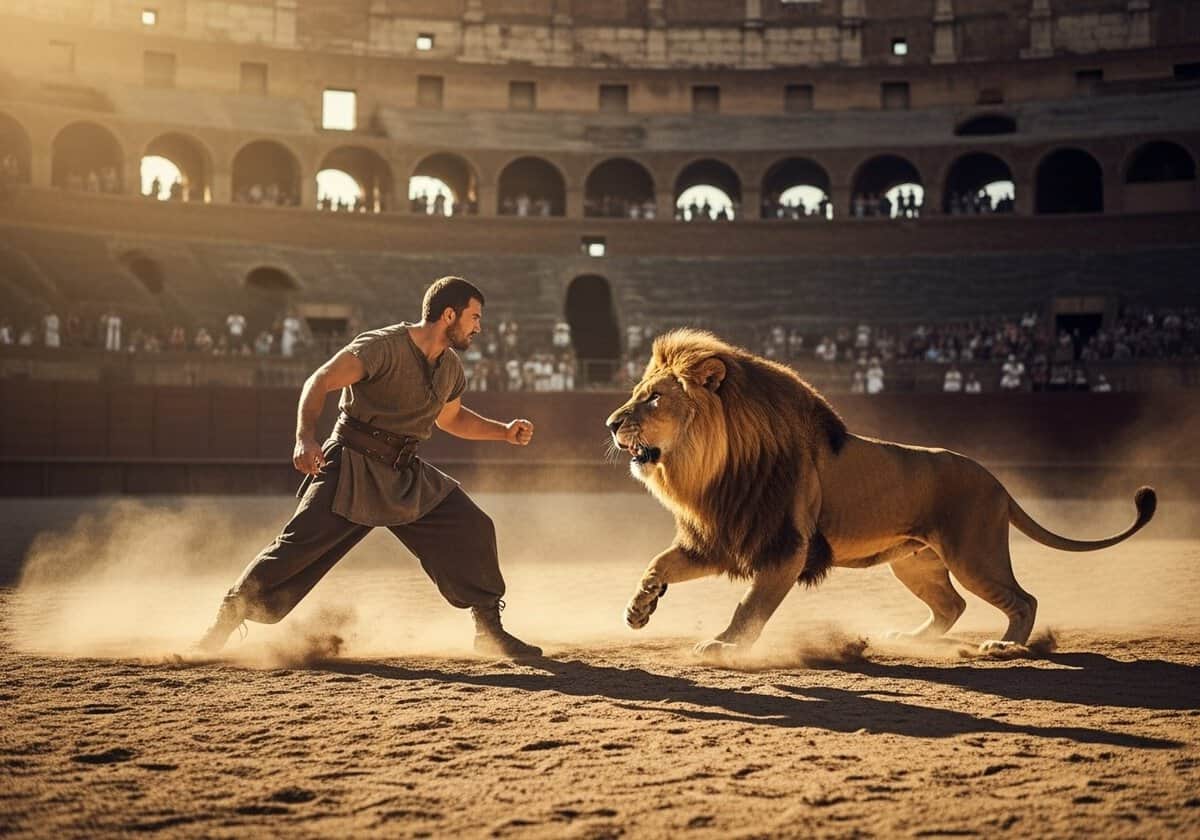
In many ancient societies, kings demonstrated their authority through lion hunting.
The practice became especially famous in Mesopotamia and Persia. Royal artwork often showed rulers confronting lions in dramatic scenes.
These images carried important political messages. Defeating a lion symbolized the king’s ability to overcome chaos and protect civilization.
The hunt became a public display of courage and leadership. The lion represented the greatest challenge available.
Whether these events were entirely realistic or partly ceremonial, they helped strengthen the ruler’s image.
9. Lions Represented Justice and Protection
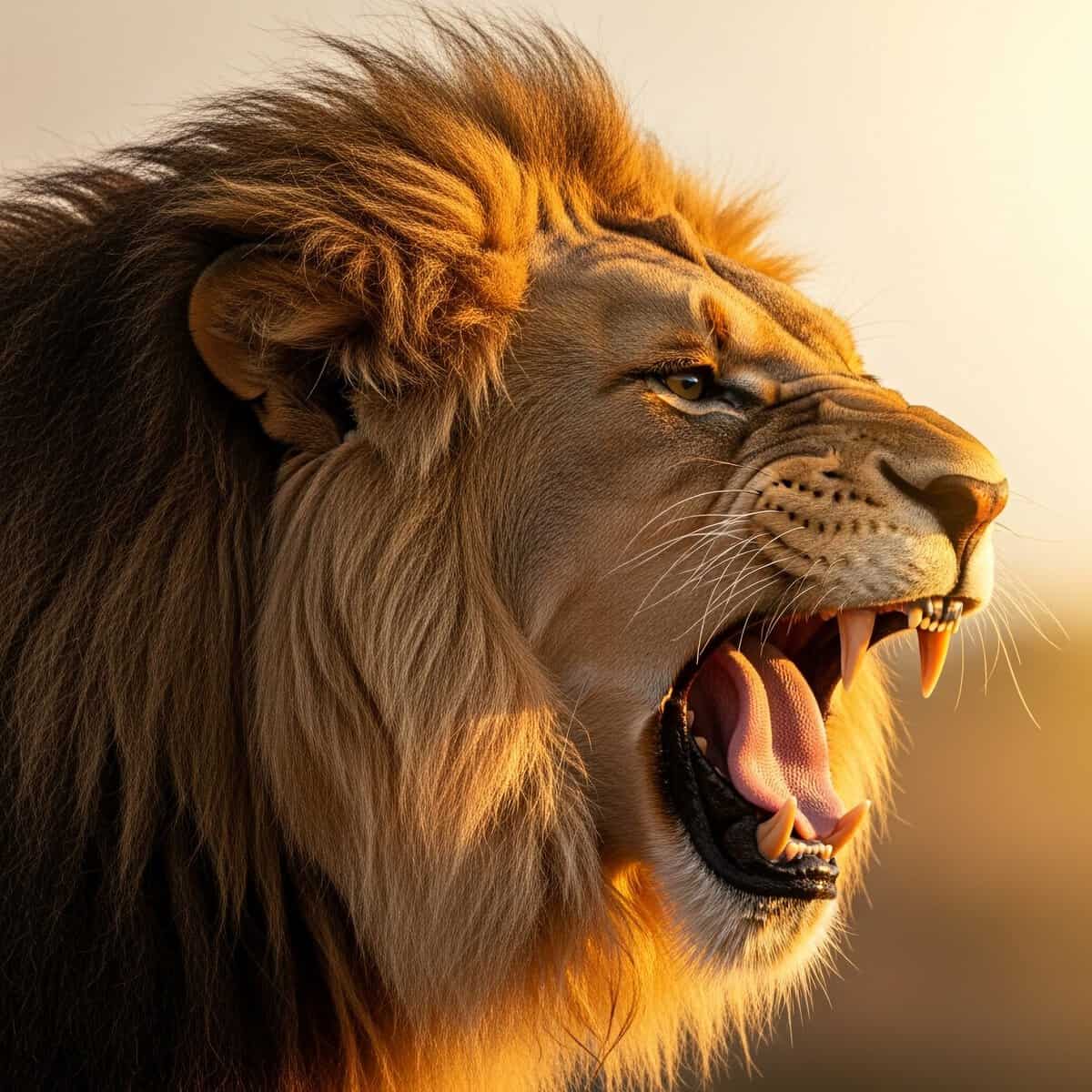
Power alone was not enough to make a successful ruler. Kings were also expected to protect their people and maintain order.
The lion’s role as defender of its pride made it a useful symbol for this responsibility.
Ancient rulers wanted to be seen as guardians rather than simply conquerors.
The lion represented both strength and protection. This balance made it especially attractive as a royal symbol.
Many myths portray lions defending sacred places, divine figures, or innocent people.
These stories reinforced the idea that true authority involves responsibility as well as power.
10. Their Symbolism Endured Across Civilizations
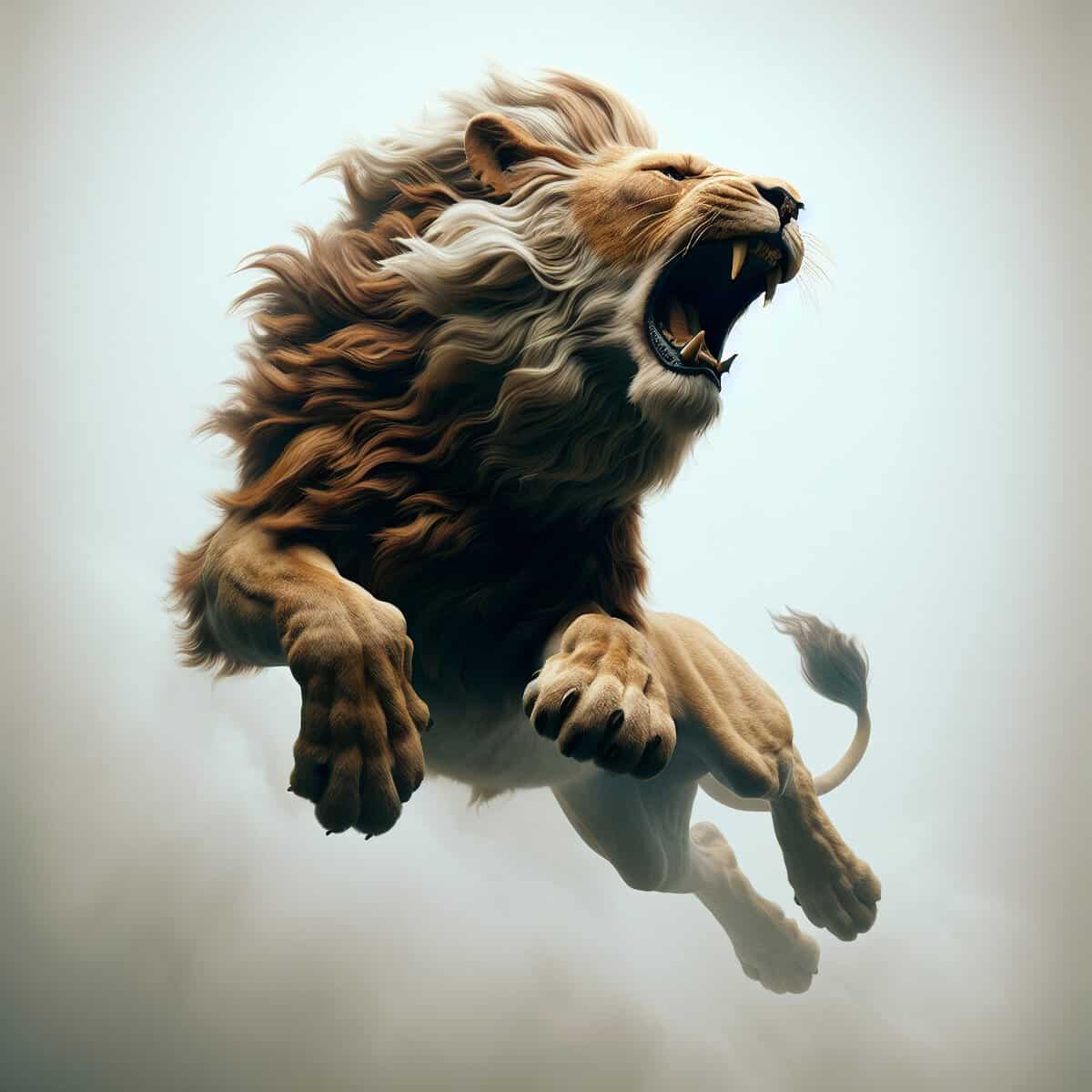
Perhaps the most remarkable thing about lion symbolism is how widespread it became.
Civilizations separated by geography, language, and culture all reached similar conclusions about the animal’s meaning.
Egyptians, Greeks, Persians, Indians, Mesopotamians, and countless others connected lions with kingship and divinity.
This consistency helped preserve the lion’s reputation across thousands of years. Even today, lions remain symbols of leadership, courage, and prestige.
They appear on flags, official emblems, sports teams, and national monuments around the world.
Few animals have maintained such powerful symbolism for so long.
The lion’s legacy shows how deeply human beings respond to images of strength, protection, and authority.
For ancient kings and gods, no creature captured those qualities more perfectly than the lion.

I always felt a strong connection to the Divine since my birth. As an author and mentor, my mission is to help others find love, happiness, and inner strength in the darkest of times.