
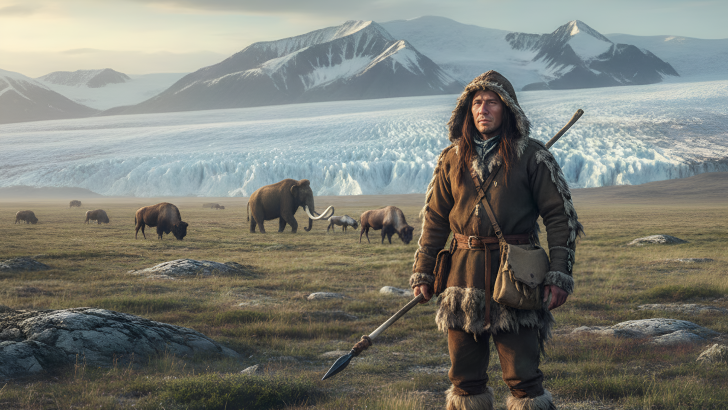
The story of how the first people arrived in the Americas has long fascinated scientists and historians.
For many years, experts believed that early Native Americans came from Siberia across a land bridge known as Beringia during the last Ice Age.
A distinct ancient population, now called the Beringians, lived in this region for thousands of years before spreading into North and South America.
These people were not simply travelers passing through. They formed their own group, adapted to a harsh environment, and played a key role in the ancestry of Indigenous peoples today.
The discovery of the Beringians has changed how researchers understand migration, survival, and human adaptation during one of the most challenging periods in Earth’s history.
1. The Beringians Were a Separate Ancient Population
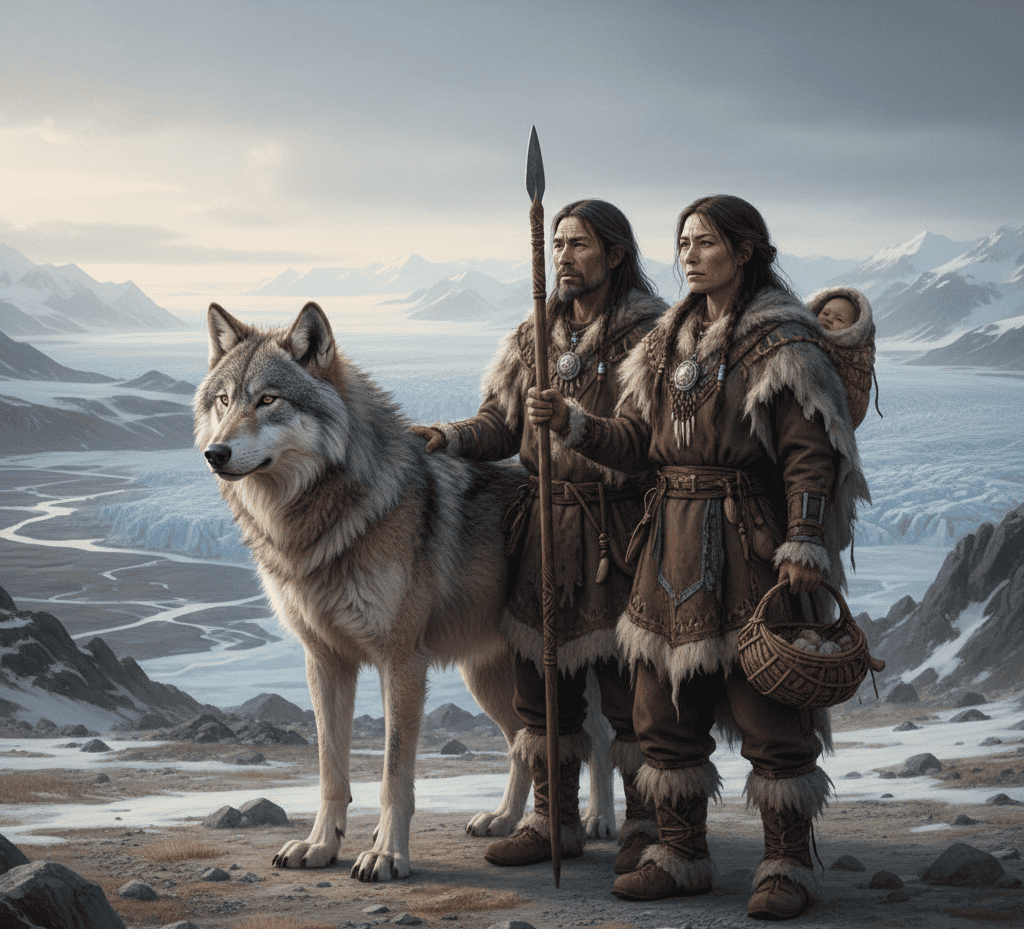
One of the most important discoveries about the Beringians is that they were not just part of a migration route but a separate and distinct population.
Genetic studies of ancient remains, including the famous Upward Sun River child found in Alaska, revealed DNA that did not match any previously known Native American group.
This showed that the Beringians split from other Asian populations thousands of years before people moved deeper into the Americas.
For a long time, scientists believed early migrants traveled quickly across the land bridge.
Instead, the evidence suggests that the Beringians remained isolated for several thousand years, developing unique genetic traits.
This period of separation allowed them to adapt to their environment and form a stable community.
Their existence helps explain the genetic diversity seen among Indigenous peoples today and shows that early human migration was slower and more complex than once believed.
2. They Lived in Beringia During the Ice Age Standstill
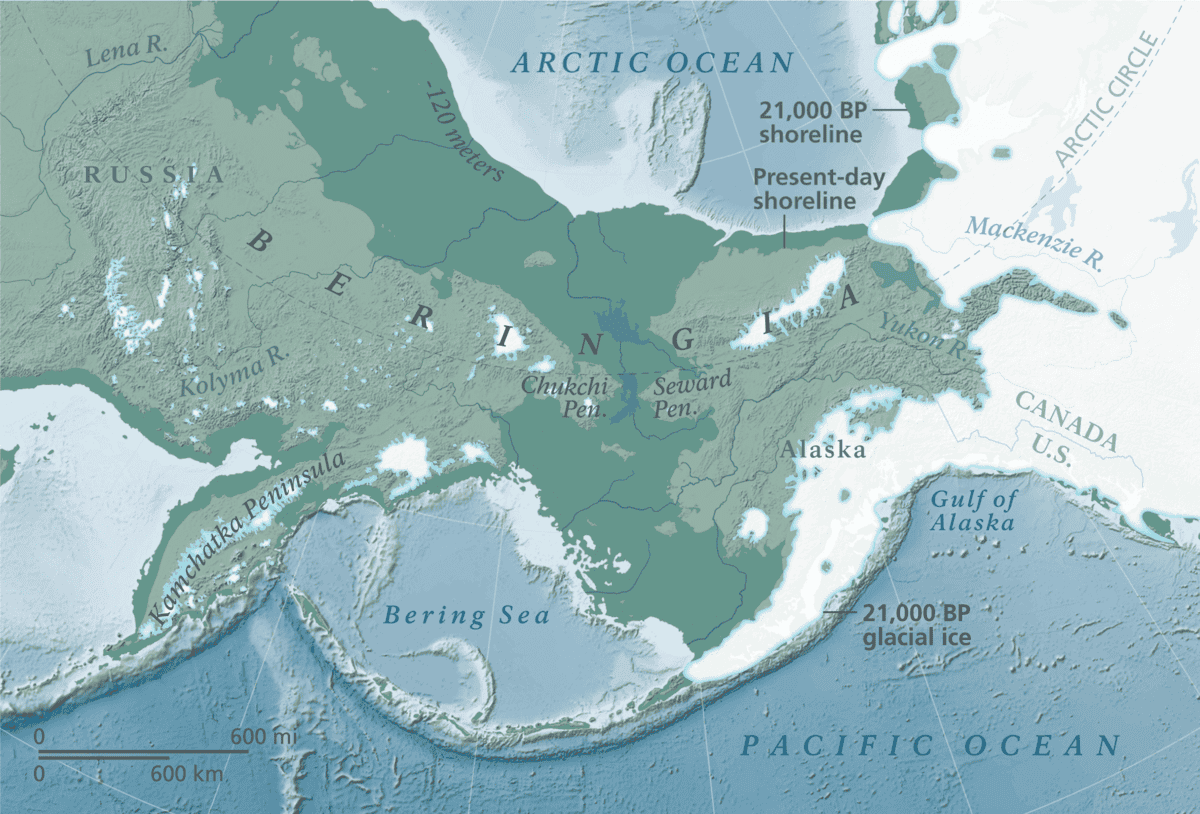
Scientists now believe the Beringians were part of what is called the Beringian Standstill.
During the height of the last Ice Age, massive glaciers blocked movement into the rest of North America.
As a result, people who had crossed from Siberia became trapped in the Beringia region for thousands of years.
This area, which connected Asia and North America, was not covered in ice and supported grasslands, animals, and other resources.
The Beringians survived by hunting large animals, gathering plants, and adapting to extreme cold and long winters.
Living in isolation for such a long period shaped both their culture and their genetics.
When the ice sheets finally began to melt, their descendants were able to move south and spread throughout the continents.
This long pause in migration helps explain how early populations became established before the major expansion into the Americas.
3. Their Discovery Came from Ancient DNA Technology
The identification of the Beringians became possible only because of advances in ancient DNA analysis.
Researchers were able to extract and study genetic material from human remains that were thousands of years old.
One of the most important findings came from the remains of an infant girl who lived about 11,500 years ago in Alaska.
Her DNA showed that she belonged to a population that was closely related to Native Americans but genetically distinct from all known groups.
This discovery confirmed the existence of an early branch that had not been recognized before. Without modern genetic tools, this population might have remained unknown.
The use of ancient DNA is helping scientists rewrite human history, revealing hidden migrations and lost populations.
It also allows researchers to trace connections between ancient peoples and modern Indigenous communities with greater accuracy and respect.
4. The Beringians Help Explain the Origins of Native Americans
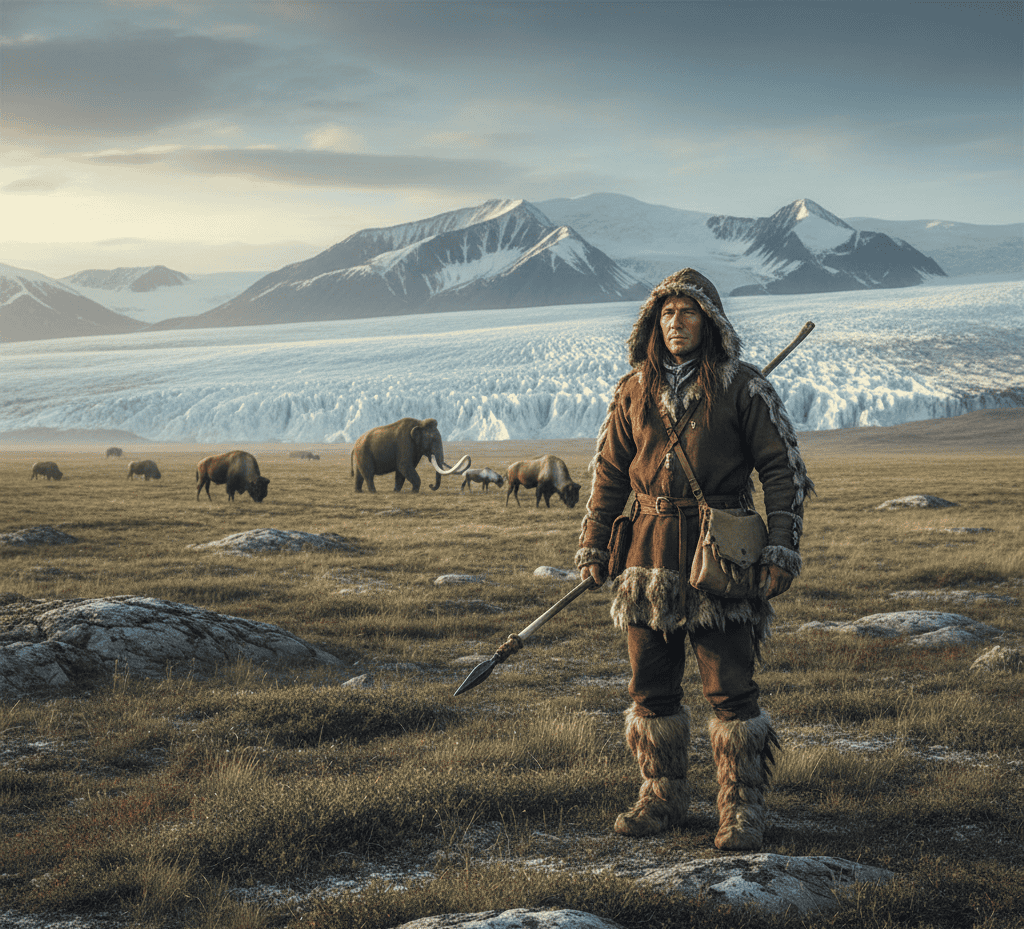
The discovery of the Beringians has provided important clues about how and when Native American populations formed.
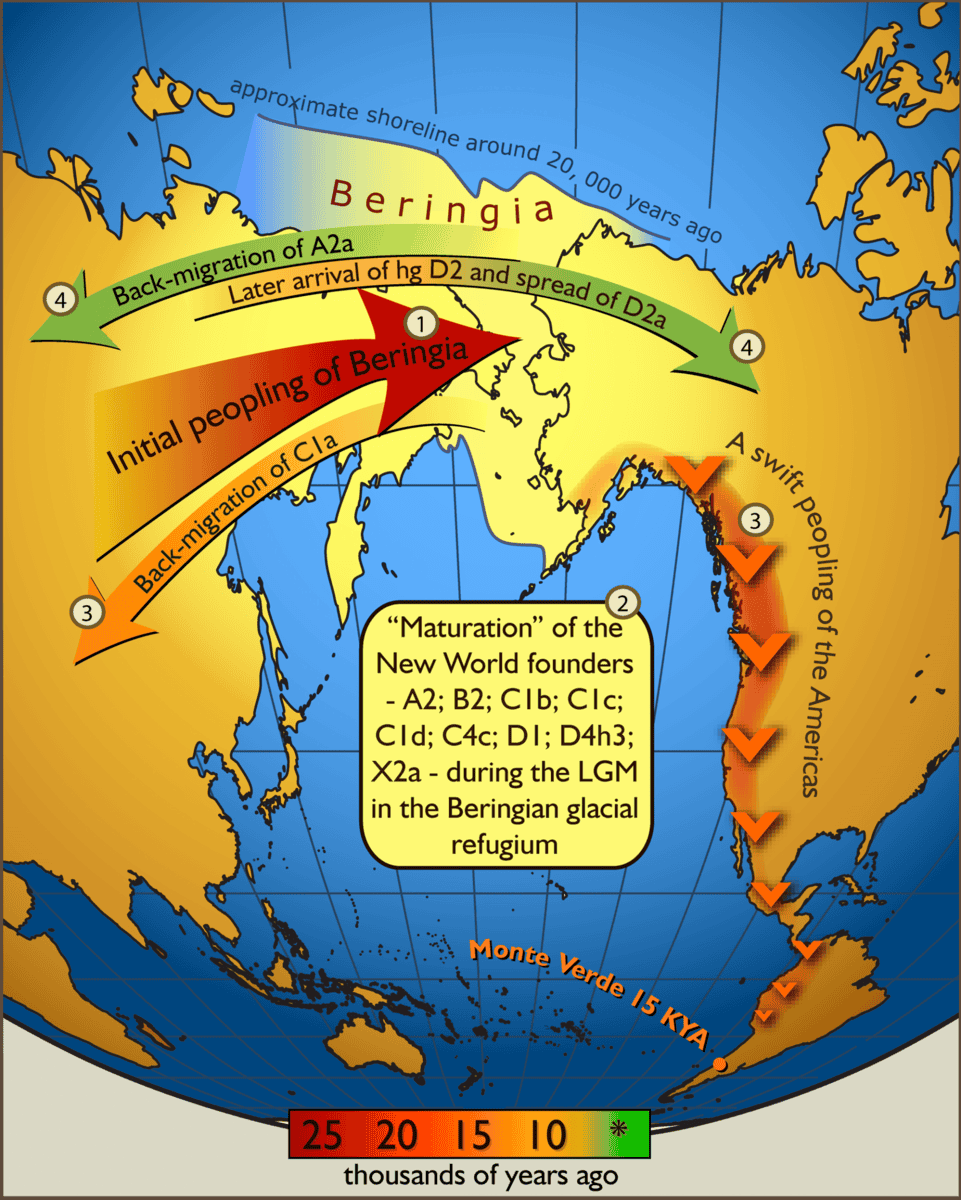
Scientists now believe that after thousands of years in Beringia, the ancestors of modern Indigenous peoples split into different groups as they moved south into North and South America.
Some groups traveled along the Pacific coast, while others moved through inland corridors as the ice retreated.
The Beringians represent an early branch that remained in Alaska while related populations continued migrating.
Although this specific group eventually disappeared as a separate population, their genetic legacy lives on in Native American ancestry.
Understanding the Beringians helps researchers build a clearer timeline of migration and adaptation.
It also highlights the resilience and resourcefulness of early peoples who survived extreme conditions and laid the foundations for diverse cultures across the Americas.

I always felt a strong connection to the Divine since my birth. As an author and mentor, my mission is to help others find love, happiness, and inner strength in the darkest of times.