
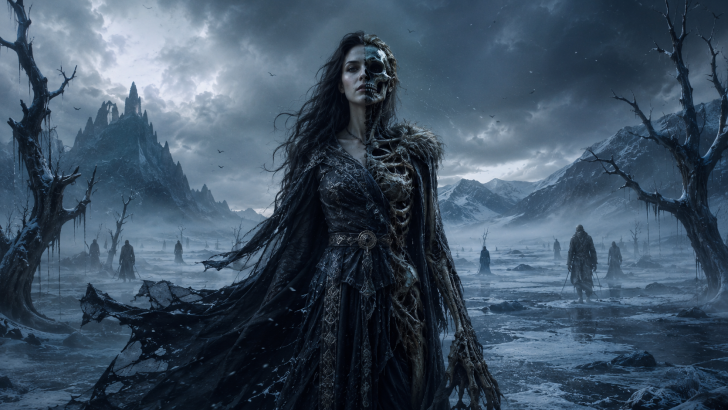
In Norse mythology, not every soul went to a shining hall filled with feasting warriors. Many were believed to travel somewhere colder, quieter, and far more mysterious.
That place was called Helheim, a shadowy realm connected to death, silence, and the slow fading of earthly life.
Unlike fiery versions of the underworld found in some traditions, Helheim was not mainly a place of torture. Instead, it felt empty, frozen, distant, and emotionally heavy.
The ancient Norse viewed death as something serious and unavoidable, and Helheim reflected that harsh reality with chilling honesty.
Here are eight important things to understand about Helheim and the cold world waiting beyond life in Norse mythology.
1. Helheim Was Ruled by the Goddess Hel

Hel ruled over Helheim, the realm where many dead souls were believed to go after death.
She was described as a strange and unsettling figure, often portrayed as half alive and half dead in appearance.
This terrifying image symbolized the boundary between life and death itself. Hel was not always seen as evil, but she represented the cold inevitability of mortality.
Her kingdom reflected her nature. Quiet, dark, distant, and emotionally heavy compared to the glorious halls of heroic warriors.
Many stories describe Hel as calm and emotionless, almost like death itself taking human form and watching silently over forgotten souls.
Her presence made Helheim feel less like chaos and more like an unavoidable final silence waiting for every living person someday.
2. Not All Dead Warriors Went to Valhalla

Many people today think all Vikings believed they would go to Valhalla after death, but that is not completely true.
Valhalla was mainly reserved for warriors who died heroically in battle. Most ordinary people were believed to go elsewhere.
For many souls, Helheim became the final destination instead.
This created a very different view of the afterlife. Instead of endless glory and celebration, many expected death to lead into a colder and quieter existence.
This belief made heroic death seem especially important because it offered escape from the lonely stillness associated with Helheim and forgotten mortality.
It also reinforced how deeply Viking culture admired bravery, sacrifice, strength, and honor during life and especially during death.
3. Helheim Was Described as Cold and Shadowy
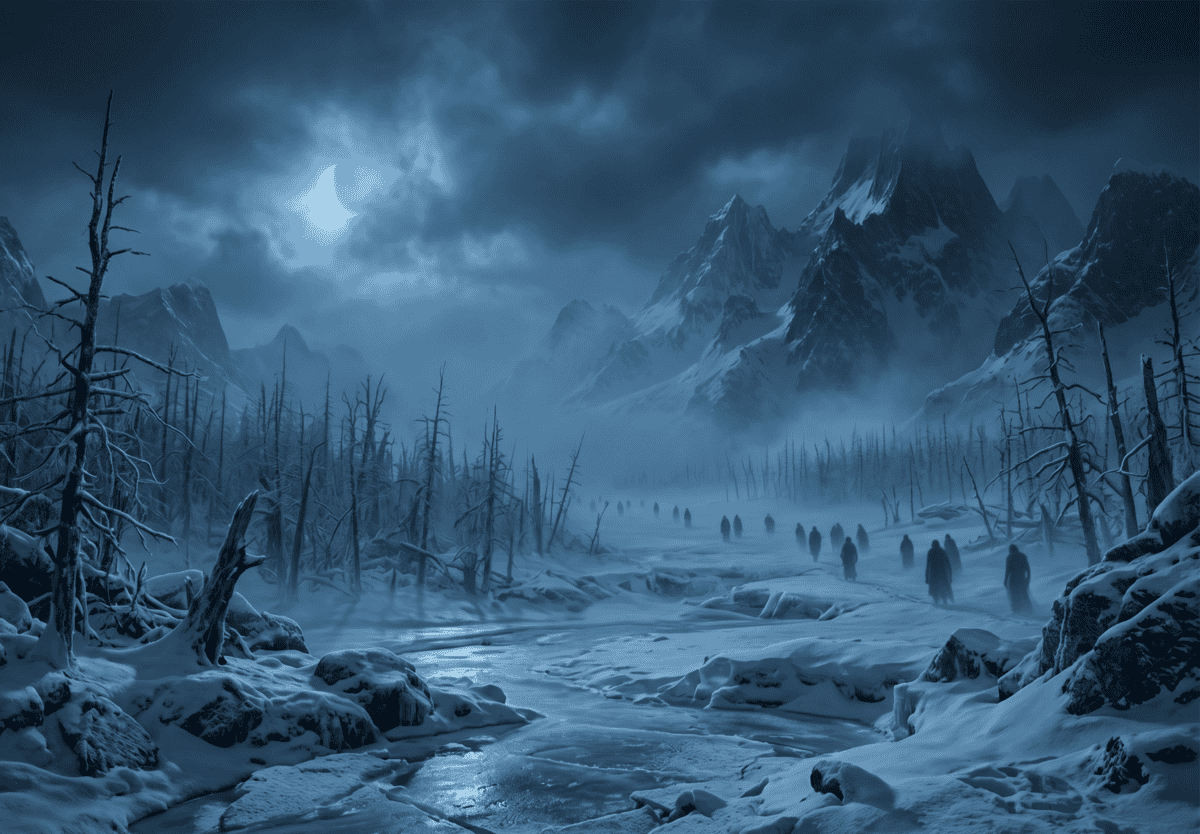
Helheim was often imagined as a frozen and dim world far away from warmth, sunlight, and human joy.
The Norse people lived in harsh northern climates, so coldness already carried emotional and physical meaning in everyday life.
Because of this, a cold underworld felt deeply unsettling and realistic to them.
Helheim was not always described as a place of screaming punishment. Instead, it felt emotionally empty, silent, and separated from the living world.
The darkness and icy atmosphere symbolized distance from life, warmth, family, and the energy of the human world left behind after death.
Many stories describe mist, endless frost, and silent landscapes that made Helheim feel abandoned and emotionally cut off from human warmth.
4. The Realm Was Surrounded by Rivers and Barriers
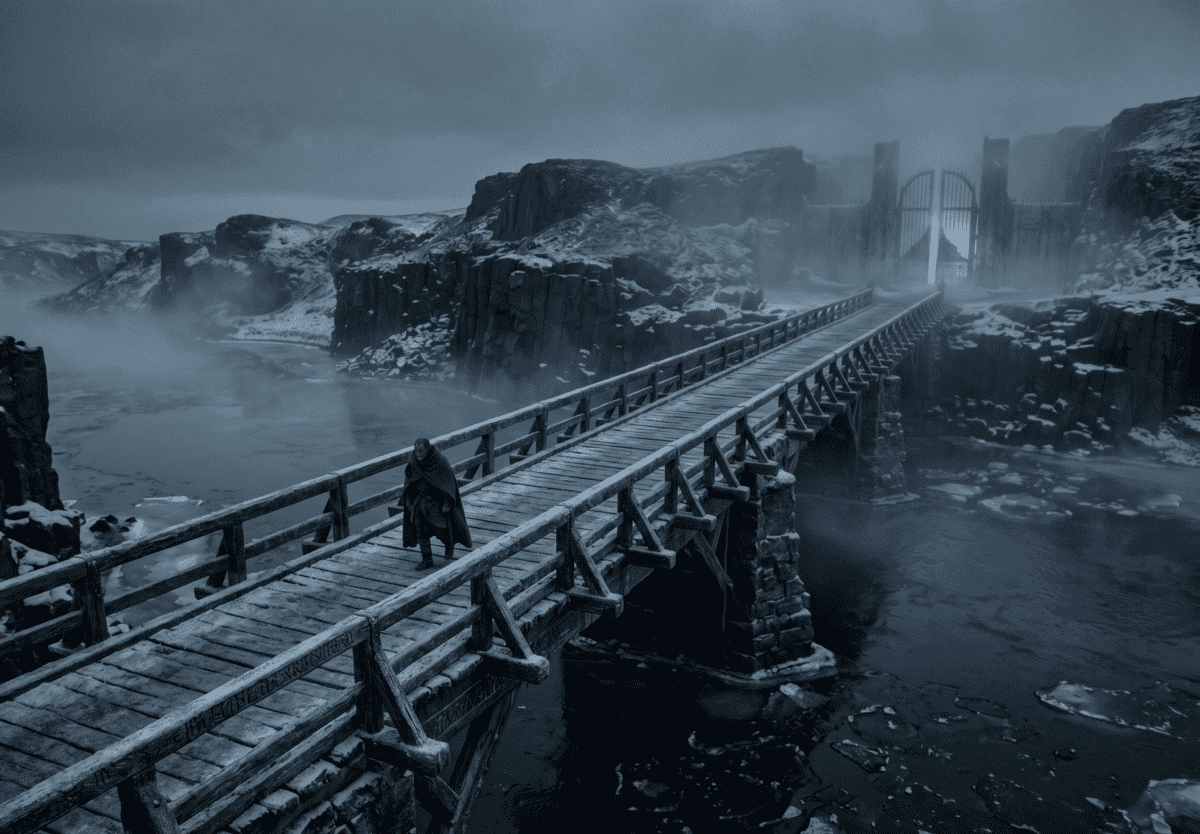
In Norse mythology, reaching Helheim was not simple. The dead often had to cross dangerous rivers or pass supernatural barriers.
One of the most famous was the river Gjöll, which separated the world of the living from the land of the dead.
Crossing into Helheim symbolized leaving ordinary existence behind forever.
These barriers created a feeling that death was not only physical, but also spiritual and irreversible.
Many myths describe bridges, gates, and boundaries that reinforced the terrifying idea that once someone entered Helheim, returning was almost impossible for ordinary souls.
These supernatural borders made death feel like a one-way journey beyond human reach, memory, and ordinary earthly connection forever.
5. Helheim Was Connected to Those Who Died of Sickness or Age
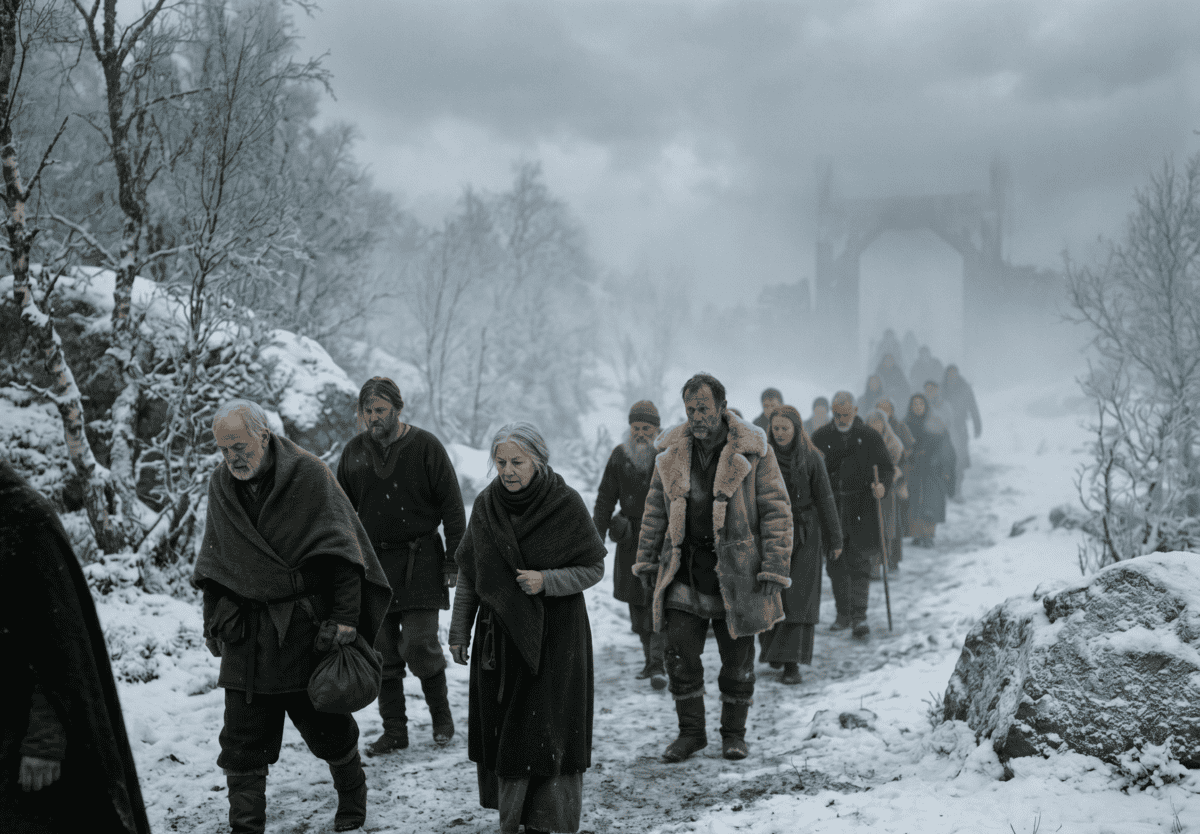
Unlike Valhalla, which celebrated battle and heroic sacrifice, Helheim was associated with more ordinary forms of death.
People who died from illness, old age, accidents, or natural causes were often believed to travel there.
This reflects how strongly Viking culture admired courage, strength, and warrior ideals.
At the same time, it also shows that Helheim was not necessarily viewed as punishment. It was simply the destination for many normal human lives.
Its cold reality reflected the belief that death eventually comes quietly for most people, no matter how strong or important they once seemed.
This gave Norse mythology a realistic and emotional understanding of mortality that still feels surprisingly human and relatable today.
6. Even the Gods Feared Certain Parts of the Underworld
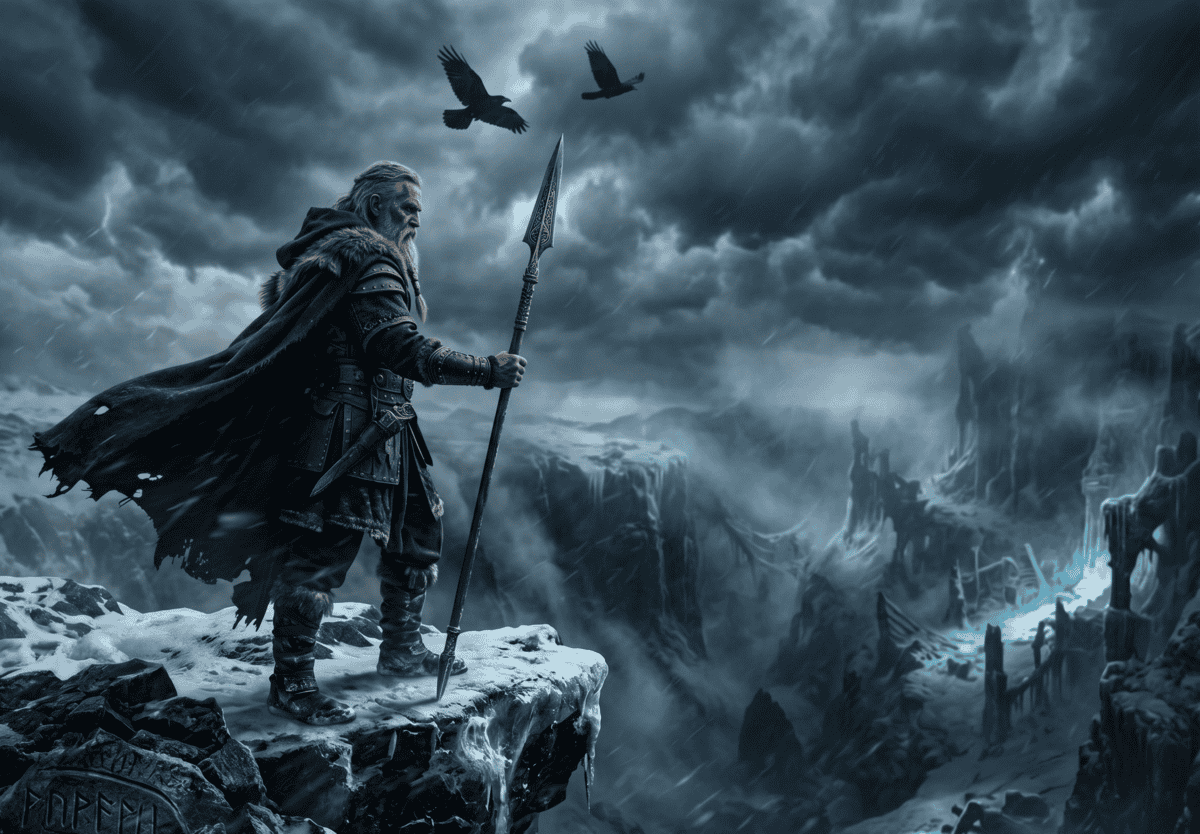
Some stories in Norse mythology suggest that even gods treated death and the underworld with caution and seriousness.
Odin himself sought hidden knowledge from realms connected to death and spirits. This shows how mysterious and powerful these places were believed to be.
The underworld was not simply ignored. It was respected as part of the cosmic balance that even divine beings could not fully escape.
This created a darker tone in Norse mythology, where death remained a permanent and unavoidable force for both humans and gods alike.
Even powerful gods understood there were ancient forces connected to death that could never be fully defeated or permanently escaped.
7. Helheim Reflected the Viking View of Reality

Norse mythology often feels emotionally harsher than many other mythological systems.
The gods themselves were not fully immortal, and even they were destined to face destruction during Ragnarök.
Helheim reflects this worldview perfectly. Life was beautiful, but temporary. Strength mattered, but death always remained near.
Instead of pretending mortality could be avoided, Norse myths faced it directly through places like Helheim.
This gave their stories a cold honesty that still feels powerful today, especially in legends focused on fate, loss, and survival against impossible odds.
The myths reminded people to value courage and loyalty because life itself could disappear suddenly and without warning at any moment.
8. Helheim Was More About Isolation Than Torture
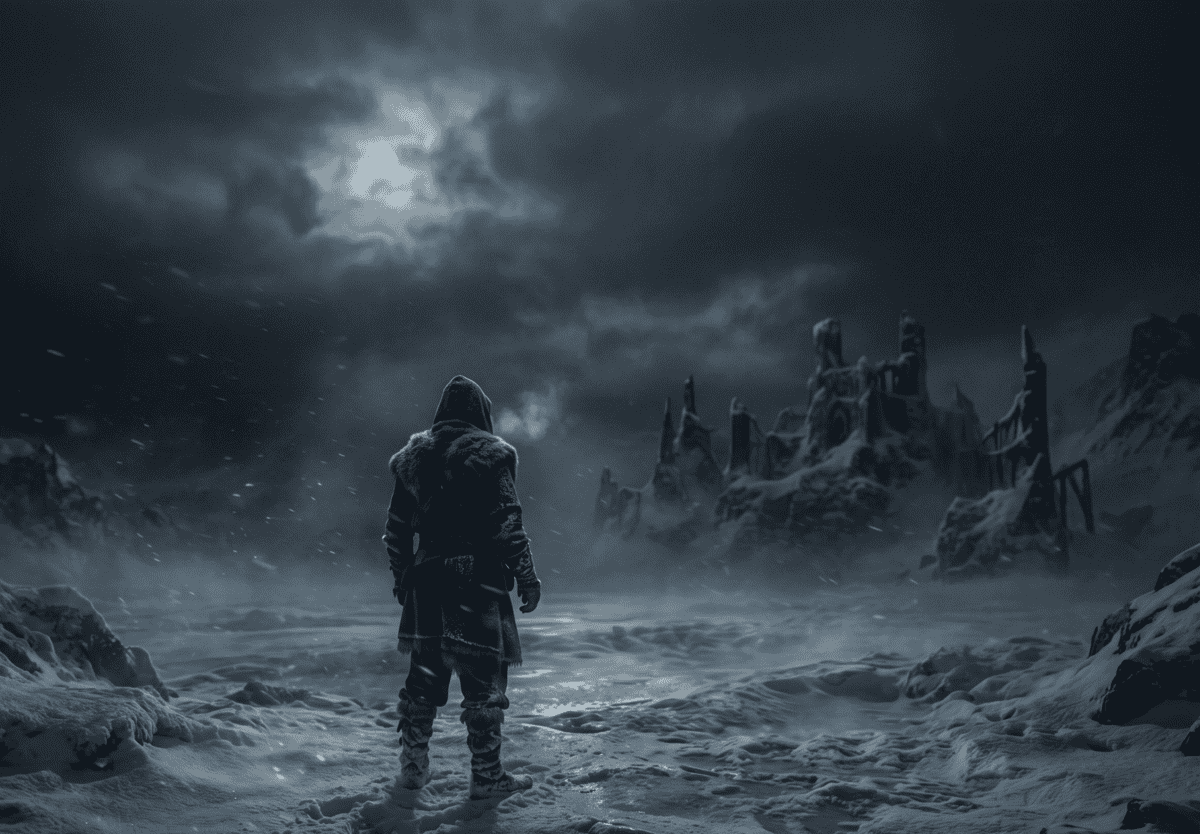
One of the most interesting things about Helheim is that it was not always described as a fiery place of punishment.
Its horror often came from isolation, coldness, silence, and separation from the warmth of life.
For many people, this feels psychologically frightening in a very human way.
The idea of becoming forgotten, distant, and disconnected from joy can feel more haunting than physical pain itself.
Helheim became a symbol of death’s emotional reality, where souls slowly fade into shadow far from the living world they once knew.
This emotional loneliness made Helheim feel deeply tragic, reflecting fears of abandonment, fading memory, and separation from loved ones forever.

I always felt a strong connection to the Divine since my birth. As an author and mentor, my mission is to help others find love, happiness, and inner strength in the darkest of times.