

Long before people had science, technology, or modern forms of communication, they relied on stories and sayings to understand the world.
Many of these sayings were more than simple advice. They were believed to carry protective energy or hidden magical meaning.
Some were used to keep the danger away, some reminded people to behave wisely, and others were meant to invite good fortune.
Even today, many of these old phrases persist, quietly passed from one generation to the next.
When you look at them closely, you begin to see how people once trusted not only in logic but also in symbolism and the power of spoken words.
1. “Knock on wood.”

This common phrase began as a protective charm. Many old cultures believed spirits lived inside trees.
When someone said something hopeful, they knocked on wood so the spirits would protect their wish. People feared that speaking too positively might attract bad luck.
The simple tap on wood acted like a shield. It was a request for safety, a way to remind unseen forces to keep everything calm.
Over time, it became a habit that people barely think about, but its magical roots remain. It was a small ritual that helped people feel secure when hoping for something good.
2. “Find a penny, pick it up.”

In the past, metal was believed to hold energy from the earth. When someone found a coin, even a small one, it was considered a gift of good luck.
The saying encouraged people to pick up pennies because they symbolized positive energy coming their way.
Some thought angels or kind spirits placed the coin on their path. Others believed the shiny surface reflected negativity away.
People kept lucky coins in their pockets to protect themselves from misfortune. This simple rhyme offered hope during difficult days when even a small sign of fortune felt meaningful.
3. “Bless you” after a sneeze

Today, it feels polite, but long ago, this phrase carried a strong protective meaning. Many believed that a sneeze made someone briefly vulnerable.
Some feared that evil energy could enter the body during that moment. Saying “Bless you” acted as a shield.
It asked for protection for the person who sneezed. In some cultures, people believed the soul left the body for a split second during a sneeze.
The blessing invited the soul to stay safe and close. Over time, it became a friendly habit, but it began as a powerful charm against danger.
4. “The calm before the storm.”

This saying originally had a mystical tone. People noticed that nature became strangely still before big weather changes.
They believed this quiet moment was a sign that unseen forces were gathering energy. It was not just about predicting storms.
It was seen as a reminder that peace often comes before important events. The phrase encouraged people to stay alert and trust their instincts.
The calmness was viewed as a protective message, gently warning people to prepare. It symbolized the natural rhythm of life where stillness carried wisdom.
5. “A watched pot never boils.”
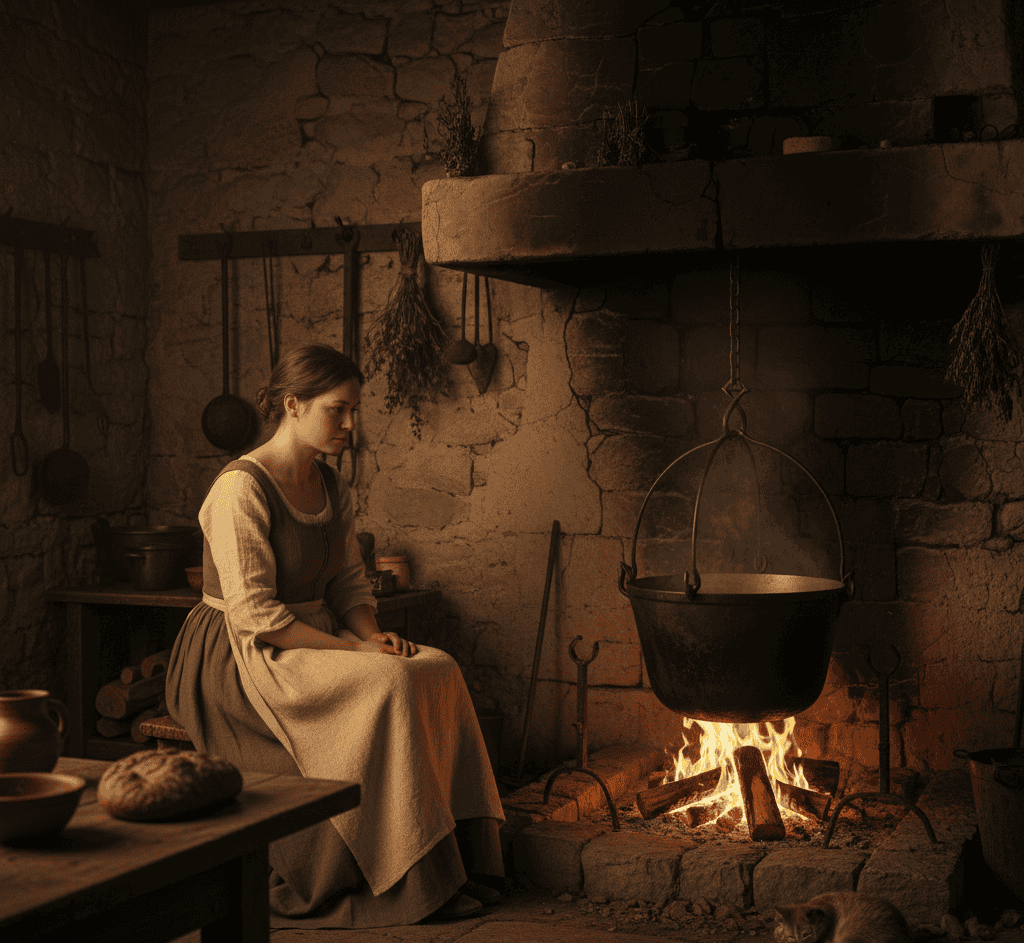
While this saying sounds like simple patience advice, it once carried magical meaning. People believed that staring too closely at something delayed its progress.
It came from the idea that human attention could influence natural energy.
Watching a pot was thought to hold the heat back, just as watching for good news could slow it.
The saying encouraged people to step back and trust the flow of time. It was a reminder that things happen when they are meant to, not when we try to force them. This old belief still feels true in a symbolic way.
6. “Every cloud has a silver lining.”

This phrase was rooted in the belief that light always hides behind darkness. People once believed that spirits or angels used clouds as a way to send messages.
When the sun glowed around the edge of a cloud, it was seen as a sign that hope was near. The idea was that something bright waited behind every difficult moment.
People used this saying to comfort themselves during hardships. It carried protective meaning because it reminded them not to give up.
The silver glow was seen as a promise that good things would eventually break through.
7. “Speak of the devil.”

Today, it is used lightly, but it once served as a warning. People believed that speaking the name of something negative might attract its energy.
When someone mentioned a person or a force that brought trouble, the saying interrupted the conversation like a protective barrier.
It was a way to keep harmful energy from entering the space. Over time, it turned into a joke used when someone appears after being mentioned.
Its original meaning was rooted in guarding the mind and home from unwanted influences.
8. “A stitch in time saves nine.”

This saying reminded people to fix small problems before they grew. But it also carried a deeper, symbolic meaning.
Old beliefs said that threads had protective energy. Sewing something early prevented not only physical damage but also spiritual imbalance.
People believed that clothing, blankets, and fabric carried personal energy. Caring for them properly protected the owner from harm.
The phrase encouraged responsible behavior while also whispering the old idea that attention and care kept misfortune away. It was a blend of practical wisdom and spiritual symbolism.
9. “Red sky at night, sailor’s delight.”

This old weather saying came from people who trusted nature’s colors as messages. A red sunset was seen as a calming sign.
It suggested stable weather and safe travel. A red sunrise, however, meant something different and often warned of storms.
The rhyme carried magical meaning because people believed the sky reflected moods from the spirit world. Bright evening colors were viewed as a blessing for the next day.
Travelers and sailors used this sign to stay safe. It was a way of respecting nature and trusting its quiet warnings.
10. “Luck comes in threes.”

Many cultures believed that three was a sacred number. It symbolized balance and protective energy.
When something good happened, people expected two more good events to follow. This belief helped people focus on positive patterns instead of fear.
It also created a sense of order in times of chaos. People used the idea of three to celebrate blessings and to ease their minds during uncertainty.
It was a comforting belief that reminded them that good fortune often arrived in gentle clusters, not alone.

I always felt a strong connection to the Divine since my birth. As an author and mentor, my mission is to help others find love, happiness, and inner strength in the darkest of times.