
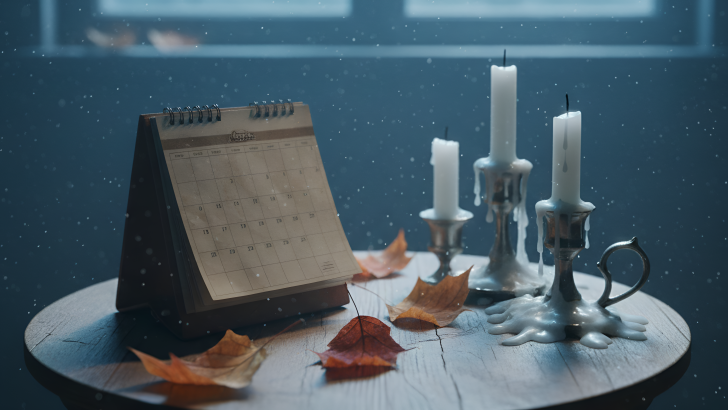
Most people today do not think twice before tossing an old calendar in the trash or letting it hang on the wall for a few extra days.
But in many cultures, this simple object once carried a quiet sense of power. An outdated calendar was not just a piece of paper.
It was a symbol that marked the flow of time. When the year ended, and a calendar was left unchanged, some families believed it disrupted the natural rhythm of life.
Others feared it invited misfortune or caused the new year to feel stuck before it even began.
Ancient Views of Time and Order

Early calendars were far more than decorative objects. Long ago, they were connected to the cycles of nature and the movements of the sun and moon.
Farmers used calendars to know when to plant and harvest. Families used them to mark holy days.
They were seen as tools that brought order into a world filled with uncertainty. As a result, people treated them with great care.
In many ancient cultures, the start of a new year represented a powerful transition. It was a moment of renewal that separated the old from the new.
People believed that anything tied to the old year needed to be changed or refreshed. This included calendars.
Keeping an outdated one in the home was thought to hold onto stagnant energy. It suggested that the household had not fully stepped into the new cycle.
Some regions believed that time carried its own spirit. A fresh calendar symbolized a fresh beginning. An outdated one was seen as an anchor to the past.
It blocked progress and made the family feel stuck. Even though these beliefs were symbolic, they shaped the way people behaved around the new year.
There were also practical reasons behind the tradition. Before printed calendars were widely available, families often created their own by hand.
These calendars were treasured objects. When the year ended, they needed to be replaced with care and intention.
If not, the family worried they might lose track of important days. Over time, this practical concern blended with spiritual meaning.
Even though the world has changed and calendars are now easy to replace, the old ideas remain woven into cultural memory.
Symbolism of Change and Fresh Beginnings

When you think about the role of a calendar today, it still carries a sense of structure. It tells you where you are in time.
It helps shape routines, plans, and expectations. It shows the days you have lived and the ones still waiting for you.
This symbolic weight is why outdated calendars were once treated with caution.
People believed that turning the page or replacing a calendar helped reset the energy of the home. A fresh calendar represented movement.
It signaled readiness for new experiences. It was a gentle way of telling the universe that the family was open to blessings.
When a calendar was left unchanged, it felt like holding onto the past too tightly.
In some cultures, people believed that time needed to be respected. If a household ignored the beginning of a new year by leaving up the old calendar, it sent the wrong message.
It suggested carelessness or lack of gratitude. People thought this disrespect might bring small misfortunes.
The idea was not to create fear. Instead, it encouraged mindfulness.
The symbolism also extended to personal growth. A new calendar reminded people to let go of mistakes, regrets, or painful memories.
It helped them imagine a fresh path. An outdated calendar, on the other hand, reminded them of days that had already passed.
It kept old emotions in sight, which some believed could block emotional progress.
Why People Still Care About This Today
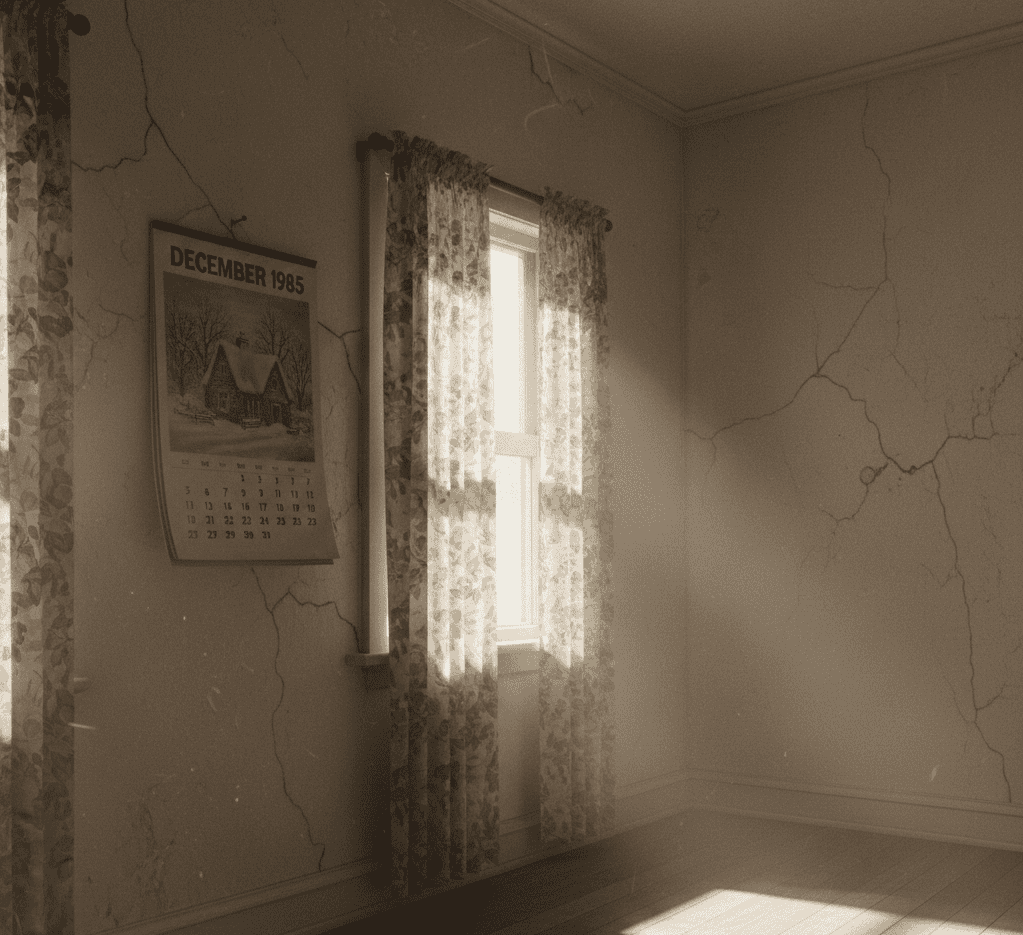
Even though the belief in bad luck has softened, many people still prefer to replace old calendars right away. The reason is emotional rather than superstitious.
Something is refreshing about flipping to a clean January page. It feels like a small ritual of renewal, one that helps people prepare for the year ahead.
Some families continue the tradition because it is part of their cultural heritage. They grew up hearing their parents or grandparents say that an outdated calendar brings bad luck.
Even if they do not believe it literally, they enjoy honoring the memory. Traditions bring comfort. They help people feel connected to their roots.
Others continue the practice because it helps them stay organized. Keeping an outdated calendar can lead to missed appointments or confusion.
Replacing it feels like an act of responsibility. It brings order and clarity to the home.
Even those who use digital calendars still enjoy hanging a physical one. It gives the home a sense of rhythm.
It marks the passing of days in a gentle visual way. Refreshing it for the new year feels grounding.
Keeping the Tradition Alive in a Modern World

The belief that outdated calendars bring bad luck has softened with time, yet the heart of the tradition remains valuable.
It teaches people to recognize important transitions. The end of a year is more than just a page turning on the calendar.
It is a moment to reflect, let go, and prepare for what comes next. It’s a simple and powerful routine
Even if you do not believe in bad luck, the act of replacing an old calendar can still bring emotional clarity.
It gives you a sense of leaving the past where it belongs. It opens space for new opportunities. It helps you step into the new year with a lighter heart.
The truth is that calendars will always be more than sheets of paper. They hold stories, memories, and hopes.
Replacing the old with the new is a reminder that time keeps moving and that fresh beginnings are always possible.

I always felt a strong connection to the Divine since my birth. As an author and mentor, my mission is to help others find love, happiness, and inner strength in the darkest of times.